Source Aluminum Foil Heat-Resistant Gloves for Metallurgy, Baking, and Gardening
Explore 30 listings for Aluminum Foil Heat-Resistant Gloves designed for high-temperature environments. Buyers can compare features like heat insulation, durability, and material composition from various suppliers to find the right protective gear for industrial or household use.
Key considerations
Products List
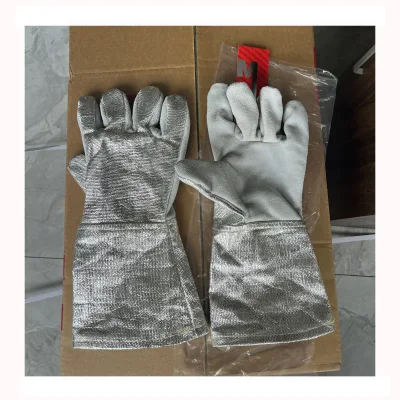
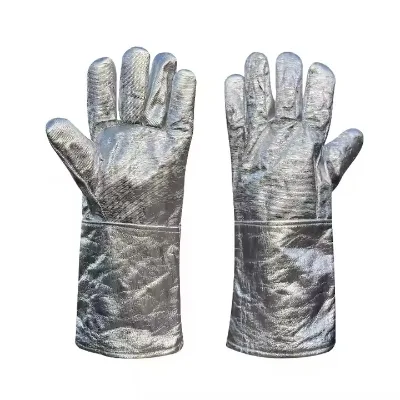


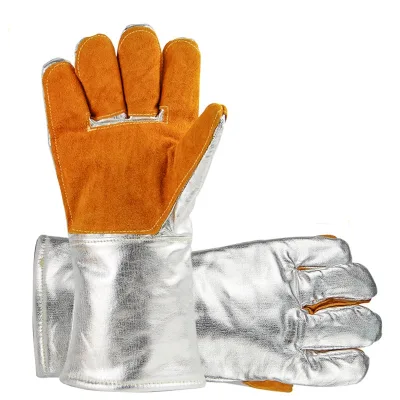


Premium Heat-Resistant Gloves for Safety in High-Temperature Environments
$30.00 - $40.00
MOQ: 1 Pieces
Comprehensive Sourcing Guide
Strategic Sourcing Guide for Aluminum Foil Heat-Resistant Gloves
Procuring specialized protective equipment requires a rigorous approach that balances technical performance with supply chain reliability. For buyers seeking Aluminum Foil Heat-Resistant Gloves, the market offers a diverse array of options ranging from simple metallurgy protection to complex multi-layered thermal barriers. The following guide outlines the critical factors for evaluating these products, ensuring that procurement decisions are grounded in verified specifications and practical application needs rather than marketing assertions.
Understanding Material Composition and Construction
The core of any heat-resistant glove lies in its material composition. In the current market, Aluminum Foil Heat-Resistant Gloves are frequently constructed using composite aluminized fabrics. This material typically combines a base layer, such as nylon or acrylic, with an outer layer of aluminum foil. The aluminum foil serves as a radiant heat reflector, while the underlying fabric provides structural integrity and abrasion resistance. Some listings indicate the use of genuine leather as an outer material, which offers superior durability and tactile feedback, often layered with aluminized components for enhanced thermal protection.
When evaluating product specifications, buyers must distinguish between single-material claims and composite constructions. A product described as having "aluminum foil" as a material often implies a laminated structure rather than pure foil, which would be too fragile for industrial use. The presence of "composite aluminized fabric" suggests a robust blend designed to withstand high temperatures while maintaining flexibility. Additionally, features such as "wear-resistant" and "abrasion resistant" are critical indicators of the glove's longevity in harsh environments. The thickness of the material, often described as "thickened," directly correlates with the level of thermal insulation provided, though it may impact dexterity.
Technical Specifications and Performance Metrics
Technical specifications define the operational limits of the gloves. A primary metric for these products is the heat resistance temperature. Verified data indicates that certain models in this category are rated for temperatures between 200° and 300°. This range is suitable for applications involving moderate to high heat exposure, such as handling hot cookware or working near industrial furnaces. However, buyers should verify the specific temperature rating for each model, as performance can vary significantly based on the thickness of the aluminized layer and the backing material.
Dimensions and fit are equally important for safety and usability. Specifications often include size designations such as "M" (Medium) or "L" (Large), alongside detailed measurements like "Glove Length: 35cm." The length of the glove is crucial for protecting the forearm from radiant heat and accidental splashes. Some models feature "Full Finger Gloves" designs, ensuring complete hand coverage, while others may have specific cuff tightness levels, such as "Tight," to prevent heat or debris from entering the glove. The single package size, often around 20x10x10 cm, and the gross weight of approximately 1.000 kg per unit provide logistical data essential for shipping and storage calculations.
Application Scenarios and Functional Requirements
The application type dictates the necessary features of the glove. These products are primarily categorized under "Heat Resistance" and are designed for environments where thermal protection is paramount. Common usage scenarios include "Household Electrical Appliances" and "Gardening," where users may encounter hot surfaces or sharp, heated tools. In industrial settings, these gloves are frequently utilized in metallurgy, where the "Radiant" heat protection offered by the aluminum foil is essential.
Beyond thermal protection, functional requirements often include "Anti-Static" and "Anti-scratch" capabilities. These features are vital in environments where static discharge could trigger an explosion or where sharp metal shards are present. The "Food Grade" attribute is another critical specification for buyers in the culinary or food processing sectors, ensuring that the materials do not contaminate products. Additionally, the distinction between "Disposable" and "Non-Disposable" is significant; most high-performance aluminum foil gloves are designed for repeated use, offering a cost-effective solution over time compared to single-use alternatives.
Compliance, Standards, and Verification Protocols
Navigating compliance and certification is a complex aspect of sourcing industrial safety gear. While specific standards such as EN420, ASTM F1060, and EN407 are often associated with protective gloves, buyers must treat these as verification targets rather than guaranteed attributes of every listed product. The provided data indicates that some products have a "customized" standard, meaning they may not adhere to a specific international norm unless explicitly requested.
Buyers should not assume that a product listing automatically satisfies a specific certification. Instead, the procurement process must include a direct request for test reports or certification documents from the supplier. For heat resistance, verifying that the glove meets the claimed 200°-300° threshold through independent testing is essential. In the absence of explicit certification data in the product listing, the buyer must establish a requirement for third-party validation before placing a large order. This due diligence ensures that the gloves will perform as expected under actual working conditions and meet local safety regulations.
Cost Drivers and Procurement Economics
The cost of Aluminum Foil Heat-Resistant Gloves is influenced by several factors, including material quality, customization levels, and order volume. The observed price range in the market spans from $0.50 to $40.00 USD, a wide variance that reflects differences in material thickness, brand reputation, and feature sets. Higher-priced items often incorporate genuine leather or advanced composite fabrics, offering superior durability and comfort. Conversely, lower-cost options may rely on simpler nylon or acrylic blends with a basic aluminized coating.
Minimum Order Quantity (MOQ) is another significant economic driver. The market shows an MOQ range from 1 to 2000 units, with some specific models requiring a minimum of 10,000 units. This disparity allows buyers to choose between small-batch sampling and bulk procurement. Customization, such as adding logos or altering dimensions, typically increases the unit cost and may raise the MOQ threshold. Buyers should also consider the "Single package size" and "Gross weight" when calculating total shipping costs, as these factors directly impact freight charges. Understanding the trade-off between unit price and order volume is essential for optimizing the total cost of ownership.
Supplier Evaluation and Quality Assurance
Evaluating suppliers requires a focus on their ability to meet specific technical and logistical requirements. Key attributes to verify include the "Place of Origin," which is frequently listed as China, and the "Brand Name," such as Meikang, which can serve as an indicator of manufacturer specialization. The availability of samples is a critical factor; many suppliers support sample requests, allowing buyers to physically inspect the glove's texture, flexibility, and heat resistance before committing to a bulk order.
Quality control measures should be a prerequisite for any partnership. Buyers should inquire about the "prod_packing" methods, such as "OPP Bag" or "Carton" packaging, to ensure the gloves arrive in good condition. The "Style" of the glove, whether "Plain" or embellished, should align with the intended use case, as unnecessary features can compromise functionality. Furthermore, the "Age Group" and "Gender" specifications, often listed as "Adults" and "Unisex," help ensure the product fits the target workforce. A reliable supplier will provide clear documentation on the "Function" of the product, confirming claims of "Heat Insulation" and "Waterproof" capabilities.
Long-Term Procurement and Lifecycle Management
Sourcing Aluminum Foil Heat-Resistant Gloves is not a one-time transaction but part of a long-term supply chain strategy. The "Customizable" nature of these products allows for adaptation to changing operational needs, but it also requires clear communication with the supplier regarding specifications. Buyers should consider the "Lead Time" and production capacity, especially when dealing with high MOQs or custom orders.
Maintenance and replacement cycles are also part of the lifecycle management. Since these gloves are generally "Non-Disposable," their durability is a key metric for cost efficiency. Regular inspection of the aluminized surface for tears or delamination is necessary to ensure continued protection. Establishing a relationship with a supplier who offers consistent quality and responsive customer support is vital for maintaining safety standards over time. By focusing on verified specifications and robust supplier evaluation, buyers can secure a reliable supply of protective gear that meets the demanding requirements of heat-intensive industries.
FAQs
What materials are used in Aluminum Foil Heat-Resistant Gloves?
These gloves typically use composite aluminized fabric combining nylon or acrylic with an aluminum foil outer layer. Some models feature genuine leather for enhanced durability while maintaining heat resistance properties for industrial use.
How high a temperature can these gloves withstand?
Verified models are rated for temperatures between 200 and 300 degrees Celsius. This range supports applications involving radiant heat and moderate to high thermal exposure in metallurgy or cooking environments.
Can I order customized sizes and features for these gloves?
Yes, customization is available for size, length, and specific features like anti-static or waterproof capabilities. Buyers can request tailored dimensions such as 35cm length or specific cuff tightness to meet operational needs.
What is the typical minimum order quantity for these gloves?
The minimum order quantity ranges from 1 unit for samples to 2000 units for bulk orders. Some specific models may require a higher threshold of 10,000 units depending on the supplier and customization level.
Are these gloves suitable for food handling applications?
Yes, certain models are explicitly rated as food grade and abrasion resistant. These attributes ensure they are safe for use in culinary settings while providing necessary heat insulation and protection against hot surfaces.
How are these gloves packaged for shipping?
Packaging options include individual OPP bags, polybags, or cartons depending on the order volume. The single package size is typically around 20 by 10 by 10 cm with a gross weight of 1 kg per unit.