Source Aluminum Frame Hand Trolley for Warehouse, Retail, and Office
Find 30 Aluminum Frame Hand Trolley options for warehouse, retail, and office logistics. Compare models like HT2095 and HT1813, featuring steel and aluminum builds with capacities up to 500kg. Evaluate pneumatic wheels, folding designs, and OEM customization support from Chinese manufacturers.
Updated
Key considerations
Products List


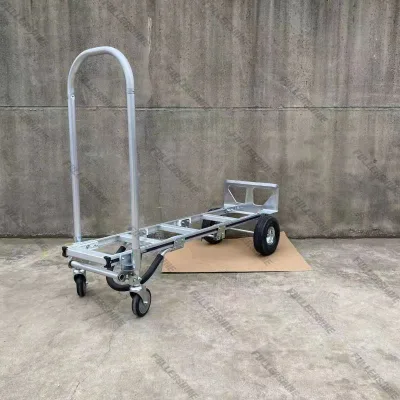
Aluminum Foldable Hand Trolley with 6" Wheels 220 Lb Capacity Hand Trolley
$14.00 - $17.00
MOQ: 500 Pieces
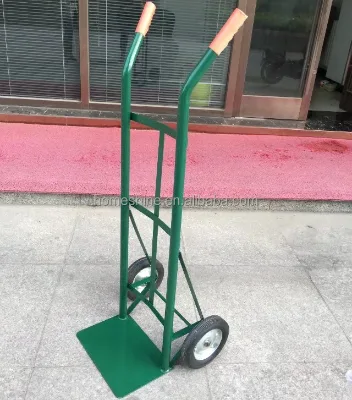
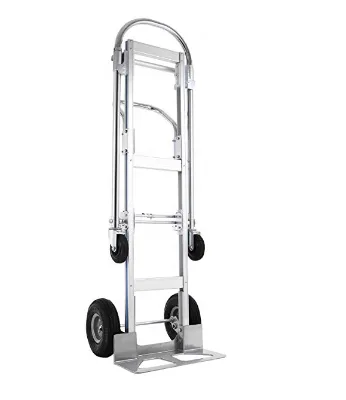
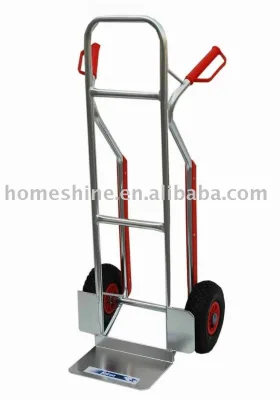

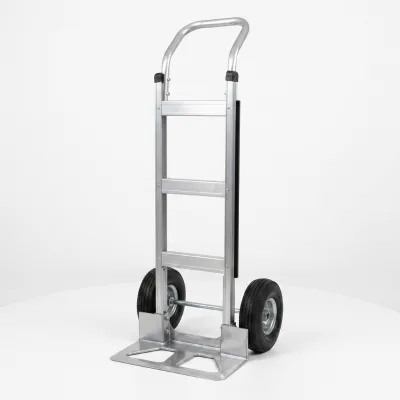
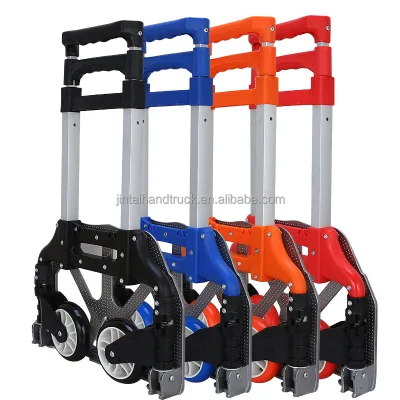

Aluminum Trolley Hand Trolley Shopping Cart Folding Hand Trolley (HT1864)
$58.00 - $65.00
MOQ: 100 Pieces


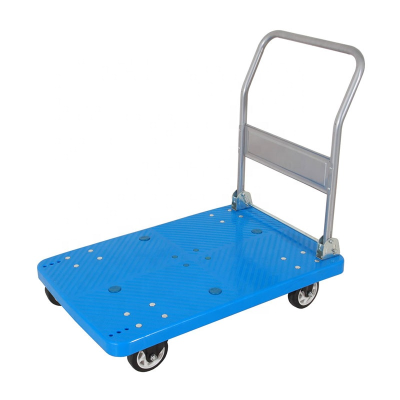
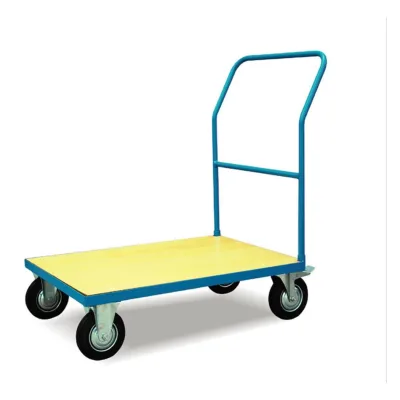


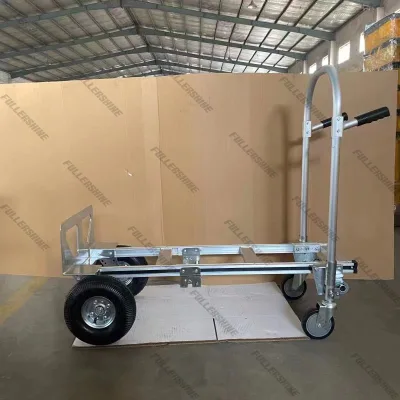
Comprehensive Sourcing Guide
Aluminum Frame Hand Trolley Sourcing Guide
Procuring aluminum frame hand trolleys requires a strategic balance between material advantages and structural integrity, particularly for buyers prioritizing lightweight durability in high-frequency logistics environments. The observed market data indicates a diverse range of models, with specific listings highlighting aluminum construction alongside steel and stainless steel alternatives, necessitating careful verification of material composition to ensure the product meets specific weight-bearing and corrosion-resistance requirements. Buyers must distinguish between pure aluminum frames and composite structures, as the latter may offer different performance characteristics regarding load distribution and long-term wear.
The sourcing landscape reveals significant variation in customization support, with suppliers offering both OEM and OBM services, which impacts branding opportunities and supply chain flexibility. Observed supply abilities range from 1,000 to 10,000 pieces per month, suggesting that larger volume commitments may secure better production slots but require accurate forecasting to avoid stockouts or excess inventory. Understanding these commercial dynamics is essential for aligning procurement strategies with operational demand, ensuring that the selected hand trolleys can be replenished efficiently without compromising on quality or delivery timelines.
Product Scope and Observed Listing Signals
The current market listings for hand trolleys encompass a wide array of configurations, including convertible designs, platform structures, and enclosed frames, catering to diverse industrial and retail applications. While the core keyword focuses on aluminum, the observed data includes products made from steel, stainless steel, and aluminum, indicating that buyers must explicitly specify material preferences to avoid receiving steel-based alternatives that may not meet weight-sensitive operational needs. The presence of folding and non-foldable options further expands the scope, requiring buyers to assess space constraints and storage requirements before finalizing their selection.
Observed product attributes reveal specific technical details such as wheel types, including pneumatic wheels and rubber wheels of varying sizes like 10-inch diameters, which directly influence maneuverability on different surfaces. Load capacities observed range significantly, with some models supporting up to 500kg while others are rated for lower weights, highlighting the importance of matching the trolley’s capacity to the intended cargo. Additionally, features like fixed handles and specific frame dimensions, such as 1150*700 mm, provide critical insights into ergonomic design and spatial fit, ensuring that the chosen equipment integrates seamlessly into existing warehouse or retail workflows.
Technical Specifications to Verify
Verifying the exact material composition is paramount, as listings may mix aluminum frames with steel components, affecting both weight and corrosion resistance. Buyers should request detailed material certificates or mill test reports to confirm the grade of aluminum used, ensuring it meets industry standards for strength and durability. The observed data includes models with zinc-plated or zinc-galvanized surfaces, which may apply to steel parts rather than the aluminum frame itself, so clarifying the extent of surface treatments is crucial for maintaining the aesthetic and functional integrity of the aluminum structure.
Wheel specifications and axle construction are critical technical factors that determine the trolley’s performance under load. Buyers must verify the wheel type, whether pneumatic or solid rubber, and confirm the axle material and diameter to prevent premature failure under heavy use. The observed listings mention wheel sizes like 10"*3.5" and quantities of two wheels, but buyers should also inquire about bearing quality and swivel mechanisms if applicable. Additionally, frame dimensions and overall weight, such as the observed 15kg own weight for certain models, should be cross-referenced with the load capacity to ensure the trolley remains manageable for operators while maintaining structural stability.
Compliance and Safety Documentation
Safety compliance is a non-negotiable aspect of hand trolley procurement, requiring verification of load testing protocols and structural integrity certifications. Buyers should ensure that suppliers provide evidence of static and dynamic load tests, confirming that the aluminum frame can withstand the rated capacity without deformation or failure. Although specific certification standards are not detailed in the observed data, buyers must request documentation that aligns with regional safety regulations, such as ISO standards for material handling equipment, to mitigate liability and ensure operator safety in high-traffic environments.
Documentation regarding surface treatments and material safety is equally important, particularly for trolleys used in sensitive environments like hospitals or food retail. Buyers should verify that any coatings or treatments applied to the frame or wheels are non-toxic and resistant to chemical degradation. The observed listings mention zinc plating and galvanized finishes, which may require verification of compliance with environmental regulations regarding heavy metal usage. Ensuring that all components meet relevant health and safety standards helps prevent contamination risks and ensures the trolley’s suitability for diverse industrial applications.
Cost Drivers and Commercial Terms
Cost variations in aluminum frame hand trolleys are driven by material grades, manufacturing complexity, and customization levels. Buyers should anticipate higher costs for pure aluminum constructions compared to steel alternatives, but the long-term benefits of reduced weight and corrosion resistance often justify the initial investment. The observed supply abilities and MOQ ranges suggest that economies of scale play a significant role in pricing, with larger orders potentially securing more favorable unit costs. Understanding these cost drivers allows buyers to negotiate effectively and align procurement budgets with expected operational savings.
Commercial terms, including payment conditions, lead times, and warranty provisions, significantly impact the total cost of ownership. The observed data includes warranty periods of six months and supply abilities ranging from 1,000 to 10,000 pieces per month, indicating that suppliers may offer flexible terms based on order volume. Buyers should clarify packaging details, such as bulk packing or individual plastic bagging, as these affect shipping costs and handling efficiency. Additionally, understanding the port of dispatch, such as Qingdao, helps in calculating logistics expenses and planning inventory replenishment cycles accurately.
Supplier Qualification and Quality Control
Supplier qualification involves assessing manufacturing capabilities, quality management systems, and past performance in producing aluminum hand trolleys. Buyers should verify that suppliers have experience in aluminum fabrication, including welding and finishing techniques that maintain the material’s integrity. The observed listings mention brands like HOMESHINE and JINTAI, indicating a competitive market with established players. Buyers should request references or case studies to evaluate the supplier’s reliability and consistency in meeting quality standards and delivery schedules.
Quality control processes must be rigorously evaluated to ensure that each trolley meets specified technical requirements. Buyers should inquire about in-process inspections, final quality checks, and testing protocols for load capacity and durability. The observed data includes features like durable and movable characteristics, which should be validated through supplier quality assurance documentation. Establishing clear quality benchmarks and inspection criteria before production begins helps prevent defects and ensures that the delivered products align with operational expectations, reducing the risk of returns or replacements.
Long-Term Procurement Checks
Long-term procurement success depends on continuous monitoring of supplier performance and product reliability in real-world conditions. Buyers should establish key performance indicators, such as defect rates, delivery timeliness, and after-sales support responsiveness, to evaluate supplier consistency over time. The observed customization support, including OEM and OBM options, suggests that suppliers may offer ongoing product development and improvement opportunities. Leveraging these relationships can lead to customized solutions that better fit evolving operational needs and enhance overall efficiency.
Regular audits and feedback loops are essential for maintaining high standards and addressing any emerging issues promptly. Buyers should conduct periodic reviews of product performance, gathering input from end-users to identify any design flaws or maintenance challenges. The observed warranty periods and supply abilities indicate that suppliers are committed to long-term partnerships, but proactive engagement is necessary to maximize these benefits. By maintaining open communication and enforcing quality standards, buyers can ensure a sustainable supply of aluminum frame hand trolleys that support their operational goals and deliver consistent value.
FAQs
What materials are used for aluminum frame hand trolleys?
Aluminum frame hand trolleys are constructed from aluminum to ensure lightweight durability. Some models feature steel or stainless steel frames for heavy-duty applications. The choice depends on the required load capacity and specific usage environment such as warehouse or industrial settings.
Which wheel types are available for these hand trolleys?
Pneumatic wheels are commonly available for smooth movement on various surfaces. Specific models may feature 10-inch rubber wheels or 10-inch by 3.5-inch pneumatic options. The wheel configuration typically includes two wheels to support the designated load capacity effectively.
Can these hand trolleys be customized for specific needs?
Yes, customization is available for many hand trolley models to meet specific requirements. Buyers can request OEM or OBM support for branding and design modifications. Customized support allows for tailored solutions regarding frame size, color, and surface treatment like zinc plating.
What is the typical load capacity for aluminum hand trolleys?
Load capacities vary significantly depending on the specific model and construction materials used. Some units support up to 250 kilograms while others can handle up to 500 kilograms. Buyers should verify the exact capacity against their intended usage requirements before purchasing.
How are these hand trolleys packaged for shipping?
Packaging details vary by manufacturer but often include bulk packing or individual plastic bags. Some products are shipped in bulk to optimize container space and reduce costs. Specific packaging methods depend on the supplier and the volume of the order placed.
What is the lead time for ordering these trolleys?
Supply abilities range from 1000 to 10000 pieces per month depending on the manufacturer. Lead times are influenced by order volume and specific customization requirements. Buyers should confirm exact delivery schedules with the supplier to ensure timely arrival.
Where are these hand trolleys manufactured?
Most aluminum frame hand trolleys are manufactured in China, specifically in regions like Shandong. The products are dispatched from ports such as Qingdao for international shipping. Origin details are critical for logistics planning and understanding supply chain dynamics.