Source Amino Acid Soap Flowers for Home, Wedding, and Party Decor
Find 30 listings for Amino Acid Soap Flowers suitable for home, wedding, and party decoration. Compare OEM/ODM options, customized sizes, and bulk packaging from Chinese manufacturers to find the right supplier for your needs; compare the available evidence and request quotations based on your requirements.
Updated
Key considerations
Products List


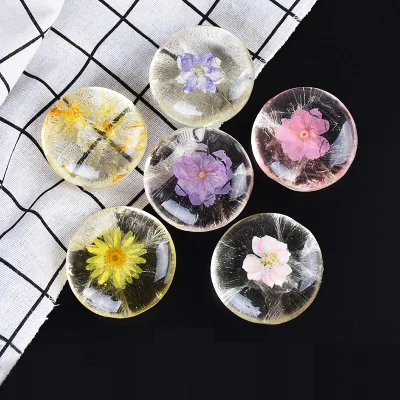
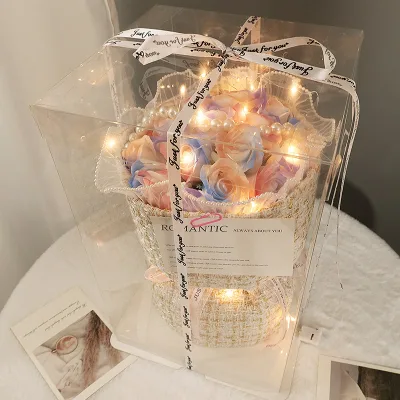
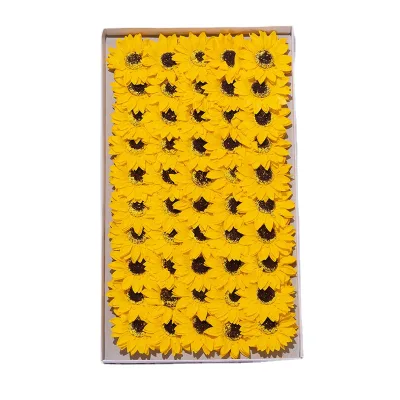
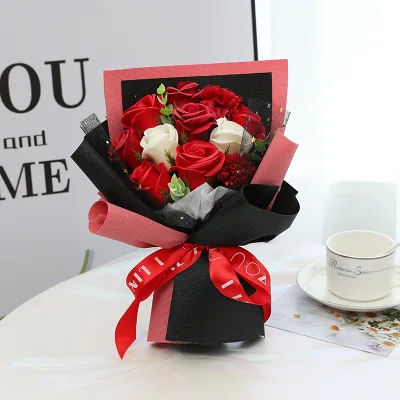
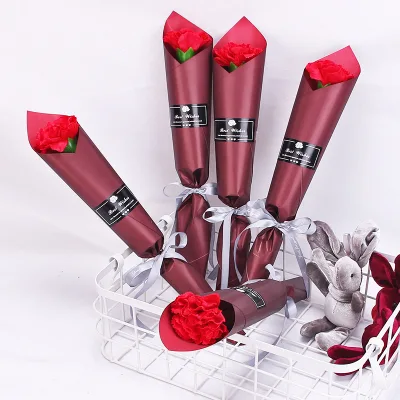
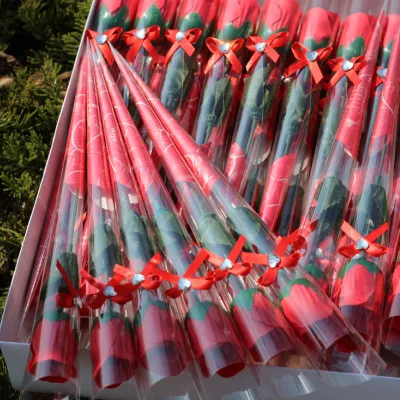
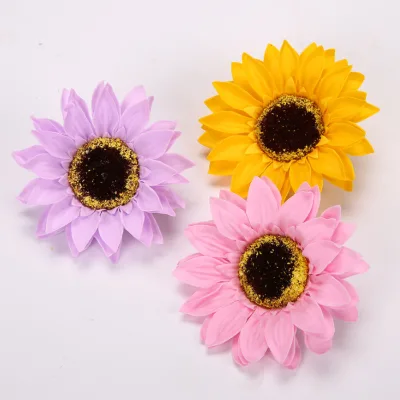
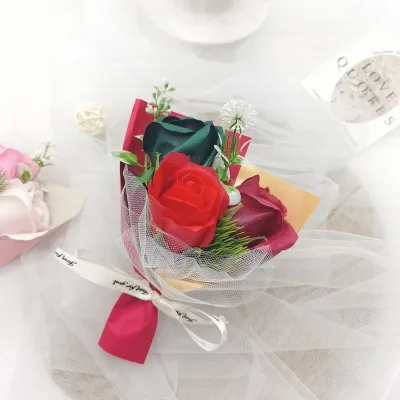
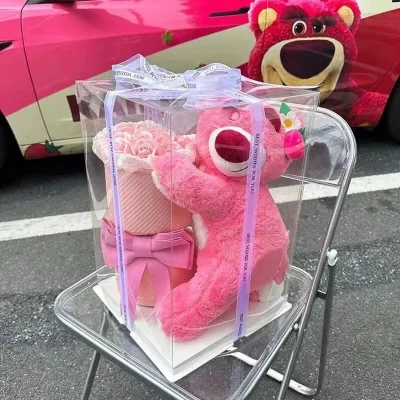
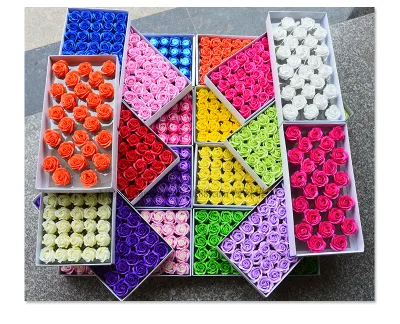
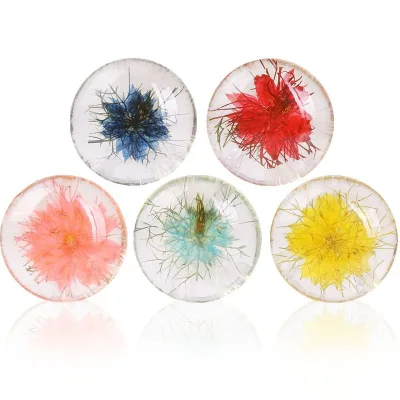


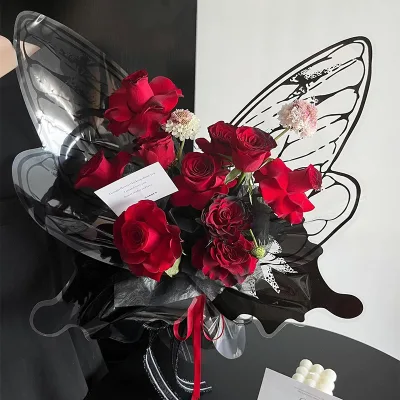
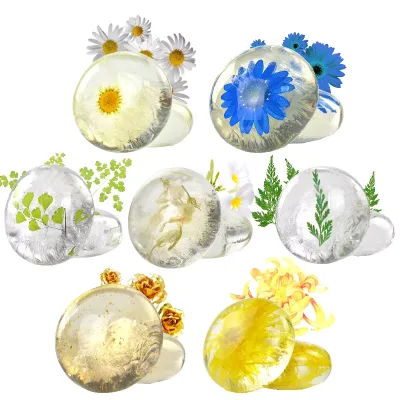
Comprehensive Sourcing Guide
Amino Acid Soap Flowers Sourcing Guide
Procuring Amino Acid Soap Flowers requires a nuanced understanding of the intersection between cosmetic chemistry and decorative artistry. These products serve a dual purpose, functioning as both aesthetic centerpieces for events and functional hygiene items for guests. Buyers must recognize that the "soap" component implies a cleansing or moisturizing utility, while the "flower" structure dictates handling, packaging, and display requirements. This duality complicates standard procurement workflows, as the product must satisfy both visual quality standards for decoration and chemical safety standards for personal care.
The sourcing landscape for these items is characterized by significant variability in material composition and manufacturing intent. While some listings emphasize the decorative aspect with features like "evergreen" durability and "colorful" designs, others highlight functional ingredients such as milk or herbal extracts. This divergence means that a single keyword search may yield results ranging from purely artificial silk replicas to actual solid soap bars molded into floral shapes. Procurement teams must therefore establish clear criteria early in the process to distinguish between decorative props and usable cosmetic products, ensuring that the final selection aligns with the specific needs of the end-user or event theme.
Product Scope and Observed Listing Signals
Market observations indicate a wide range of product types under this keyword, including items explicitly labeled as "Soap Flower" with models like WM-MB09, as well as artificial alternatives such as "Artificial Tulip Flower" made from silk. The observed material spectrum includes actual soap derived from milk and mineral ingredients, alongside non-soap options like silk that mimic floral aesthetics. This distinction is critical, as the presence of amino acids or other cosmetic bases significantly impacts shelf life, scent retention, and regulatory classification. Buyers should carefully review product descriptions to confirm whether the item is a functional soap bar or a decorative artificial flower, as the latter does not require cosmetic compliance documentation.
Listing signals also reveal diverse customization capabilities, with many suppliers offering OEM and ODM services for logos, sizes, and packaging. The observed minimum order quantities (MOQ) vary substantially, ranging from small batches of 200 pieces to large industrial orders exceeding 200,000 units. This flexibility allows buyers to scale procurement according to event size or retail distribution needs. However, the presence of "customized size" and "accept customized logo" attributes suggests that lead times may be longer for tailored orders compared to standard stock items. Procurement planners should account for these variables when scheduling production and delivery timelines to avoid bottlenecks in supply chain operations.
Technical Specifications to Verify
When evaluating technical specifications, buyers must prioritize the physical form and structural integrity of the product. For actual soap flowers, the form is solid, and attributes such as "not transparent" and "weak-acid" or "alkalescence" properties are relevant to skin compatibility. It is essential to verify the exact pH balance and ingredient list, as claims of "good smell" or "unscented" variants require confirmation through sample testing. For artificial alternatives, specifications focus on visual realism, with features like "very real," "well designed," and "high quality" being key differentiators. Buyers should request detailed material breakdowns to ensure that the "silk" or "soap" materials meet durability expectations for long-lasting display or repeated use.
Packaging and logistics specifications are equally critical for maintaining product quality during transit. Observed packing methods include bulk carton packaging and sea freight arrangements, which suggest that these items are often shipped in large volumes. Buyers must verify that the packaging protects delicate floral structures from crushing, especially for soap flowers that may be brittle or prone to melting in humid conditions. Additionally, the "customized size" attribute implies that dimensional tolerances may vary between suppliers. Procurement teams should establish clear dimensional specifications and tolerance levels in purchase orders to ensure consistency across batches, particularly when coordinating with multiple vendors for large-scale events.
Compliance and Safety Documentation
Regulatory compliance is a primary concern for any product marketed as soap, regardless of its decorative appearance. Buyers must verify that suppliers provide appropriate safety data sheets and ingredient declarations, especially if the product contains milk, herbal, or mineral components. The presence of "non-medicated" labels does not exempt the product from cosmetic regulations in many jurisdictions. Procurement teams should request evidence of manufacturing standards, such as OEM certifications or adherence to specific regional safety guidelines, to mitigate liability risks. It is also important to confirm whether the product has undergone any relevant testing for allergens or skin irritation, particularly if it is intended for use by adults or children.
For artificial flower alternatives, compliance requirements shift towards material safety and flammability standards. While these items do not require cosmetic registration, they may still need to meet general product safety regulations, particularly if they are sold in markets with strict consumer protection laws. Buyers should inquire about the origin of materials, such as whether the silk or synthetic fibers are treated with any chemical finishes that could pose health risks. Additionally, if the product includes logo printing or custom packaging, buyers must ensure that inks and adhesives used in the customization process are non-toxic and compliant with relevant environmental and safety standards.
Cost Drivers and Commercial Terms
Pricing for Amino Acid Soap Flowers is influenced by several key factors, including material complexity, customization level, and order volume. The observed price range of $0.05 to $14.8 USD reflects the disparity between simple artificial flowers and complex, multi-ingredient soap products. Customization services, such as logo printing and bespoke sizing, typically incur additional costs due to setup fees and extended production times. Buyers should negotiate clear pricing structures that separate base product costs from customization charges to avoid unexpected expenses. Understanding these cost drivers allows for more accurate budgeting and helps in comparing quotes from different suppliers on a like-for-like basis.
Commercial terms, including payment methods and delivery schedules, vary significantly among suppliers. The observed MOQ range of 1 to 220,000 units suggests that some suppliers cater to small-scale buyers while others focus on large industrial contracts. Buyers should clarify lead times for both standard and customized orders, as production delays can impact event planning or retail inventory. Additionally, it is important to confirm whether shipping costs are included in the quoted price or if they are calculated separately based on weight and volume. Establishing clear commercial terms early in the negotiation process helps prevent disputes and ensures a smooth transaction from order placement to final delivery.
Supplier Qualification and Quality Control
Supplier qualification is essential for ensuring consistent product quality and reliable service. Buyers should assess suppliers based on their manufacturing capabilities, quality control processes, and customer service responsiveness. For soap flowers, it is important to verify that the supplier has experience in producing cosmetic-grade products, including proper hygiene controls during manufacturing. For artificial flowers, buyers should evaluate the supplier's design capabilities and attention to detail in replicating realistic floral features. Requesting samples from multiple suppliers allows for direct comparison of material quality, scent, and visual appeal, helping to identify the most suitable partner for long-term collaboration.
Quality control measures should be integrated into the procurement process to minimize defects and ensure product consistency. Buyers should establish clear acceptance criteria for color accuracy, structural integrity, and packaging quality. For customized orders, it is advisable to approve pre-production samples before mass manufacturing begins. Additionally, buyers should consider implementing third-party inspections for large orders to verify that the delivered goods meet the agreed-upon specifications. Regular communication with suppliers regarding quality feedback and performance metrics helps maintain high standards and fosters a collaborative relationship that benefits both parties in the long run.
Long-Term Procurement Checks
Long-term procurement success depends on continuous monitoring of supplier performance and market trends. Buyers should regularly review supplier reliability, including on-time delivery rates and responsiveness to issues. For soap flowers, it is important to stay informed about changes in cosmetic regulations and ingredient availability, as these factors can impact product formulation and compliance. For artificial flowers, monitoring design trends and material innovations can help buyers offer more competitive and appealing products to their customers. Establishing a structured supplier evaluation process ensures that procurement decisions are based on objective data and align with strategic business goals.
Sustainability and ethical sourcing are increasingly important considerations in the procurement of decorative and cosmetic products. Buyers should inquire about suppliers' environmental practices, such as the use of recyclable packaging or sustainable material sourcing. For soap flowers, this may include verifying the ethical sourcing of milk or herbal ingredients. For artificial flowers, buyers can assess the durability and reusability of the products to minimize waste. By prioritizing sustainable practices, buyers can enhance their brand reputation and meet the growing consumer demand for environmentally responsible products. Regularly updating procurement policies to reflect these values ensures long-term relevance and competitiveness in the market.
FAQs
Can I customize the logo on soap flowers?
Yes, customized logo printing is available for these soap flowers. The product supports OEM and ODM design services, allowing buyers to add their branding. This feature is ideal for corporate gifts or wedding favors. The material is primarily soap with milk and mineral ingredients, ensuring a good smell while serving as a decorative item for home or party use.
What is the minimum order quantity for soap flowers?
The minimum order quantity is 200 pieces for standard orders. However, observed listings show a broader MOQ range from 1 to 220,000 pieces depending on the supplier and customization level. Buyers should confirm specific MOQ requirements with manufacturers, as bulk packaging and customized sizes may influence the minimum purchase threshold for production runs.
What materials are used to make these soap flowers?
The primary material is soap, often combined with milk and mineral ingredients. Some variations may include silk for structural support or aesthetic appeal. The product is non-medicated and solid in form, designed to be visually appealing with a good smell. It is suitable for all age groups and serves as a long-lasting, artificial-style decoration for various events.
Are soap flowers suitable for wedding decorations?
Yes, soap flowers are highly suitable for wedding decorations and home parties. They feature beautiful, colorful designs that mimic real roses or tulips. Their durable, long-lasting nature makes them ideal for bouquets or table centerpieces. The customizable size and logo options allow for personalized wedding themes, providing a unique keepsake for guests after the event.
What is the origin and packaging of these products?
These soap flowers originate from China and are typically packed in cartons for bulk shipping. Some listings indicate packaging by sea for large orders. The product model WM-MB09 is available with customized sizes. Buyers can expect standard carton packaging for protection during transit, ensuring the delicate flower shapes remain intact upon arrival at the destination port or warehouse.