Handmade Antiseptic Milk Soap Bar Suppliers and Manufacturers
Explore 25 verified suppliers offering handmade antiseptic milk soap bars with customizable features. Compare dimensions like location, lead times, certifications, and pricing to find the right partner. Contact suppliers directly to request samples and confirm specifications; review the available evidence before requesting comparable quotations from suitable candidates.
Suppliers List

Hunan Woolf Technology Co., Ltd.
- Verified by TUVRHEINLAND
- Manufacturer/Factory
- China Hunan
- Lead time23 days
- Avg. response≤ 5h
Main productsLabel Sticker, Package Box, Vial Label, Vial Box, Shampoo Bar, Glass Vials, Plastic Blister Tray, Plastic Insert, Leaflet, Soap Bar
Main marketsSouth America,Eastern Europe,Mid East,North America,Southeast Asia,Eastern Asia,Oceania,Western Europe,Africa

Guangzhou Shiruoni Cosmetics Co., Ltd.
- Trading Company,Manufacturer/Factory,Group Corporation
- China Guangdong
- Lead time15 days
- Avg. response≤ 6h
Main productsSkin Care, Jelly Mask, Face Serum, Face Toner, Face Cream, Facial Mask, Sunscreen, Face Cleanser, Soap, Skin Care Set
Main marketsSouth America,Eastern Europe,Mid East,North America,Southeast Asia,Eastern Asia,Oceania,Western Europe,Africa


Custom Organic Exfoliating Deep Cleansing Skin Treatment Handmade Starry Soap Bar
$0.90 - $1.20
MOQ: 1000 Pieces


Custom Logo Washing Bar Soaps Natural Handmade Beautiful Soap Bars with Logo
$0.68 - $1.58
MOQ: 1000 Pieces

Private Label Natural Organic Virgin Coconut Milk and Oil Moisturizing Soap Bar
$0.50 - $0.70
MOQ: 1000 Pieces

Dongguan ELU Daily Necessities Co., Ltd.
- Manufacturer
- Guangdong, China
- Lead time0 days
- Avg. response≤ 11h
Main productsSoap
Main marketsNorth America(50.00%), South America(10.00%), Eastern Europe(10.00%), Mid East(10.00%), Western Europe(10.00%), Southern Europe(10.00%)

Guangzhou Mebamy Cosmetics Co., Ltd.
- Verified by TUVRHEINLAND
- Manufacturer/Factory
- China Guangdong
- Lead time15 days
- Avg. response≤ 5h
Main productsFace Serum, Soap, Face Cream, Sunscreen, Eyelash Growth Serum, Teeth Whitening, Face Mask, Facial Cleanser, Essential Oil, Hair Care Series
Main marketsNorth America,Western Europe


Natural Skincare Neem Oil Soap Bar Moisturising Conditioning Cleansing Bar
$0.98 - $1.15
MOQ: 3000 Pieces


Wholesale Natural Vegan Glycerin Base Herbal Bath Gold Face Toilet Soap
$0.89 - $1.56
MOQ: 3000 Pieces

Hangzhou Miuge Chemical Commodities Science & Technology Co., Ltd.
- Verified by SGS
- Combined
- China Zhejiang
- Lead time30 days
- Avg. response≤ 23h
Main productsWashing Powder, Dishwasher Tablet/Powder, Washing Capsule, Liquid Detergent, Kitchen Cleaner, Dishwashing Liquid, Toilet Cleaner, Handwashing Liquid, Soap
Main marketsSouth America,Africa,East Asia(Japan/ South Korea),Domestic,Australia,North America
Shiyan Commodity (Huizhou) Co., Ltd.
- Verified by SGS Group
- Manufacturer, Trading Company
- Lead time0 days
- Avg. response≤ 1h
Main productsSoap, Shower Steamers, Bath Bombs, Bath Salt, Shampoo Bar
Main marketsNorth America(59%), Western Europe(15%), Domestic Market(8%)

Yangzhou Nano Aviation Technology Co., Ltd.
- Verified by SGS
- Combined
- China Jiangsu
- Lead time15 days
- Avg. response≤ 2h
Main marketsSoutheast Asia/ Mideast,Domestic


Wholesale Classic Formula Soap Bars for Gentle Cleansing of Daily Bath.
$0.20 - $0.50
MOQ: 1000 Pieces

Liaoning Guanghe Textile Industrial Co., Ltd.
- Verified by Intertek
- Manufacturer, Trading Company
- Liaoning, China
- Lead time10 days
- Avg. response≤ 2h
Main productsBath Gloves
Enrich Enterprises (Xiamen) Limited
- Verified by Intertek
- Trading Company
- Lead time40 days
- Avg. response≤ 8h
Main productsBath Gift Set, Bath And Body Care Product, Home Fragrance Product, Bath Bomb, Bath Gift Packaging
Main marketsNorth America(75%), Oceania(18%), Eastern Europe(2%)

Huizhou Yajiali Industrial Co., Ltd.
- Verified by SGS
- Combined
- China Guangdong
- Lead time30 days
- Avg. response≤ 3h
Main productsBath Bomb, Body Butter, Shower Steamers, Body Scrubs, Soap, Bath Salt, Bath Set
Main marketsEurope,North America


Luxury Organic Handmade Soap Bar with Essential Oils for Moisturizing Bath Soap
$0.55
MOQ: 1000 Pieces


$0.80 - $1.00
MOQ: 1000 pieces

Natural Vitamin C Soap Bar with Nourishing Ingredients for All Skin Types
$1.49 - $1.76
MOQ: 1000 pieces

Yangzhou Shitong Hotel Supply Co., Ltd.
- Combined
- China Jiangsu
- Lead time15 days
- Avg. response≤ 1h
Main productsHotel Amenity, Hotel Slipper, Hotel Shampoo
Main marketsSoutheast Asia/ Mideast,Domestic

$0.01 - $0.15
MOQ: 10000 Pieces


Yangzhou Tracey Daily Chemical Plastic Co., Ltd.
- Verified by BV
- Trading Company
- China Jiangsu
- Lead time30 days
- Avg. response≤ 7h
Main productsToothpaste, Soap Bar, Toothbrush, Bamboo Toothbrush, Hotel Amenities, Hotel Slipper, Jail Prison Supply, Personal Care Hygiene Produts, Toliet Bathroom Supply
Main marketsSouth America,Africa,Southeast Asia/ Mideast,East Asia(Japan/ South Korea),Domestic,Europe,Australia,North America

Bath Soap Hotel Amenities Bar Face Hand Body Bar Facial Soap Vegetable Cheansing Bar
$0.10 - $0.20
MOQ: 10000 Pieces


Wholesale Natural Handmade Hotel Soap Face Body Bar Soap Deodorant Bath Soap
$0.10 - $0.20
MOQ: 10000 Pieces

Unwrapped Soap 1/2 3/4 Bar Soap Facial Body Bath Soap Bar for Hotel /Jail Travel Used
$0.10 - $0.20
MOQ: 10000 Pieces

Skin Whitening Bath Soap Bar Goat Milk 100g 110g Toilet Soap Jabon Savon Manufacture
$0.10 - $0.20
MOQ: 10000 Pieces

200gr Pharma Bath Toliet Soap Bar with Paper Pack Antimicrobial Savon Bar Soaps Herbal Total Soaps
$0.10 - $0.20
MOQ: 10000 Pieces
Tianjin Hedong District Chenyongchen E-Commerce Studio
- Trading Company
- Tianjin, China
- Lead time7 days
- Avg. response≤ 2h
Main productsSkin cleansing soap,Hair Soap,Pet Soap
Main marketsNorth America(30.00%), South America(20.00%), Northern Europe(20.00%), Domestic Market(20.00%), Africa(10.00%)
Aidu Biotechnology (Guangzhou) Co., Ltd.
- Verified by SGS Group
- Manufacturer, Trading Company
- Shaanxi, China
- Lead time15 days
- Avg. response≤ 3h
Main productsDeodorant antiperspirant products, Shampoo, Shower gel, Body scrub, Sauna blanket
Main marketsMid East(60%), North America(15%), Northern Europe(15%)

Hebei Kenbin Technology Co., Ltd.
- Verified by SGS
- Trading Company
- China Hebei
- Lead time15 days
- Avg. response≤ 3h
Main productsTiO2, SLES, K12, Stearic Acid, LABSA, Glycerin
Main marketsAfrica


Wholesale Lemon Scent Yellow Soap Bar in 150g and 200g Eco-Friendly Packaging
$800.00 - $1800.00
MOQ: 20 Tons

- Trading Company,Manufacturer/Factory
- China Hebei
- Lead time15 days
- Avg. response≤ 3h
Main productsLaundry Detergent, Washing Powder, Liquid Soap
Main marketsSouth America,Eastern Europe,Mid East,North America,Southeast Asia,Eastern Asia,Oceania,Western Europe,Africa

Hebei Machinery & Equipment Import & Export Co., Ltd.
- Verified by SGS
- Trading Company,Manufacturer/Factory
- China Hebei
- Lead time60 days
- Avg. response≤ 7h
Main productsIron Castings /Stainless Steel Castings, Industrial Spare Parts OEM Machining/Fabrication, Wire Mesh and Filters, Transmission Parts (Gears Pulleys Shafts etc), Ironing Board Cover, PEVA Table Cloth, Cast Iron Oven Pot, Electrical Hardware Materials Clamp/Box/Coupling, Bath Towl, Pet Products (Pet Pad Pet Mats etc)
Main marketsSouth America,Eastern Europe,Mid East,North America,Southeast Asia,Eastern Asia,Oceania,Western Europe,Africa


Unrefined Shea Butter-Enriched African Black Soap Bar for Ultra Moisturizing
$0.75 - $0.80
MOQ: 100 Pieces

Yangzhou Eco-Amenities Co., Ltd.
- Verified by SGS
- Combined
- China Jiangsu
- Lead time23 days
- Avg. response≤ 4h
Main marketsSoutheast Asia/ Mideast,Domestic,Europe,North America

Guangzhou Beaver Cosmetic Co., Ltd.
- Verified by BV
- Combined
- China Guangdong
- Lead time30 days
- Avg. response≤ 4h
Main productsHair Care, Hair Styling, Hair Building Fiber, Hair Smoothing Treatment, Body Care, Hand Care, Pet Care
Main marketsAfrica,Others(foreignTradeCapacity.exportBusinessCapacityMarketOther),Southeast Asia/ Mideast,East Asia(Japan/ South Korea),Europe,Australia,North America
Huizhou Bliss Commodity Co., Ltd.
- Verified by TüVRheinland
- Manufacturer, Trading Company
- Lead time30 days
- Avg. response≤ 4h
Main productsBath Bomb, Bath Soap, Bath Spa Gift Set, Lotion And Essential Oil, Hand Soap
Main marketsNorth America(47%), Western Europe(39%), Eastern Europe(5%)

Yangzhou Kandi Home Products Co., Ltd.
- Trading Company
- China Jiangsu
- Lead time30 days
- Avg. response≤ 7h
Main productsToothbrush, Toothpaste, Dental Floss, Dental Toothpick, Pet Toothbrush, Manual Toothbrush, Bamboo Toothbrush, Soap, Razor, Washing Powder
Main marketsAfrica,Southeast Asia/ Mideast


OEM Natural Deep Cleaning Turmeric Soap Bar for Face & Body-Tumeric Soap
$0.13 - $0.32
MOQ: 25000 Pieces
Hebei Jiebang Daily Chemical Co., Ltd.
- Trading Company
- Hebei, China
- Lead time15 days
- Avg. response≤ 13h
Main productssoap,detergent powder,Laundry detergent,Kitchen Cleaning Products,Bathroom cleaner
Main marketsSouth Asia(10.00%), Africa(10.00%), Northern Europe(10.00%), Southeast Asia(10.00%), Eastern Asia(10.00%), South America(10.00%), North America(10.00%), Southern Europe(5.00%), Mid East(5.00%), Oceania(5.00%), Central America(5.00%), Western Europe(5.00%), Eastern Europe(5.00%)
Yangzhou Xinru Commodity Co., Ltd.
- Manufacturer, Trading Company
- Jiangsu, China
- Lead time20 days
- Avg. response≤ 3h
Main productssoap,hotel soap,laundry soap,hotel amenities,fruity soap
Main marketsSouth America(50.00%), Africa(25.00%), North America(20.00%), Mid East(5.00%)
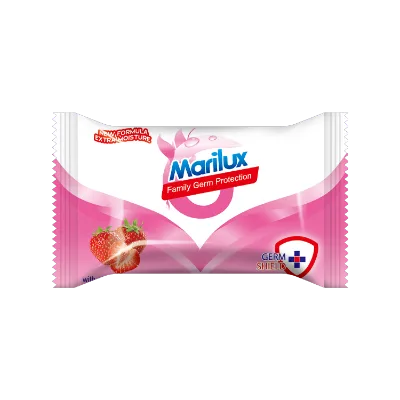
OEM Private Label Natural Organic Fruit Soap Bar Solid Bath Bar for Body Face Hand Cleaning Soap
$0.09 - $0.10
MOQ: 50000 Minimum
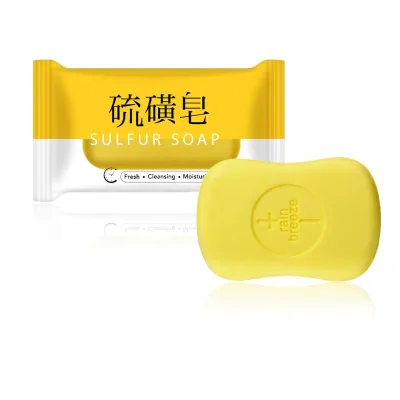

Yangzhou Aplus Amenities International Co., Ltd.
- Verified by TUVRHEINLAND
- Combined
- China Jiangsu
- Lead time30 days
- Avg. response≤ 2h
Main productsHotel Amenity, Hotel Linen, Hotel Slipper, Hotel Soap, Hotel Shampoo, Hotel Shower Gel, Hotel Leather Products, Hotel Resin Tray, Plastic Tube, Plastic Bottle
Main marketsSoutheast Asia/ Mideast,Domestic,North America

Hangzhou Tuhe Commerce Co., Ltd.
- Trading Company
- Zhejiang, China
- Lead time30 days
- Avg. response≤ 4h
Main productskeychain,gift set,hat,flag,sourcing service
Main marketsEastern Europe(60.00%), North America(21.00%), South America(8.00%), Domestic Market(1.00%), South Asia(1.00%), Southern Europe(1.00%), Northern Europe(1.00%), Central America(1.00%), Western Europe(1.00%), Eastern Asia(1.00%), Mid East(1.00%), Oceania(1.00%), Africa(1.00%), Southeast Asia(1.00%)









Comprehensive Sourcing Guide
Handmade Antiseptic Milk Soap Bar Supplier Concentration and Factory Types
Current data indicates manufacturing activity concentrated in specific Chinese provinces, with verified results showing locations in Hunan and Guangdong. These regions host a mix of company types, including Manufacturer/Factory entities and Trading Companies that may also operate as Group Corporations. Buyers should prioritize suppliers explicitly labeled as Manufacturer/Factory when seeking direct production control for handmade antiseptic milk soap bars, as these entities typically manage the cold process and formulation steps internally. The presence of OEM and ODM capabilities in the observed data suggests that many facilities in these clusters are equipped to handle custom branding and specific ingredient requests, such as milk-based formulations or antiseptic additives.
When evaluating the concentration of suppliers, buyers must distinguish between pure manufacturers and trading companies that aggregate products from multiple factories. The observed data includes suppliers with diverse main product lines ranging from soap bars to skin care sets, indicating that some facilities operate as multi-product manufacturers. To identify the correct cluster, buyers should verify the physical address against the claimed location and confirm that the facility possesses the specific machinery for cold process soap making. Relying on general regional knowledge without verifying the specific factory address can lead to engaging with trading companies that add layers of cost and communication delay.
How to Verify Handmade Antiseptic Milk Soap Bar Suppliers
Verification of supplier credibility relies on checking specific third-party audit results and system certifications rather than general claims. The available data shows that some suppliers hold ISO 9001 certification, while others possess GMP or ISO 20000 standards, which are critical for personal care products. A verified status from entities like TUVRHEINLAND provides a higher level of confidence regarding the supplier's operational integrity and quality management systems. Buyers should request current audit reports to confirm that the certification covers the specific production lines for handmade soap bars, ensuring that the antiseptic and milk ingredients are handled according to the certified protocols.
Beyond certifications, buyers must assess the supplier's responsiveness and production capacity to ensure they can meet order requirements. The observed response times vary, with some suppliers showing a response time of approximately 4.04 hours and others around 5.49 hours, which can impact the speed of negotiation and sample approval. It is essential to verify that the supplier's stated capacity includes the specific customization options required, such as private labeling or specific scent profiles. Buyers should also confirm the supplier's ability to provide product evidence, including detailed ingredient lists and production attributes, to ensure the Handmade Antiseptic Milk Soap Bar meets safety and quality expectations before placing a bulk order.
What to Compare Across Handmade Antiseptic Milk Soap Bar Suppliers
Comparing suppliers requires a detailed analysis of key operational metrics such as lead time, minimum order quantity, and pricing structures. The data reveals significant variation in lead times, with some suppliers offering a 15-day turnaround while others require 23 days, directly affecting inventory planning and market launch schedules. Minimum order quantities also differ substantially, ranging from 50 pieces for certain custom soap bars to 1000 pieces for bulk whitening or specialized formulations. Buyers must align these MOQs with their sales volume projections to avoid overstocking or incurring unnecessary per-unit costs, ensuring that the selected supplier can accommodate the desired order size without compromising on price or quality.
Pricing and customization capabilities are equally critical dimensions for comparison, as they define the total cost of ownership and brand flexibility. Observed price ranges for similar handmade soap products span from approximately $0.68 to $2.20 per unit, depending on the complexity of the formulation, packaging, and ingredient quality. Suppliers offering OEM and ODM services allow for greater customization, such as adding specific antiseptic agents or milk extracts, but may have higher MOQs or longer lead times. Buyers should request detailed quotes that break down costs for raw materials, labor, and packaging to understand the value proposition of each supplier, ensuring that the final price reflects the quality of the Handmade Antiseptic Milk Soap Bar and the level of service provided.
Common Handmade Antiseptic Milk Soap Bar Sourcing Risks
One significant risk in sourcing handmade antiseptic milk soap bars involves the inconsistency of ingredient quality and formulation stability. While some product attributes list ingredients like herbal extracts or olive oil, others specify milk or charcoal, and the source of these raw materials can vary widely between suppliers. Without rigorous quality control, the antiseptic properties or the milk content may degrade during production or storage, leading to product failure or safety issues. Buyers must verify that the supplier has strict controls over their ingredient sourcing and can provide batch-specific test results to confirm the efficacy and safety of the antiseptic and milk components in the final product.
Another critical risk is the discrepancy between the claimed production capabilities and the actual output, particularly regarding customization and packaging. Some suppliers list capabilities for OEM and ODM, yet the observed data shows varying levels of detail in product attributes, such as different packing types ranging from tin boxes to paper boxes. If a supplier claims to offer custom logos or specific scents but lacks the necessary equipment or expertise, the final product may not meet brand standards. Buyers should request samples of previous custom work and verify the supplier's ability to maintain consistency across large batches, ensuring that the Handmade Antiseptic Milk Soap Bar remains uniform in appearance, scent, and performance.
Handmade Antiseptic Milk Soap Bar Regional Sourcing and Logistics
Logistics planning must account for the specific geographic locations of suppliers, which are currently identified in provinces like Hunan and Guangdong within China. These regions offer established infrastructure for exporting personal care products, but the distance from the port of loading can impact shipping costs and transit times. Buyers should calculate the total landed cost by factoring in inland transportation from the factory to the port, as well as any potential delays caused by regional logistics bottlenecks. Understanding the specific location of the factory allows for more accurate estimation of shipping durations and helps in selecting the most efficient freight forwarder for the specific route.
In addition to location, buyers must consider the packaging requirements for international shipping to ensure product integrity during transit. The observed data indicates various packaging options, including tin boxes, carton boxes, and paper boxes, each offering different levels of protection against moisture and physical damage. For handmade soap bars, which can be sensitive to humidity and temperature changes, selecting robust packaging is essential to prevent melting or deformation during long-haul shipping. Buyers should verify that the supplier uses appropriate packaging standards, such as the 100g or 120g specifications noted in the data, and confirm that the packaging materials are suitable for the intended market's climate conditions to avoid product loss or damage upon arrival.
Handmade Antiseptic Milk Soap Bar Commercial Terms and Order Planning
Commercial terms and order planning require careful attention to payment structures, delivery schedules, and quality assurance protocols. The observed data shows varying lead times and MOQs, which necessitate a clear agreement on production timelines and delivery dates to avoid delays. Buyers should negotiate terms that include penalties for late delivery and incentives for early completion, ensuring that the supply chain remains reliable. Additionally, understanding the supplier's capacity for handling large orders is crucial, as some suppliers may have limited production lines that could become bottlenecks during peak demand periods.
Quality assurance and compliance with international standards are also vital components of commercial terms, especially for personal care products like handmade antiseptic milk soap bars. Buyers should ensure that the supplier adheres to relevant certifications such as ISO 9001, GMP, or ISO 20000, which provide a framework for consistent quality management. It is important to include clauses in the contract that mandate third-party inspections or pre-shipment testing to verify that the product meets all specified requirements, including ingredient safety and labeling accuracy. By establishing clear commercial terms and robust quality controls, buyers can mitigate risks and ensure a successful partnership with suppliers of handmade antiseptic milk soap bars.
FAQs
What is the typical minimum order quantity for handmade antiseptic milk soap bars?
Suppliers in these results list MOQs ranging from 50 to 1000 pieces depending on the soap product. Smaller handmade bar listings sit at 50 or 100 pieces, while private-label whitening bars require 1000 pieces. Confirm the exact MOQ for your chosen formulation before requesting a quotation, since customization often changes the minimum.
How much does a handmade milk soap bar cost per piece?
Listed unit prices for handmade soap bars range from about 0.68 to 2.20 US dollars, with antiseptic or charcoal milk variants around 0.80 to 1.00. Final pricing depends on ingredients, bar weight such as 100g or 120g, packaging like tin or carton boxes, and order volume, so request itemized quotes.
What lead time should I expect when ordering handmade soap bars from China?
Suppliers in these results report lead times of roughly 15 to 23 days after order confirmation. Actual production time can vary with customization level, packaging choice, and order size. Always confirm the current lead time in writing, and factor in additional shipping time to your destination port or warehouse.
Can I order custom logo or private label milk soap bars?
Yes, customization is widely available. Listings explicitly offer OEM and ODM services, private label options, and custom logo printing on handmade soap bars. You can typically specify ingredients, bar color, fragrance, packaging such as paper boxes or tin boxes, and label design. Ask suppliers to confirm customization fees and sample policies before production.
Which certifications should I verify when sourcing handmade antiseptic soap?
Suppliers in these results hold ISO 9001 or ISO 20000 and GMP system certifications, and some listings mention GMP and MSDS at the product level. Because antiseptic claims can be regulated differently in each market, verify that the supplier's current certificates are valid and check whether your destination country requires additional cosmetic registrations or safety testing.
Where are the main manufacturing hubs for handmade milk soap bars in China?
Suppliers in these results are based in Guangdong and Hunan provinces, with one product listing noting a Guangdong origin. Guangdong suppliers often combine soap production with broader skincare lines, while Hunan suppliers frequently pair soap with labels and packaging products. Consider location when evaluating shipping routes, factory visits, and consolidated orders.
How quickly do handmade soap suppliers usually respond to inquiries?
The suppliers in these results report average response times of about 4 to 5.5 hours. Response speed can vary by time zone, workload, and inquiry complexity. When comparing suppliers, send the same detailed brief including bar weight, fragrance, packaging, and target price to each one so reply quality and speed can be judged fairly.