Source Angel Eyes LED Driving Lights for Cars, Motorcycles, and Trucks
Source Angel Eyes LED Driving Lights from 30 verified suppliers offering customizable options for cars, motorcycles, and trucks. Compare models like 5045A-7 and DE-S-360 with varying wattages and waterproof ratings to find the right fit.
Key considerations
Products List


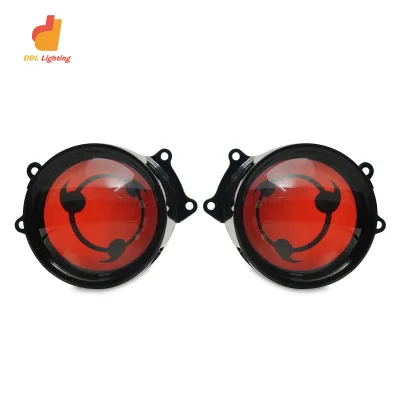


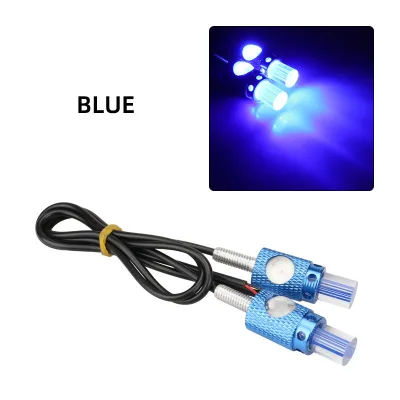


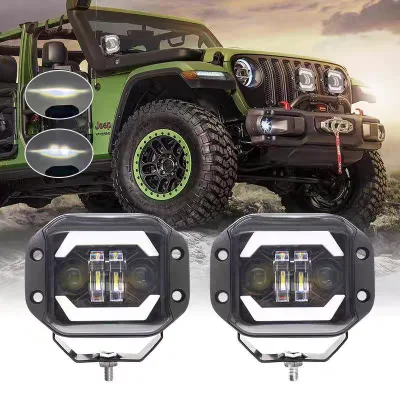


Comprehensive Sourcing Guide
Strategic Sourcing Guide for Angel Eyes LED Driving Lights
The global automotive lighting market has seen a significant shift toward high-efficiency LED solutions, with "angel eyes" driving lights becoming a staple for both OEM upgrades and aftermarket customization. These lights, characterized by their distinctive circular or halo illumination, serve dual purposes: enhancing vehicle aesthetics and improving visibility during low-light conditions. For B2B procurement professionals, sourcing these components requires a disciplined approach that balances technical performance, regulatory compliance, and supply chain reliability. This guide outlines the critical factors buyers must evaluate when sourcing Angel Eyes LED Driving Lights, ensuring that procurement decisions are grounded in verifiable data rather than marketing assertions.
Technical Specifications and Performance Parameters
When evaluating Angel Eyes LED Driving Lights, the primary focus must be on the technical specifications that dictate performance and compatibility. The core component is the light source, which in modern sourcing contexts is almost exclusively LED. Buyers should verify the specific power consumption and voltage requirements of the units. Observed market data indicates a wide range of power ratings, from low-power 5W units designed for subtle accent lighting to high-output 50W systems intended for primary illumination. Voltage compatibility is equally critical; while many systems operate on standard 12V automotive electrical architectures, some advanced units support a broader range of 9-36V to accommodate various vehicle types, including heavy-duty trucks and electric vehicles.
The physical construction of the light assembly also dictates its durability. The shell material is often a critical differentiator. While some premium units utilize alloy shells for superior heat dissipation and structural integrity, other applications may employ soft shell materials or specific plastic composites. The IP rating, which measures ingress protection against dust and water, is a non-negotiable specification for driving lights. Sourcing teams must confirm that the selected units meet the required waterproof standards, with IP67 being a common benchmark for high-performance applications. Additionally, the lamp shade form, often a lens, plays a vital role in light distribution and beam pattern control. Buyers should request detailed optical diagrams to ensure the light output matches the intended application, whether it is for daytime running lights (DRL), turn signals, or auxiliary driving illumination.
Compliance and Certification Verification
Navigating the regulatory landscape is perhaps the most complex aspect of sourcing automotive lighting. Different markets have distinct certification requirements that can block a product from entering a specific region. In the context of Angel Eyes LED Driving Lights, buyers must verify that the supplier holds valid certifications for the target market. Common certifications observed in the industry include CE (Conformité Européenne), RoHS (Restriction of Hazardous Substances), CREE, C-tick, ETL, and UL. These certifications are not merely marketing badges; they represent adherence to safety, electromagnetic compatibility, and environmental standards.
For instance, the CE mark is essential for selling within the European Economic Area, while UL certification is often required for the North American market. The presence of a C-tick indicates compliance with Australian electromagnetic compatibility standards. Procurement teams must treat these certifications as mandatory prerequisites rather than optional features. It is crucial to request current, valid certificates directly from the supplier and verify their authenticity through the issuing bodies. Relying on self-declared compliance without third-party verification introduces significant legal and safety risks. Furthermore, buyers should be aware that specific product models may have different certification statuses; a model compliant for one region may not be compliant for another. Therefore, the certification check must be performed on a per-SKU basis to ensure full market coverage.
Cost Drivers and Pricing Dynamics
Understanding the cost structure of Angel Eyes LED Driving Lights is essential for accurate budgeting and margin analysis. The observed price range in the market is extensive, spanning from $0.30 to $100.00 per unit. This wide variance is driven by several key factors, including the power rating, material quality, and the complexity of the optical design. Lower-priced units often utilize lower wattage LEDs, simpler lens designs, and standard packaging, making them suitable for entry-level aftermarket applications. Conversely, higher-priced units typically feature high-wattage LEDs (such as 40W or 50W models), advanced heat management systems, and premium materials like alloy shells.
The Minimum Order Quantity (MOQ) is another significant cost driver. The market shows an MOQ range from 1 to 1000 units. Buyers with smaller volume requirements may face higher per-unit costs due to the lack of economies of scale, while those capable of committing to larger orders can negotiate more favorable pricing tiers. Customization is a major factor influencing cost as well. Many suppliers offer customization services, allowing buyers to tailor the color, voltage, or specific model features to their brand requirements. However, these customizations often incur additional tooling or setup fees and may increase the lead time. Buyers should also consider the packaging costs; options range from standard cartons to colorful, branded boxes, which can impact the final landed cost.
Typical Applications and Compatibility
Angel Eyes LED Driving Lights are versatile components used across a wide spectrum of automotive applications. The primary use cases include daytime running lights, turn signals, and auxiliary driving lights. The specific application dictates the required specifications. For example, units designed as "Daytime Running Lights" often feature a specific color temperature, such as 6000K, which provides a crisp, white light that mimics natural daylight. Other applications, such as turn signals or warning lights, may require multi-color capabilities, including amber, red, blue, yellow, green, or purple. Some advanced models offer changeable emitting colors, allowing a single unit to serve multiple functions depending on the vehicle's operational mode.
Compatibility with vehicle models is another critical consideration. While many products are marketed as "Universal" or compatible with a wide range of car models, buyers must verify the specific fitment details. Some units are designed for specific vehicle types, such as motorcycles, while others are intended for cars and trucks. The "360 Devil eyes" standard is a specific design configuration often used in aftermarket upgrades to provide a 360-degree illumination effect. Buyers should ensure that the selected model number aligns with the intended vehicle platform. For instance, models like the 5045A-7" or DE-S-360 are specific designations that may correspond to particular mounting dimensions or electrical interfaces. Misalignment in compatibility can lead to installation failures and increased return rates.
Supplier Evaluation and Quality Assurance
Selecting the right supplier is paramount to the success of any procurement strategy. Given the technical complexity of LED lighting, buyers should prioritize suppliers with a proven track record in automotive electronics. The origin of the products is a significant indicator of supply chain maturity; many high-quality units originate from manufacturing hubs in China, particularly in regions like Guangdong, where the automotive lighting industry is concentrated. However, the location alone is not a guarantee of quality. Buyers must evaluate the supplier's quality control processes, including their approach to testing and inspection.
Key quality indicators include the condition of the products (typically "New"), the consistency of the manufacturing process, and the availability of technical support. Suppliers should be able to provide detailed product data sheets that confirm the specifications, such as the 12V or 9-16V voltage ranges, and the specific current ratings (e.g., 20W, 30W, 40W). Additionally, the supplier's ability to handle customization requests is a valuable asset. A capable supplier will offer flexible packaging options, such as color boxes or standard cartons, and can accommodate specific branding requirements. Buyers should also assess the supplier's responsiveness to inquiries and their willingness to provide samples for pre-production testing.
Long-Term Procurement Considerations
Sourcing Angel Eyes LED Driving Lights is not a one-time transaction but a long-term partnership that requires ongoing management. Buyers must consider the lifecycle of the products, including the availability of spare parts and the potential for future upgrades. The automotive industry is rapidly evolving, and lighting technologies are no exception. Suppliers who invest in research and development are more likely to offer innovative solutions that keep buyers ahead of the competition. Furthermore, the stability of the supply chain is crucial. Buyers should assess the supplier's ability to maintain consistent production levels and meet lead time commitments, especially during peak demand periods.
Another long-term consideration is the scalability of the partnership. As the buyer's business grows, the supplier must be able to scale production accordingly without compromising quality. This often involves negotiating volume-based pricing tiers and establishing clear communication channels for order management. Buyers should also plan for potential regulatory changes that may affect the certification requirements of their products. A proactive supplier will keep buyers informed about upcoming regulatory shifts and assist in transitioning to compliant products. By focusing on these long-term factors, buyers can build a resilient supply chain that supports sustained growth and market competitiveness.
Comparative Analysis of Product Attributes
To facilitate decision-making, buyers can utilize a comparative analysis of key product attributes. The following table summarizes the observed variations in specifications, certifications, and applications found in the market. This comparison highlights the diversity of options available and underscores the importance of matching specific requirements to the correct product model.
| Attribute | Observation Range | Critical Verification Point |
|---|---|---|
| Power Rating | 5W to 50W | Match to vehicle electrical system capacity |
| Voltage | 9-16V, 12V, 9-36V | Ensure compatibility with target vehicle battery |
| IP Rating | IP67 (Common) | Verify waterproofing for intended environment |
| Certifications | CE, RoHS, UL, ETL, C-tick | Confirm validity for target export markets |
| Material | Alloy, Soft Shell, Plastic | Assess durability and heat dissipation needs |
| Color Options | White, Amber, Red, Blue, etc. | Select based on regulatory and aesthetic requirements |
| Application | DRL, Turn Signal, Motorcycle | Verify fitment for specific vehicle models |
| Origin | China (Guangdong, etc.) | Evaluate logistics and supply chain stability |
This structured approach to sourcing ensures that buyers can navigate the complexities of the Angel Eyes LED Driving Lights market with confidence. By focusing on technical specifications, compliance, cost drivers, and supplier reliability, procurement professionals can secure high-quality products that meet the demands of their customers while maintaining operational efficiency.
FAQs
What certifications are available for Angel Eyes LED Driving Lights?
Available certifications include CREE, CE, C-tick, ETL, RoHS, and UL. Buyers must verify specific model compliance for their target export markets, as certifications vary by SKU and region rather than applying universally to all listed products.
Which voltage ranges support these motorcycle and car lights?
Voltage options range from 9-16V, 12V, to 9-36V depending on the model. Ensure compatibility with your vehicle's electrical system, as some units are designed for standard 12V architectures while others support broader ranges for heavy-duty trucks.
Can I customize the color and packaging for these lights?
Customization is available for colors like white, amber, red, blue, and yellow, as well as packaging types. Suppliers offer options ranging from standard cartons to colorful boxes, though specific customization requests may affect lead times and minimum order quantities.
What is the typical power consumption for these LED units?
Power ratings vary significantly from 5W to 50W based on the specific application and model. Lower wattage units suit accent lighting, while higher wattage models provide primary illumination, requiring careful selection to match vehicle electrical capacity.
How do I verify the waterproof rating for outdoor use?
Many units feature an IP67 waterproof rating, suitable for harsh outdoor conditions. Buyers should confirm the specific IP rating for each model, as this specification is critical for ensuring durability against dust and water ingress in driving applications.
Which materials are used for the light shell construction?
Shells are constructed from materials such as alloy or soft shell LED light composites. Alloy shells offer superior heat dissipation and structural integrity, while other materials may be selected for specific cost or weight requirements in different vehicle applications.
What is the origin location for these automotive lighting products?
Products originate from China, with manufacturing hubs concentrated in regions like Guangdong. This location indicates a mature supply chain for automotive electronics, though buyers should still evaluate individual supplier quality control processes for specific orders.