Source Angelica Sinensis Dong Quai Root for Health Food, Medicine, and Care
Compare 30 verified listings for Angelica Sinensis Dong Quai Root from Chinese manufacturers. Buyers can review extraction methods, assay standards, and packaging options for health food, medicine, and care applications; compare the available evidence and request quotations based on your requirements.
Key considerations
Products List
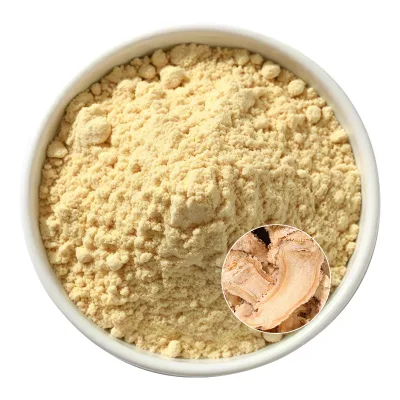


Traditional Herb Angelica Sinensis Ligustilide Dong Quai Powder Angelica Extract
$16.00 - $25.00
MOQ: 1 kilograms

Chinese Angelica Extrat Dong Quai Root Extract Sinensis Dong Powder Ligustilide
$15.00 - $30.00
MOQ: 1 kilogram


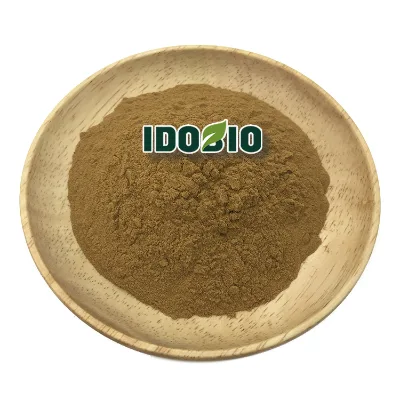
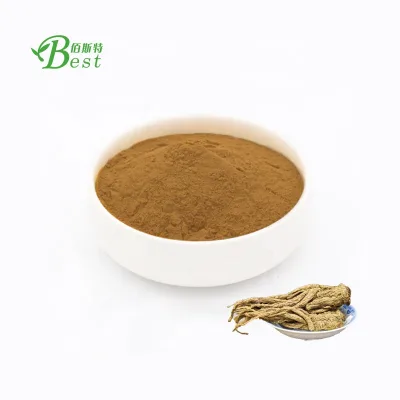


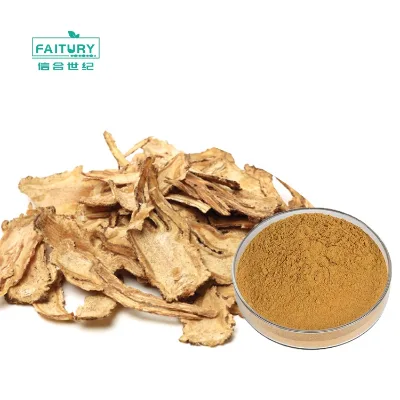
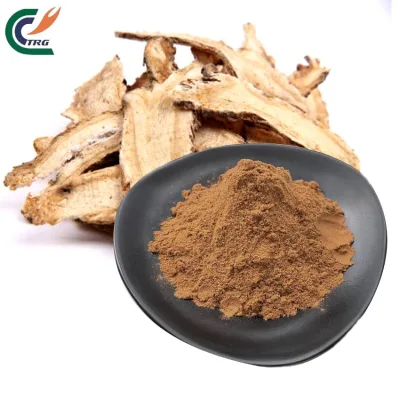
Chinese Traditional Aromatic Herb Angelica Sinensis Extract Dong Quai Root Extract Powder
$12.00 - $16.00
MOQ: 1 kilograms
Comprehensive Sourcing Guide
Angelica Sinensis Dong Quai Root Sourcing Guide
Angelica sinensis, widely known as dong quai, is a traditional botanical whose root is processed into concentrated extracts for health food and supplement manufacturing. B2B buyers sourcing this ingredient encounter listings spanning simple powders to standardized extracts with defined ratios and marker compound levels. This guide organizes the procurement decision into seven practical areas: product scope, technical verification, compliance documentation, commercial terms, supplier qualification, and ongoing quality checks after initial orders.
The guidance below draws on observed marketplace listings and established category practices for herbal extracts. Because listings vary widely in how they present specifications, certifications, and terms, buyers should treat every product page as a starting point for structured verification rather than a complete technical dossier. The sections that follow identify which attributes matter most at each stage of the sourcing cycle, from first sampling through repeat production orders, so that quality risks and commercial surprises are addressed before contracts are signed.
Product Scope and Observed Listing Signals
Listings for Angelica Sinensis Dong Quai Root extract consistently describe a brown powder derived from the root through solvent extraction. Observed products are positioned for health food, health care products, and food applications, with application forms spanning capsules, tablets, paste, suppository, and lotion. Extraction ratios listed include 10:1, 20:1, and 30:1, and one listing cites standards of 1.0% ligustilide and 10% polysaccharides. Buyers should map these presentation formats to their own dosage forms before shortlisting.
Additional listing signals help buyers interpret supplier positioning. Model numbers frequently name the botanical directly, brands identified include Durlevel, and origins cited include Shanxi and Changsha, Hunan, in China. Packaging is described in 1kg bags and 25kg drums, with storage in a cool, dry place and a 24-month shelf life. The observed price range runs from roughly $5 to $68 and MOQs from 1 unit to 1000, indicating a market that serves both sampling buyers and bulk manufacturers. Treat these attributes as observations of individual listings, not guarantees across all offers.
Technical Specifications to Verify
The core technical conversation with any supplier concerns standardization. Because listings show multiple formats—ratio extracts at 10:1, 20:1, and 30:1 alongside marker-based standards such as 1% or 1.5% ligustilide and polysaccharide content—buyers must decide which specification basis matches their formulation. A ratio extract describes concentration relative to raw herb, while a marker-compound specification describes active content. Confirm which basis the certificate of analysis actually reports, and request the assay method used, since listings cite UV, HPLC, and TLC in different combinations.
Beyond standardization, verify physical and processing attributes that affect manufacturability. Request particle size distribution, moisture content, and flow characteristics appropriate to capsule or tablet lines. Confirm the extraction solvent type used, since solvent extraction is the listed method, and ensure residual solvent limits meet your destination market's requirements. Ask for batch-specific certificates rather than typewritten specification sheets, and confirm that the appearance—brown powder—aroma described as characteristic, and taste profile remain consistent across production lots, since variation here often signals raw herb inconsistency.
Compliance and Safety Documentation
Certification claims observed in listings include ISO9001, ISO, HACCP, FDA registration, Halal, Kosher, and Organic. Buyers should request copies of current certificates, verify issuing bodies, and confirm scope covers the specific extract product rather than only the facility. Note that FDA references in listings may indicate facility registration rather than product approval, so clarify exactly what the claim means. For destination markets with botanical ingredient regulations, confirm the extract's permitted status and any labeling obligations before committing to purchase volumes.
Safety documentation should extend beyond certificates to contaminant testing. Request heavy metals, pesticide residues, microbial limits, and residual solvent results for recent production batches, even where a listing does not display them. For health food grade material destined for capsules or tablets, documentation traceability from raw root to finished powder strengthens audit readiness. Artificial planting is the cited cultivation method, which buyers should confirm alongside any pesticide control program applied at the farm or collection level. Keep documented acceptance criteria in your purchase agreement so incoming inspection has an objective basis for release or rejection.
Cost Drivers and Commercial Terms
Price variation in observed listings—roughly $5 to $68—reflects real differences in standardization level, extraction ratio, batch size, and packaging. Higher ratios and marker-standardized materials command premiums over simple ground or low-ratio powders, and certification combinations such as organic plus Kosher add audit costs that pass into pricing. When comparing quotes, normalize to the same specification basis and packaging format; a lower headline price on an unstandardized powder is not equivalent to a higher price on a 30:1 extract with ligustilide assay.
Commercial terms to settle early include MOQ, packaging configuration, and delivery. Observed MOQs span from 1 kg—supporting sampling and pilot runs—to 1000 units for finished-format buyers, and quoted delivery times in listings run 3 to 5 days for stocked items. Confirm whether lead times quoted assume in-stock material or production runs, since extraction batches scheduled on demand will extend timelines. Clarify Incoterms, payment conditions, and whether custom specifications or private packaging incur tooling or minimum-order premiums. Customization is listed as available, so negotiate these terms with realistic volume commitments.
Supplier Qualification and Quality Control
Qualify suppliers through a structured review rather than listing claims alone. Start with documentation: business licenses, certificate scopes, and third-party audit reports where available. Then test the sample pathway—listings indicate samples are available and in some cases free—so order samples from two or three shortlisted suppliers and compare them against your specification for appearance, assay, and flow behavior. A supplier confident in its quality system will provide batch-specific test data with samples without hesitation.
For ongoing production, establish a defined QC protocol covering identity testing, assay verification against the agreed standard, and contaminant screening on incoming lots. Retain reference samples from each accepted batch to support dispute resolution. Suppliers citing production sites in Shanxi or Hunan should be asked about their botanical sourcing chain and batch traceability from harvested root to packaged extract. Where volumes justify it, schedule an on-site or third-party audit of extraction and drying operations. These steps convert listing claims into verified capabilities and create the evidence base for regulatory inspections downstream.
Long-Term Procurement Checks
After initial orders, monitor consistency as the primary long-term risk. Seasonal variation is normal in botanical raw materials—listings note all-seasons availability, but harvest cycles still influence phytochemical content—so track assay results across lots and flag drifting trends early. Require advance notification of changes in raw material origin, extraction parameters, or specification basis, since silent process changes are a common source of formulation surprises. Annual requalification of certificates keeps documentation current as certifications expire or scopes change.
Build contractual protections for the relationship's later stages. Agree on retest and rejection procedures, root-cause expectations for out-of-specification lots, and corrective action timelines. Revisit pricing periodically against specification and volume changes rather than accepting automatic escalations. For buyers using dong quai extract in capsules, tablets, or other health food formats, maintain a qualified second source once volumes stabilize, using the same verification protocol applied to the incumbent. This preserves supply continuity and negotiating position while ensuring that quality standards, not habit, govern every reorder decision.
FAQs
What is the standard extraction ratio for Angelica Sinensis extract?
The standard extraction ratios are 10:1, 20:1, and 30:1. These specifications indicate the concentration of the root material into powder form. Buyers can select the ratio that best fits their formulation needs for health food or capsule applications.
Can I request a free sample before placing a bulk order?
Yes, free samples are available for evaluation. This allows buyers to verify the brown powder appearance and characteristic flavor before committing to larger quantities. Sample support ensures quality alignment with your specific health care product requirements.
What certifications are provided for this herbal extract product?
The product holds ISO9001, Halal, Kosher, Organic, HACCP, and FDA certifications. These credentials ensure compliance with international safety and quality standards. Such documentation supports global sourcing requirements for food and medicine applications.
How is the Angelica Powder packaged for shipping and storage?
Packaging options include bottles, cans, drums, plastic containers, and vacuum packing. Standard packages are 1kg per bag or 25kg per drum. The product requires storage in a cool, dry place to maintain its two-year shelf life effectively.
What is the minimum order quantity for this Dong Quai extract?
The minimum order quantity is 1 kg. This low MOQ allows buyers to test the product with minimal initial investment. It supports flexible procurement strategies for small batches or specific formulation testing needs in health care products.
Where is the production site located for this herbal extract?
The production site is located in Changsha, Hunan, China, with the place of origin listed as Shanxi. This geographic information helps buyers assess logistics and supply chain reliability. The artificial planting method ensures consistent root quality.