Source Angel Carved White Bird Feeder for Home, Garden, and Gift
Compare 30 Angel Carved White Bird Feeder options from verified suppliers in China. Buyers can evaluate solid wood and metal models with custom colors, sizes, and carving details for personal decoration, feeding, or collection purposes.
Key considerations
Products List


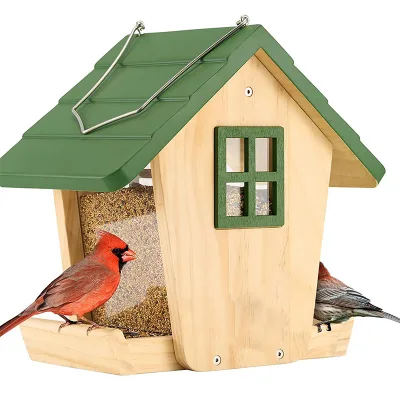
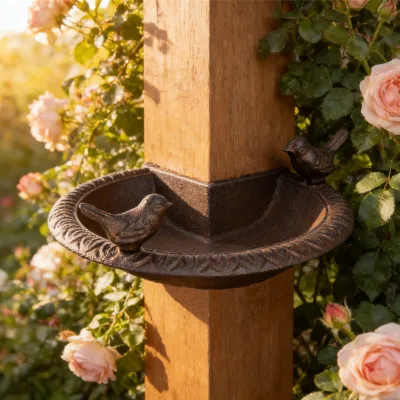
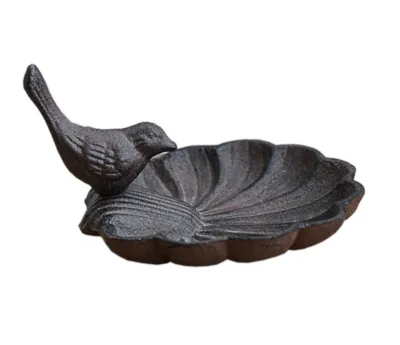
Elegant Handcrafted Rustic Style Garden Decor Bird Feeder for Wild Birds
$0.50 - $2.00
MOQ: 1000 Pieces


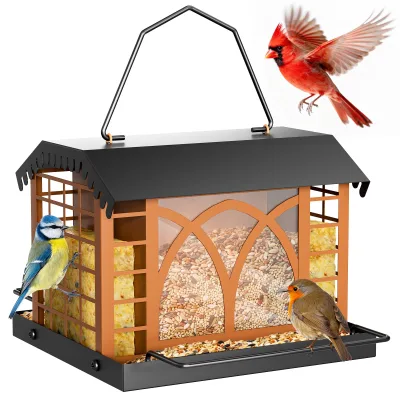
Modern Minimalist Wholesale Garden Ornaments Bird Feeder Custom Designs
$0.50 - $2.00
MOQ: 1000 Pieces




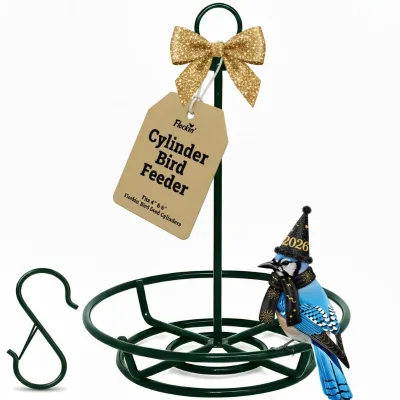
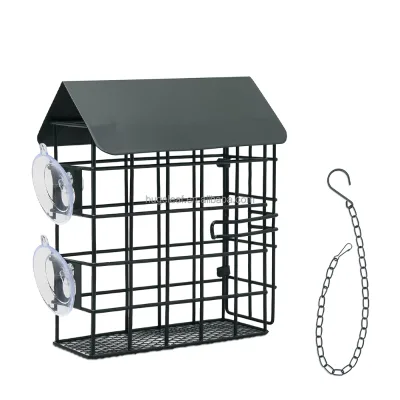
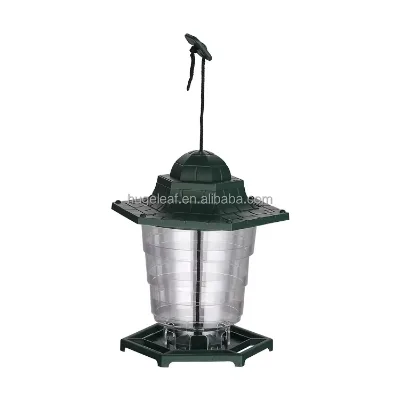

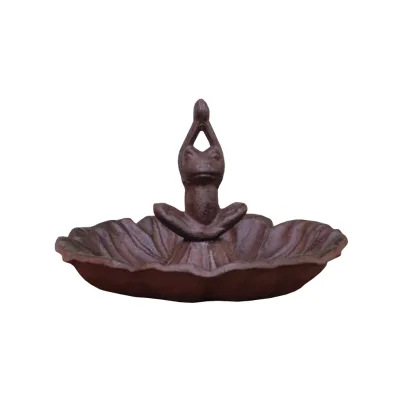
Comprehensive Sourcing Guide
Strategic Sourcing Guide for Angel Carved White Bird Feeders
The procurement of specialized garden ornaments, specifically the Angel Carved White Bird Feeder, requires a nuanced approach that balances aesthetic precision with functional durability. Buyers entering this market segment must navigate a landscape where artistic craftsmanship intersects with outdoor utility. The core keyword suggests a product that combines religious or decorative iconography (the angel) with a functional purpose (the bird feeder), likely featuring intricate carving details and a specific white finish. Sourcing this item effectively demands a rigorous understanding of material properties, customization capabilities, and the specific compliance standards that govern decorative goods intended for outdoor use. This guide provides a structured framework for evaluating potential suppliers and ensuring the final product meets both design expectations and operational requirements.
Technical Specifications and Material Composition
The physical attributes of an Angel Carved White Bird Feeder are the primary determinants of its longevity and visual appeal. Based on available market data, the material composition for such items often varies between solid wood and metal, each offering distinct advantages. Solid wood products, particularly those utilizing natural timber, are frequently highlighted for their environmental friendliness and traditional aesthetic. These items often undergo specific processing techniques, such as carving, to achieve the detailed relief work required for angelic figures. The surface treatment is equally critical; options like PU varnish or lacquer are commonly applied to protect the natural wood from moisture and UV degradation, ensuring the white finish remains vibrant over time.
Conversely, metal-based feeders offer a different set of characteristics, often featuring painted surfaces that can be customized to specific color requirements. The manufacturing process for metal variants may involve hand-making techniques to ensure the structural integrity of the feeding tray and the stability of the angel figure. When evaluating technical specifications, buyers must verify the exact dimensions, as these can range significantly depending on the model. For instance, specific models in the market have been observed with dimensions around 12.522.326.5cm, though custom sizing is a prevalent feature. The shape of the product is another critical specification; while the core design is an angel, the overall form may be categorized as a sculpture, a box, or a functional feeder. Buyers should explicitly confirm whether the "white" finish is a standard natural wood tone, a painted lacquer, or a specific custom color request, as the market supports a wide range of color customization options.
Compliance, Certification, and Safety Standards
For products intended for outdoor decoration and potential interaction with wildlife, compliance with safety and quality standards is non-negotiable. The market data indicates that reputable suppliers often adhere to a robust set of certifications, including CE, EN71-3, RoHS, and ASTM. These standards are particularly relevant for items that might be perceived as toys or decorative objects that could come into contact with children or pets, although the primary function is feeding birds. The EN71-3 standard, for instance, specifically addresses the migration of certain elements in toys, which can be a relevant benchmark for the safety of paints and varnishes used on the feeder.
Furthermore, the "Grade A" classification often cited in product descriptions suggests a high threshold for quality control regarding material defects and finish consistency. Buyers must verify that the supplier can provide valid certificates for these standards, rather than relying on generic claims. The presence of certifications like SGS and CE indicates that the product has undergone third-party testing for safety and quality. It is also important to note that while some suppliers may claim adherence to ISO 27001:2022, this standard relates to information security management and is less relevant to the physical manufacturing of bird feeders; therefore, buyers should prioritize physical product certifications over administrative ones. When sourcing, the verification of these documents should be a mandatory step in the supplier evaluation process to ensure that the finished product is safe for use and compliant with international trade regulations.
Cost Drivers and Pricing Dynamics
Understanding the cost structure of angel carved white bird feeders is essential for budgeting and negotiation. The observed price range in the market spans from approximately $0.50 to $6.46 USD per unit, a wide variance that reflects differences in material quality, production complexity, and order volume. The primary cost drivers include the raw material source, with solid wood generally commanding a higher price point than metal alternatives due to the scarcity of high-quality timber and the labor-intensive nature of carving. The "Natural" attribute of wood products often correlates with a higher cost, as it implies the use of untreated or minimally processed materials that require careful selection.
Labor costs are another significant factor, particularly for items described as "Hand-Made" or featuring intricate carving. The "Fashion" style and "Human" shape attributes suggest a high level of artistic detail, which increases the time required for production and thus the unit cost. Additionally, the customization of color and size plays a pivotal role in pricing. While standard models may fall within the lower end of the price spectrum, custom orders involving specific color requests or unique dimensions will incur additional charges. The Minimum Order Quantity (MOQ) also influences the effective cost per unit, with observed ranges between 200 and 2000 units. Suppliers often offer tiered pricing, where larger orders reduce the per-unit cost, making it crucial for buyers to align their inventory needs with the supplier's MOQ policies to optimize expenditure.
Typical Applications and Usage Scenarios
The versatility of the Angel Carved White Bird Feeder extends beyond simple utility, serving multiple roles in various settings. The primary application is clearly defined as "Feeding," making it a functional tool for attracting and sustaining local bird populations. However, the product's design attributes, such as "Personal Decoration," "Collection," and "Home Decoration," indicate a strong secondary market as a garden ornament. The "Religion Gifts" and "Commerce Gifts & Decoration" categories suggest that these items are also popular as thematic gifts for religious events, holidays, or corporate promotional activities.
The "Outdoor" suitability is a key specification, implying that the product is engineered to withstand environmental elements. This makes it ideal for residential gardens, public parks, and commercial landscaping projects. The "Eco friendly" and "Environmental-Friendly" attributes further enhance its appeal to environmentally conscious consumers and organizations looking to promote sustainability. Whether used as a "Daily Use" item in a home garden or as a "Holiday Gift," the product's ability to blend functionality with aesthetic appeal makes it a versatile addition to any outdoor space. Buyers should consider the specific context of their end-users when selecting a model, as the "Multicolor" or "Natural" finish options may align better with different design themes.
Supplier Evaluation and Selection Criteria
Selecting the right supplier is a critical step in the procurement process, requiring a thorough assessment of their capabilities and reliability. The market data points to suppliers located in key manufacturing hubs such as Ningbo, Zhejiang, and other parts of China. These regions are known for their expertise in woodworking and metal fabrication. When evaluating potential partners, buyers should look for evidence of "Customization" capabilities, as the ability to tailor the product to specific needs is a significant competitive advantage. Suppliers that offer "Export Standard Carton" packaging demonstrate a commitment to protecting the product during transit, which is vital for maintaining the integrity of delicate carved items.
The "Brand Name" and "Model Number" details provided by suppliers can serve as indicators of their experience and product range. For instance, models like JH-W476 or LGT3502 suggest a structured product line with specific designations. Buyers should verify the supplier's track record in handling "Small Orders" if their initial volume is low, as some suppliers may be more flexible than others. The "Advantage" of being "Environmental-Friendly" should be substantiated by the supplier's sourcing practices and material choices. Additionally, the "Processing" method, whether "Carving" or "Hand-Made," should be verified to ensure it aligns with the desired quality level. A supplier that can provide samples and demonstrate their craftsmanship in person or through detailed imagery is preferable to one that relies solely on generic descriptions.
Quality Control and Long-Term Procurement Considerations
Maintaining consistent quality over time is essential for building a reliable supply chain. The "Surface Treatment" of the product, such as "Painted" or "Lacquer" finishes, must be durable enough to resist fading and peeling under outdoor conditions. Quality control measures should include rigorous inspection of the carving details to ensure that the "Angel" figure is accurately represented and free from structural flaws. The "General Use" as "Home" or "Commerce" implies that the product must meet high standards of finish and assembly.
For long-term procurement, buyers should establish clear communication channels regarding "Customization" requests and "Color" variations. The ability to maintain consistency in the "Natural" or "White" finish across multiple production runs is a key indicator of a supplier's quality control systems. Buyers should also consider the "Packing" standards, ensuring that the "Export Standard Carton" is robust enough to prevent damage during shipping. Finally, the "MOQ" and "Lead Time" should be factored into the procurement strategy to ensure timely delivery and inventory management. By focusing on these aspects, buyers can secure a steady supply of high-quality angel carved white bird feeders that meet their specific requirements and satisfy their end customers.
FAQs
What materials are used for angel carved white bird feeders?
Solid wood and metal are the primary materials used for these feeders. Solid wood options often feature natural finishes with PU varnish, while metal variants typically have painted surfaces to ensure durability and aesthetic appeal in outdoor settings.
Can the color and size of the bird feeder be customized?
Yes, both color and size can be customized to meet specific buyer requirements. Suppliers offer multicolor options and various dimensions, allowing for tailored designs that fit different garden spaces or decorative themes while maintaining the core angel carving style.
Which certifications do these bird feeders typically hold?
Reputable products often hold CE, EN71-3, RoHS, and ASTM certifications. These standards ensure safety and quality, particularly regarding the paints and varnishes used, making the feeders suitable for outdoor use and compliant with international trade regulations.
How much does an Angel Carved White Bird Feeder cost?
The price range typically spans from 0.50 to 6.46 USD per unit. Costs vary based on material quality, such as solid wood versus metal, and the level of customization required for size, color, or specific carving details.
What is the minimum order quantity for these feeders?
The minimum order quantity generally ranges between 200 and 2000 units. Some suppliers may accept smaller orders, but larger volumes often reduce the per-unit cost, making it essential to align inventory needs with supplier policies.
Where are these bird feeders manufactured?
Manufacturing primarily occurs in Ningbo and Zhejiang, China. These regions are known for expertise in woodworking and metal fabrication, ensuring high-quality production standards for both carved wooden and metal bird feeder designs.
Can small orders be accepted for these feeders?
Yes, some suppliers accept small orders to accommodate diverse buyer needs. This flexibility allows buyers to test the market or fulfill smaller project requirements without committing to the standard higher minimum order quantities immediately.