Source Whitening Moisturizing Face Cream for Dry Skin, Anti-Aging, and Firming
Explore 30 Whitening Moisturizing Face Cream options from verified suppliers. Compare specifications, certifications, and pricing for dry skin, anti-aging, and firming needs to find the right product for your business; compare the available evidence and request quotations based on your requirements.
Key considerations
Products List


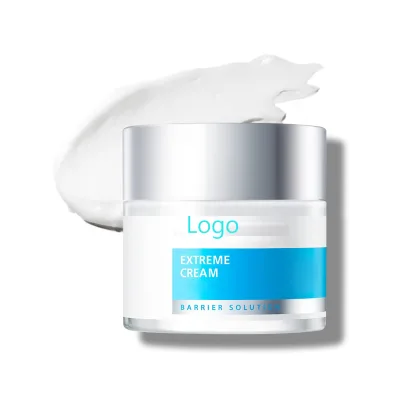


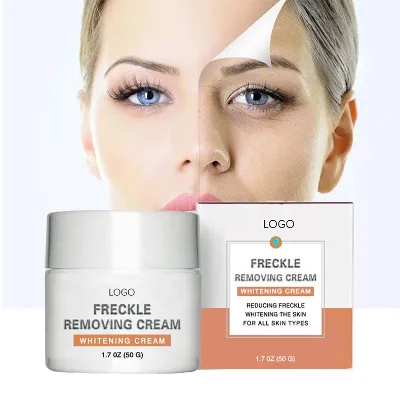
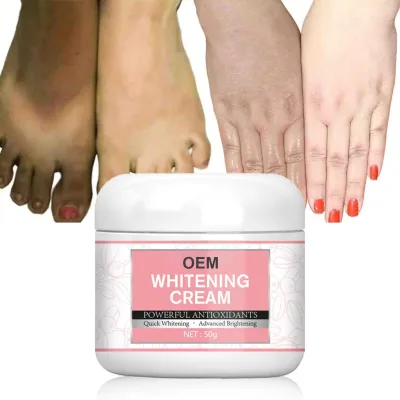


Comprehensive Sourcing Guide
Whitening Moisturizing Face Cream Sourcing Guide
Sourcing Whitening Moisturizing Face Cream requires a disciplined approach to balancing cosmetic efficacy with regulatory compliance. Buyers must navigate a market where product claims range from basic hydration to advanced skin revitalization, often supported by multiple certification standards. The observed supply landscape indicates a high degree of customization, with manufacturers offering OEM and ODM services to tailor formulations for specific regional markets. This flexibility allows brands to differentiate their offerings, but it also necessitates rigorous verification of ingredient lists and manufacturing processes to ensure consistency and safety across batches.
Procurement decisions should be grounded in clear technical specifications and verified commercial terms. The available data suggests a wide variance in packaging formats, from standard cartons to customized dimensions, which directly impacts logistics and storage costs. Furthermore, delivery timelines vary significantly, ranging from rapid turnaround options to longer production cycles, requiring careful inventory planning. Buyers must prioritize suppliers who provide transparent documentation regarding shelf life, origin, and shipping methods to mitigate supply chain disruptions and ensure that the final product meets both quality expectations and regulatory requirements in the destination market.
Product Scope and Observed Listing Signals
The current market for Whitening Moisturizing Face Cream encompasses a diverse array of product types, primarily categorized as creams and moisturizers designed for facial application. Observed listings highlight key functional attributes such as skin whitening, lightening, firming, and anti-aging benefits, often targeting women and all age groups with suitable formulations for dry skin. The primary ingredients frequently include glycerin, which serves as a foundational moisturizing agent, while other variants may incorporate vitamin C or specialized botanical extracts to enhance the whitening effect. These products are typically presented in white cream form, emphasizing their cosmetic purity and intended use for daily skincare routines.
Packaging and presentation play a crucial role in the procurement process, with suppliers offering various container sizes such as 30g, 40g, and 50g options. The observed data indicates that products are often packed in cartons, with specific dimensions and quantities per carton provided for logistical planning. Some listings specify customized packaging solutions, allowing buyers to align the product appearance with their brand identity. Additionally, the market signals a global reach, with products originating from manufacturing hubs in China, particularly Guangzhou, Guangdong, indicating a mature supply chain capable of supporting international distribution networks and diverse market demands.
Technical Specifications to Verify
Verifying technical specifications is essential to ensure that the Whitening Moisturizing Face Cream meets the desired performance criteria. Buyers should confirm the exact product model numbers, such as VC-05 or LB-03, which may correspond to specific formulation profiles or packaging configurations. It is critical to validate the shelf life, which has been observed to range from three to four years, ensuring that the product remains stable and effective throughout its distribution cycle. Additionally, the weight per carton, noted as 23kg or 33kg, must be verified to accurately calculate shipping costs and warehouse storage requirements, preventing unexpected logistical expenses.
The application method and timing are also key technical factors to consider. Some products are formulated for night use, focusing on repair and regeneration, while others are designed for daytime application, offering protection and immediate moisturizing benefits. Buyers must ensure that the product form is consistently described as a cream, which typically offers a richer texture suitable for dry skin types. Furthermore, the area of application should be explicitly confirmed as the face, avoiding confusion with body creams that may have different viscosity or ingredient concentrations. Clear specification alignment prevents mismatched orders and ensures that the final product delivers the intended user experience.
Compliance and Safety Documentation
Compliance with international standards is a non-negotiable aspect of sourcing Whitening Moisturizing Face Cream. The observed listings indicate that suppliers often provide certifications such as MSDS, CE, FDA, GMP, and SGS, which serve as critical indicators of manufacturing quality and safety. Buyers must verify the validity and scope of these certifications, ensuring they cover the specific product lines and manufacturing facilities involved. The presence of ISO9001:2008 standards, although noted with lower confidence, suggests a commitment to quality management systems, but buyers should request current documentation to confirm ongoing compliance and adherence to updated regulatory frameworks.
Safety data sheets and ingredient disclosures are vital for risk management and market entry. The Material Safety Data Sheet (MSDS) provides essential information on handling, storage, and potential hazards, which is crucial for logistics and regulatory submissions in various countries. Buyers should also verify the product origin, with Guangzhou, Guangdong, China, being a common source, to assess the reliability of the supply chain and the consistency of quality control measures. Ensuring that all documentation is up-to-date and legally valid in the target market prevents customs delays and protects the brand from potential liability issues related to product safety and efficacy claims.
Cost Drivers and Commercial Terms
Cost structures for Whitening Moisturizing Face Cream are influenced by several commercial variables, including minimum order quantities (MOQ) and customization levels. The observed MOQ ranges from as low as one unit to as high as 30,000 units, with specific listings indicating MOQs of 192 or 384 pieces, which can significantly impact initial investment and inventory risk. Buyers must negotiate terms that align with their sales volume and market penetration strategy, considering whether the supplier offers flexible MOQs for trial orders or requires larger commitments for discounted pricing. Understanding these thresholds is crucial for financial planning and cash flow management.
Delivery times and shipping methods are additional cost drivers that affect the total landed cost of the product. Lead times vary widely, with some suppliers offering normal delivery in 3-7 days, while others require 15-55 days, depending on production schedules and order volume. Shipping options such as UPS, FedEx, DHL, sea, and air freight provide flexibility but come with varying costs and transit times. Buyers should evaluate the trade-off between speed and cost, selecting the most appropriate logistics solution based on urgency and budget. Clear agreement on these terms prevents misunderstandings and ensures that the supply chain operates smoothly and predictably.
Supplier Qualification and Quality Control
Supplier qualification is a critical step in mitigating procurement risks for Whitening Moisturizing Face Cream. Buyers should assess the supplier’s capability for OEM and ODM services, which indicates their ability to customize formulations and packaging to meet specific brand requirements. It is important to verify the supplier’s production capacity and quality control processes, ensuring that they can maintain consistency across large orders. The observed data suggests that many suppliers are located in established manufacturing regions, which may offer advantages in terms of infrastructure and skilled labor, but buyers must conduct due diligence to confirm operational reliability and ethical manufacturing practices.
Quality control measures should be explicitly defined in the procurement agreement, including pre-shipment inspections and batch testing protocols. Buyers should request samples to evaluate the product’s texture, scent, and efficacy before placing large orders. Additionally, verifying the supplier’s ability to provide detailed product specifications, such as weight per carton and packaging dimensions, ensures that the product meets logistical requirements. Establishing a clear communication channel for addressing quality issues and returns is also essential, as it facilitates quick resolution of any discrepancies and maintains the integrity of the supply chain.
Long-Term Procurement Checks
Long-term procurement success depends on continuous monitoring of supplier performance and market trends. Buyers should regularly review supplier certifications and compliance documentation to ensure ongoing adherence to regulatory standards, as these requirements can evolve over time. Establishing a periodic audit schedule, whether on-site or through third-party agencies, helps maintain quality standards and identifies potential issues before they impact production. Additionally, tracking changes in ingredient sourcing and manufacturing processes allows buyers to anticipate shifts in product quality or cost, enabling proactive adjustments to procurement strategies.
Building a resilient supply chain involves diversifying suppliers and maintaining strong relationships with key partners. Buyers should explore multiple sourcing options to reduce dependency on a single supplier and mitigate the risk of disruptions. Regular communication and collaboration with suppliers can lead to improved product offerings and better commercial terms over time. Furthermore, staying informed about global market dynamics and consumer preferences ensures that the Whitening Moisturizing Face Cream remains competitive and relevant. By implementing these long-term checks, buyers can sustain a reliable and efficient procurement process that supports business growth and customer satisfaction.
FAQs
Can Whitening Moisturizing Face Cream be customized with my own branding?
Yes, customization is available for Whitening Moisturizing Face Cream. Listings show ODM and OEM service options, with customized packing offered alongside standard carton packing. Typical tube sizes include 30g, 40g, and 30g/50g models. Confirm artwork requirements, packaging format, and minimum order quantity directly with the supplier before placing a trial order.
What certifications do these Whitening Moisturizing Face Cream products have?
Certifications listed across products include MSDS, CE, FDA, GMP, and ISO9001:2008, with SGS also referenced under product standards. Certification coverage varies by individual listing, so verify which documents apply to the specific item you select. Ask suppliers for current certificates before ordering, since requirements differ by destination market.
Which sizes are available for Whitening Moisturizing Face Cream?
Available sizes include 30g, 40g, and 30g/50g tube models, plus a VC-05 model specified at 50ML per piece. Size choice affects carton configuration; one listing packs 192 pieces per carton at 59cm by 44cm by 30cm, another packs 384 pieces. Choose size based on your target retail format and shipping volume.
What is the typical delivery time for Whitening Moisturizing Face Cream orders?
Delivery times listed range from 15 to 55 days, with one supplier noting normally 3 to 7 days, likely for stock or small orders. Actual lead time depends on order quantity, customization level, and production scheduling. Confirm the timeline in writing before confirming your purchase order to avoid delays.
What are the main ingredients and functions of this cream?
Glycerin is listed as a main ingredient, and products are typed as skin whitening cream with whitening, moisturizing, and skin firming functions. Additional features include lightening, nourishing, anti-aging, and anti-wrinkle benefits. Some products suit dry skin, apply to the face, and are designed for day or night use depending on the listing.
How is Whitening Moisturizing Face Cream packed for shipping?
Standard packing is cartons, with customized packing also available. Documented configurations include 59cm by 44cm by 30cm cartons holding 192 pieces and 80cm by 41cm by 32cm cartons holding 384 pieces, with gross weights of 23kg and 33kg per carton respectively. Shipping options include UPS, FedEx, DHL, and sea or air freight.
Which skin types and users is this face cream suitable for?
Listings indicate the cream is used for women, applies to the face, and one product is suitable for dry skin. One listing covers all ages. Since formulations differ across products, review each listing's suitability details and request ingredient documentation to confirm compatibility with your target customers' skin needs.
What is the shelf life of Whitening Moisturizing Face Cream?
Listed shelf life ranges from 3 to 4 years depending on the product. Shelf life matters for inventory planning, especially when shipping by sea to distant markets. Confirm the production date at dispatch and store cartons in cool, dry conditions away from direct sunlight to preserve product quality through the stated period.