Source Anti Cancer Cordyceps Sinensis Extract for Capsules, Tablets, and Health Foods
Find and compare 30 listings for Anti Cancer Cordyceps Sinensis Extract from verified manufacturers. Evaluate specifications such as 20% or 30-50% assay levels, powder appearance, and packaging options to identify suitable suppliers for health care products and food applications.
Key considerations
Products List

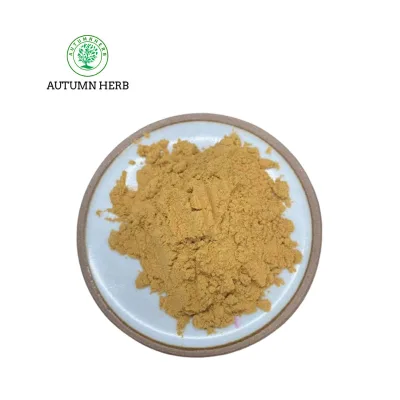


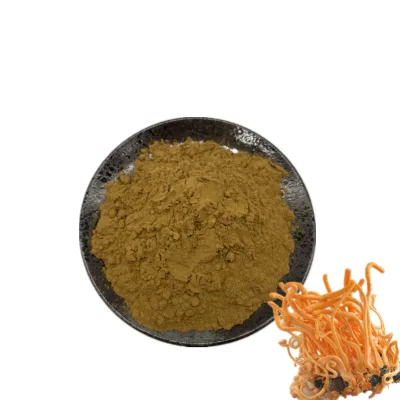
High Quality Cordyceps Sinensis Extract Powder Cordyceps Sinensis Powder
$12.00 - $25.00
MOQ: 1 kilograms


Hight Quality Cordyceps Sinensis Extract Organic Cordyceps Sinensis Extract
$50.00 - $85.00
MOQ: 1 Pieces


Comprehensive Sourcing Guide
Anti Cancer Cordyceps Sinensis Extract Sourcing Guide
Sourcing high-quality Cordyceps sinensis extract requires a disciplined approach to verifying botanical identity, extraction potency, and regulatory compliance. The market for this herbal ingredient is characterized by significant variation in active compound concentrations and manufacturing standards, making it essential for procurement teams to distinguish between generic herbal powders and standardized extracts suitable for health care products. Buyers must prioritize suppliers who provide transparent assay data and clear documentation of cultivation methods, as the distinction between wild-harvested and artificially planted material directly impacts consistency, safety, and supply chain stability.
This guide focuses on the specific attributes observed in current market listings, including the presence of key bioactive ingredients such as polysaccharides, cordyceptic acid, and cordycepin. It provides a framework for evaluating technical specifications, compliance certifications, and commercial terms associated with Cordyceps sinensis extract. By adhering to these evidence-based verification steps, buyers can mitigate risks related to adulteration, inconsistent potency, and regulatory non-compliance, ensuring that the sourced material meets the rigorous demands of pharmaceutical, food, and health care applications.
Product Scope and Observed Listing Signals
The primary product category for this sourcing effort is herbal extract derived from Cordyceps sinensis, typically presented as a yellow-brown or brown powder. Market observations indicate that the material is often available in various forms, including capsules, tablets, pastes, and lotions, suggesting versatility in downstream application. The core ingredient profile frequently cited includes polysaccharides, cordyceptic acid, and cordycepin, which are critical for the functional properties of the extract. Buyers should verify that the supplier explicitly identifies the botanical source as Cordyceps sinensis and confirms the extraction type, with solvent extraction being a common method noted in current listings.
Commercial signals in the market reveal a wide range of packaging options, from small bags to large drums, with common pack sizes including 1kg bags and 25kg drums. The observed minimum order quantities (MOQs) vary significantly, ranging from small sample sizes of 10-20g or 100g to bulk orders of up to 100,000 units, reflecting the diverse needs of both R&D testing and large-scale production. Additionally, customization services such as OEM/ODM are widely available, allowing buyers to tailor the product form and specification to their specific manufacturing requirements. These signals indicate a mature supply chain capable of supporting both niche health food brands and large-scale industrial buyers.
Technical Specifications to Verify
Verification of the extract’s potency and physical characteristics is the first critical step in quality assurance. Buyers must confirm the assay method used to quantify active ingredients, with UV, HPLC, GPC, and HPLC-MS being the standard techniques observed in the market. The concentration of active compounds, often expressed as a percentage, is a key differentiator; observed specifications include models such as 20% and ranges like 30-50%, as well as specific ratios like 30:1. It is imperative to clarify whether these percentages refer to polysaccharides, cordycepin, or other markers, and to request batch-specific certificates of analysis (COAs) that validate these figures against the supplier’s stated standard.
Physical attributes and storage requirements also play a vital role in maintaining product integrity. The extract is typically described as a powder with a mesh size of 80, ensuring appropriate particle size for encapsulation or mixing. Storage conditions must be strictly controlled, with recommendations to keep the material in a cool and dry place to preserve stability. The shelf life is generally observed to be two years, but this can be influenced by packaging integrity and environmental conditions during transit. Buyers should ensure that the supplier’s packaging, whether in drums, plastic containers, or bottles, is designed to protect the powder from moisture and contamination throughout the supply chain.
Compliance and Safety Documentation
Regulatory compliance is non-negotiable for sourcing Cordyceps sinensis extract, particularly for applications in health care products and food. Buyers must verify that the supplier holds relevant certifications, with FDA, ISO, HACCP, and GMP being commonly cited standards. These certifications indicate that the manufacturing facility adheres to good manufacturing practices and quality management systems, which are essential for ensuring product safety and consistency. Additionally, certifications such as Kosher, Halal, BRC, and RoHS may be required depending on the target market and specific customer requirements, so buyers should confirm the availability of these documents before placing orders.
Beyond general manufacturing certifications, specific quality standards and testing protocols must be reviewed. The product grade is typically listed as Food or Food Grade, which aligns with its application in health foods and supplements. Buyers should also inquire about the cultivation method, with artificial planting being a noted practice that can offer more consistent quality and reduced risk of environmental contaminants compared to wild-harvested sources. It is crucial to ensure that the supplier provides comprehensive documentation, including certificates of origin and analysis, to support regulatory submissions and internal quality audits.
Cost Drivers and Commercial Terms
The cost of Cordyceps sinensis extract is influenced by several factors, including the concentration of active ingredients, the complexity of the extraction process, and the scale of the order. Higher potency extracts, such as those with 30-50% active content, typically command a premium price compared to standard 20% extracts. The observed price range in the market is broad, reflecting variations in quality, certification levels, and supplier positioning. Buyers should request detailed quotations that break down costs based on potency, packaging, and shipping terms to understand the true cost of ownership.
Commercial terms, including MOQs and payment conditions, vary widely among suppliers. While some suppliers offer low MOQs of 100g or 2kg for sampling and small batches, others may require larger commitments for bulk pricing. The availability of samples, often in quantities of 10-20g, is a valuable tool for buyers to test product quality before committing to large orders. It is advisable to negotiate clear terms for sample fees and their applicability to future bulk orders. Additionally, buyers should clarify lead times and shipping methods, as these can impact inventory management and overall supply chain efficiency.
Supplier Qualification and Quality Control
Evaluating supplier capability requires a thorough assessment of their production facilities and quality control processes. Buyers should verify the supplier’s ability to provide consistent batches of Cordyceps sinensis extract, focusing on their adherence to stated specifications and standards. The presence of OEM/ODM services indicates a flexible manufacturing capability, but buyers must ensure that the supplier maintains strict control over the production process to prevent cross-contamination and ensure product purity. Requesting facility audits or third-party inspection reports can provide additional assurance of the supplier’s operational integrity.
Quality control measures should extend from raw material sourcing to final product release. Buyers should inquire about the supplier’s testing protocols for heavy metals, pesticides, microbial contamination, and other potential impurities. The use of advanced assay methods such as HPLC-MS suggests a high level of analytical capability, which is essential for accurate quantification of active compounds. It is also important to verify the supplier’s traceability systems, ensuring that they can track each batch back to its raw material source. This level of transparency is critical for maintaining quality and addressing any potential issues that may arise during the supply chain.
Long-Term Procurement Checks
Establishing a long-term procurement strategy for Cordyceps sinensis extract involves regular monitoring of supplier performance and product quality. Buyers should implement a schedule for periodic re-verification of certifications and compliance documents, as these may expire or require renewal. Continuous engagement with the supplier to discuss any changes in cultivation methods, extraction processes, or regulatory requirements is essential for maintaining product consistency. Additionally, buyers should stay informed about market trends and regulatory developments that may impact the sourcing of herbal extracts, allowing for proactive adjustments to procurement strategies.
Building a resilient supply chain also requires diversification of suppliers and contingency planning. While relying on a single supplier may offer cost advantages, it increases the risk of supply disruptions. Buyers should identify and qualify alternative suppliers who meet the same quality and compliance standards. Regular performance reviews, including assessments of delivery times, product quality, and responsiveness, should be conducted to ensure that suppliers continue to meet expectations. By maintaining a proactive and disciplined approach to supplier management, buyers can secure a reliable supply of high-quality Cordyceps sinensis extract for their health care and food applications.
FAQs
What is the appearance of the Cordyceps extract?
The product appears as a yellow-brown or brown powder. This physical state is consistent across the available listings, which specify mesh sizes like 80 mesh for the final powder form.
Which certifications does the supplier hold?
The product holds multiple certifications including FDA, ISO, HACCP, BRC, Kosher, and Halal. These credentials ensure the extract meets international safety and quality standards for food and health applications.
Can I request custom packaging for this extract?
Yes, customization is available for this product. Buyers can choose from options like drums, plastic containers, bags, or bottles, with standard packing sizes including 25kg drums or 1kg bags.
What is the minimum order quantity for samples?
Samples are available with a minimum order quantity of 2 units or 10-20 grams. This allows buyers to test the product quality before committing to larger bulk orders of 100 grams or more.
How is the product stored to maintain quality?
The extract must be stored in a cool and dry place to ensure stability. This storage condition helps preserve the active ingredients like polysaccharides and cordycepin throughout the two-year shelf life.
What extraction method is used for this product?
The product is produced using solvent extraction methods. This process is applied to artificial planting materials to yield the specified active components such as polysaccharides and cordyceptic acid.