Source Anti Blue Light Reading Glasses for Reading, Working, Eye Protection
Explore 30 listings of Anti Blue Light Reading Glasses available for sourcing. Buyers can compare frame materials, prescription strengths, and customization options from manufacturers in China to find suitable optical solutions.
Key considerations
Products List


Factory Price Non-Deform Ability Prescription Anti Blue Reading Glasses
$1.50 - $2.50
MOQ: 1200 Pieces


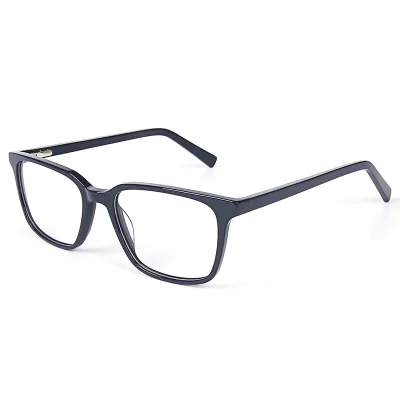
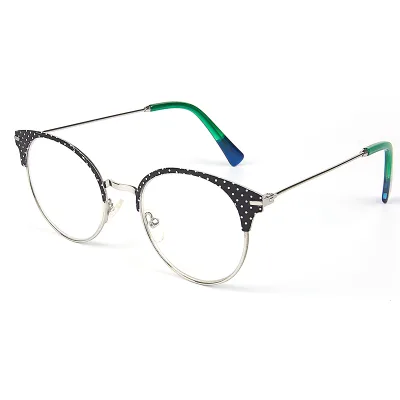
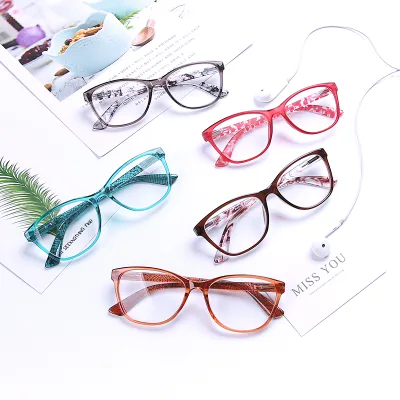
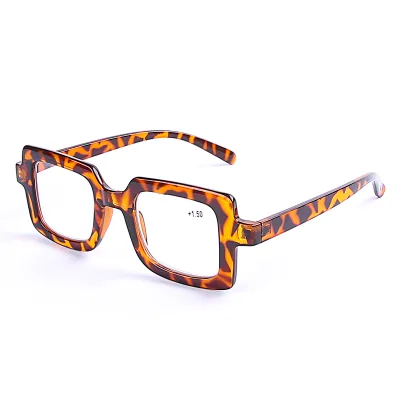
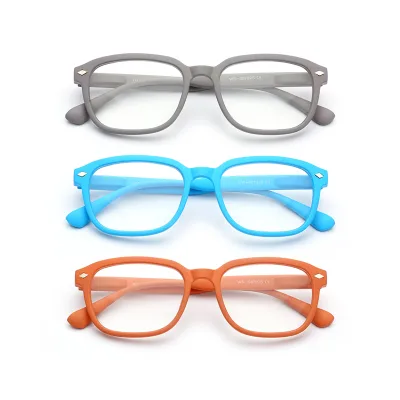


New High-Definition PC Ultra-Light Anti-Blue Light Neutral-Spectrum Reading Glasses
$0.33 - $0.35
MOQ: 1200 Pieces

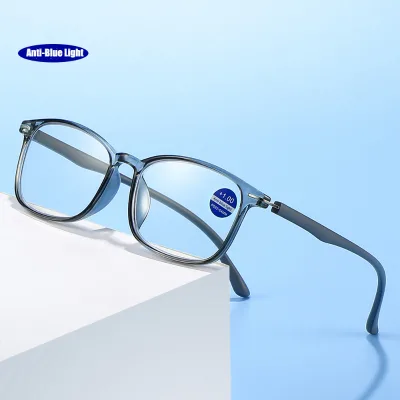


Rectangle Reading Glasses Light Blue Light Blocking with Cases in Ready Stock
$3.50 - $3.99
MOQ: 500 Pieces

Blue Light Blocking Round Light Reading Glasses with Cases in Ready Stock
$3.50 - $3.99
MOQ: 500 Pieces
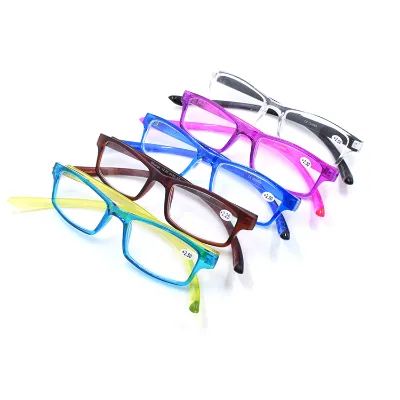


Comprehensive Sourcing Guide
Strategic Sourcing Guide for Anti-Blue Light Reading Glasses
The global demand for optical eyewear designed to mitigate digital eye strain has driven a significant shift in B2B procurement strategies. Buyers seeking anti-blue light reading glasses must navigate a complex landscape of material science, regulatory compliance, and supply chain logistics. This guide provides a structured approach to sourcing these products, grounded in verified product attributes and industry standards. The objective is to equip procurement professionals with the knowledge to evaluate suppliers, verify technical specifications, and ensure long-term supply chain resilience without relying on unverified marketing claims.
Technical Specifications and Material Composition
Understanding the physical and optical properties of the eyewear is the first step in any sourcing decision. The product attributes observed in the market indicate a diverse range of frame materials and lens compositions. A primary observation is the prevalence of Polycarbonate (PC) as a frame material. PC frames are favored in B2B transactions due to their high impact resistance and lightweight nature, making them suitable for general usage and fashion-oriented models. Conversely, some product lines utilize Copper Alloy, offering a different aesthetic and structural profile often associated with metallic finishes. The specific model numbers, such as A12301, A12305, and A32319, suggest that manufacturers produce distinct variants within a single catalog, each potentially optimized for different frame shapes or user demographics.
Frame geometry is another critical technical variable. The market data reveals a spectrum of shapes including Rectangular, Square, Circular, and Ellipse. This variety allows buyers to cater to specific fashion trends or ergonomic requirements. For instance, Rectangular and Square frames often appeal to a professional demographic, while Circular and Ellipse shapes may target fashion-forward segments. The nose support mechanism varies between One-Piece and Non-Integrated designs. A One-Piece nose support typically offers a more seamless aesthetic and potentially better weight distribution, whereas Non-Integrated designs might offer adjustability or a specific fit profile.
Lens technology is paramount for "anti-blue light" functionality. While the specific spectral transmission data is not explicitly detailed in the provided facts, the lens material is identified as AC (likely Acrylic or a specific polymer blend). The lens color is noted as White, which is standard for clear anti-blue light coatings that do not impart a heavy yellow tint. Buyers must verify the actual blue-light blocking percentage through independent testing, as the term "anti-blue light" can be applied loosely in marketing. The eye prescription range observed spans from +100 to +350, covering the common needs of presbyopic users. This range is essential for stocking strategies, as it dictates the inventory breadth required to serve a broad customer base.
Compliance, Certification, and Regulatory Standards
Navigating the regulatory landscape is a non-negotiable aspect of importing optical goods. The supply chain data highlights specific certifications that serve as indicators of a supplier's commitment to quality and ethical standards. The observed certification list includes CE, BSCI, and WALMART. The CE mark indicates conformity with health, safety, and environmental protection standards for products sold within the European Economic Area. BSCI (Business Social Compliance Initiative) certification suggests that the supplier adheres to specific social standards regarding labor conditions, which is increasingly important for Western retailers. The mention of WALMART certification implies that the supplier has met the rigorous compliance requirements of a major global retailer, often serving as a proxy for high-quality manufacturing processes.
However, buyers must exercise caution regarding unverified claims. While the text lists CE and BSCI, it also notes low-confidence background information regarding ISO 9001 and REACH. ISO 9001 is a standard for quality management systems, and REACH is a regulation concerning the Registration, Evaluation, Authorization, and Restriction of Chemicals. The distinction between high-confidence and low-confidence facts is crucial. A supplier may claim ISO 9001, but without verified documentation, this should be treated as a claim to be validated rather than a fact. Similarly, REACH compliance is a legal requirement for chemicals in the EU, but specific test results for the eyewear materials are not provided in the source data.
When evaluating a potential supplier, procurement teams should request current, valid certificates for CE, BSCI, and any other claimed standards. It is essential to verify that the certification applies to the specific manufacturing facility and the specific product line, not just the parent company. For anti-blue light glasses, additional verification regarding the optical safety of the lens material is necessary. Buyers should ensure that the lens material meets relevant safety standards for impact resistance and optical clarity, particularly given the use of PC and AC materials.
Cost Drivers and Pricing Dynamics
The pricing structure for anti-blue light reading glasses is influenced by several factors, including material costs, customization levels, and order volume. The observed price range in the market spans from $0.27 to $26.40 USD. This wide disparity indicates that the product category includes both low-cost, high-volume commodity items and premium, highly customized units. The lower end of the price spectrum likely corresponds to basic models with standard frame materials like PC and minimal customization. In contrast, the higher price points may reflect the use of Copper Alloy frames, complex lens treatments, or bespoke design services.
Minimum Order Quantity (MOQ) is a significant driver of unit cost. The observed MOQ range is between 2 and 1200 units. Suppliers with lower MOQs (e.g., 2 units) often cater to small businesses or sampling needs, resulting in a higher per-unit cost due to the overhead of handling small batches. Conversely, suppliers requiring MOQs up to 1200 units can offer significantly lower prices by optimizing production runs and material purchasing. The "Selling Units" are listed as "Single item," suggesting that the base unit of trade is a single pair, but the packaging details indicate bulk handling (e.g., 300pcs/carton).
Customization is a major cost variable. The product attributes confirm that customization is available, including sample making and mould making services. Developing a new mold for a specific frame shape or color can incur substantial upfront costs, which are often amortized over the production volume. Buyers seeking unique designs must factor these tooling costs into their total landed cost. Additionally, the supply ability of 200,000 pieces per month suggests that high-volume suppliers have the capacity to absorb large orders, potentially offering volume discounts that smaller suppliers cannot match.
Typical Applications and Market Segmentation
The versatility of anti-blue light reading glasses allows them to serve multiple market segments. The product attributes explicitly list applications such as "Reading," "Working," and "Eye Protection Decoration." This indicates that the product is not limited to a single use case but is positioned as a multi-functional accessory. The "Reading" application targets the presbyopic demographic, which is growing globally due to aging populations and increased screen time. The "Working" application suggests suitability for office environments where digital devices are prevalent, reinforcing the anti-blue light value proposition.
The "Eye Protection Decoration" attribute highlights the fashion aspect of the product. With a wide array of frame colors available—including Silver, Black, Clear, Light Blue, Camel, Watermelon Red, and various other shades—these glasses are designed to be worn as a style statement. The "Fashion" style classification further supports this positioning. Buyers targeting the fashion retail sector should prioritize suppliers who offer a diverse color palette and trendy frame shapes like Circular or Ellipse.
The "General" suitability attribute suggests that these products are designed for a broad audience without specific medical restrictions, making them ideal for mass-market distribution. However, the presence of specific prescription ranges (+100 to +350) means that buyers must ensure their inventory covers the most common diopter values for their target demographic. The packaging details, such as "1pc/ polybag, 12 pcs/inner box," indicate that the product is ready for retail display, which is a key consideration for buyers in the consumer goods sector.
Supplier Evaluation and Verification Protocols
Selecting the right supplier requires a rigorous evaluation process that goes beyond price comparisons. The supply chain data points to suppliers located in China, specifically in Wenzhou and Zhejiang. These regions are known for their optical manufacturing clusters, offering a concentration of expertise and supply chain efficiency. However, geographic location alone does not guarantee quality. Buyers should verify the supplier's production capabilities, including their ability to handle the observed "Sample Time" of 1-7 days. Rapid sample turnaround is a strong indicator of an agile manufacturing process.
Quality control is another critical evaluation metric. The product attributes mention "100% QC" and "100% Perfect After-sales Service." While these are positive indicators, buyers must demand evidence of the quality control process. This includes reviewing the supplier's inspection protocols, defect rates, and return policies. The "Quality: 100% QC" claim should be backed by documented procedures, such as the use of automated optical inspection or manual checks at critical production stages.
The availability of "mould making and sample making service" is a significant advantage for buyers looking to develop private label products. This capability allows for greater control over product design and differentiation. Buyers should assess the supplier's engineering team and their experience in translating design concepts into functional molds. The "Single gross weight" of 0.500 kg and package sizes (18X8X6 cm or 20X15X5 cm) are essential for logistics planning. Accurate weight and dimension data are necessary for calculating shipping costs and optimizing container loading.
Quality Control and Long-Term Procurement Considerations
Ensuring consistent quality over time is a primary concern for long-term procurement. The "Supply Ability" of 200,000 pieces per month suggests that the supplier has the capacity to scale, but maintaining quality at this volume requires robust systems. Buyers should implement a phased quality assurance strategy, starting with sample approval before full-scale production. The "Sample Time" of 1-7 days allows for quick iteration and refinement of the product before committing to large orders.
Packaging is a critical component of the product's value proposition. The "Packaging Details" specify a multi-layer approach: 1pc in a polybag, 12 pcs in an inner box, and 300 pcs in a carton. This structure protects the product during transit and facilitates retail display. Buyers should verify that the packaging materials meet sustainability standards if this is a requirement for their market. Additionally, the ability to customize packaging "According to customer requirements" offers an opportunity for brand differentiation.
Long-term procurement also involves managing the relationship with the supplier. The "Service: 100% Perfect After-sales Service" claim implies a commitment to resolving issues post-delivery. Buyers should establish clear communication channels and define service level agreements (SLAs) regarding response times and resolution protocols. Regular audits of the supplier's facility and quality processes can help identify potential issues before they impact the supply chain.
Finally, buyers must consider the evolving nature of the market. As technology advances, the demand for more advanced anti-blue light features may increase. Suppliers who invest in R&D and continuously update their product lines will be better positioned to meet future demands. By focusing on suppliers with strong technical capabilities, verified certifications, and a commitment to quality, buyers can build a resilient supply chain that delivers value to their customers.
Conclusion
Sourcing anti-blue light reading glasses requires a balanced approach that combines technical due diligence with strategic supplier evaluation. The market offers a wide range of options, from basic PC frames to premium Copper Alloy designs, with varying levels of customization and compliance. By carefully analyzing product attributes, verifying certifications, and understanding cost drivers, buyers can make informed decisions that align with their business objectives. The key to success lies in building partnerships with suppliers who demonstrate transparency, quality, and the capacity to adapt to changing market needs. Through rigorous evaluation and continuous monitoring, procurement professionals can secure a reliable supply of high-quality optical products that meet the demands of a growing global market.
FAQs
What frame materials are available for these glasses?
The available frame materials include Polycarbonate and Copper Alloy. Polycarbonate frames offer high impact resistance and a lightweight feel, while Copper Alloy provides a metallic finish and distinct structural profile for different aesthetic preferences.
Which certifications do the suppliers typically hold?
Suppliers often hold CE, BSCI, and WALMART certifications. These indicate compliance with European safety standards, adherence to social labor conditions, and meeting the rigorous requirements of major global retailers for quality and ethical manufacturing.
Can I request custom molds and samples for this product?
Yes, sample making and mould making services are available. Buyers can request samples within 1 to 7 days, allowing for rapid prototyping and design validation before committing to larger production runs with specific customization requirements.
What is the typical price range for these reading glasses?
The observed price range spans from 0.27 to 26.4 USD per unit. This variation depends on factors such as frame material, customization level, and order volume, with lower prices often associated with standard commodity models.
Where are these products typically manufactured?
Products originate from China, specifically from regions like Wenzhou and Zhejiang. These locations are known optical manufacturing clusters that offer concentrated expertise and efficient supply chain logistics for bulk production and distribution.
What prescription strengths are available for these lenses?
The available eye prescriptions range from +100 to +350. This covers the common diopter needs for presbyopic users, allowing buyers to stock a variety of strengths to serve a broad demographic without specific medical restrictions.