Source anti-blue light print glasses frame for Reading Work Outdoor
Compare 30 anti-blue light print glasses frame options from verified Chinese manufacturers. Buyers can evaluate frame materials like PC and metal, customization services, and certifications such as CE and FDA for general, reading, and outdoor use.
Key considerations
Products List

Anti-Blue Light Eyeglass Frame Glasses Computer Eyeglasses Readers Frame
$0.50 - $1.65
MOQ: 1200 Pieces

Fashion Computer Optical Frame Anti Blue Light Blocking Glasses Eyeglasses Frame
$1.90 - $2.30
MOQ: 1200 Pieces

Anti Blue Light Eyeglasses Frames for Men and Women Fashion Frames Reading Glasses
$0.50 - $1.65
MOQ: 1200 Pieces


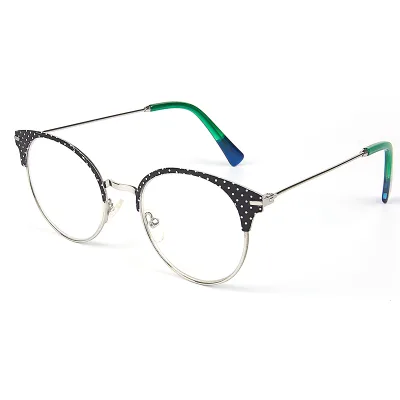
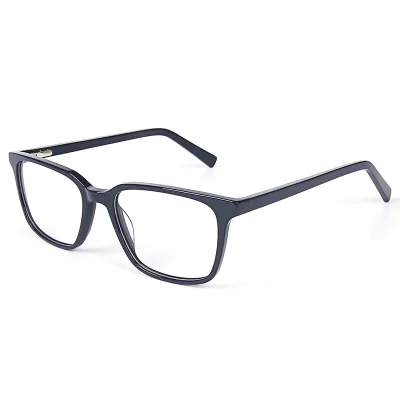
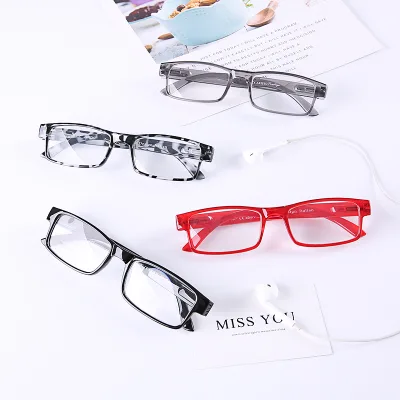


Factory Wholesale New Eyeglasses Anti Blue Light Blocking Optical Frame Glasses
$2.80 - $3.00
MOQ: 450 Pieces

Wholesale Blue Blocking Glasses Optical Frame Eyewear Frame Optical Glasses
$1.06 - $1.14
MOQ: 1200 Pieces


Unisex Simple Acetate Square Eyeglasses Frame Optical Reading Glasses Frames
$4.80 - $6.80
MOQ: 12 Pieces


Comprehensive Sourcing Guide
Strategic Sourcing Guide for Anti-Blue Light Print Glasses Frames
The global demand for optical eyewear has expanded significantly, driven by increased screen time and a heightened awareness of digital eye strain. Within this sector, the anti-blue light print glasses frame represents a specialized niche where aesthetic customization meets functional health benefits. For B2B procurement professionals, sourcing these items requires a rigorous understanding of material science, manufacturing capabilities, and regulatory compliance. This guide provides a structured approach to evaluating suppliers and products, ensuring that the final procurement aligns with both commercial objectives and quality standards.
Technical Specifications and Material Composition
The foundation of a high-quality optical frame lies in its material composition and structural design. When sourcing anti-blue light print glasses frames, buyers must distinguish between the frame material and the lens material, as they serve different functions. The frame acts as the structural support and aesthetic vehicle, while the lens provides the optical correction and blue light filtration.
Based on observed market data, frame materials vary significantly. Polycarbonate (PC) is a common choice, offering high impact resistance and lightweight properties, which is ideal for general usage and outdoor activities. Conversely, Metal frames, often utilizing copper alloys, provide a different aesthetic profile and durability, frequently found in fashion-oriented designs. Another observed material is CP, which may offer specific flexibility or weight characteristics. The frame color options are extensive, ranging from standard black, silver, and clear to vibrant hues like watermelon red, peacock blue, and tawny. This variety allows for customization to match specific brand identities or target demographics.
The structural design also plays a critical role. Frames are available in full-frame configurations, which offer robust protection for the lenses and a distinct look. The nose support mechanism is another technical specification to verify; one-piece nose supports are observed in certain models, providing a seamless fit. The printing process applied to these frames must be durable, ensuring that the anti-blue light branding or decorative patterns do not fade or peel over time. Buyers should verify that the printing technique is compatible with the chosen frame material, whether it is PC, metal, or CP, to ensure longevity.
Compliance and Certification Verification
In the optical industry, compliance is not merely a formality but a prerequisite for market access and consumer trust. When sourcing anti-blue light print glasses frames, verifying the regulatory status of the product is essential. The supply chain data indicates that products may adhere to specific international standards. For instance, FDA, CE, ISO, and EN 14889:2003 are standards that have been associated with optical frames in the market. These certifications ensure that the materials used are safe for human contact and that the product meets safety requirements for optical devices.
The CE marking, in particular, is a critical indicator for products entering the European market, signifying conformity with health, safety, and environmental protection standards. Similarly, the EN 14889:2003 standard specifically addresses the requirements for optical lenses and frames, covering aspects such as impact resistance and optical quality. Buyers must request valid certification documents from suppliers to confirm that the specific batch of anti-blue light print glasses frames being procured meets these standards. It is important to note that while some products may carry these certifications, the absence of a specific standard in a product listing does not automatically imply non-compliance, but rather that the buyer must verify the current status.
Additionally, the lens material, often identified as AC (Acrylic or similar polymer), must be evaluated for its blue light filtering capabilities. While the frame provides the structure, the lens is the primary component for the anti-blue light function. Buyers should ensure that the lens material is capable of blocking harmful blue light wavelengths without compromising visual clarity. The combination of a certified frame and a compliant lens is necessary to deliver a product that meets both safety regulations and functional expectations.
Cost Drivers and Pricing Dynamics
Understanding the cost structure of anti-blue light print glasses frames is vital for effective budget management and margin planning. The price of these products is influenced by several factors, including material selection, customization complexity, and order volume. The observed price range in the market spans from $0.50 to $26.40 USD, reflecting the diversity in product tiers. Lower-priced items often utilize standard materials and minimal customization, while higher-priced items may feature premium metals, complex printing techniques, or specialized lens treatments.
The Minimum Order Quantity (MOQ) is another significant cost driver. The market data shows an MOQ range from 1 to 2400 units. Suppliers with lower MOQs, such as 1 or 12 units, may charge a higher unit price to cover setup and handling costs. Conversely, larger orders, potentially reaching 2400 units, often benefit from economies of scale, resulting in a lower per-unit cost. Buyers must balance their inventory needs with their cash flow constraints to determine the optimal order size.
Customization is a major factor in pricing. Services such as OEM (Original Equipment Manufacturer) and ODM (Original Design Manufacturer) allow buyers to tailor the product to their brand. This includes custom logos, specific frame colors, and unique printing designs. The availability of sample making and mold making services adds value but also incurs additional costs. The sample time, typically ranging from 5 to 7 days, must be factored into the overall project timeline. Buyers should request detailed cost breakdowns that separate the base product cost from customization fees to ensure transparency in their procurement decisions.
Typical Applications and Market Segmentation
Anti-blue light print glasses frames serve a wide array of applications, catering to different user needs and lifestyles. The primary usage categories include reading, learning, work, and outdoor use. For professionals who spend extended periods in front of computer screens, these frames provide essential protection against digital eye strain. The "working" application is particularly relevant for office environments where blue light exposure is constant.
The target demographic for these products is diverse. While some models are specifically designed for women, others are marketed as unisex, appealing to a broader audience. The style of the frames also varies, with options ranging from casual to fashion-forward designs. The "latest fashion reading glasses" category indicates a trend where style and function are equally important. Consumers are increasingly seeking eyewear that not only corrects vision but also complements their personal style.
The versatility of these frames is further enhanced by their suitability for various face shapes, such as oval faces. This inclusivity ensures that a wider range of customers can find a suitable fit. Additionally, the frames are designed for optical use, meaning they can be fitted with prescription lenses of varying strengths, typically ranging from +100 to +350 diopters. This flexibility makes them suitable for both non-prescription blue light filters and prescription eyewear, expanding their market potential.
Supplier Evaluation and Service Capabilities
Selecting the right supplier is a critical step in the sourcing process. Buyers should evaluate suppliers based on their technical capabilities, service offerings, and production capacity. The supply chain data highlights several key service attributes that indicate a supplier's maturity. For instance, the availability of OEM and ODM customized services suggests that the supplier can adapt to specific buyer requirements. The provision of mold making and sample making services is a strong indicator of a supplier's ability to support product development from concept to production.
The sample time is a crucial metric for evaluating supplier responsiveness. A sample time of 5 to 7 days is considered efficient, allowing buyers to quickly assess product quality and make necessary adjustments before placing a large order. Buyers should also verify the supplier's production capacity and lead times to ensure they can meet demand peaks. The packaging specifications, such as 1 piece per polybag, 12 pieces per inner box, and 300 pieces per carton, provide insight into the supplier's logistics capabilities and ability to handle bulk shipments efficiently.
Furthermore, the supplier's location, often cited as Zhejiang, China, or generally China, can influence shipping costs and lead times. Buyers should consider the logistical implications of sourcing from this region, including customs procedures and transportation times. The ability to accept customized logos is another important factor, as it allows buyers to brand the products effectively. A supplier that offers high-quality customization services can be a valuable partner in building a strong brand identity.
Quality Control and Long-Term Procurement Considerations
Maintaining consistent quality is essential for long-term success in the optical eyewear market. Buyers must implement robust quality control measures to ensure that the anti-blue light print glasses frames meet their standards. This includes verifying the frame material, checking the durability of the print, and testing the lens for blue light filtration efficiency. The "High Standard" quality attribute observed in some products suggests that there are benchmarks for excellence in the industry, which buyers should strive to meet.
Long-term procurement considerations involve building a sustainable relationship with suppliers. This includes negotiating favorable terms, ensuring consistent supply, and maintaining open communication channels. Buyers should also consider the environmental impact of their sourcing decisions, looking for suppliers who adhere to sustainable practices. The durability of the frames, highlighted as a key feature, is a critical factor in customer satisfaction and brand reputation.
Finally, buyers should stay informed about market trends and technological advancements in the optical industry. The demand for anti-blue light products is likely to grow as digital usage increases. By staying ahead of these trends and maintaining a flexible sourcing strategy, buyers can position themselves to capitalize on emerging opportunities. The ability to adapt to changing consumer preferences and regulatory requirements will be key to sustaining a competitive advantage in the market.
Comparative Analysis of Frame Attributes
To assist in the decision-making process, the following table summarizes key attributes observed in the market for anti-blue light print glasses frames. This comparison highlights the diversity in materials, styles, and specifications available to buyers.
| Attribute Category | Observed Options | Key Considerations for Buyers |
|---|---|---|
| Frame Material | PC, CP, Metal (Copper Alloy) | PC offers lightweight impact resistance; Metal offers premium feel; CP offers specific flexibility. |
| Frame Color | Black, Silver, Green, Watermelon Red, Peacock Blue, etc. | Extensive color palette allows for strong brand differentiation and trend alignment. |
| Frame Style | Casual, Fashion, Full Frame | Style must align with target demographic; Full frame offers durability. |
| Target Gender | Woman, Unisex | Unisex options broaden market reach; specific gender targeting allows for niche marketing. |
| Usage | Reading, Work, Outdoor, Optical | Versatility is key; ensure the frame supports the intended usage environment. |
| Certification | CE, FDA, ISO, EN 14889:2003 | Verify specific certifications for target markets; CE is critical for Europe. |
| Customization | Logo, Color, Mold Making | High customization capability supports brand building; check sample time and costs. |
| Lens Prescription | +100 to +350 | Ensure compatibility with required prescription strengths for optical use. |
This guide provides a comprehensive framework for sourcing anti-blue light print glasses frames. By focusing on technical specifications, compliance, cost drivers, applications, supplier evaluation, and quality control, buyers can make informed decisions that drive value and success in the optical eyewear market.
FAQs
What certifications do these frames meet for safety?
These frames meet FDA, CE, and ISO EN 14889:2003 standards for safety. Buyers must verify specific batch documents to confirm compliance before purchasing. This ensures the product is safe for human contact and meets optical device requirements.
How long does it take to receive a sample?
Sample time typically ranges from 5 to 7 days for production. This duration applies when requesting customized logos or specific color options. Buyers should plan their project timeline around this efficient turnaround period.
Which frame materials are available for these glasses?
Available frame materials include Polycarbonate, CP, and Metal with copper alloy. Polycarbonate offers lightweight durability while metal provides a fashion-forward aesthetic. The choice depends on whether the buyer prioritizes impact resistance or style.
Can I customize the logo and color of the frames?
Yes, customization is available for both logos and frame colors. Suppliers offer OEM and ODM services to match specific brand identities. Buyers can select from various colors like black, green, or custom hues to suit their needs.
What is the minimum order quantity for these frames?
The minimum order quantity ranges from 1 to 2400 units depending on the supplier. Lower MOQs may result in higher unit prices due to setup costs. Larger orders often benefit from economies of scale to reduce the per-unit cost.
Where are these optical frames manufactured?
These frames originate from China, specifically the Zhejiang region. This location influences shipping costs and lead times for international buyers. Sourcing from this area provides access to established manufacturing capabilities for optical eyewear.
What packaging options are provided for bulk orders?
Standard packaging includes one piece per polybag, twelve per inner box, and three hundred per carton. This structure supports efficient logistics and bulk shipment handling. Buyers can rely on this standard for inventory management and distribution.