Find Anti-Fog Anti-Scratch Safety Goggles for Diving, Skiing, and Welding
Source 30 verified options for anti-fog anti-scratch safety goggles designed for industrial, sports, and welding applications. Compare specifications, certifications, and customization features from suppliers in China to find the right protective eyewear for your needs.
Key considerations
Products List




Comprehensive Sourcing Guide
Strategic Sourcing Guide for Anti-Fog Anti-Scratch Safety Goggles
Understanding Product Specifications and Core Attributes
When sourcing anti-fog and anti-scratch safety goggles, buyers must first distinguish between general-purpose eyewear and specialized industrial or sports-grade equipment. The market presents a diverse array of options, ranging from basic protective eyewear to complex head-mounted systems. A critical observation in the current supply landscape is the variation in lens materials and construction. While some products utilize special glass for high durability, others rely on advanced polymers like nylon frames paired with dual-lens configurations to enhance impact resistance and optical clarity.
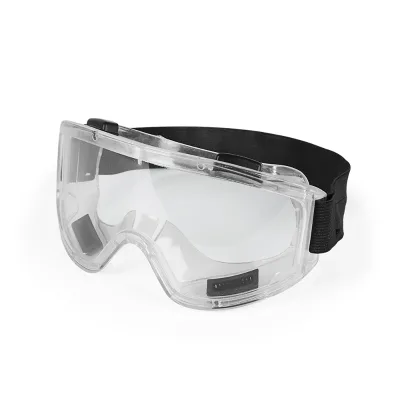
The functional requirements for these goggles are multifaceted. High-performance models are explicitly designed to offer a comprehensive suite of protective features, including anti-shock, dust-proof, anti-fog, anti-scratch, and anti-chemical fluid capabilities. These attributes are not merely marketing terms but essential specifications for environments where chemical splashes, airborne particulates, or sudden impacts are common. The lens color is typically transparent to ensure maximum visibility, though specific applications, such as snowfield activities or racing, may require tinted options like blue mirror lenses to reduce glare.
Frame construction plays a pivotal role in the overall utility of the product. The industry standard often involves semi-rimless frameworks made from durable materials like nylon, which offer a balance between weight and structural integrity. In contrast, some industrial variants may feature base-type leg features or specific helmet integration, such as headband welding helmets constructed from polypropylene (PP). Buyers must carefully review the product model numbers, such as SF-002 or goggles-01, as these identifiers often correlate with specific design philosophies, packing standards, and intended usage scenarios. Understanding whether a product is intended for general use, leisure, or heavy-duty industrial application is the first step in narrowing down the supplier pool.
Compliance, Certification, and Safety Standards
Navigating the regulatory landscape is perhaps the most critical aspect of sourcing safety goggles. In the global market, compliance is not optional; it is a prerequisite for market entry and liability protection. The supplied data indicates that reputable manufacturers often adhere to a rigorous set of international standards. Specifically, the combination of CE, EN166, FDA, and ANSI Z87.1 certifications represents a high bar for safety and quality assurance.
The EN166 standard is particularly relevant for eye protection in Europe, defining requirements for impact resistance, optical quality, and durability. Similarly, the ANSI Z87.1 standard is the benchmark for high-impact safety eyewear in North America, ensuring that the goggles can withstand significant force without shattering. The FDA certification often relates to the biocompatibility of materials that come into contact with the eye, while the CE mark indicates conformity with health, safety, and environmental protection standards for products sold within the European Economic Area.
Buyers should verify that the supplier can provide valid, up-to-date certification documents for the specific models they intend to purchase. It is important to note that while some products may claim adherence to these standards, the verification process must be rigorous. The presence of audit certifications such as BSCI and Sedex further indicates that the manufacturer adheres to ethical labor practices and supply chain transparency, which are increasingly important for corporate social responsibility (CSR) compliance. However, buyers must treat these certifications as observations of the supplier's current status rather than guaranteed attributes of every single unit in a batch. The absence of a specific certification in a product listing should not automatically disqualify a supplier, but it necessitates a deeper inquiry into their testing protocols and quality management systems.
Cost Drivers and Pricing Dynamics
The pricing structure for safety goggles is influenced by a complex interplay of factors, including material costs, manufacturing complexity, certification fees, and order volume. The observed price range in the market spans from $0.10 to $300 USD, a vast disparity that reflects the difference between basic disposable units and high-end, specialized equipment.
Material selection is a primary cost driver. Goggles constructed with special glass or high-grade silicone components generally command a higher price point than those made from standard plastics or basic nylon. Additionally, the complexity of the lens technology, such as dual-lens systems designed to prevent fogging or coatings that provide anti-chemical fluid resistance, adds to the manufacturing cost. The inclusion of advanced features like self-protect mechanisms or specific frame geometries also contributes to the final price.
Order volume is another significant determinant of cost. The market exhibits a wide range of Minimum Order Quantities (MOQs), typically ranging from 2 units to 10,000 units. Suppliers often offer tiered pricing structures where the unit cost decreases as the order volume increases. For buyers with smaller requirements, the "Small Orders Accepted" attribute indicates flexibility, though the per-unit cost may be higher. Conversely, large-scale procurement can leverage economies of scale, but it requires a commitment to larger MOQs and potentially longer lead times.
Packing and logistics also influence the total cost of ownership. Products packed in individual OPP bags with carton consolidation (e.g., 12 pieces per box, 300 pieces per carton) are standard for retail and distribution. However, industrial buyers may require specialized packaging, such as carton and palletizing solutions, which can affect shipping costs and handling efficiency. Buyers should analyze the total landed cost, including freight, duties, and insurance, rather than focusing solely on the ex-works price.
Typical Applications and Usage Scenarios
The versatility of anti-fog and anti-scratch safety goggles allows them to serve a wide array of industries and activities. The specific application dictates the required performance characteristics. In industrial settings, the primary concern is protection against chemical fluids, dust, and impact. Goggles designed for these environments must feature robust anti-chemical fluid coatings and high-impact resistance, often adhering to strict ANSI or EN standards.
Beyond the factory floor, these goggles are essential in recreational and sports contexts. For instance, snowfield applications require goggles that can withstand cold temperatures and prevent fogging due to temperature differentials. The "Skiing Type" and "Skating Type" attributes highlight the specialized nature of these products, which may include features like single plate fixation or specific frame materials like nylon to ensure a secure fit during high-speed activities. Similarly, diving goggles often utilize dual-lens systems and silicone materials to provide a watertight seal and clear vision underwater.
The "Usage" attributes further categorize these products into leisure, fancy, racing, and stunt applications. Each category demands a different balance of protection, comfort, and optical clarity. For example, racing goggles may prioritize aerodynamics and anti-scratch durability, while leisure goggles might focus on comfort and style. Buyers must align their procurement strategy with the specific end-use environment to ensure the selected product meets the necessary safety and performance criteria.
Supplier Evaluation and Quality Control
Selecting the right supplier is as important as selecting the right product. A comprehensive evaluation should go beyond the product listing to assess the manufacturer's capabilities and reliability. The origin of the product, such as Wenzhou or Shandong in China, can provide insights into the local manufacturing ecosystem and supply chain maturity. However, the location alone is not a guarantee of quality; it is the supplier's adherence to standards and their quality control processes that matter most.
Buyers should prioritize suppliers who demonstrate a commitment to continuous improvement and ethical practices. The presence of BSCI and Sedex audits suggests that the supplier is committed to social compliance, which can reduce the risk of supply chain disruptions due to labor issues. Furthermore, the availability of customization options indicates a flexible manufacturing process capable of meeting specific buyer requirements, such as branding or modified specifications.
Quality control should be a central component of the procurement strategy. Buyers must verify that the supplier has established protocols for testing lens durability, anti-fog performance, and impact resistance. While specific test results may not always be publicly listed, the supplier should be willing to share data or provide third-party verification upon request. The "Self-Protect" attribute mentioned in some listings suggests an inherent design feature that enhances safety, but this should be validated through independent testing or detailed product specifications.
Long-Term Procurement Considerations
Sourcing safety goggles is not a one-time transaction but an ongoing relationship that requires careful management. Long-term procurement considerations include the stability of the supply chain, the availability of replacement parts, and the ability to scale production up or down based on demand fluctuations. The "Customization" attribute is a key factor here, as it allows buyers to adapt products to changing safety standards or specific operational needs over time.
Buyers should also consider the lifecycle of the product. Safety goggles are consumable items that may require regular replacement due to wear and tear, scratches, or damage. Ensuring a consistent supply of high-quality replacements is crucial for maintaining safety standards in the workplace or during sports activities. The "Small Orders Accepted" feature is particularly valuable for maintaining a steady inventory without the burden of large stockpiles.
Finally, buyers must stay informed about evolving regulations and industry standards. As safety requirements become more stringent, the ability of the supplier to adapt and certify new products will be a decisive factor in maintaining compliance. Establishing a partnership with a supplier who is proactive in monitoring regulatory changes and investing in research and development will provide a competitive advantage and ensure long-term operational safety.
Comparative Analysis of Product Attributes
To facilitate decision-making, the following table summarizes key attributes observed in the market for anti-fog and anti-scratch safety goggles. This comparison highlights the diversity of options available and the specific features that buyers should prioritize based on their needs.
| Attribute Category | General Industrial Model | Sports/Recreational Model | Specialized Diving Model |
|---|---|---|---|
| Lens Material | Special Glass | Nylon / Polycarbonate | Silicone / Dual Lens |
| Key Features | Anti-Chemical, Anti-Scratch | Anti-Fog, Anti-Dust | Watertight, Anti-Fog |
| Certifications | CE, EN166, ANSI Z87.1 | Varies by Region | Varies by Region |
| Frame Material | Nylon / PP | Nylon | Silicone |
| Typical Usage | Chemical Handling, Dust | Skiing, Racing, Stunt | Diving, Water Sports |
| Packing Standard | 1PC/OPP, 12/Box | CTN | Carton |
| Origin | Wenzhou, China | Shandong, China | China |
This table serves as a reference point for buyers to quickly identify which product category aligns with their specific operational requirements. It underscores the importance of matching the product's technical specifications to the intended application to ensure optimal safety and performance. By carefully evaluating these attributes, buyers can make informed decisions that balance cost, quality, and compliance.
FAQs
What certifications do these safety goggles hold?
These goggles hold CE En166, FDA, and ANSI Z87.1 certifications. They also undergo BSCI and Sedex audits to ensure ethical labor practices and supply chain transparency for buyers requiring verified compliance.
Can I customize the product specifications for my order?
Yes, customization is available for these safety goggles. Buyers can request specific modifications to fit their operational needs while maintaining the core protective features like anti-fog and anti-scratch capabilities.
What is the minimum order quantity for these goggles?
The minimum order quantity ranges from 2 to 10,000 units depending on the supplier and specific model. Small orders are accepted, allowing buyers to test products before committing to larger bulk purchases.
Which lens material is used for high durability?
Special glass is used as the lens material for high durability in some models. Other variants may use nylon frames with dual lenses to ensure impact resistance and optical clarity for industrial or sports use.
How are these goggles packed for international shipping?
Standard packing includes 1 piece per OPP bag, 12 pieces per box, and 300 pieces per carton. Industrial buyers may also find options for carton and palletizing to streamline logistics and handling efficiency.
Where are these safety goggles manufactured?
These goggles are manufactured in Wenzhou and Shandong, China. The specific origin depends on the product model, with different regions specializing in various types of protective eyewear and welding helmets.
What protective features do these goggles offer?
They offer anti-shock, dust-proof, anti-fog, anti-scratch, and anti-chemical fluid protection. These features ensure safety in environments with chemical splashes, airborne particulates, or sudden impacts.