Source Anti-Pilling Velour Fabric for Garments, Home Textile, and Bedding
Source anti-pilling velour fabric from 30 verified listings. Compare specifications including GSM, width, and composition for garments, home textile, and bedding applications. Review pricing, MOQs, and delivery times to find the right supplier; compare the available evidence and request quotations based on your requirements.
Updated
Key considerations
Products List


Silk Rayon Velvet Fabric, Nylon Viscose Velvet Fabric Silk Velour Fabric
$2.00 - $4.00
MOQ: 300 Meters

Plain Dyed Velvet Fabric. Silk/Rayon Velvet Fabric. Silk/Viscose Velour Fabric
$10.00 - $12.00
MOQ: 300 Meters

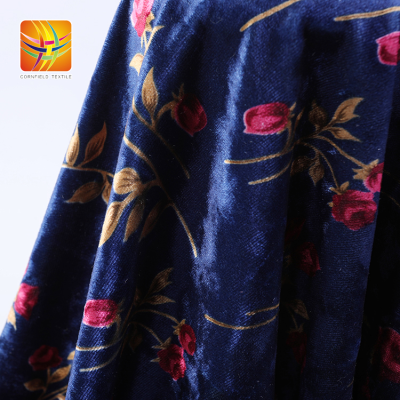
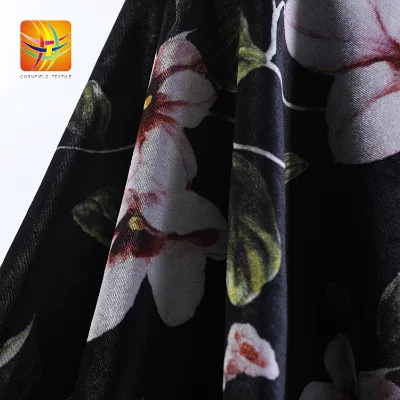


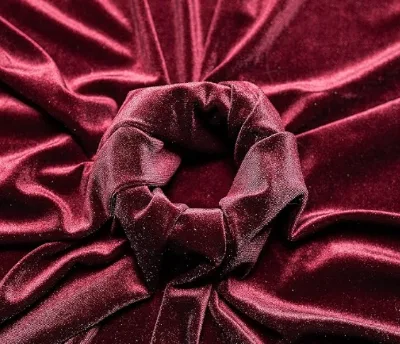
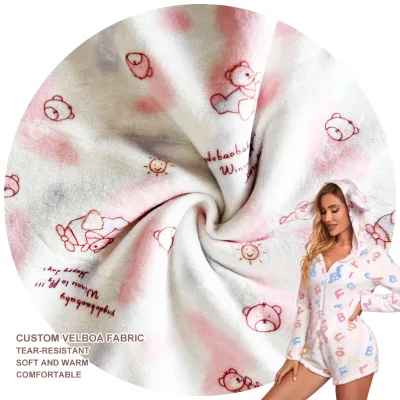
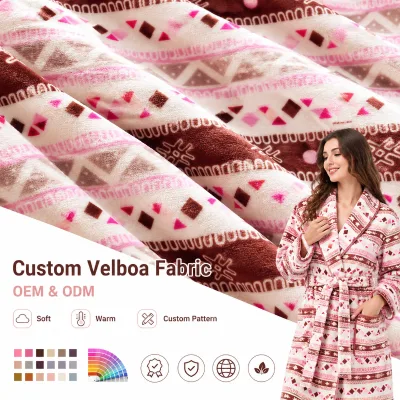
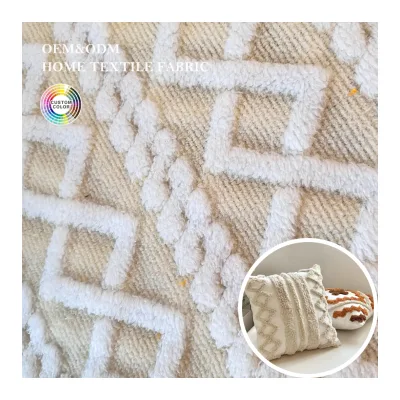
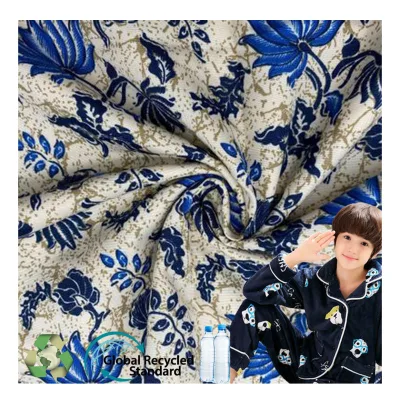
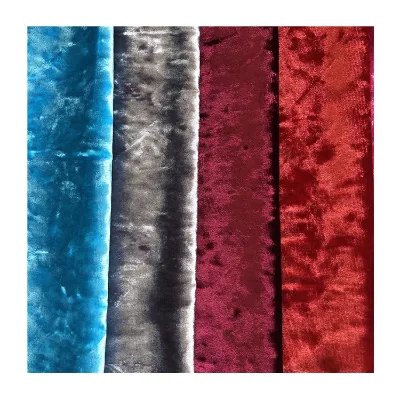
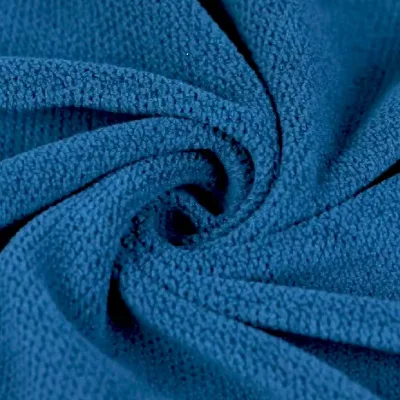
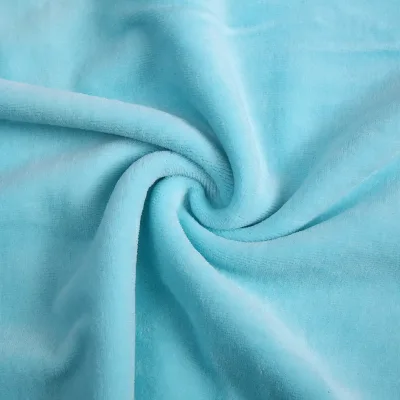
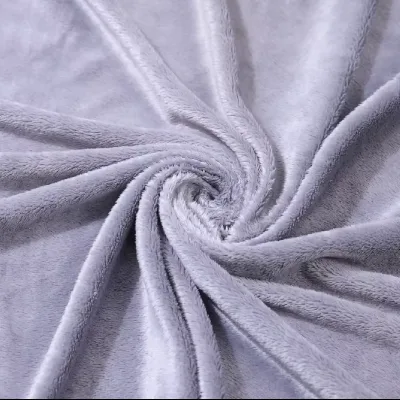
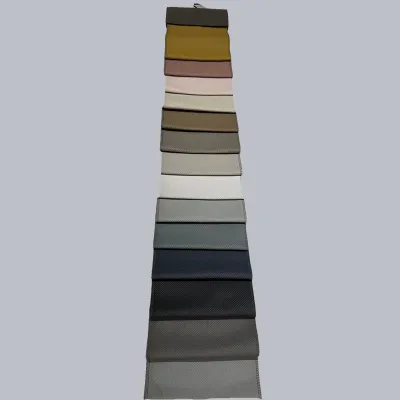



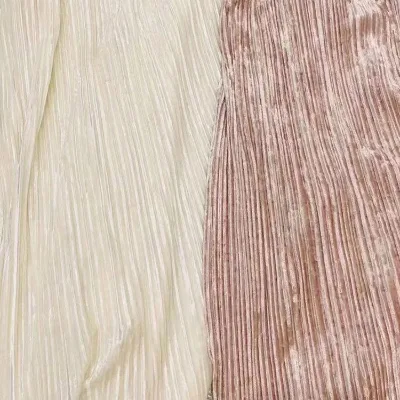
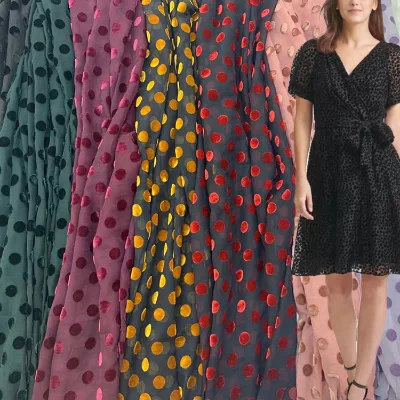
Comprehensive Sourcing Guide
Anti-Pilling Velour Fabric Sourcing Guide
Procuring anti-pilling velour fabric requires distinguishing between standard pile fabrics and those engineered for durability against surface fuzzing. While the supplied data confirms the availability of velour and velour-type materials with specific GSM ranges, buyers must verify that "anti-pilling" is a verified performance outcome rather than a generic marketing term. The observed listings include products with compositions like 95% polyester and 5% spandex, which are common candidates for this treatment, yet the specific test results confirming pilling resistance are not explicitly detailed in the provided facts.
Buyers should prioritize suppliers who can demonstrate the physical integrity of the pile under friction, as the observed data notes a "Low Strength" physical feature for some items, which may contradict durability expectations. It is critical to request specific pilling test reports, such as Martindale or Rub test results, to ensure the fabric will maintain its appearance after repeated wear. Without this verification, the risk of selecting a fabric that pills prematurely remains high, regardless of the initial visual appeal or the "High Color Fastness" attributes observed in other product listings.
Product Scope and Observed Listing Signals
The current market signals indicate a diverse range of velour products, including knitted and warp-knitted varieties with weights spanning from 200 to 340 GSM. Some listings specify a composition of 18% silk and 82% rayon, while others highlight a 95% polyester and 5% spandex blend, suggesting that the anti-pilling performance will vary significantly based on the fiber type and construction method. Buyers must carefully match the intended application, such as garments or home textiles, with the specific weight and fiber content to ensure the fabric meets the functional requirements for durability and drape.
Observations also reveal that customization is available, with options for OEM/ODM designs and various colorfastness ratings, including a noted 3-4 grade. However, the presence of "Low Strength" as a physical feature in some records necessitates a cautious approach when sourcing for high-stress applications. Procurement teams should scrutinize the "Product name" and "Feature" fields to confirm that the specific listing explicitly claims anti-pilling properties, rather than assuming this characteristic applies to all velour products listed under the same category.
Technical Specifications to Verify
When evaluating technical specifications, the width of the fabric is a primary constraint, with observed listings showing widths of 54/55 inches and 58/60 inches. Buyers must confirm that the chosen width aligns with their pattern layout and cutting efficiency to minimize waste, especially since the supply type is often Make-To-Order. Additionally, the yarn count, such as the observed 75D, and the knitting technics, whether knitted or warp-knitted, directly influence the fabric's density and resistance to surface abrasion, which are critical factors in preventing pilling.
The physical weight and thickness are equally vital, with data indicating medium-weight options and specific GSM ranges like 260 GSM or 200-340 GSM. A heavier fabric generally offers better resistance to pilling, but the trade-off with drape and comfort must be balanced against the end-use requirements. Buyers should also verify the pH value, which ranges from 4 to 8.5 in some records, to ensure the fabric is safe for skin contact and compatible with subsequent dyeing or finishing processes that might affect the pile structure.
Compliance and Safety Documentation
Safety and compliance documentation for velour fabrics often focus on chemical safety and colorfastness, as evidenced by the observed pH value range of 4 to 8.5 and colorfastness ratings of 3-4. While a GOTS certification is mentioned in the background context, it is not confirmed as a standard attribute for the specific anti-pilling products listed, so buyers should not assume this certification applies without explicit verification from the supplier. Instead, procurement teams should request detailed Material Safety Data Sheets (MSDS) and specific test reports for colorfastness to light, washing, and rubbing to ensure the fabric meets international safety standards.
For garments and home textiles, the presence of functional features like anti-static properties is a significant compliance indicator, as these features often correlate with higher quality control standards. Buyers must ensure that the "Anti-static" and "Shrink-Resistant" claims are backed by laboratory test results, particularly since the observed data includes a "Low Strength" warning for some items. Verifying that the fabric does not contain restricted substances and meets the specific safety regulations of the target market is essential before finalizing any purchase order.
Cost Drivers and Commercial Terms
Cost drivers for anti-pilling velour fabric are heavily influenced by the raw material composition, with blends containing silk or specialized synthetic fibers commanding different price points than standard polyester blends. The observed price range of 0.5 to 15 USD suggests a wide variance based on quality, weight, and the complexity of the finishing processes required to achieve pilling resistance. Buyers should anticipate that higher GSM weights and specialized compositions, such as those with spandex for stretch, will incur higher costs, while the MOQ of 2000 meters for some items may impact the unit price for smaller orders.
Commercial terms also play a crucial role in the total cost of ownership, with payment methods like T/T being standard and delivery lead times typically around 10 days. The supply type, often Make-To-Order, means that production schedules can be flexible but may extend lead times if customization is required. Buyers should negotiate clearly on the packaging, which is listed as carton boxes or roll packing, to ensure that the fabric arrives in optimal condition, preventing damage that could negate the value of the anti-pilling treatment.
Supplier Qualification and Quality Control
Supplier qualification for velour fabrics requires a rigorous assessment of their production capabilities, particularly regarding the knitting technics and finishing processes that determine pilling resistance. The observed data indicates that suppliers in China, specifically in Jiangsu, offer a variety of styles and customization options, but the presence of varying physical features like "Low Strength" highlights the need for strict quality control protocols. Buyers should verify the supplier's ability to consistently produce fabric with the specified weight, width, and fiber composition without compromising the structural integrity of the pile.
Quality control checks must include random sampling and testing for pilling, colorfastness, and physical strength before shipment. Since the supply type is often Make-To-Order, it is vital to establish clear acceptance criteria based on the observed specifications, such as the 54/55" or 58/60" width and the 200-340 GSM weight range. Buyers should also confirm the supplier's track record for meeting delivery timelines, as the observed 10-day lead time may vary depending on the complexity of the order and the availability of raw materials like filament fibers.
Long-Term Procurement Checks
Long-term procurement success depends on establishing a consistent supply chain that can maintain the anti-pilling performance of the fabric over multiple production cycles. Buyers should implement a system for periodic re-testing of incoming fabric to ensure that the pilling resistance and colorfastness remain consistent with the initial samples. This is particularly important given the observed variations in physical features and the potential for "Low Strength" issues in some batches, which could indicate inconsistencies in the manufacturing process.
Building a relationship with suppliers who offer customization and have a proven track record in producing high-quality velour is essential for long-term stability. Buyers should regularly review the supplier's ability to meet the specific requirements of their application, whether for garments, industrial use, or decoration, and ensure that the fabric continues to meet the necessary standards for weight, width, and composition. By maintaining open communication and setting clear expectations for quality and delivery, buyers can mitigate the risks associated with sourcing specialized fabrics like anti-pilling velour.
FAQs
What is the composition of the anti-pilling velour fabric?
The fabric is composed of 95% polyester and 5% spandex, providing durability and stretch. It is also available in a blend of 18% silk and 82% rayon, or 18% nylon and 82% rayon. These materials ensure the fabric meets garment and industrial usage requirements while maintaining a soft texture.
Can the anti-pilling velour fabric be customized for specific designs?
Yes, customization is available for this fabric. Buyers can request OEM or ODM design services to tailor the product to their needs. The fabric supports plain dyed styles and printed patterns, allowing for versatile application in dresses, garments, and home textiles while meeting specific aesthetic requirements.
What is the minimum order quantity for this velour fabric?
The minimum order quantity is 2000 meters. This requirement applies to the make-to-order supply type. Buyers should plan their procurement accordingly to meet this threshold. The fabric is packaged in rolls and shipped in carton boxes, ensuring safe transport for bulk orders starting from this specific quantity.
How long is the delivery time for orders of this fabric?
The delivery time is 10 days. This lead time applies to standard orders placed with the supplier. Buyers can expect timely shipment from China Jiangsu, with ports available in Shanghai or Ningbo. This efficient turnaround supports quick restocking for garment manufacturers and industrial buyers requiring prompt fulfillment.
What are the physical properties and weight of the fabric?
The fabric has a medium weight ranging from 200 to 340 GSM, with a specific option at 260 GSM. It features anti-static, shrink-resistant, and tear-resistant functions. The material is knitted using warp techniques, offering low strength but high durability for applications in bedding, home textiles, and general garment construction.
What certifications or standards apply to this velour fabric?
The fabric adheres to specific material standards, including blends like 18% silk with 82% rayon. It also meets colorfastness ratings of 3-4 and pH values between 4 and 8.5. While GOTS is noted in background data, the primary verified attributes focus on material composition and physical performance metrics for industrial use.