Source Jersey Jacquard Suit Options for Office and Formal Wear
Find 30 Jersey Jacquard Suit listings from Guangdong suppliers. Compare features like anti-wrinkle fabric, custom branding, and V-neck styles for office or formal wear needs. These options include various sizes and materials to meet diverse business requirements; compare the available evidence and request quotations based on your requirements.
Updated
Key considerations
Products List
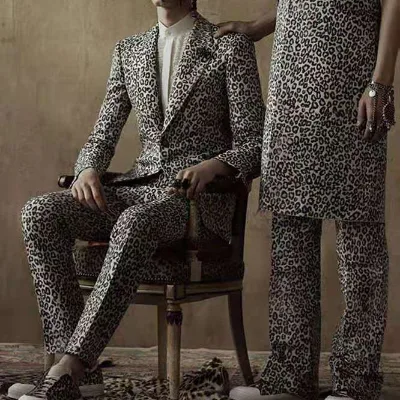


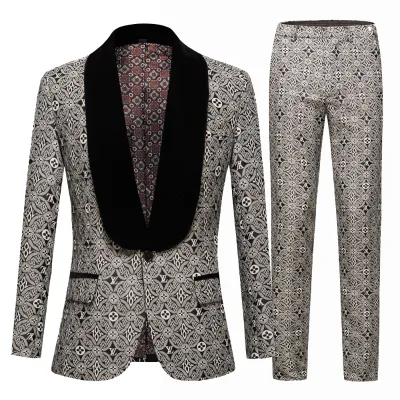

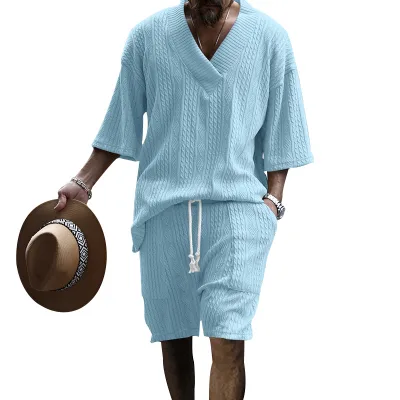
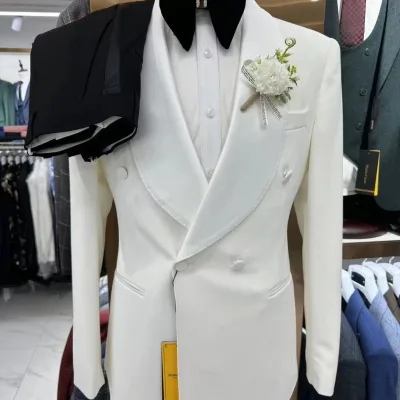
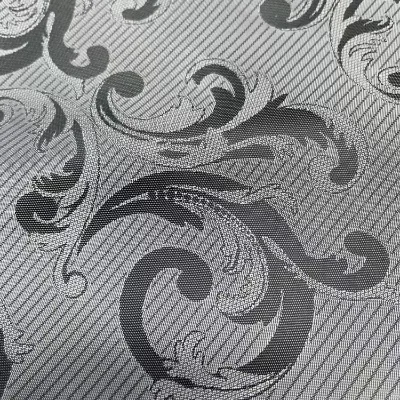
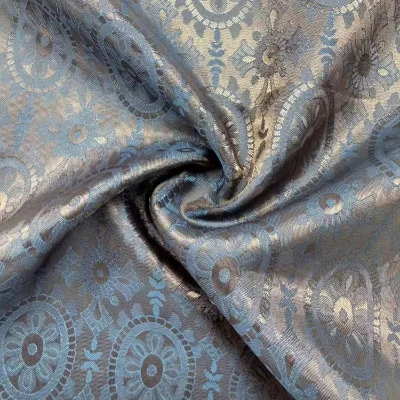
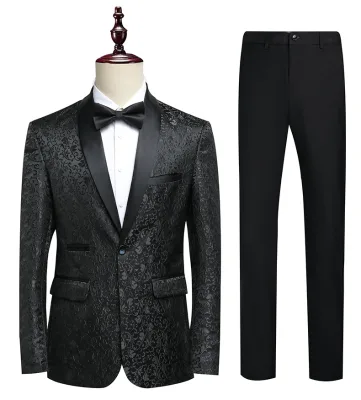
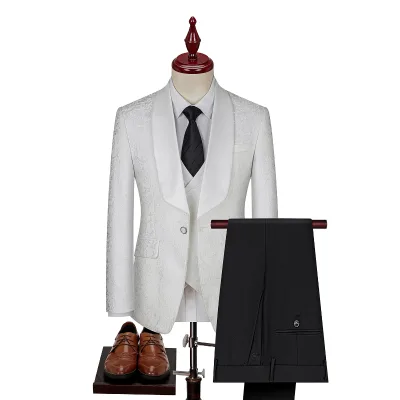
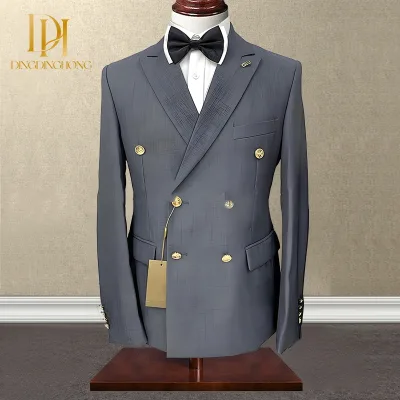
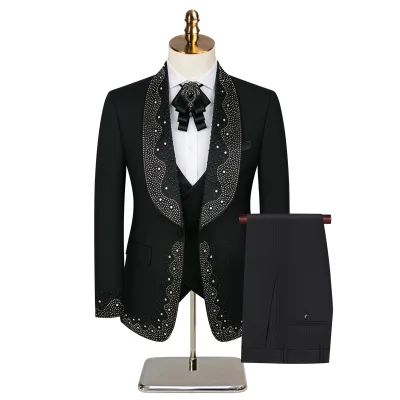
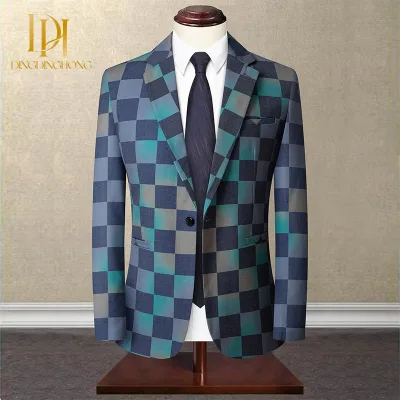
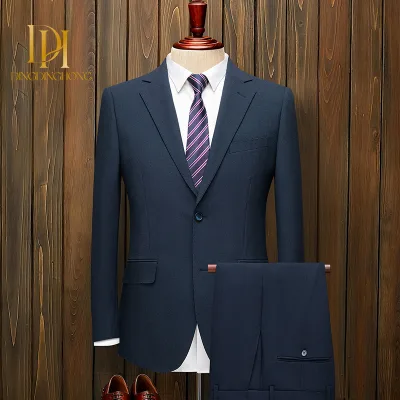
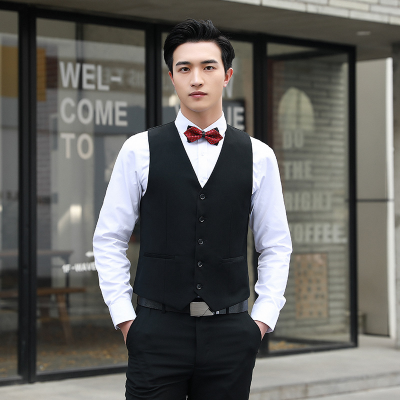


Comprehensive Sourcing Guide
Jersey Jacquard Suit Sourcing Guide
Sourcing jersey jacard suits requires a nuanced understanding of the intersection between traditional tailoring aesthetics and modern knitwear functionality. Buyers must distinguish between woven suit structures and the specific characteristics of jacquard knits, which offer distinct drape and stretch properties. The observed market signals indicate a strong presence of OEM services from Guangdong, China, suggesting a mature supply chain capable of handling custom branding and complex pattern integration. This region is known for its textile infrastructure, which supports both the weaving of intricate jacquard designs and the finishing processes necessary for high-end suit appearances.
Procurement teams should approach this category with a focus on material composition and structural integrity. The available data highlights a mix of materials, including viscose, polyester, cotton, and wool blends, each offering different performance profiles regarding breathability, shrinkage, and wrinkle resistance. Understanding these material differences is critical for selecting the right product for specific use cases, whether for office wear or luxury fashion statements. The presence of features like anti-shrink and anti-wrinkle treatments indicates that manufacturers are addressing common pain points associated with knit suits, making them more viable for daily professional use.
Product Scope and Observed Listing Signals
The current market landscape for jersey jacquard suits reveals a diverse range of product configurations tailored to adult male demographics. Listings frequently feature regular-length cuts with V-neck or notch lapel collars, catering to both classic and contemporary style preferences. The observed model numbers, such as JN80009 and SM002, suggest a standardized yet customizable production framework where buyers can request specific design modifications. This flexibility is further supported by the availability of custom branding options, allowing companies to imprint logos or monograms directly onto the fabric, which is a key differentiator for corporate uniform procurement or private label ventures.
Packaging and logistical details provide additional insight into the operational readiness of suppliers. Products are typically packed in cartons or individual OPP/PE bags, with specific dimensions like 40x30x8 cm indicating efficient space utilization for shipping. The single gross weight of approximately 1.6 kg per item helps in calculating freight costs accurately. Furthermore, the presence of in-stock items alongside OEM service offerings suggests that buyers can choose between immediate delivery for standard sizes and longer lead times for fully customized orders. This dual availability caters to both urgent replenishment needs and strategic long-term procurement planning.
Technical Specifications to Verify
Verifying technical specifications is paramount when sourcing jersey jacquard suits to ensure they meet functional and aesthetic requirements. Buyers must confirm the fabric weight, with observed values around 220 grams, which strikes a balance between durability and comfort. The weaving method, identified as woven in some contexts but inherently knit in jersey suits, requires careful clarification to avoid mismatches in expectations. Additionally, the closure type, often single-breasted, and the front style, typically flat, contribute to the overall silhouette and should be validated against design sketches or physical samples.
Size inclusivity and pattern consistency are other critical technical aspects. The available size range, spanning from S to 54 or S-6XL, indicates a broad market coverage, but buyers should verify grade rules and tolerance levels for each size. The pattern type, often featuring logos or specific jacquard designs, must be checked for repeat accuracy and colorfastness. Furthermore, the presence of features like zipper fly closures on accompanying pants or specific suit components adds to the technical complexity. Ensuring that the needle detection process is in place is also essential for quality control, particularly when dealing with mixed material compositions that may contain hidden metallic threads or stiffeners.
Compliance and Safety Documentation
Compliance and safety documentation form the backbone of responsible procurement, ensuring that jersey jacquard suits meet international safety and environmental standards. While specific certification statuses like ASTM D5035, Oeko-Tex, or ISO 105 are mentioned in background contexts, buyers must actively verify the current validity and scope of these certifications with their suppliers. These standards relate to critical aspects such as colorfastness, tensile strength, and chemical safety, which are vital for consumer protection and brand reputation. Without explicit confirmation, buyers should not assume that all listed products are fully compliant with these rigorous benchmarks.
The needle detection feature observed in some listings is a significant safety indicator, suggesting that suppliers have processes in place to detect broken needle fragments within the fabric. This is particularly important for suits that undergo extensive handling and washing. Buyers should request test reports or certificates of conformity that explicitly mention these safety checks. Additionally, inquiries into the chemical treatments used for anti-shrink and anti-wrinkle properties are necessary to ensure compliance with REACH or other regional chemical regulations. Transparent documentation not only mitigates legal risks but also enhances the brand's commitment to ethical and safe manufacturing practices.
Cost Drivers and Commercial Terms
Understanding the cost drivers and commercial terms is essential for effective budgeting and negotiation in the Jersey Jacquard Suit market. The observed price range of 0.55 to 168 USD reflects a wide spectrum of quality, material composition, and customization levels. Lower prices may correspond to basic cotton or polyester blends with minimal customization, while higher prices likely involve premium wool blends, intricate jacquard patterns, and extensive branding services. Buyers should analyze the cost breakdown to identify where value is added, such as in fabric sourcing, pattern design, or finishing processes, to make informed decisions.
Minimum Order Quantities (MOQs) and lead times are critical commercial terms that impact inventory management and cash flow. The observed MOQ range of 1 to 800 units offers flexibility for both small-scale trials and large-volume production runs. However, buyers must clarify whether the MOQ applies per style, per color, or per size. Lead times, such as the noted 7-day sample order lead time (though not supported for all), vary significantly based on customization complexity. Clear communication regarding payment terms, shipping responsibilities, and return policies is necessary to avoid hidden costs and ensure a smooth transaction process.
Supplier Qualification and Quality Control
Supplier qualification and quality control are decisive factors in securing a reliable supply chain for jersey jacquard suits. Buyers should prioritize suppliers that offer OEM services and have a proven track record in handling custom branding and complex designs. The location in Guangdong, China, is a positive indicator, given the region's expertise in textile manufacturing and export logistics. However, buyers must conduct thorough due diligence, including verifying business licenses, factory audits, and past client references, to ensure operational stability and ethical compliance.
Quality control measures should be explicitly defined in the procurement agreement. The presence of needle detection and specific fabric weight standards suggests a baseline level of quality awareness, but buyers should implement their own inspection protocols. This may include pre-production sample approvals, in-line inspections during manufacturing, and final random inspections before shipment. Clear acceptance criteria for defects, such as pattern misalignment, stitching errors, or color variations, must be established. Regular communication and feedback loops with the supplier help maintain consistent quality standards and address any issues promptly.
Long-Term Procurement Checks
Long-term procurement checks ensure that the relationship with Jersey Jacquard Suit suppliers remains productive and aligned with evolving business needs. Buyers should regularly review supplier performance metrics, including on-time delivery rates, defect rates, and responsiveness to issues. Continuous monitoring helps identify potential risks early and allows for proactive mitigation strategies. Additionally, staying informed about market trends, such as new fabric technologies or changing consumer preferences for suit styles, enables buyers to adapt their sourcing strategies accordingly.
Building a resilient supply chain involves diversifying suppliers and maintaining open lines of communication. Buyers should explore opportunities for collaborative innovation, such as developing exclusive jacquard patterns or sustainable fabric options, to gain a competitive edge. Regular contract reviews and renegotiations based on volume commitments and market conditions can optimize costs and terms. Finally, investing in relationship management and mutual growth initiatives fosters loyalty and ensures that suppliers remain committed to delivering high-quality products and services over the long term.
FAQs
What materials are used for the Jersey Jacquard Suit?
The Jersey Jacquard Suit is crafted from a blend of viscose and polyester, offering a comfortable and durable fabric structure. Some variations also utilize cotton or wool for specific seasonal needs. This woven construction ensures the garment maintains its shape while providing breathability and anti-wrinkle properties suitable for office or formal wear.
Can I customize the brand and logo on the suit?
Yes, customization is available for the Jersey Jacquard Suit, including custom branding and logo printing via silk screen methods. The supply type supports OEM services, allowing buyers to tailor the product to their specific requirements. This flexibility extends to accessories and packaging, ensuring the final product aligns with your brand identity and market positioning.
What is the lead time for sample orders?
Sample order lead time is not supported for this Jersey Jacquard Suit product line. Buyers should note that immediate sample availability may be limited. For bulk production, the standard lead time is seven days, but this applies to confirmed orders rather than preliminary samples. It is advisable to discuss specific timeline requirements directly with the supplier.
What sizes are available for the men's suit?
The Jersey Jacquard Suit is available in a wide range of sizes, including standard numeric sizes from 34 to 54, as well as letter sizes like S. The product standard extends up to S-6XL, accommodating various body types. This extensive size range ensures that buyers can find suitable fits for adult male customers across different markets.
Where is the Jersey Jacquard Suit manufactured?
The Jersey Jacquard Suit is manufactured in Guangdong, China. This location is a major hub for textile and garment production, offering efficient supply chain logistics. The origin ensures access to high-quality materials and skilled labor, supporting the production of luxury and fashion-oriented suits with consistent quality standards for international buyers.
What features does the Jersey Jacquard Suit offer?
The Jersey Jacquard Suit features anti-shrink, anti-wrinkle, and breathable properties, making it ideal for professional environments. It includes a V-neck collar with a notch lapel and a single-breasted closure. Additional features include plus-size options, monogram capabilities, and needle detection for safety, ensuring a high-quality, durable, and comfortable garment for daily wear.