Source Anti-Rust Steel Layer Shelf Rack for Warehouse, Supermarket, and Industrial Use
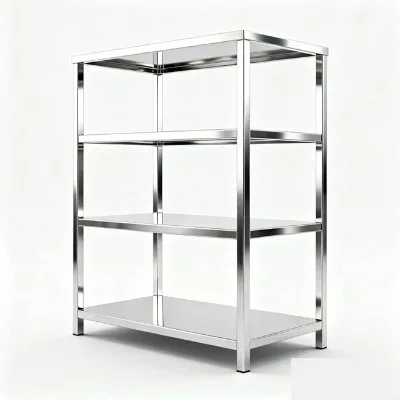
Compare 30 listings for anti-rust steel layer shelf rack options suitable for warehouse storage, supermarket displays, and industrial tool organization. Buyers can evaluate fixed or adjustable designs, powder-coated Q235B steel, and customizable load capacities ranging from 200kg to 3000kg.
Key considerations
Products List




Comprehensive Sourcing Guide
Strategic Sourcing Guide for Anti-Rust Steel Layer Shelf Racks
Understanding Technical Specifications and Material Integrity
When sourcing anti-rust steel layer shelf racks, the primary objective is to secure a system that balances structural rigidity with corrosion resistance. The market offers a diverse array of configurations, ranging from fixed, conventional multi-level racking systems to adjustable, boltless rivet racks suitable for longspan applications. A critical observation in the current supply landscape is the prevalence of Q235B steel as the raw material. This specific steel grade is widely recognized for its favorable balance of strength and weldability, making it a standard choice for warehouse and industrial shelving. The structural integrity of these units is further defined by their surface treatment processes. Powder coating is the dominant method observed, providing a durable finish that resists chipping and fading while offering a barrier against moisture and rust.
The physical dimensions and load capacities vary significantly depending on the intended application. Buyers may encounter units with heights ranging from 0 to 5 meters for lighter, boltless shelving, up to 5 to 15 meters for heavy-duty mezzanine platforms. The load capacity is equally variable, with observed specifications ranging from 150 kg to 500 kg per layer for standard longspan units, extending to 200 kg or even 3000 kg for pallet racking configurations. The number of layers is often customizable, with common configurations including 3, 4, or 5 layers, though some systems support up to 6 layers. It is essential to verify that the specific model selected, whether designated as a QIFEI-Mezzanine Platform or a generic SH-1/PR-1 model, aligns with the vertical space and weight distribution requirements of the facility.
Compliance, Certification, and Standard Verification
Navigating the compliance landscape for industrial shelving requires a careful distinction between observed product attributes and verified certifications. While the supply chain often references international standards such as EN 1090-1 and certifications like CE, these should be treated as potential attributes rather than guaranteed facts for every listed unit. Buyers must explicitly request current certification documentation from the supplier to confirm that the specific batch of steel shelves meets the required safety and quality benchmarks. The absence of a visible certification on a product listing does not necessarily imply non-compliance, but it does necessitate a direct inquiry.
The standard for these products is frequently described as "custom-made to specific storage needs," indicating that the manufacturing process is tailored to the buyer's spatial constraints rather than adhering to a rigid, one-size-fits-all standard. However, the raw material origin is a critical compliance factor. Many suppliers source their steel from major domestic mills, such as Shanghai Baoshan, which implies a certain baseline of quality control regarding the steel's chemical composition and tensile strength. When evaluating compliance, buyers should verify that the powder coating process adheres to environmental and safety standards relevant to their local jurisdiction, particularly regarding volatile organic compounds (VOCs) and lead content in the paint.
Cost Drivers and Pricing Dynamics
The pricing for anti-rust steel layer shelf racks is influenced by a complex interplay of material costs, customization levels, and logistical factors. The observed price range in the market is vast, spanning from $0.50 to $8,000 USD per unit or system. This wide variance is not indicative of quality differences alone but reflects the scale of the order and the complexity of the design. A single, small boltless shelf unit will naturally fall at the lower end of this spectrum, whereas a custom-engineered mezzanine platform spanning 500 to 2000 square meters will command a significantly higher price.
Material costs are a primary driver, with the price of Q235B steel fluctuating based on global market trends. The thickness of the steel, which directly correlates to load capacity, is another significant cost factor. Heavier-gauge steel required for 3000 kg load capacities will cost more than the lighter gauge used for 200 kg shelves. Customization is a major cost variable; while standard blue or orange finishes are often available at a base price, requests for specific colors or non-standard dimensions incur additional tooling and production expenses. Furthermore, the packaging method impacts the final landed cost. Systems requiring wooden pallets, steel straps, and corner protectors for export shipping will have higher packaging costs compared to those utilizing simple plastic bandage and stretch film.
Typical Applications and Usage Scenarios
The versatility of anti-rust steel layer shelf racks allows them to serve a multitude of industries, from heavy industrial manufacturing to retail environments. The observed usage categories include warehouse racking, industrial storage, food processing facilities, supermarkets, tool storage, clothing distribution, beverage logistics, and general tool racks. The choice of rack type often depends on the specific nature of the stored goods. For instance, boltless or rivet racks with a longspan style are ideal for light to medium-duty storage in supermarkets or clothing warehouses where manual loading is frequent. In contrast, pallet racking systems with double-sided structures are better suited for industrial environments where forklifts are used to move heavy pallets.
The environment in which the racks are installed also dictates the necessary anti-rust specifications. Facilities with high humidity, such as food processing or beverage storage areas, require robust powder coating to prevent corrosion. The "Serviceability" attribute of these racks is generally categorized as "Common Use," meaning they are designed for standard operational cycles rather than extreme, continuous heavy-duty abuse. However, for specialized applications like mezzanine platforms, the structural design must account for dynamic loads and potential seismic activity, requiring a more rigorous engineering approach than simple shelving units.
Supplier Evaluation and Origin Considerations
Evaluating a supplier for steel shelving requires a focus on their manufacturing capabilities and geographic location. The majority of the observed supply originates from Nanjing, China, a region known for its robust steel processing industry. When assessing potential partners, buyers should verify the supplier's capacity to handle custom orders, as the standard "Custom-Made" nature of these products means that off-the-shelf inventory may not meet specific spatial requirements. The lead time for these custom orders typically ranges from 10 to 20 days, a factor that must be integrated into the procurement timeline.
Supplier reliability is also measured by their attention to detail in packaging and shipping. The standard export packaging often includes wooden pallets, steel straps, and corner protectors to ensure the racks arrive undamaged. A supplier that neglects these details risks incurring additional costs for damaged goods upon arrival. Additionally, buyers should inquire about the supplier's quality control processes, specifically how they verify the thickness of the steel and the adhesion of the powder coating. While some suppliers may claim adherence to specific standards, the buyer's due diligence should include requesting third-party test reports or factory audit results to validate these claims.
Quality Control and Long-Term Procurement Considerations
Ensuring the long-term durability of anti-rust steel layer shelf racks involves a proactive approach to quality control. The "New" condition of the products is a baseline expectation, but the true measure of quality lies in the consistency of the manufacturing process. Buyers should inspect samples for uniformity in the powder coating, ensuring there are no pinholes, runs, or thin spots that could become initiation points for rust. The structural integrity of the welds and the precision of the bolt holes are also critical indicators of manufacturing quality.
For long-term procurement, the scalability of the supplier is a key consideration. As a business grows, the need for additional racking systems may arise. A supplier that offers consistent customization options and reliable lead times can facilitate seamless expansion. The "Adjustable" mobility feature of some racks allows for future reconfiguration of the warehouse layout, adding value over time. However, buyers must be cautious of "mobility" claims; while some racks are described as adjustable, others are fixed. Understanding the distinction ensures that the purchased system aligns with the facility's future flexibility needs. Finally, maintaining a relationship with a supplier who understands the specific load and environmental requirements of the buyer's operation can lead to better pricing and priority service during peak demand periods.
Comparative Analysis of Rack Configurations
To assist in the selection process, the following table compares common rack configurations based on the observed attributes in the market. This comparison highlights the trade-offs between mobility, load capacity, and structural type.
| Feature | Boltless/Rivet Longspan | Pallet Racking | Mezzanine Platform |
|---|---|---|---|
| Primary Structure | Shelf | Rack | Rack |
| Mobility | Adjustable | Fixed | Fixed |
| Height Range | 0-5m | 5-15m | 5-15m |
| Load Capacity | 150-500kg | 200-3000kg | 200-3000kg |
| Typical Layers | 3-5 Layers | 2-6 Layers | Customized |
| Best For | Light/Medium Duty | Heavy Pallets | High-Density Storage |
| Surface Treatment | Powder Coated | Powder Coated | Powder Coated |
This comparison underscores that while all these systems utilize anti-rust steel and powder coating, their application domains differ significantly. Selecting the wrong configuration can lead to premature wear or safety hazards. Buyers must align the rack type with their specific operational needs, ensuring that the load capacity and height requirements are met without over-engineering the solution. By carefully evaluating these factors, procurement professionals can secure a shelving system that offers both immediate utility and long-term value.
FAQs
What material is used for anti-rust steel layer shelf racks?
The racks are constructed from Q235B steel, sourced from major mills like Shanghai Baoshan. This material offers a balance of strength and weldability, ensuring structural integrity for warehouse and industrial applications.
How are the steel shelves treated to prevent rust?
All units undergo a powder coating process to create a durable, anti-rust finish. This surface treatment resists chipping and fading while providing a necessary barrier against moisture in environments like food processing or beverage storage.
Can the dimensions of the rack be customized for my facility?
Yes, the racks are custom-made to meet specific storage needs and spatial constraints. Buyers can select from various heights, layer counts, and load capacities, with standard options ranging from 200kg to 3000kg per layer.
What is the typical lead time for ordering these steel racks?
The standard lead time for custom orders ranges from 10 to 20 days. This duration accounts for the manufacturing process, which includes cutting, welding, and applying the protective powder coating finish.
Which packaging methods are used for exporting these racking systems?
Export packaging typically includes wooden pallets, steel straps, plastic film, and corner protectors. Some configurations may also utilize plastic bandage and stretch film to ensure the units arrive undamaged during transit.
What is the maximum height available for these steel shelving units?
Available heights range from 0 to 5 meters for boltless longspan shelves up to 5 to 15 meters for mezzanine platforms. The specific height depends on the selected model and the required storage density.