Source Anti Scratch Acrylic Mirror Sheet for Advertising, Decoration, and Display
Compare 27 listings for Anti Scratch Acrylic Mirror Sheet featuring high light transmission, weather resistance, and various thicknesses. Buyers can evaluate tensile strength, density, and packing options from suppliers in China to find the right material for their projects.
Key considerations
Products List

$4.50 - $12.50
MOQ: 300 Square Meters

$4.50 - $12.50
MOQ: 300 Square Meters

$4.50 - $12.50
MOQ: 300 Square Meters

$4.50 - $12.50
MOQ: 300 Square Meters

$4.50 - $12.50
MOQ: 300 Square Meters

$4.50 - $12.50
MOQ: 300 Square Meters




Comprehensive Sourcing Guide
Strategic Sourcing Guide for Anti-Scratch Acrylic Mirror Sheets
Understanding Material Composition and Optical Performance
When sourcing anti-scratch acrylic mirror sheets, the primary focus must be on the distinction between standard acrylic and the specialized mirror-grade variants that offer enhanced durability. The core material for these products is typically 100% virgin PMMA (Polymethyl Methacrylate), often referred to as acrylic. This raw material forms the foundation for high-quality transparent plastic sheets that serve as the substrate for the reflective coating. The optical clarity of these sheets is a critical metric for buyers, with high light transmission rates observed in the range of 92% to 93%. This high transmission ensures that the mirror effect is bright and true to life, minimizing color distortion which is essential for applications in advertising and decoration.
The physical properties of the sheet vary significantly depending on the specific manufacturing process and the intended application. While standard acrylic sheets may have a density of approximately 1.2 g/cm³, the specific gravity can fluctuate slightly based on the formulation. Buyers must verify the tensile strength, as this determines the sheet's resistance to breaking under stress. Observed data indicates a wide range of tensile strength values, from 3.46 MPa for certain flexible variants to 81130 MPa for high-strength rigid sheets, and 3040 MPa for intermediate grades. The water absorption rate is another vital parameter; high-quality acrylic mirrors typically exhibit extremely low water absorption, often cited as less than 0.01% or within the 0.1%~0.3% range, ensuring dimensional stability in humid environments.
The surface finish is equally important for the "anti-scratch" claim. The product specifications often highlight a surface with high hardness and a glossy finish. This is achieved through specific coating processes or the use of virgin materials that inherently resist surface marring. The available thickness for these sheets is extensive, ranging from thin 1mm profiles up to heavy-duty 800mm blocks, though the most common commercial sizes for mirror sheets fall between 1mm and 50mm. Buyers should note that while some listings mention thicknesses up to 10mm or 6mm, the broader market capability extends significantly higher, requiring careful selection based on the structural needs of the final product.
Technical Specifications and Dimensional Standards
Selecting the correct dimensions is a fundamental step in the procurement process, as the availability of specific sizes can impact lead times and shipping costs. The standard board sizes for acrylic mirror sheets are well-established in the industry, with 1220x2440mm and 1220x1830mm being the most common stock dimensions. However, suppliers also offer larger formats such as 2050x3050mm and 2000x3000mm, often available as customized options to reduce waste during fabrication. The standard thicknesses typically span from 1mm to 30mm, with some specialized manufacturers capable of producing sheets up to 50mm or even thicker for specific architectural applications.
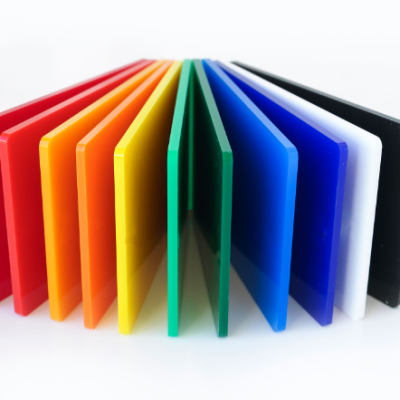
Color options are another critical specification to consider. While the core keyword specifies "mirror sheet," which implies a reflective surface, the underlying acrylic can come in various colors. Standard transparent options are prevalent, but colored variants including red, white, yellow, orange, and black are available, offering 24 different color choices in some product lines. Additionally, metallic finishes such as golden and silver are offered for decorative purposes. The ability to customize the color and thickness is a standard feature, allowing buyers to tailor the product to specific branding or design requirements.
The following table summarizes the observed technical specifications and dimensional ranges available in the market, which buyers should use as a benchmark for supplier inquiries:
| Specification Category | Observed Range / Standard | Notes for Verification |
|---|---|---|
| Material | 100% Virgin PMMA | Verify "Virgin" status to avoid recycled content |
| Thickness | 1mm - 800mm | Common commercial range: 1mm - 50mm |
| Standard Sizes | 1220x2440mm, 1220x1830mm | Larger sizes: 2050x3050mm, 2000x3000mm |
| Light Transmission | 92% - 93% | Critical for mirror brightness |
| Density | 1.2 g/cm³ | Consistency check for material quality |
| Water Absorption | <0.01% to 0.3% | Lower is better for humidity resistance |
| Surface Finish | High Hardness & Glossy | Essential for anti-scratch performance |
| Color Options | Transparent, Red, White, etc. | Up to 24 colors; Metallic options available |
Compliance, Certification, and Environmental Standards
In the B2B procurement landscape, verifying compliance with international standards is non-negotiable, particularly for products used in public spaces, transportation, or food-adjacent environments. Buyers should explicitly request certification documentation from suppliers. Common certifications observed in the acrylic mirror sector include SGS, RoHS, and CE. These certifications indicate that the product has undergone testing for safety, environmental impact, and electrical safety (where applicable). The RoHS directive, for instance, ensures that the material does not contain restricted hazardous substances, which is crucial for electronic applications or consumer goods.
However, buyers must exercise caution regarding the scope of these certifications. A supplier may hold a certification for a specific product line or batch, but it does not automatically apply to every SKU they offer. It is imperative to request the specific test reports for the exact model number being purchased. For example, while some products are certified for weather resistance, others may not be. The "anti-scratch" attribute often relies on a specific coating process that may or may not be covered under the general material certification. Therefore, the verification process should include a direct request for the latest test reports from accredited laboratories like SGS.
Furthermore, the origin of the product plays a role in compliance. Many high-quality acrylic sheets originate from manufacturing hubs in China, specifically in regions like Guangdong and Shanghai. While the geographic origin does not dictate quality, it influences the supply chain logistics and the specific regulatory frameworks the supplier must adhere to for export. Buyers should ensure that the supplier can provide a Certificate of Origin and that the manufacturing facility complies with the environmental regulations of the destination country. The "Good Weather Resistance" attribute mentioned in product descriptions should be backed by UV stability tests, which are often part of the broader certification package.
Cost Drivers and Pricing Structure Analysis
The pricing of anti-scratch acrylic mirror sheets is influenced by a complex interplay of factors, including material purity, thickness, surface treatment, and order volume. The observed price range in the market is vast, spanning from $0.15 to $5,000 per unit or batch, reflecting the diversity of product specifications. The lower end of the spectrum typically corresponds to thinner sheets (1-3mm) with standard finishes and bulk packaging, while the higher end reflects thick, custom-sized, or high-performance sheets with specialized anti-scratch coatings and premium packaging.
Material cost is the primary driver. The use of 100% virgin PMMA material commands a higher price than recycled or blended acrylic. Buyers should verify the raw material composition, as the "virgin" claim directly correlates with optical clarity and durability. Thickness is the second major cost factor; a 50mm sheet costs significantly more per square meter than a 1mm sheet due to the volume of material used. Additionally, the customization of colors and sizes adds to the cost. While standard transparent sheets are the most economical, the availability of 24 colors or metallic finishes like gold and silver may incur a premium.
Packaging and logistics also contribute to the final cost. The product packing details vary from bulk packaging to export-standard wooden boxes and pallets. The requirement for "Export Standard Wooden Packing" or "Packed by Wooden Pallet" ensures the product arrives without damage but adds to the shipping weight and cost. Furthermore, the Minimum Order Quantity (MOQ) is a critical cost driver. The observed MOQ range is 1 to 1000 units. Small orders may carry a higher unit price due to setup costs, while bulk orders often benefit from economies of scale. Buyers should negotiate based on their projected volume, keeping in mind that the MOQ can vary significantly depending on the supplier's production capacity and the specific model number (e.g., Gl-21, GJ02, GV).
Typical Applications and Performance Expectations
Anti-scratch acrylic mirror sheets are versatile materials used across a wide array of industries, primarily driven by their lightweight nature, high light transmission, and resistance to weathering. The primary application area is advertising and decoration. In retail environments, these sheets are used for signage, display cases, and point-of-purchase displays where durability and visual appeal are paramount. The high light transmission (92-93%) ensures that illuminated signs are bright and eye-catching, while the anti-scratch surface maintains the aesthetic quality over time, even in high-traffic areas.
Beyond advertising, these sheets are increasingly used in interior design and architectural applications. The ability to customize colors and thickness allows designers to create unique wall panels, furniture accents, and decorative partitions. The "Excellent Resistance to Weather" attribute makes them suitable for outdoor signage and facades, provided the specific product is rated for UV exposure. The low water absorption rate (<0.01%) ensures that the sheets do not warp or degrade in humid conditions, making them ideal for bathroom mirrors, poolside decorations, and marine applications.
The following table outlines common applications and the specific product attributes that make them suitable:
| Application Sector | Key Requirements | Relevant Product Attributes |
|---|---|---|
| Advertising & Signage | High visibility, durability | 92-93% Light Transmission, Weather Resistance |
| Interior Decoration | Aesthetic variety, scratch resistance | 24 Colors, High Surface Hardness, Anti-scratch |
| Retail Displays | Clarity, impact resistance | Virgin PMMA, Tensile Strength (30-130 MPa) |
| Architectural Panels | Weathering, dimensional stability | Low Water Absorption, Custom Sizes |
| Marine/Outdoor | UV stability, moisture resistance | Excellent Weather Resistance, Low Absorption |
Supplier Evaluation and Quality Control Protocols
Evaluating a supplier for anti-scratch acrylic mirror sheets requires a rigorous approach that goes beyond price comparison. Buyers should prioritize suppliers who can demonstrate a consistent track record of quality control and adherence to specifications. The first step is to verify the supplier's location and production capabilities. Major manufacturing hubs in China, such as Guangdong and Shanghai, offer a concentration of specialized acrylic producers. However, the specific location (e.g., Guangzhou vs. Shanghai) may influence the logistics and the specific product models available, such as the Gl-21 or GV series.
Quality control protocols should be a central part of the supplier evaluation. Buyers must request samples to test the "anti-scratch" claim personally. This can be done using standard abrasion tests to verify the surface hardness. Additionally, the density and tensile strength should be verified against the claimed specifications. A supplier that provides detailed test reports for density (1.2 g/cm³), tensile strength (ranging from 3.46 to 130 MPa), and water absorption is more likely to deliver consistent quality. The "High Surface Hardness & Glossy" finish should be inspected for uniformity, ensuring there are no defects like bubbles, scratches, or uneven coating.
Packaging standards are another indicator of a supplier's reliability. The product packing details, such as "Export Standard Wooden Packing" or "Packed by Wooden Pallet," should be confirmed to ensure the product arrives in pristine condition. Suppliers who use protective layers like PE film and kraft paper on both sides demonstrate a commitment to preventing surface damage during transit. Buyers should also inquire about the supplier's ability to handle custom orders, as the availability of customized sizes and colors is a key differentiator in the market. Finally, the supplier's responsiveness to certification requests and their ability to provide documentation for SGS, RoHS, and CE compliance are essential for mitigating risk in the procurement process.
Long-Term Procurement and Supply Chain Considerations
Sourcing anti-scratch acrylic mirror sheets is not merely a transactional activity but a strategic partnership that requires long-term planning. Buyers should consider the scalability of the supplier's production capacity to meet future demand fluctuations. The wide range of thicknesses (1-800mm) and sizes (up to 2050x3050mm) suggests that a robust supplier can accommodate both small, specialized projects and large-scale industrial contracts. However, the lead time for customized orders may vary, and buyers should establish clear communication channels regarding production schedules and delivery timelines.
Sustainability and material lifecycle are becoming increasingly important in procurement strategies. The use of 100% virgin PMMA material is a positive attribute, but buyers should also inquire about the recyclability of the product and the supplier's environmental policies. The "Excellent Resistance to Weather" and "Good Light Transmission" attributes contribute to the longevity of the product, reducing the need for frequent replacements and thus lowering the total cost of ownership. By selecting high-quality acrylic mirrors that resist scratching and weathering, buyers can ensure that their advertising and decorative installations remain effective for longer periods.
Finally, buyers should maintain a diversified supplier base to mitigate supply chain risks. Relying on a single source for critical materials like acrylic mirror sheets can be risky in the event of production disruptions or logistics issues. Establishing relationships with multiple suppliers in different regions, such as Guangdong and Shanghai, can provide flexibility and resilience. Regular audits of supplier performance, including quality checks and delivery reliability, should be part of the long-term procurement strategy. By focusing on technical specifications, compliance, and supplier reliability, buyers can secure a steady supply of high-quality anti-scratch acrylic mirror sheets that meet their operational and aesthetic requirements.
FAQs
What material is used for anti scratch acrylic mirror sheets?
These sheets are made from 100% virgin PMMA material. This raw material ensures high light transmission of up to 93% and provides the necessary durability for advertising and decoration applications without using recycled content.
Which thickness options are available for these acrylic sheets?
Thickness ranges from 1mm to 800mm depending on the specific product model. Common commercial sizes include 1mm to 50mm, while specialized variants may offer thicknesses between 1mm and 30mm for different structural needs.
Can I find these sheets with high weather resistance?
Yes, many products offer excellent resistance to weather conditions. This feature is supported by low water absorption rates below 0.01% and high surface hardness, making them suitable for outdoor signage and architectural panels.
What certifications do these acrylic mirror sheets typically hold?
Common certifications include SGS, RoHS, and CE for safety and environmental compliance. Buyers should verify specific test reports for the exact model number to ensure the anti-scratch coating and material purity meet required standards.
How is the product packed for export shipping?
Products are packed in export standard wooden boxes or on wooden pallets. Some listings also mention cartons, iron pallets, and PE film protection to ensure the sheets arrive without damage during international transit.
Which colors are available for custom acrylic mirror sheets?
Up to 24 colors are available including transparent, red, white, yellow, and black. Metallic finishes like golden and silver are also offered, allowing for extensive customization in advertising and interior decoration projects.
What is the standard size for these plastic sheets?
Standard sizes include 1220x2440mm and 1220x1830mm. Larger formats like 2050x3050mm and 2000x3000mm are also available, often with customized options to reduce waste during fabrication and installation.