Source anti-scratch full coverage lens protector for iPhone 12, iPhone 13, iPhone 14
Find 30 options for the anti-scratch full coverage lens protector designed for iPhone 12, iPhone 13, and iPhone 14 series. Buyers can compare tempered glass specifications, hardness ratings, and supplier terms to select the best fit for their needs.
Key considerations
Products List
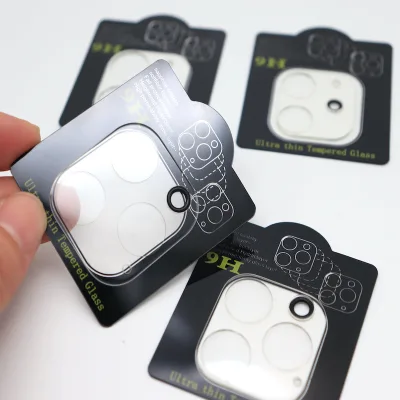
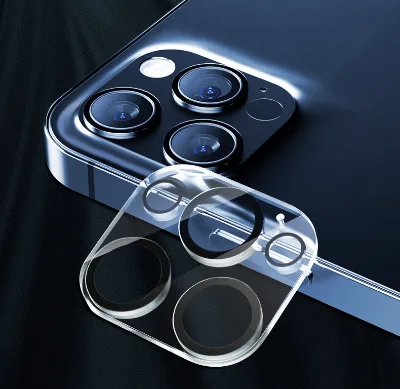
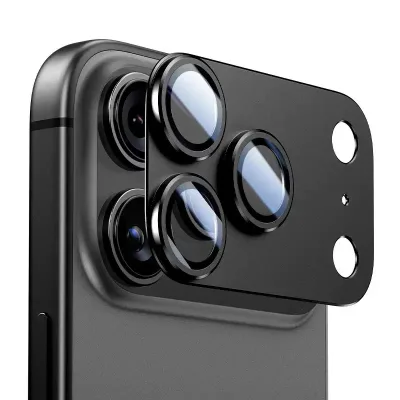

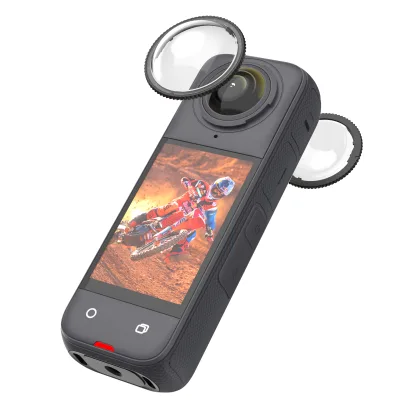


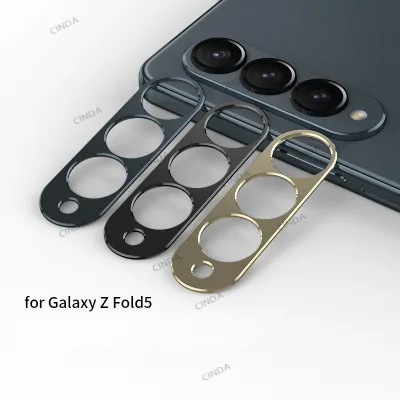

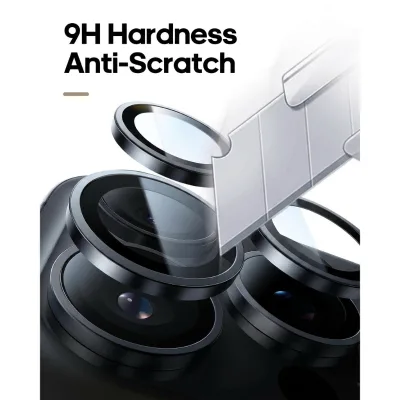
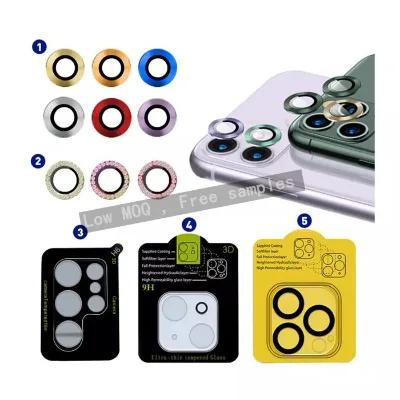
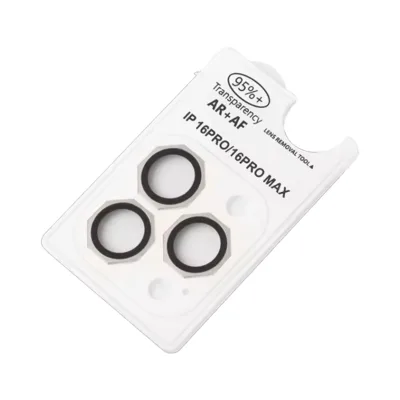


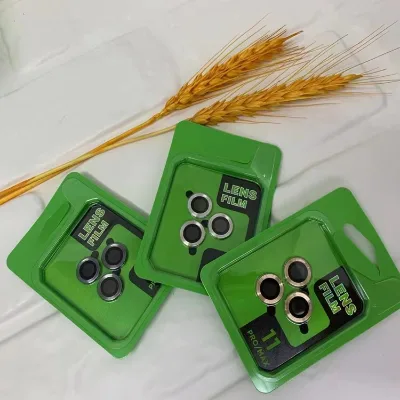


Full Coverage Anti-Scratch Self-Healing Clear Soft TPU Screen Protector Sheet
$0.40 - $0.55
MOQ: 100 piece


12X18cm Anti Glare Anti Scratch Matte TPU Screen Protector Cutting Film
$0.39 - $0.48
MOQ: 1000 Pieces

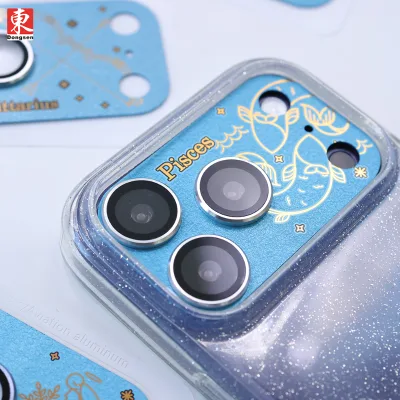
Comprehensive Sourcing Guide
Strategic Sourcing Guide for Anti-Scratch Full Coverage Lens Protectors
Understanding Product Specifications and Technical Attributes
When sourcing anti-scratch full coverage lens protectors, buyers must first establish a clear understanding of the technical specifications that define product performance. The core functionality of these items is protection, specifically designed for mobile phone camera lenses. The primary material observed in high-quality listings is tempered glass, which provides the necessary rigidity and impact resistance. A critical technical attribute for these protectors is hardness, with 9H being a standard benchmark for surface durability against scratches. This hardness rating is essential for maintaining the clarity of the camera lens over time, preventing micro-abrasions that can degrade image quality.
Transparency is another non-negotiable specification. Buyers should verify that the product offers high transparency, with observed values ranging from 97% to 99%. This ensures that the camera's optical performance is not compromised by the added layer. The physical design often features a 3D radian or curved edge, described as a 3D radian in product data, which allows for full coverage without interfering with the phone's case or the lens housing. The thickness of the protector is also a vital metric; specifications indicate a thickness of approximately 0.33mm, which balances protection with the need to maintain the phone's slim profile.
The feature set for these protectors is extensive, including anti-scratch, anti-fingerprint, anti-explosion, and anti-shock properties. Additional features such as being bubble-free, HD clear, and dirt-resistant are standard expectations for premium units. The term "full coverage" implies that the protector extends to the edges of the lens area, often utilizing a "full glue" application method to ensure adhesion and prevent dust accumulation. The color is typically transparent, though some variations may offer anti-glare properties. It is important to note that while "full coverage" is a common feature, the specific implementation can vary between suppliers, requiring buyers to inspect sample images or request detailed diagrams to confirm the extent of the coverage.
Compliance, Certification, and Quality Assurance Standards
In the B2B procurement of electronic accessories, compliance and quality assurance are paramount. While specific certification data may vary by supplier, buyers should be aware of general standards applicable to the industry. One certification frequently associated with electronic components is RoHS, which restricts the use of specific hazardous materials. Although the availability of this certification for every listed product cannot be guaranteed without direct verification, it remains a standard expectation for reputable manufacturers exporting from major production hubs.
Quality grading is another critical aspect of the evaluation process. Product listings often utilize internal grading systems such as "A++" or "Grade AAA" to denote quality tiers. These grades suggest a hierarchy of manufacturing precision, with higher grades indicating fewer defects in the glass cutting, polishing, and coating processes. Buyers should treat these grades as internal supplier classifications rather than universally standardized industry metrics. To ensure consistent quality, procurement teams should request quality guarantee documentation, which may include a warranty period. Observed warranty terms in the market often range up to three months, serving as a baseline for the supplier's confidence in their product's durability.
The origin of the product is also a factor in compliance and quality. The majority of these protectors originate from China, with specific production hubs noted in regions like Guangdong. This concentration of manufacturing allows for economies of scale but requires rigorous supplier vetting to ensure that the production facilities adhere to international quality standards. Buyers should verify that the supplier has a robust quality control process in place, potentially requesting third-party test reports for hardness, transparency, and adhesion strength. The "Quality guarantee" section of product descriptions often mentions specific model compatibility, such as coverage for various Samsung and iPhone series, which implies a level of testing against those specific device geometries.
Cost Drivers and Pricing Structures
The pricing of anti-scratch full coverage lens protectors is influenced by several distinct cost drivers. The primary factor is the material quality; tempered glass with 9H hardness and high transparency commands a higher price than lower-grade alternatives. The complexity of the molding process, particularly for 3D radian designs that offer full coverage, also adds to the manufacturing cost. Suppliers offering OEM or ODM services, such as custom logos or specific packaging, will typically charge a premium over standard white-label products.
Minimum Order Quantity (MOQ) is a significant variable in the total cost of procurement. Market data indicates a wide range of MOQs, from as low as 50 pieces to as high as 1000 pieces. Suppliers with lower MOQs, such as 50 or 100 pieces, often have higher per-unit costs to cover setup and handling fees. Conversely, larger orders can leverage economies of scale to reduce the unit price. The observed price range in the market is broad, spanning from $0.10 to $340 per unit, though this variance likely reflects differences in packaging, branding, and order volume rather than the intrinsic cost of the glass protector itself. Buyers should be cautious of outliers at the high end of this spectrum, as they may include bundled services or premium packaging not essential for the core product.
Payment terms also impact the financial structure of the deal. Common payment methods include T/T (Telegraphic Transfer), Western Union, PayPal, and L/C (Letter of Credit). The choice of payment method can influence the final negotiated price, as suppliers may offer discounts for upfront payments or secure transactions via established banking channels. Additionally, the lead time can affect costs; expedited shipping options like DHL, UPS, FedEx, TNT, or EMS will incur higher logistics fees compared to standard shipping methods. Buyers should factor in these logistics costs when calculating the total landed cost of the product.
Typical Applications and Compatibility Requirements
The primary application for anti-scratch full coverage lens protectors is the protection of mobile phone camera lenses. These devices are designed to shield the camera glass from scratches, cracks, and impact damage, which can occur during daily use, drops, or contact with abrasive surfaces. The compatibility of these protectors is a critical factor for buyers, as the market serves a wide array of device models. Product specifications list compatibility with numerous iPhone models, including the iPhone 12, 13, 14, and 15 series, as well as the latest iPhone 16 variants in various configurations like Pro, Pro Max, and Plus.
Beyond Apple devices, the market also supports other major brands. Compatibility lists often include Samsung models such as the A54, A34, S23, and S24 Ultra, indicating that the supply chain is diversified to meet the needs of users across different ecosystems. The "compatible brand" attribute is often listed as "For Other Brand" or "For iPhone," reflecting the generic nature of the product design which is then adapted to specific device dimensions. Buyers must ensure that the specific model number of the protector matches the exact dimensions of the target phone's camera module. For instance, a protector labeled for "iPhone 12 Pro" may not fit an "iPhone 12" due to differences in camera housing size.
The application process is another consideration. The "full glue" feature suggests that these protectors are designed to adhere seamlessly to the curved surfaces of modern camera lenses, eliminating air bubbles and ensuring a clear optical path. The "matte privacy" variant mentioned in some listings indicates that there are specialized applications for users seeking to obscure the camera view from prying eyes, although the standard transparent version remains the most common. Buyers should verify that the product includes all necessary installation tools, such as cleaning wipes and alignment guides, to ensure a successful application by the end-user.
Supplier Evaluation and Operational Capabilities
Evaluating suppliers for anti-scratch full coverage lens protectors requires a multi-faceted approach. The first step is to assess the supplier's production capabilities and location. Most suppliers are based in China, with Guangdong being a noted production hub. Buyers should verify the supplier's ability to handle their specific order volume, considering the observed MOQ ranges. A supplier with a low MOQ of 50 pieces may be suitable for testing or small retail batches, while a supplier with an MOQ of 1000 pieces is better suited for large-scale distribution.
The brand name associated with the product is another evaluation point. Many suppliers operate as OEM providers, offering products under the buyer's brand or as generic "OEM" items. Some suppliers may have established brand names like "BQC CASE," which can indicate a level of market presence and reliability. However, buyers should be prepared for the possibility of receiving products with no brand name or a generic "OEM" label, depending on the agreement. The "private mold" status is also relevant; products listed as "No private mold" suggest that the tooling is shared, which can lead to faster lead times but potentially less customization.
Logistics and shipping capabilities are critical for B2B operations. Suppliers typically offer a range of shipping methods, including DHL, UPS, FedEx, TNT, and EMS. The lead time for production is another key metric, with observed ranges indicating that standard production can be completed within 3 to 5 workdays. Buyers should confirm this lead time with the supplier, as it can vary based on order volume and current production schedules. Payment flexibility is also a sign of a reliable supplier, with options like T/T, Western Union, and PayPal providing various levels of security and convenience for international transactions.
Quality Control and Long-Term Procurement Considerations
Implementing a robust quality control (QC) process is essential for maintaining product integrity. Buyers should establish clear acceptance criteria based on the technical specifications outlined earlier, such as 9H hardness, 97-99% transparency, and the absence of bubbles or scratches. Regular sampling and inspection are recommended to ensure that the products meet these standards. The "Quality guarantee" offered by suppliers, such as a 3-month warranty, serves as a baseline for accountability. Buyers should clarify the terms of this warranty, including what constitutes a defect and the process for claims.
Long-term procurement considerations involve building a sustainable supply chain. Buyers should look for suppliers who demonstrate consistency in their product quality and delivery times. The "Production date guarantee" mentioned in some listings, which offers a discount if the product is delayed, highlights the importance of timely delivery. For long-term partnerships, buyers should negotiate terms that include volume discounts, priority production slots, and flexible payment terms. It is also advisable to maintain a relationship with multiple suppliers to mitigate the risk of supply chain disruptions.
Finally, buyers should stay informed about market trends and technological advancements. As smartphone designs evolve, the requirements for lens protectors will change. Suppliers who invest in R&D to develop new designs, such as improved 3D radian curves or enhanced anti-glare coatings, will be better positioned to meet future demands. By maintaining a proactive approach to supplier evaluation and quality control, buyers can ensure a steady supply of high-quality anti-scratch full coverage lens protectors that meet the needs of their customers.
Comparative Analysis of Product Attributes
To facilitate decision-making, the following table summarizes key attributes observed in the market for anti-scratch full coverage lens protectors. This comparison highlights the variability in specifications and helps buyers identify the features most relevant to their specific needs.
| Attribute | Common Observation | Variance/Notes |
|---|---|---|
| Material | Tempered Glass | Standard; some may use other polymers |
| Hardness | 9H | Industry standard for scratch resistance |
| Transparency | 97% - 99% | Higher values preferred for optical clarity |
| Thickness | 0.33mm | Balances protection and device profile |
| MOQ | 50 - 1000 pcs | Varies by supplier and order volume |
| Lead Time | 3-5 workdays | Standard production window |
| Warranty | 3 months | Typical duration for quality guarantee |
| Compatibility | iPhone 12-16, Samsung S/A series | Must match specific model numbers |
| Features | Anti-scratch, Anti-fingerprint, Full Coverage | Core features; some include anti-glare |
| Origin | China (Guangdong) | Major production hub |
| Payment | T/T, PayPal, Western Union | Standard international methods |
This table serves as a reference for buyers to quickly assess the typical characteristics of products in this category. It underscores the importance of verifying specific details with each supplier, as the variance in attributes like MOQ and transparency can significantly impact the final procurement decision. By focusing on these core attributes, buyers can effectively navigate the market and source high-quality lens protectors that align with their business requirements.
FAQs
What material is used for anti-scratch full coverage lens protectors?
Tempered glass is the primary material used for these protectors. This material provides 9H hardness and ensures high transparency, typically ranging from 97% to 99%, to maintain camera clarity while offering full coverage protection.
Which iPhone models are compatible with these lens protectors?
These protectors are compatible with a wide range of iPhone models including the iPhone 12, 13, 14, 15, and 16 series in various configurations like Pro, Pro Max, and Plus. Specific model numbers must be matched to ensure proper fit for the camera module.
How does the 3D radian design benefit the camera lens?
The 3D radian design allows for full coverage without interfering with the phone case or lens housing. This curved edge feature ensures the protector adheres seamlessly to the lens surface, preventing dust accumulation and maintaining a slim profile.
Can I get these protectors with a minimum order quantity of 50 pieces?
Yes, some suppliers offer a minimum order quantity of 50 pieces for these protectors. Other listings may require a higher MOQ of 100 pieces, so buyers should verify specific supplier requirements before placing an order.
What is the typical lead time for production and shipment?
The standard production lead time is usually 3 to 5 workdays. Shipping can be arranged via carriers like DHL, UPS, FedEx, TNT, or EMS, depending on the buyer's preference and urgency.
What transparency level do high-quality lens protectors offer?
High-quality lens protectors offer transparency levels between 97% and 99%. This ensures that the camera's optical performance is not compromised, providing HD clear images without distortion or reduced light transmission.
Are these protectors suitable for Samsung phone models as well?
Yes, the product listings indicate compatibility with Samsung models such as the A54, A34, S23, and S24 Ultra. Buyers should check specific model numbers to ensure the protector fits the camera dimensions of their Samsung device.
What warranty is typically provided for these lens protectors?
A 3-month warranty is typically provided for these lens protectors. This warranty serves as a guarantee of quality, reflecting the supplier's confidence in the product's durability against scratches and impact damage.