Source Anti-Slip Hand Brake Sleeve for Bicycle, Exercise Machine, and Industrial Component
Find and compare 30 Anti-Slip Hand Brake Sleeve options from verified manufacturers in China. Evaluate silicone rubber and PVC materials, custom OEM capabilities, and IP ratings to select the right grip for tube, exercise machine, or industrial applications.
Key considerations
Products List


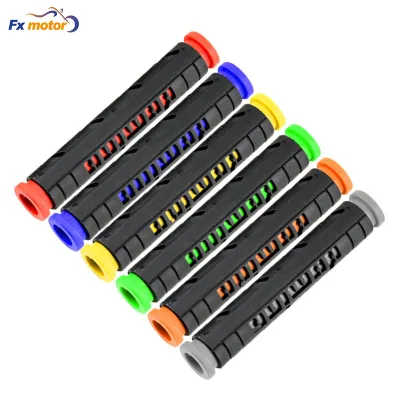


$0.10 - $10.00
MOQ: 10 Pieces


Comprehensive Sourcing Guide
Anti-Slip Hand Brake Sleeve Sourcing Guide
Sourcing anti slip hand brake sleeves requires a nuanced understanding of material science, mechanical fit, and end-use environment. These components serve as critical interface elements between the operator’s hand and the braking mechanism, directly influencing control precision, safety, and ergonomic comfort. In industrial and automotive contexts, a failure in grip integrity can lead to delayed reaction times or loss of control, making the selection of the correct sleeve a high-stakes procurement decision. Buyers must look beyond superficial aesthetics and focus on the functional properties that ensure reliable performance under stress, vibration, and varying environmental conditions.
The market for these sleeves is diverse, ranging from simple rubber grips for manual tools to complex, customized assemblies for heavy machinery and exercise equipment. Procurement teams often encounter a wide array of materials, including silicone rubber, natural rubber, and thermoplastic elastomers, each offering distinct trade-offs in durability, texture, and cost. Understanding the specific operational demands—such as exposure to oil, extreme temperatures, or high-frequency vibration—is essential for narrowing down the supplier base. This guide provides a structured approach to evaluating suppliers, verifying technical specifications, and ensuring compliance with relevant safety standards.
Product Scope and Observed Listing Signals
The observed product landscape reveals a significant variation in material composition and intended application, which serves as a primary signal for buyer due diligence. Listings frequently cite materials such as silicone rubber and rubber, with some entries specifically noting "Ruber" as a material type, likely indicating a typo for rubber or a specific compound. The presence of certifications like RoHS, CE, ISO9001, and CCC suggests that many suppliers cater to regulated markets, particularly in electronics and automotive sectors. However, buyers must verify that these certifications apply specifically to the anti-slip sleeve material and not just the broader product line, as composite products often have mixed compliance statuses.
Application signals in the market are equally varied, with some sleeves designed for tube and exercise machines, while others are specified for vehicle components or industrial parts. This divergence highlights the importance of matching the product’s physical attributes to the operational context. For instance, sleeves for exercise equipment may prioritize comfort and sweat resistance, whereas those for industrial vehicles might need to withstand higher temperatures and chemical exposure. The observed customization options, including OEM services and logo printing, indicate that many manufacturers are equipped to handle bespoke requirements, but this also introduces complexity in quality control and lead time management.
Technical Specifications to Verify
Material composition is the most critical technical specification to verify, as it dictates the sleeve’s resistance to wear, temperature, and environmental factors. Silicone rubber is often preferred for its high-temperature resistance and flexibility, while standard rubber may offer better tensile strength for heavy-duty applications. Buyers should request detailed material data sheets that specify the durometer (hardness), tensile strength, and elongation at break. Additionally, the cross-section shape, such as O-rings or custom profiles, must be verified against the handle geometry to ensure a secure fit. Misalignment in cross-section can lead to slippage or premature failure, undermining the anti-slip function.
Dimensional accuracy and surface texture are equally vital for ensuring proper fit and grip performance. The observed standard sizes range from 0.059 inches to 8 inches, but custom sizes are also available, requiring precise measurement of the handle diameter. Buyers should confirm whether the supplier provides tolerance levels for inner and outer diameters, as even minor deviations can affect installation and performance. Surface texture, often achieved through molding or post-processing, should be evaluated for consistency and durability. Testing for coefficient of friction under various conditions, such as wet or oily surfaces, is recommended to validate the anti-slip claims.
Compliance and Safety Documentation
Regulatory compliance is a non-negotiable aspect of sourcing anti slip hand brake sleeves, particularly for products used in automotive or industrial settings. Certifications such as RoHS, CE, and ISO9001 are commonly cited, indicating adherence to environmental and quality management standards. However, buyers must ensure that these certifications are current and applicable to the specific product batch. For example, RoHS compliance is crucial for electronics-related applications, while CE marking is essential for products sold in the European market. Documentation should include test reports from accredited laboratories to verify compliance with relevant directives.
Safety standards related to material toxicity and flammability should also be reviewed, especially for products used in enclosed spaces or near heat sources. Buyers should request Material Safety Data Sheets (MSDS) to understand the chemical composition and potential hazards associated with the sleeve material. Additionally, if the product is intended for use in food-grade or medical environments, specific certifications such as FDA compliance may be required. Verifying these documents not only ensures legal compliance but also protects the buyer from liability in case of product-related incidents.
Cost Drivers and Commercial Terms
The cost of anti slip hand brake sleeves is influenced by several factors, including material type, customization level, and order volume. Silicone rubber sleeves typically command a higher price due to their superior performance characteristics, while standard rubber options may be more cost-effective for less demanding applications. Customization, such as logo printing or unique shapes, adds to the production cost and may increase lead times. Buyers should negotiate clear pricing structures that account for these variables, ensuring that quotes include all relevant fees, such as tooling and setup costs.
Minimum Order Quantities (MOQs) and payment terms are also significant commercial considerations. Observed MOQs range from 1 to 10,000 units, offering flexibility for both small-scale and large-volume purchases. However, higher MOQs often result in lower per-unit costs, so buyers should balance volume discounts against inventory holding costs. Payment terms, such as advance payment or letter of credit, should be aligned with the supplier’s reliability and the project’s timeline. Clear communication regarding delivery times, which can range from 30 days for standard items to longer periods for custom orders, is essential for effective supply chain planning.
Supplier Qualification and Quality Control
Supplier qualification is a critical step in ensuring the reliability and consistency of anti slip hand brake sleeves. Buyers should assess the supplier’s manufacturing capabilities, including their experience with the specific materials and customization requirements. Factories with ISO9001 certification are generally more reliable in maintaining consistent quality standards, but buyers should also conduct on-site audits or request third-party inspection reports to verify production practices. Additionally, evaluating the supplier’s R&D capabilities can provide insight into their ability to innovate and adapt to changing market needs.
Quality control processes should be clearly defined and agreed upon before production begins. This includes establishing acceptance criteria for material properties, dimensions, and surface finish. Buyers should request samples for pre-production approval and conduct random inspections during production to catch any deviations early. Post-production testing, such as pull tests or friction measurements, can further validate the product’s performance. Establishing a robust quality control framework helps mitigate risks and ensures that the final product meets the specified requirements.
Long-Term Procurement Checks
Long-term procurement success depends on continuous monitoring of supplier performance and product quality. Buyers should establish key performance indicators (KPIs) such as defect rates, delivery timeliness, and responsiveness to issues. Regular reviews of these metrics can help identify potential problems early and facilitate corrective actions. Additionally, maintaining open communication with the supplier can foster a collaborative relationship, leading to better problem-solving and innovation. Periodic re-evaluation of the supplier’s certifications and compliance status is also necessary to ensure ongoing adherence to regulatory requirements.
As market conditions and technology evolve, buyers should remain vigilant about emerging trends and alternatives in anti slip sleeve materials and designs. Engaging with industry forums and attending trade shows can provide valuable insights into new developments and best practices. Furthermore, diversifying the supplier base can reduce dependency on a single source and enhance supply chain resilience. By adopting a proactive and strategic approach to procurement, buyers can secure high-quality anti slip hand brake sleeves that meet their operational needs and contribute to long-term business success.
FAQs
What materials are used for anti slip hand brake sleeves?
Anti slip hand brake sleeves are typically manufactured from rubber or silicone rubber to ensure durability and grip. These materials provide essential flexibility and resistance to wear, making them suitable for various applications such as exercise machines, bicycles, and industrial components. The choice between rubber and silicone often depends on specific environmental requirements like temperature resistance or chemical exposure.
Can these sleeves be customized for specific applications?
Yes, customization is available for anti slip hand brake sleeves to meet unique operational needs. Buyers can request specific sizes, colors, or logo printing to align with brand identity or functional requirements. OEM services are supported, allowing for tailored solutions that fit particular tube, exercise machine, or bicycle part specifications, ensuring a precise fit and optimal performance in diverse industrial settings.
What certifications do these products typically hold?
These products commonly hold certifications such as RoHS, CE, ISO9001, CCC, and SGS. These certifications indicate compliance with international safety, environmental, and quality management standards. Buyers can rely on these credentials to ensure that the anti slip hand brake sleeves meet rigorous regulatory requirements for export and use in regulated industries, providing assurance of product quality and material safety.
What is the typical lead time for orders?
The typical delivery time for Anti-Slip Hand Brake Sleeve orders is approximately 30 days. This timeframe allows for production, quality control, and packaging processes to be completed efficiently. Buyers should consider this lead time when planning inventory or project schedules, especially for customized orders which may require additional processing time for specific design or material adjustments.
How are the sleeves packaged for shipping?
Packaging methods vary by supplier but often include inner poly bags or PP bags, followed by carton boxes. Some suppliers use wooden cases for larger orders or pallets for added protection during transit. This multi-layered packaging ensures that the anti slip hand brake sleeves remain secure and undamaged during international shipping, protecting the product from moisture, impact, and handling stresses.
Where are these products primarily manufactured?
These products are primarily manufactured in China, with key production hubs located in Zhejiang and Qingdao regions. These areas are known for their robust manufacturing infrastructure and supply chain efficiency. Buyers sourcing from these locations can benefit from established industrial ecosystems that support high-volume production, competitive pricing, and reliable logistics for global distribution of anti slip hand brake sleeves.