Source anti-slip hand embroidered kid rug for Bedroom, Living Room, Kids Room
Compare 30 listings for anti-slip hand embroidered kid rug suitable for bedrooms, living rooms, and kids' rooms. Buyers can evaluate features like eco-friendly materials, custom designs, and certifications such as OEKO-TEX 100 and BSCI from verified manufacturers.
Key considerations
Products List
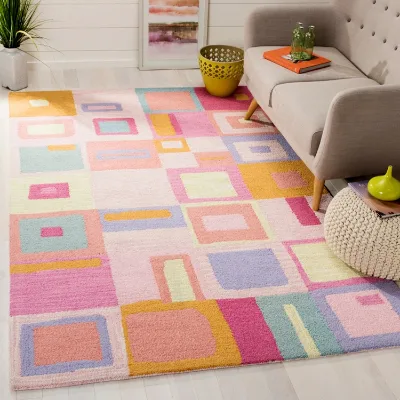
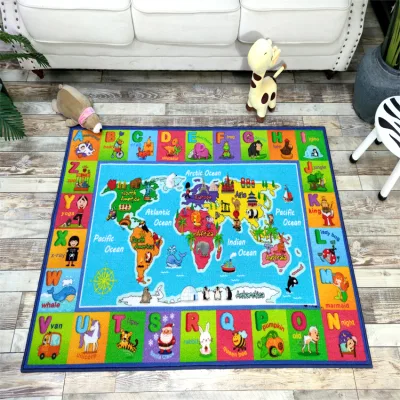


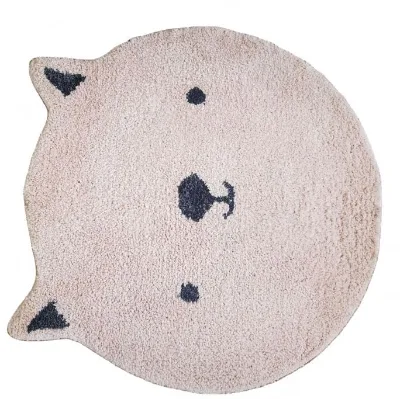


Popular Kid Rug Floor Carpet Handmade Wool Rug Non-Slip Area Floor Rugs Die Cut Hand Tufted Play Mat
$29.00 - $59.00
MOQ: 5 Square Meters


$29.00 - $59.00
MOQ: 5 Square Meters

$29.00 - $59.00
MOQ: 5 Square Meters

Baby Rainbow Tufted Play Mats Soft Mat Game Rugs Floor Carpet Custom Kids Floor Mats
$29.00 - $59.00
MOQ: 10 Pieces

Soft Rugs Mat Anti-Slip Shaggy Kids Room Carpets Children Play Anti-Slip Mat
$7.57 - $15.00
MOQ: 300 Square Meters

Kids Play Carpet Rugs Baby Play Mat Children Seat Mat for Kindergarten
$3.80 - $4.90
MOQ: 100 Square Meters
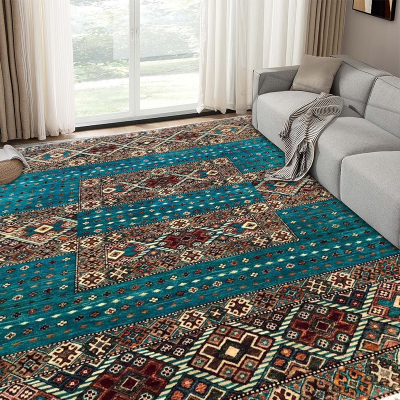
Comprehensive Sourcing Guide
Anti-Slip Hand Embroidered Kid Rug Sourcing Guide
Sourcing children’s rugs requires a careful balance between aesthetic appeal, safety compliance, and functional durability. While the core keyword emphasizes "hand embroidered" designs, the current market landscape for kid-friendly floor coverings is dominated by machine-made, printed, and tufted alternatives that offer consistent quality and lower price points. Buyers must distinguish between true artisanal embroidery and machine-embroidered or printed patterns that mimic the look. The primary focus for procurement teams should be on verifying the actual construction method, as "hand embroidered" claims often serve as marketing descriptors rather than technical specifications. Understanding the difference between surface material composition and backing technology is critical for ensuring the rug meets both aesthetic and safety standards for children’s environments.
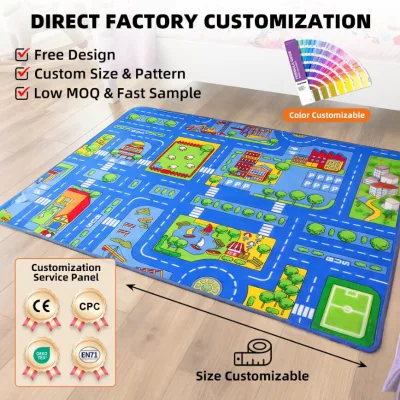
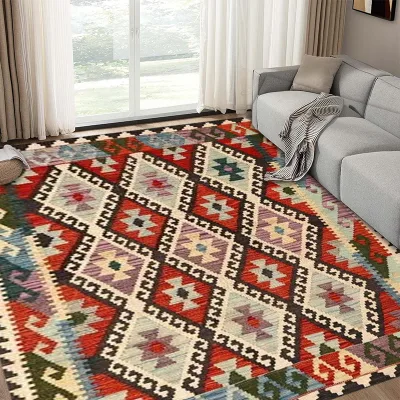
The procurement strategy for these products must account for the specific usage environments, which typically include bedrooms, living rooms, and dedicated play areas for children and teenagers. The observed product data indicates a strong preference for customizable designs, with options ranging from specific color palettes like pink to fully custom graphics. Buyers should recognize that while the keyword suggests a niche artisanal product, the broader category includes mass-produced items with features such as non-slip backing, waterproof surfaces, and eco-friendly certifications. Aligning the sourcing request with the actual capabilities of suppliers in major manufacturing hubs, such as Shandong, China, ensures that the final product matches the intended application, whether it is for home decoration, outdoor picnics, or high-traffic indoor play zones.
Product Scope and Observed Listing Signals
The current market signals indicate a wide variance in product definitions, with many listings offering "custom design" capabilities rather than fixed stock items. The observed price range spans from $1.8 to $120 USD, reflecting the disparity between basic synthetic rugs and premium, custom-designed options. Minimum Order Quantities (MOQs) vary significantly, ranging from as low as 1 unit for sample testing to 2000 units for bulk production, with some suppliers setting a baseline of 500 square meters. This variability suggests that buyers should engage in early negotiations to clarify whether the quoted price includes design fees, which are often listed as free, and whether the MOQ is based on unit count or surface area. Understanding these commercial signals helps in determining the feasibility of small-batch custom orders versus large-scale standard production.
Product attributes observed in the market highlight a strong emphasis on customization and material versatility. Surface materials commonly include 100% nylon, polyester, microfiber, and polypropylene, with pile weights ranging from 250g/m² to 1200g/m². The backing materials are equally diverse, featuring latex, TPR (Thermoplastic Rubber), woven, or non-woven options, which directly impact the rug’s stability and slip resistance. Sizes are frequently customized, with standard dimensions like 80x120cm and 100x150cm being common, alongside fully bespoke dimensions. Buyers should note that while the keyword specifies "hand embroidered," many observed products utilize chromojet printing or machine-made techniques to achieve complex designs, which may be a more cost-effective and durable solution for high-use children’s areas.
Technical Specifications to Verify
When evaluating technical specifications, the pile height and thickness are critical factors that influence both comfort and maintenance. Observed data indicates pile heights ranging from 3mm to 16mm, with medium thicknesses between 0.4 and 0.6 inches being common for general home use. For children’s rooms, a pile height that is too high may trap allergens and dirt, while one that is too low may lack the cushioning needed for play. Buyers should verify the exact pile weight and density, as these metrics determine the rug’s durability and resistance to crushing under furniture or heavy foot traffic. Additionally, the shape options, which include rectangles, squares, and rounds, should be matched to the room’s layout to maximize space utilization and safety by avoiding sharp corners in high-traffic play areas.
The construction technique and surface material composition are paramount for ensuring the rug’s longevity and safety. While the keyword suggests hand embroidery, many suppliers offer machine-made or printed alternatives using 100% polyester or nylon, which offer superior stain resistance and ease of cleaning. Buyers must verify whether the design is printed, tufted, or truly embroidered, as this affects the rug’s ability to withstand washing and wear. The backing material, whether latex or TPR, plays a crucial role in the rug’s anti-slip properties and overall stability. It is essential to confirm that the backing is securely bonded to the surface material to prevent delamination, which can pose a tripping hazard or release harmful adhesives over time.
Compliance and Safety Documentation
Safety certifications are non-negotiable for products intended for children’s environments. The observed market data highlights several key certifications, including OEKO-TEX 100, BSCI, ISO9001, and ISO14001. OEKO-TEX 100 certification ensures that the textile components are free from harmful substances, which is critical for preventing skin irritation or allergic reactions in children. BSCI certification indicates adherence to social compliance standards, ensuring ethical labor practices in the supply chain. Buyers should request valid, up-to-date certificates for each batch or production run, as these documents serve as proof of compliance with international safety and ethical standards. Verifying these certifications helps mitigate legal risks and ensures that the products meet the stringent requirements of retail markets in North America and Europe.
In addition to material safety, buyers must verify the physical safety features of the rugs, particularly regarding slip resistance and fire retardancy. While the observed data mentions "non-slip" features, it is essential to request specific test reports that quantify the slip resistance coefficient, especially for rugs used in areas prone to moisture or spills. The waterproof and washable claims observed in some listings should be backed by practical testing data to ensure that the rug can withstand frequent cleaning without degrading. Buyers should also inquire about flame retardancy standards, as many jurisdictions require specific fire safety ratings for floor coverings in residential and commercial settings. Ensuring that the rug meets these physical safety criteria is vital for protecting children from accidents and ensuring long-term usability.
Cost Drivers and Commercial Terms
The cost of sourcing children’s rugs is influenced by several key factors, including material selection, customization complexity, and order volume. The use of premium materials such as 100% nylon or microfiber, along with high pile weights, will naturally increase the unit cost compared to standard polypropylene options. Custom designs, whether through printing or embroidery, add to the production time and cost, although some suppliers offer free art fees for standard designs. Buyers should negotiate clearly on whether the MOQ is based on square meters or individual units, as this can significantly impact the total cost for smaller orders. Understanding these cost drivers allows for more accurate budgeting and helps in identifying opportunities for cost savings without compromising on quality or safety.
Commercial terms, including payment conditions, lead times, and shipping arrangements, are critical components of the procurement process. The observed MOQ range of 1 to 2000 units suggests flexibility for buyers, but it is essential to clarify the lead times for both sample production and bulk manufacturing. Buyers should also verify the packaging specifications, such as the single package size and gross weight, to calculate accurate shipping costs and storage requirements. Negotiating favorable payment terms, such as a deposit followed by balance upon inspection, can help mitigate financial risks. Additionally, understanding the supplier’s return and defect policies is crucial for managing potential quality issues that may arise during production or delivery.
Supplier Qualification and Quality Control
Supplier qualification is a foundational step in ensuring the reliability and consistency of the sourced products. Buyers should prioritize suppliers who hold relevant certifications such as OEKO-TEX 100 and BSCI, as these indicate a commitment to quality and ethical manufacturing practices. It is also important to verify the supplier’s production capabilities, including their ability to handle custom designs and varying MOQs. Suppliers located in major manufacturing hubs like Shandong, China, often have established supply chains and expertise in textile production, but buyers should conduct due diligence to assess their financial stability and operational capacity. Requesting references or case studies from previous clients can provide additional insights into the supplier’s reliability and performance.
Quality control measures must be implemented throughout the production process to ensure that the final product meets the specified standards. Buyers should establish clear quality criteria, including acceptable tolerances for color matching, pile height, and backing adhesion. Conducting pre-production samples and in-line inspections can help identify and rectify potential issues early in the manufacturing process. Final random inspections before shipment are essential to verify that the products conform to the agreed-upon specifications and quality standards. Implementing a robust quality control plan not only reduces the risk of receiving defective goods but also enhances the overall customer satisfaction and brand reputation.
Long-Term Procurement Checks
Long-term procurement success depends on continuous monitoring and evaluation of supplier performance and product quality. Buyers should establish key performance indicators (KPIs) to track metrics such as on-time delivery, defect rates, and responsiveness to issues. Regular audits and reviews of supplier certifications ensure that they maintain compliance with evolving safety and ethical standards. Building a strong relationship with suppliers through open communication and collaborative problem-solving can lead to better pricing, improved quality, and greater flexibility in handling custom orders. Additionally, staying informed about market trends and technological advancements in rug manufacturing can help buyers make informed decisions and stay competitive in the marketplace.
Sustainability and environmental impact are increasingly important considerations for long-term procurement strategies. Buyers should prioritize suppliers who demonstrate a commitment to eco-friendly practices, such as using recycled materials or implementing energy-efficient production processes. Verifying the environmental certifications, such as ISO14001, can provide assurance that the supplier is managing their environmental footprint responsibly. Incorporating sustainability into the procurement strategy not only aligns with global regulatory trends but also appeals to environmentally conscious consumers. By focusing on long-term partnerships and sustainable practices, buyers can ensure the resilience and relevance of their product offerings in the evolving children’s rug market.
FAQs
What certifications do these rugs have?
These rugs hold OEKO-TEX 100, BSCI, ISO9001, and ISO14001 certifications. These standards ensure safety and quality for children's use in bedrooms and living rooms.
How can I customize the rug design?
You can request custom designs or use the provided picture as a base. The manufacturer accepts OEM requests and allows for custom logos on the product.
What is the minimum order quantity required?
The minimum order quantity is 500 square meters for this specific product line. Some variations may allow lower quantities, but 500m2 is the standard baseline.
Which materials are used for the surface?
The surface material is made of 100% Nylon or Polyester. These materials provide durability and are suitable for high-traffic areas like kids' rooms.
Can the rug be used in outdoor settings?
Yes, the rug is designed for both indoor and outdoor use. It features waterproof and washable properties, making it versatile for picnics and home decoration.
What is the thickness of the rug pile?
The pile height ranges from 3mm to 7mm for standard models. Some variations offer a thicker pile height up to 16mm for added comfort.
How is the rug manufactured technically?
The rugs are produced using Chromojet printed or machine-made techniques. This ensures precise designs and consistent quality across all custom orders.