Source Clear Portable Cosmetic Plastic Jar for Creams, Lotions, and Gels
Find and compare 30 listings for Clear Portable Cosmetic Plastic Jar options from verified suppliers. Evaluate materials like PP and plastic, check MOQs ranging from 10 to 30,000 pieces, and review lead times to find the best fit for your packaging needs.
Key considerations
Products List


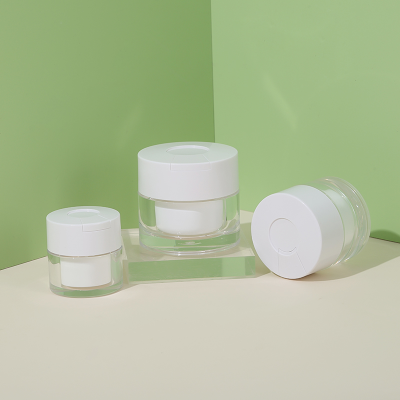


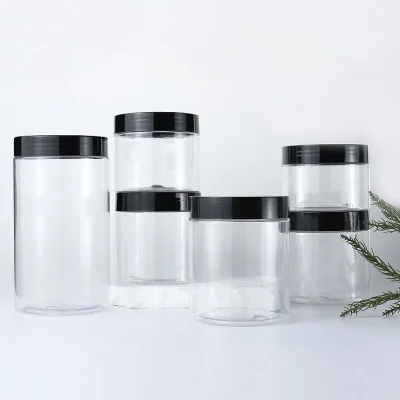
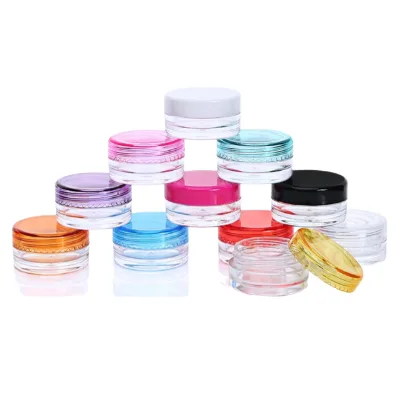

Comprehensive Sourcing Guide
Clear Portable Cosmetic Plastic Jar Sourcing Guide
Sourcing clear portable cosmetic plastic jars requires careful attention to material integrity and portability features, as the market offers diverse options ranging from small 3g mini jars to larger 50g containers. Buyers must verify that the selected plastic, often PP or general plastic variants, ensures non-spill functionality while maintaining the clarity required for premium cosmetic presentation. The observed product range includes specific models like WL-PJ009 and OPPP1202, which demonstrate the variety in sealing types and dimensions available for different packaging needs.
Procurement decisions should also account for the specific industrial applications, such as cosmetics, tea, food, or chemical storage, which dictate the necessary chemical resistance and sealing performance. While some listings highlight eco-friendly attributes and custom color options, buyers must confirm that the "clear" aesthetic does not compromise the structural integrity needed for aerosol or chemical usage. Understanding these application-specific constraints ensures the selected jar meets both aesthetic and functional requirements for the intended product line.
Product Scope and Observed Listing Signals
The current market signals indicate a wide spectrum of product specifications, with observed models ranging from 10ml to 20ml capacities and sizes extending up to 50g for jar applications. Listings frequently mention specific dimensions like 29mmx17mm for certain 3G variants, alongside standard sizes such as 15g, 30g, and 50g, which cater to different volume requirements for creams and lotions. Buyers should note that while some products are described as "small package tanks," others are explicitly categorized as jars, requiring distinct verification of the physical form factor before ordering.
Commercial signals also reveal significant variability in minimum order quantities, with observed ranges spanning from 10 units to 30,000 pieces, reflecting the flexibility of different manufacturing setups. Packaging methods vary from safe export packs and cardboard boxes to standard export cartons, influencing the logistics and protection strategy for the shipment. Procurement teams must align their order volume with the supplier's daily capacity, which can reach 50,000 pieces, to ensure timely fulfillment without compromising on the quality of the clear plastic material.
Technical Specifications to Verify
Technical verification must begin with the sealing mechanism, as screw caps are a dominant feature in the observed listings, ensuring the non-spill performance critical for portable cosmetic use. Buyers should confirm that the specific model, whether it is the cosmetic jar or a specialized tank, utilizes a screw cap that provides an airtight seal suitable for aerosols and chemicals. The material composition, identified as either PP or general plastic, must be validated to ensure it does not react with the contents, particularly when storing sensitive cosmetic formulations or food-grade products.
Dimensional accuracy is another critical technical parameter, with observed specifications including sizes like 10ml, 15ml, and 20ml, as well as weight capacities up to 50g. It is essential to verify that the physical dimensions match the intended product design, especially for models like the 3g mini cosmetic cream jar which may have unique proportions. Additionally, the color options, often listed as white or different colors, should be confirmed to ensure they meet the brand's visual identity while maintaining the clarity required for the product's aesthetic appeal.
Compliance and Safety Documentation
Compliance verification is paramount when sourcing cosmetic containers, as the observed listings cite certifications such as CIQ, ISO, CE, and SGS, which indicate adherence to various safety and quality standards. Buyers must request current certification documents to confirm that the plastic jars meet the regulatory requirements for the target market, particularly for food and cosmetic applications where material safety is strictly regulated. The presence of these certifications suggests a baseline of quality control, but independent verification is necessary to ensure the specific batch meets the required standards.
Safety documentation should also address the specific usage claims, such as suitability for aerosols, chemicals, and food items, which require distinct material properties to prevent leakage or contamination. While some listings mention eco-friendly attributes, buyers should seek concrete evidence regarding the recyclability or environmental impact of the plastic used. Ensuring that the supplier can provide test results or compliance reports for the specific model, such as the WL-PJ009 or OPPP1202, is crucial for mitigating risks associated with product liability and regulatory non-compliance.
Cost Drivers and Commercial Terms
Cost structures for clear portable cosmetic plastic jars are heavily influenced by the minimum order quantity, which ranges widely from 10,000 to 30,000 pieces depending on the supplier and customization level. Buyers should anticipate that lower MOQs may result in higher unit costs, while larger orders can leverage the supplier's daily capacity of 50,000 pieces to achieve more favorable pricing tiers. The complexity of customization, including specific colors or custom orders, will also impact the final cost, necessitating a detailed negotiation strategy to balance budget constraints with design requirements.
Commercial terms regarding lead times and delivery cycles are equally critical, with observed ranges spanning from 7-10 days to 20-25 days depending on the order volume and production schedule. Suppliers often offer free samples to facilitate product evaluation, which can help buyers assess quality before committing to a large order. However, the lead time must be factored into the overall supply chain planning, as delays in production or shipping from origins like Ningbo, Zhejiang, or Yuyao could disrupt the launch schedule of the cosmetic product.
Supplier Qualification and Quality Control
Supplier qualification should focus on verifying the production origin and capacity, with observed locations including Ningbo, Zhejiang, and Yuyao, which are known manufacturing hubs for plastic packaging. Buyers must assess the supplier's ability to maintain consistent quality, as indicated by the "High Quality" claims and the availability of customization services. It is advisable to request a factory audit or video tour to confirm that the production lines are equipped to handle the specific requirements of clear plastic jars, ensuring that the manufacturing process adheres to the stated standards.
Quality control protocols must be established to ensure that every batch meets the specified criteria for material, sealing, and dimensions. Buyers should implement a rigorous inspection process that includes checking for defects such as scratches, cloudiness, or improper sealing, which could compromise the product's integrity. The supplier's ability to provide free samples and their track record with certifications like SGS and CIQ serve as initial indicators of reliability, but ongoing quality checks are essential to maintain the high standards required for cosmetic packaging.
Long-Term Procurement Checks
Long-term procurement success depends on establishing a reliable supply chain that can adapt to changing market demands and volume fluctuations. Buyers should maintain open communication with suppliers to monitor their production capacity and lead times, ensuring that the supply of clear cosmetic jars remains consistent even during peak seasons. Regular reviews of the supplier's performance, including their adherence to delivery schedules and quality standards, will help identify potential issues before they impact the business operations.
Sustainability and innovation should also be part of the long-term strategy, as the market increasingly values eco-friendly materials and advanced packaging solutions. Buyers should stay informed about new developments in plastic technology and regulatory changes that could affect the sourcing of cosmetic jars. By fostering a collaborative relationship with suppliers who demonstrate a commitment to quality and compliance, buyers can secure a stable supply of high-performance packaging that supports their brand's growth and reputation in the competitive cosmetic industry.
FAQs
What materials are used for these cosmetic jars?
The jars are manufactured from durable plastic materials, specifically including PP (polypropylene). These materials ensure the containers are lightweight yet robust for daily use. The plastic construction supports eco-friendly design principles while maintaining structural integrity for various cosmetic products.
Can I customize the packaging for bulk orders?
Yes, customization is available for bulk orders. Suppliers offer various packing options such as safe export packs, individual boxes, or standard export cartons. This flexibility allows buyers to choose packaging that best protects the goods during transit and aligns with their brand presentation needs.
What is the typical lead time for production?
Production lead times typically range from 7 to 25 days depending on the specific supplier and order complexity. Some manufacturers offer a delivery cycle of 7-10 days, while others may require 10-20 days or up to 25 days. Buyers should confirm exact timelines with their chosen vendor.
Which certifications do these plastic jars hold?
These jars commonly hold certifications such as SGS, CIQ, ISO, and CE. Some listings also mention UL standards. These certifications indicate compliance with international quality and safety standards, providing assurance for industrial use in cosmetics and other chemical applications across global markets.
What are the minimum order quantities for these jars?
Minimum order quantities vary significantly, ranging from 10,000 to 30,000 pieces for standard bulk orders. Some suppliers may accept lower MOQs starting at 10 pieces for sampling or small trials. Buyers should verify the specific MOQ requirements with the manufacturer before placing a large purchase order.
Are samples available for quality testing?
Free samples are often available for quality assessment before committing to large orders. This allows buyers to verify the jar's features, such as non-spill capabilities and screw cap sealing, firsthand. Sample availability helps ensure the product meets specific industrial use requirements for cosmetics or chemicals.