Source Anti-Slip Full Finger Golf Gloves for Golf, Racing, and Motorcycling
Find and compare 24 Anti-Slip Full Finger Golf Gloves from China suppliers. Options include leather, synthetic, and microfiber materials with waterproof and breathable features for golf, racing, and motorcycle use.
Key considerations
Products List


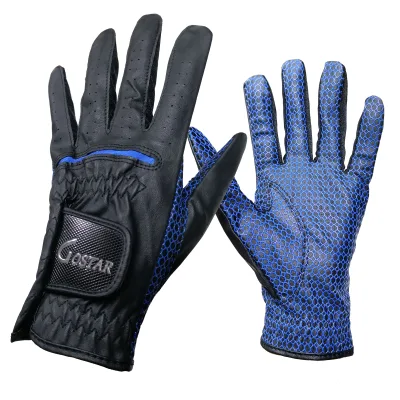
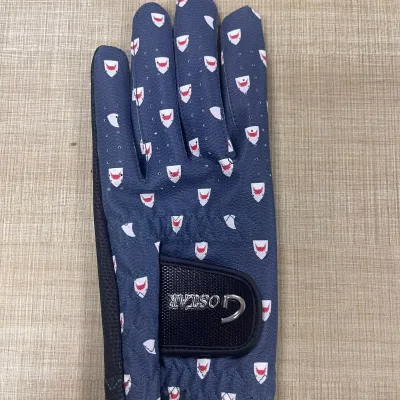


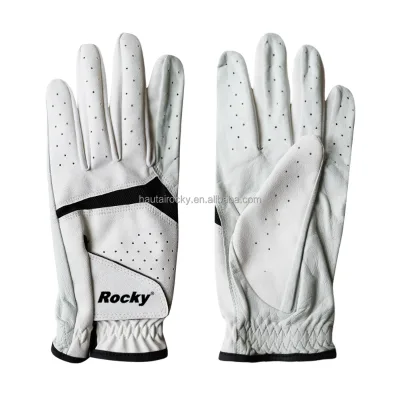


Comprehensive Sourcing Guide
Anti-Slip Full Finger Golf Gloves Sourcing Guide
Sourcing anti-slip full finger golf gloves requires a nuanced understanding of material science, ergonomic design, and supply chain transparency. Unlike traditional single-finger or three-finger golf gloves, full finger variants offer enhanced protection and grip stability, making them suitable for diverse weather conditions and specific grip styles. Buyers must navigate a market where customization is prevalent, with suppliers offering everything from basic synthetic options to premium cabretta leather constructions. The following guide provides a structured approach to evaluating these products, ensuring that procurement decisions are grounded in verified specifications and commercial realities rather than marketing assertions.
The procurement landscape for these gloves is characterized by significant variability in material composition and functional features. While some listings emphasize waterproofing and breathability, others focus on durability and anti-slip properties through specialized surface treatments. Understanding the distinction between these feature sets is critical for aligning product selection with end-user needs. Furthermore, the availability of customization services, including logo placement and packaging design, adds a layer of complexity to the sourcing process that requires careful management of minimum order quantities and production timelines.
Product Scope and Observed Listing Signals
The current market for anti-slip full finger golf gloves presents a wide spectrum of product attributes, ranging from basic utility to high-performance specialized gear. Observed listings indicate a price range that spans from low-cost synthetic options to premium leather variants, reflecting the diverse material choices available to buyers. Key attributes frequently highlighted include waterproof capabilities, stretch properties, and specific anti-slip technologies designed to enhance hand grip during play. These features are often combined with full finger coverage to provide comprehensive protection against abrasion and environmental elements, catering to both professional athletes and recreational enthusiasts.
Material selection is a primary differentiator in this category, with suppliers offering options such as cabretta leather, synthetic leather, microfiber, and PU synthetic leather. Each material presents distinct advantages in terms of durability, breathability, and cost-effectiveness. For instance, cabretta leather is often associated with superior softness and natural grip, while synthetic alternatives may offer greater consistency and water resistance. Buyers should carefully review the material specifications provided in product listings, as these directly impact the glove’s performance and longevity. Additionally, the presence of customization options, such as rubber logos and tailored designs, suggests that many manufacturers are equipped to handle branded orders, provided the order volume meets their minimum requirements.
Technical Specifications to Verify
When evaluating technical specifications, buyers must prioritize the verification of material composition and construction quality. The listed models, such as GG24-0803 and CGL-034, often come with detailed descriptions of their standard materials, such as cabretta or synthetic blends. It is essential to confirm whether the "anti-slip" feature is achieved through surface texturing, material selection, or additional coatings. Buyers should request physical samples to assess the tactile quality of the grip and the integrity of the stitching, particularly in high-stress areas like the thumb and palm. Verifying the finger length and fit, often specified as M, S-XL, or other standard sizes, is also crucial to ensure compatibility with the target demographic.
Packaging and labeling specifications are another critical area for verification, as they impact both product protection and retail readiness. Listings indicate various packing methods, including PE bags, paper cards, inner boxes, and outer cartons with specific dimensions. For example, some suppliers use a structure of 1PC per PE bag, while others opt for 12PCS per white inner box, with 24 inner boxes per outer carton. Buyers must ensure that the packaging aligns with their logistical needs and retail display requirements. Additionally, the availability of mock-ups and sample services should be confirmed, as these tools are invaluable for validating design accuracy and quality standards before committing to large-scale production.
Compliance and Safety Documentation
Compliance and safety documentation are vital for ensuring that imported golf gloves meet the regulatory requirements of the destination market. While specific certification statuses may vary by supplier, buyers should inquire about adherence to relevant textile and safety standards. The reference to EN 388, a standard for protective gloves against mechanical risks, suggests that some manufacturers may align their products with established safety benchmarks. However, buyers must verify whether this standard applies to their specific product type, as golf gloves are primarily designed for grip and comfort rather than industrial protection. Requesting test reports or compliance certificates from the supplier is a prudent step to mitigate regulatory risks.
In addition to mechanical safety, buyers should consider environmental and chemical compliance, particularly if the gloves are marketed as waterproof or made from synthetic materials. Regulations regarding the use of certain chemicals in leather tanning and synthetic material production are increasingly stringent in many markets. Suppliers should be able to provide documentation confirming that their materials are free from harmful substances such as heavy metals or restricted azo dyes. This is especially important for brands that emphasize sustainability or eco-friendly practices in their marketing. Clear communication with suppliers regarding these compliance requirements can help avoid potential customs delays or product recalls.
Cost Drivers and Commercial Terms
Cost drivers for anti-slip full finger golf gloves are primarily influenced by material quality, customization complexity, and order volume. Premium materials like cabretta leather naturally command higher prices compared to synthetic alternatives, while extensive customization, such as unique logo applications or specialized packaging, can add to the overall cost. The observed MOQ range of 1 to 1000 pieces indicates that suppliers are flexible, catering to both small trial orders and large bulk purchases. Buyers should negotiate terms that balance cost efficiency with quality assurance, particularly when dealing with lower MOQs that may incur higher per-unit costs.
Commercial terms also include payment conditions, lead times, and shipping arrangements, which can significantly impact the total cost of ownership. Suppliers often provide sample services, which may be free or charged, depending on the order value. It is advisable to clarify these terms upfront to avoid unexpected expenses. Additionally, buyers should consider the impact of currency fluctuations and shipping costs on the final price, especially when sourcing from international suppliers. Establishing a clear understanding of Incoterms and delivery schedules can help in planning inventory levels and cash flow effectively.
Supplier Qualification and Quality Control
Supplier qualification is a critical step in ensuring a reliable supply chain for anti-slip full finger golf gloves. Buyers should assess suppliers based on their production capacity, quality control processes, and track record in the golf apparel industry. Factories located in China, as indicated by some listings, often have established infrastructure for textile manufacturing, but buyers must verify their specific capabilities. Requesting references or case studies from previous clients can provide insights into the supplier’s reliability and consistency. Additionally, conducting on-site audits or third-party inspections can help validate the supplier’s claims regarding production standards and ethical practices.
Quality control measures should be integrated into the procurement process from the outset. Buyers should define clear quality standards and inspection criteria, including checks for material defects, stitching integrity, and fit accuracy. Implementing a pre-production sample approval process is essential to ensure that the final product meets the specified requirements. Regular quality checks during production and before shipment can help identify and rectify issues early, reducing the risk of receiving substandard goods. Establishing a robust quality control framework not only protects the buyer’s brand reputation but also fosters a collaborative relationship with the supplier.
Long-Term Procurement Checks
Long-term procurement success depends on continuous monitoring of supplier performance and market trends. Buyers should establish key performance indicators (KPIs) to evaluate suppliers on metrics such as on-time delivery, product quality, and responsiveness to issues. Regular reviews of these metrics can help identify potential problems early and facilitate corrective actions. Additionally, staying informed about advancements in glove materials and technologies can provide a competitive edge. Suppliers who invest in R&D may offer innovative solutions that enhance product performance or reduce costs, making them valuable long-term partners.
Building a diversified supplier base can also mitigate risks associated with single-source dependency. By engaging with multiple suppliers, buyers can compare offerings, negotiate better terms, and ensure continuity of supply in case of disruptions. Maintaining open communication with suppliers and fostering a collaborative relationship can lead to mutual benefits, such as priority treatment during peak seasons or access to exclusive product lines. Ultimately, a strategic approach to supplier management, combined with rigorous quality control and market awareness, will support sustainable growth and profitability in the anti-slip full finger golf gloves market.
FAQs
What materials are used for Anti-Slip Full Finger Golf Gloves?
These gloves are crafted from leather, synthetic leather, cabretta, microfiber, or PU synthetic leather. The material choice impacts grip and breathability, with options like cabretta offering softness and durability. Buyers can select based on performance needs and budget constraints while ensuring the anti-slip feature remains effective.
Can I customize the logo on these golf gloves?
Yes, logo customization is available using rubber methods. Buyers can provide their design for application on the gloves. This service allows for brand identity integration, ensuring the final product reflects your specific marketing needs while maintaining the functional integrity of the anti-slip full finger design.
What is the minimum order quantity for these gloves?
The minimum order quantity varies by supplier, with observed ranges from 1 to 1000 pieces. Some suppliers specify an MOQ of 200 pieces. Buyers should verify the exact MOQ with the manufacturer to align with their inventory requirements and budget planning for bulk procurement.
Are these gloves suitable for outdoor sports activities?
Yes, these gloves are designed for outdoor sports, specifically golf. They feature waterproof and breathable properties, making them suitable for various weather conditions. The full finger design provides protection and grip, ensuring comfort and performance during extended play on the course or in other outdoor settings.
How are these gloves packaged for shipping?
Packaging options include PE bags, paper cards, inner boxes, and outer cartons. Specific configurations vary, such as 1PC per PE bag or 24 pieces per inner box. Standard carton dimensions are provided for logistics planning. Buyers can request OEM packaging to meet specific branding or shipping requirements.
What sizes are available for these golf gloves?
Sizes range from M to XL, with some models offering S-XL options. Buyers can select the appropriate size based on hand measurements. Customized sizes may also be available upon request. Ensuring the correct fit is crucial for maintaining grip and comfort during use.