Source anti-slip golf grips for Racing, Entertainment, and Gift
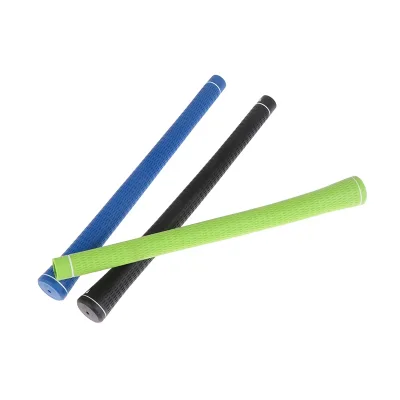
Compare 30 listings for anti-slip golf grips with customizable colors, patterns, and materials like rubber and TPE. Buyers can review specifications including core size, weight, and packaging options from suppliers in China.
Key considerations
Products List


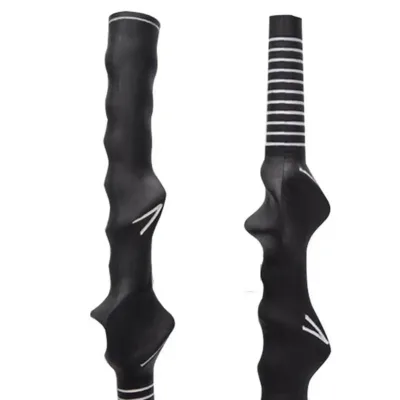
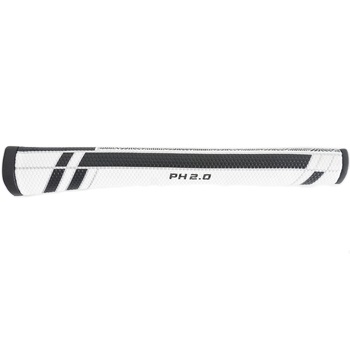
Factory Custom Golf Grips Anti-Slip Rubber Golf Grip for Driver/Iron Golf Clubs
$1.80 - $2.50
MOQ: 500 Pieces


Custom Multi Color Golf Grips OEM Standard Non-Slip Rubber Golf Club Grips
$3.59 - $3.99
MOQ: 100 Pieces

Crossline Standard Size Club Custom Color Design Non Slip Rubber Golf Grips
$3.59 - $3.99
MOQ: 100 Pieces






Comprehensive Sourcing Guide
Anti-Slip Golf Grips Sourcing Guide
Sourcing anti-slip golf grips requires a nuanced understanding of material science, surface texture engineering, and supply chain logistics. These components are critical for player performance, directly influencing grip pressure, swing stability, and moisture management. Buyers must navigate a market characterized by high customization potential, varying material compositions, and diverse packaging standards. This guide synthesizes observed market data and trusted category knowledge to help procurement professionals make informed decisions when sourcing these specialized sporting goods.
The following sections provide a structured approach to evaluating suppliers, verifying technical specifications, and managing commercial risks. By focusing on evidence-based verification steps and clear commercial terms, buyers can mitigate the risks associated with overseas manufacturing while ensuring the final product meets the rigorous demands of both amateur and professional golfers.
Product Scope and Observed Listing Signals
The current market for anti-slip golf grips is defined by a wide array of customization options and material variations. Observed listings indicate that customization is a standard offering, with suppliers frequently providing options for custom colors, patterns, and logo placement. This flexibility allows brands to differentiate their products through aesthetic design and branding, which is particularly important in the entertainment and gift segments. The product condition is consistently listed as new, and the target demographic is primarily men, though the functional design often appeals to a broader audience seeking improved control.
Market signals also reveal a diverse range of product models and standards, suggesting a fragmented supplier base with varying capabilities. Models such as GR005, ICGR-RE-1, and various numbered series like ICGR22005 and ICGR22001 indicate that suppliers may operate with internal SKU systems rather than universal naming conventions. Materials observed include rubber, PU, and TPE, with some products combining rubber with cord for enhanced texture. This variety necessitates careful specification alignment to ensure the selected grips meet the intended performance criteria, whether for racing, entertainment, or practice applications.
Technical Specifications to Verify
Material composition is the primary determinant of anti-slip performance and durability. Buyers must verify whether the grips are made from pure rubber, PU, TPE, or composite materials like rubber combined with cord. Each material offers distinct advantages: rubber typically provides superior tackiness and feedback, while PU and TPE may offer greater durability and consistency in varying weather conditions. The core size is a critical dimension, with observed specifications indicating a standard core size of 0.58 inches. Deviations from this standard can affect compatibility with existing golf club shafts, so precise dimensional verification is essential before placing bulk orders.
Size and weight specifications also play a significant role in product selection. Observed sizes range from S to M, with some suppliers offering custom sizing options. The weight of individual grips is typically around 50g ±3g, which contributes to the overall balance of the golf club. Buyers should confirm whether the listed weight includes packaging or refers to the net weight of the grip alone. Additionally, the single package size and gross weight, such as 26x15x18 cm and 1.500 kg respectively, are crucial for calculating freight costs and warehouse storage requirements. These physical attributes must be aligned with the buyer’s logistical constraints and end-user preferences.
Compliance and Safety Documentation
While specific certification statuses are not universally disclosed in observed listings, buyers must ensure that all materials comply with relevant safety standards for sporting goods. This includes verifying that the rubber, PU, or TPE materials used are free from harmful substances such as phthalates or heavy metals, particularly if the grips are intended for markets with strict chemical regulations. Suppliers should be able to provide Material Safety Data Sheets (MSDS) or equivalent documentation to confirm the chemical composition and safety profile of the products.
Packaging standards also impact compliance and product integrity. Observed packing methods include PE bags, OPP poly bags, and cartons, with some suppliers specifying quantities such as 50 pieces per PE bag and 300 pieces per carton. Buyers must verify that the packaging materials are durable enough to protect the grips during transit and that they meet any environmental regulations regarding plastic use in the destination market. Clear labeling on the packaging, including model numbers and origin information, is essential for inventory management and traceability.
Cost Drivers and Commercial Terms
Pricing for anti-slip golf grips varies significantly based on material quality, customization complexity, and order volume. Observed price ranges in the market span from $0.69 to $5.50 per unit, reflecting the diversity from basic rubber grips to premium customized options. The Minimum Order Quantity (MOQ) is another key cost driver, with observed ranges from 10 to 500 units, and some suppliers requiring a minimum of 300 pieces per design. Buyers should negotiate MOQs based on their sales forecast and storage capacity, keeping in mind that higher volumes often result in lower per-unit costs.
Production and sample times are critical factors in supply chain planning. Observed production times range from 25 to 30 days, while sample times can take up to 20 days. These lead times must be factored into the procurement schedule to avoid stockouts or missed market opportunities. Buyers should also clarify whether the quoted prices include tooling fees for custom logos or patterns, as these can add significant upfront costs. Understanding the full cost structure, including freight and duties, is essential for accurate margin calculation.
Supplier Qualification and Quality Control
Supplier location and origin are important indicators of manufacturing capability and logistics efficiency. Observed origins include China, with specific mentions of Xiamen and Guangdong, which are known hubs for sporting goods manufacturing. Buyers should verify the supplier’s production capacity and quality control processes to ensure consistency across batches. Requesting references or case studies from previous clients can provide insight into the supplier’s reliability and ability to meet deadlines.
Quality control should be a priority throughout the production process. Buyers should implement pre-shipment inspections to verify that the grips meet the agreed-upon specifications for size, weight, material, and appearance. Checking for defects such as uneven textures, color mismatches, or packaging damage is essential. Establishing a clear communication channel with the supplier for addressing any quality issues is also crucial. Regular audits or third-party inspections may be necessary for large-volume orders to maintain product standards.
Long-Term Procurement Checks
Building a sustainable supply chain for anti-slip golf grips requires ongoing relationship management and performance monitoring. Buyers should regularly review supplier performance metrics, including on-time delivery rates, product quality consistency, and responsiveness to issues. Establishing a long-term partnership with a reliable supplier can lead to better pricing, priority production slots, and improved collaboration on new product development. Continuous feedback loops between the buyer and supplier can help identify areas for improvement and drive innovation.
Market trends and consumer preferences in the golf industry are constantly evolving, so buyers must stay informed about changes in material technology, design aesthetics, and regulatory requirements. Regularly updating product specifications and sourcing strategies ensures that the procurement function remains aligned with business goals. By maintaining a flexible and informed approach, buyers can mitigate risks and capitalize on opportunities in the competitive golf equipment market.
FAQs
Can I customize the color and pattern of these golf grips?
Yes, the color and pattern can be customized to meet your specific design requirements. This customization is available for the golf grips listed, allowing you to tailor the appearance for racing, entertainment, or gift purposes while maintaining the standard rubber or PU materials.
What is the minimum order quantity for these golf grips?
The minimum order quantity varies by design, with observed ranges starting from 50 pieces up to 300 pieces per design. Some listings specify 300 pieces per design as a standard threshold, while others accept smaller orders of 50 pieces depending on the specific supplier and model selected.
How long does it take to produce a custom order?
Production time typically ranges from 25 to 30 days for custom orders. Sample preparation requires approximately 20 days before full production begins. These timelines apply to the golf grips made in China, including those originating from Xiamen or Guangdong.
What materials are used to make these golf grips?
The golf grips are primarily manufactured using rubber, PU, or a combination of rubber and cord. These materials ensure durability and a secure grip, suitable for various applications including racing and entertainment. The specific material depends on the model number selected.
Are these golf grips suitable for men?
Yes, the product attributes indicate these golf grips are designed for men. They are available in various sizes including S and M, with some models offering custom sizing options to ensure a proper fit for different hand sizes and grip preferences.
How are the golf grips packaged for shipment?
Packaging options include PE bags, OPP poly bags, and cartons. Standard configurations often involve 50 pieces in a PE or OPP bag and 300 pieces in a master carton. Some listings also specify single package dimensions and gross weight for individual units.
What is the core size of the golf grips?
The core size is specified as 0.58 inches for certain models. Other models may have standard sizes like 58R or 60R. Custom sizes are also available depending on the specific product model and customization requirements requested by the buyer.