Source anti-slip moisture proof pvc flooring for hotels, offices, schools
Compare 30 listings of anti-slip moisture proof pvc flooring from Chinese manufacturers. Buyers can evaluate thickness, surface texture, and application suitability for indoor commercial and residential projects. These options include waterproof, wear-resistant, and fireproof features suitable for various building types.
Updated
Key considerations
Products List
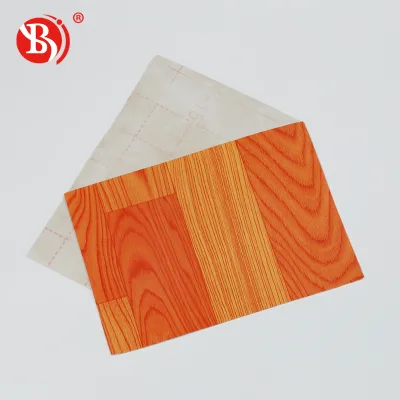


Anti-Slip Waterproof Vinyl Floor Tile PVC Vinyl Linoleum Flooring
$5.00 - $12.00
MOQ: 1000 Square Meters


Flooring PVC Flooring Vinyl Antistatic Adhesive Vinyl PVC Floor Tile
$5.00 - $12.00
MOQ: 1000 Square Meters

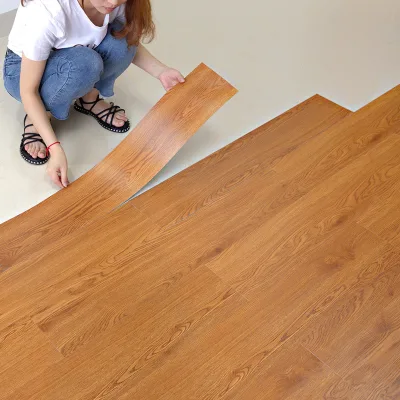
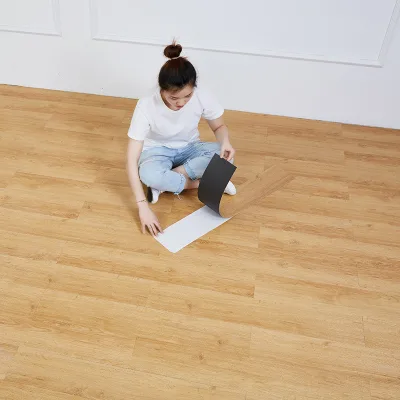


Anti-Slip Antibacterial PVC Roll Flooring Plastic Vinyl Rolling Floor
$5.00 - $8.00
MOQ: 350 Square Meters

Anti Slip Anti-Static PVC Floor Homogeneous Vinyl Flooring Direct Supplier
$5.00 - $8.00
MOQ: 350 Square Meters

Anti Slip Soundproof Floor Outdoor PVC Basketball Sports Flooring
$5.00 - $10.00
MOQ: 1000 Square Meters


Comprehensive Sourcing Guide
Anti-Slip Moisture Proof PVC Flooring Sourcing Guide
Procuring anti-slip, moisture-proof PVC flooring requires a disciplined approach to verifying material integrity and surface performance. Buyers must prioritize products that explicitly list waterproof and anti-slip features, as these are critical for high-traffic commercial and residential environments. The observed market data indicates a strong presence of vinyl roll formats with embossed textures, which provide the necessary traction to prevent accidents in wet or humid conditions. Sourcing teams should focus on suppliers who clearly define the hardness of the material, ranging from soft to hard, to ensure the flooring meets the specific load-bearing and comfort requirements of the installation site.
It is equally important to assess the versatility of the product across different usage scenarios. The available listings suggest applications in hotels, office buildings, schools, and even outdoor or sports areas, indicating a broad utility for this material type. Buyers should verify that the selected flooring maintains its structural integrity under varied conditions, leveraging features like rot-proof and moisture-proof capabilities. Understanding the specific design style, such as modern wood grain patterns, helps in aligning the procurement with aesthetic goals while ensuring the functional benefits of durability and safety are not compromised during the selection process.
Product Scope and Observed Listing Signals
The current market landscape for anti-slip PVC flooring is characterized by a diverse range of product formats and specifications. Observed listings highlight vinyl rolls as a primary format, with plank widths extending up to 79 inches and lengths varying between 20 to 40 meters. This variability allows buyers to select dimensions that minimize waste and simplify installation in large-scale projects. The material is predominantly made from PVC, offering a balance of flexibility and durability, with thicknesses ranging from thin sheets at 0.35mm to more robust options up to 2.50mm or even 6mm blocks, depending on the specific product model and intended use case.
Surface treatments and aesthetic options are also significant signals in product listings. Many products feature embossed textures and simple color finishes, while others offer parquet-style surfaces or wood grain patterns to enhance visual appeal. The availability of multi-color options and customization services suggests that buyers can tailor the flooring to specific brand identities or interior design schemes. Additionally, the presence of puzzle-pattern options indicates a modular approach that may appeal to DIY enthusiasts or projects requiring quick, tool-free installation, providing flexibility in how the flooring is deployed across different spaces.
Technical Specifications to Verify
When evaluating technical specifications, buyers must closely examine the hardness and texture attributes of the PVC flooring. The market offers options ranging from soft to semi-rigid and hard lead hardness, each suited for different traffic levels and comfort needs. For anti-slip performance, the surface texture is crucial; embossed finishes are commonly observed and provide enhanced grip compared to smooth surfaces. Buyers should verify that the chosen thickness aligns with the expected wear and tear, ensuring that the flooring can withstand the specific demands of the application, whether it is a light residential setting or a heavy commercial environment.
Dimensional consistency and packaging details are also vital technical considerations. Standard dimensions such as 9x48 inches or widths of 72 and 79 inches should be confirmed to ensure compatibility with existing subfloors and installation tools. Packaging methods, including carton boxes, pallets, or PP bags, impact logistics and storage efficiency. Buyers should also check the single package size and gross weight to calculate shipping costs accurately. Verifying these details helps in planning the supply chain effectively, reducing the risk of damage during transit and ensuring that the delivered goods meet the precise requirements of the project.
Compliance and Safety Documentation
Safety and compliance are paramount when sourcing flooring for public or commercial spaces. Buyers should request documentation that verifies the anti-slip and fireproof properties of the PVC material. While specific certification statuses may vary, it is essential to confirm that the product meets relevant safety standards for slip resistance and flame retardancy. The observed listings mention features like fireproof and anti-static capabilities, which are critical for maintaining a safe environment. Buyers must ensure that the supplier can provide test reports or certificates that substantiate these claims, particularly for projects in schools, hotels, or office buildings where safety regulations are strictly enforced.
Moisture resistance and environmental impact are additional compliance factors to consider. The moisture-proof and rot-proof attributes of the flooring are essential for longevity, especially in areas prone to humidity or water exposure. Buyers should inquire about the eco-friendly nature of the material, as many modern PVC products are designed to minimize environmental impact. Verifying that the product is free from harmful substances and meets local environmental regulations is crucial. Additionally, checking for any specific industry standards, such as EN 13501-1 for fire performance, can provide further assurance of the product's safety and quality, ensuring that the procurement aligns with both regulatory requirements and corporate sustainability goals.
Cost Drivers and Commercial Terms
Cost drivers for anti-slip PVC flooring include material thickness, surface treatment complexity, and order volume. Thicker products and those with specialized embossed or parquet textures typically command higher prices due to increased manufacturing costs. The observed price range of $0.45 to $25 per unit reflects this variability, with basic options at the lower end and premium, customized designs at the higher end. Buyers should consider the total cost of ownership, including installation and maintenance, rather than just the unit price. Understanding the minimum order quantity (MOQ) requirements, which range from 100 to 1000 units, is also crucial for budgeting and inventory management.
Commercial terms such as lead times, payment methods, and after-sales support significantly impact the procurement process. Suppliers offering online technical support provide an added layer of security, ensuring that any installation issues can be resolved promptly. Buyers should negotiate clear terms regarding warranty periods, with observed warranties extending up to five years, which indicates confidence in product durability. Additionally, understanding the customization availability and associated costs can help in managing project budgets effectively. Clear communication regarding shipping terms and packaging requirements can also prevent unexpected expenses, ensuring a smooth and cost-effective procurement experience.
Supplier Qualification and Quality Control
Supplier qualification is a critical step in ensuring the reliability of anti-slip PVC flooring procurement. Buyers should verify the supplier's location and production capabilities, with observed origins in Hebei, Shanghai, and Guangzhou indicating a concentration of manufacturing hubs in China. Assessing the supplier's ability to provide consistent quality across large orders is essential, particularly when dealing with multiple product models and specifications. Buyers should request samples to evaluate the actual texture, color accuracy, and anti-slip performance before committing to a large purchase. This hands-on verification helps in identifying any discrepancies between the listed specifications and the actual product quality.
Quality control processes should be clearly defined and communicated by the supplier. Buyers should inquire about the supplier's internal testing procedures for moisture resistance, fireproofing, and wear resistance. Establishing a clear protocol for handling defects or non-conforming products is also important. Suppliers offering project solution capabilities can provide additional value by assisting with installation planning and technical support. Building a relationship with a supplier who demonstrates transparency and responsiveness can mitigate risks and ensure that the procurement process runs smoothly. Regular communication and clear expectations regarding quality standards are key to maintaining a successful supplier partnership.
Long-Term Procurement Checks
Long-term procurement success depends on continuous monitoring of product performance and supplier reliability. Buyers should establish a feedback loop with end-users to assess the flooring's durability, anti-slip effectiveness, and ease of maintenance over time. This feedback can inform future purchasing decisions and help in identifying any recurring issues that need to be addressed with the supplier. Regularly reviewing the supplier's ability to meet changing market demands, such as new design trends or updated safety standards, is also crucial. Maintaining a diverse supplier base can reduce dependency on a single source and provide flexibility in responding to supply chain disruptions.
Additionally, buyers should stay informed about advancements in PVC flooring technology and sustainability practices. The market is evolving, with new materials and manufacturing processes emerging that may offer improved performance or environmental benefits. Regularly updating procurement strategies to incorporate these innovations can enhance the value of the flooring investment. Collaborating with suppliers on continuous improvement initiatives can also lead to better product quality and service levels. By focusing on long-term relationships and strategic sourcing, buyers can ensure that their anti-slip PVC flooring procurement remains cost-effective, reliable, and aligned with evolving project requirements.
FAQs
What installation method is used for this anti-slip moisture proof pvc flooring?
The flooring uses an adhesive installation method for secure attachment to the subfloor. This approach ensures a stable surface suitable for high-traffic commercial environments like hotels and offices. The adhesive bond complements the waterproof and anti-slip features, providing long-term durability without the need for complex mechanical fastening systems during setup.
Can this anti-slip moisture proof pvc flooring be customized for specific projects?
Yes, customization is available for this product line to meet specific project requirements. Buyers can select from various design styles, including modern wood grain patterns, and choose from multi-color options. The material supports different thicknesses ranging from 0.35mm to 0.8mm, allowing for tailored solutions that balance aesthetic preferences with functional performance needs.
Which applications are suitable for this anti-slip moisture proof pvc flooring?
This flooring is suitable for indoor applications in hotels, office buildings, and schools. It also supports household, outdoor, commercial, and sports uses depending on the specific variant. The combination of waterproof, anti-slip, and wear-resistant properties makes it ideal for areas requiring high durability and safety, ensuring reliable performance across diverse functional environments.
What warranty is provided for this anti-slip moisture proof pvc flooring?
A five-year warranty is provided for this anti-slip moisture proof pvc flooring. This coverage reflects confidence in the product's durability and performance under normal usage conditions. The warranty supports the product's features, including waterproofing, anti-slip capabilities, and thermal insulation, ensuring buyers receive long-term protection and reliable after-sale technical support from the manufacturer.
How thick is the anti-slip moisture proof pvc flooring available?
The flooring is available in thicknesses ranging from 0.35mm to 0.8mm for standard rolls. Some specific models offer a thickness of 6mm or 20mm for specialized applications. These varying thickness options allow buyers to select the appropriate level of cushioning and durability based on the specific traffic loads and functional requirements of their intended installation environment.
What features does this anti-slip moisture proof pvc flooring include?
The flooring includes features such as anti-slip, waterproof, anti-scratch, and eco-friendly properties. It also offers fireproof, wear-resistant, rot-proof, and moisture-proof capabilities. Additional functions include soundproofing, anti-static performance, and thermal insulation. These combined attributes ensure a safe, durable, and comfortable surface suitable for various commercial and residential indoor applications requiring high performance.