Source anti-uv durable wall panel for School, Bathroom, Kitchen
Compare 30 listings of anti-uv durable wall panel suitable for school, bathroom, and kitchen applications. Buyers can evaluate PVC and WPC options with fireproof, waterproof, and eco-friendly features from suppliers in Linyi City; compare the available evidence and request quotations based on your requirements.
Updated
Key considerations
Products List


Durable PVC Wall Panel for Waterproof and Moisture-Resistant Spaces
$2.10 - $2.70
MOQ: 300 Square Meters

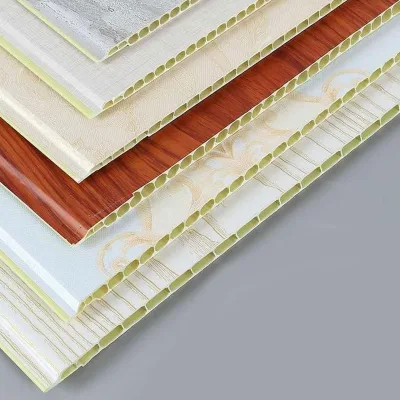
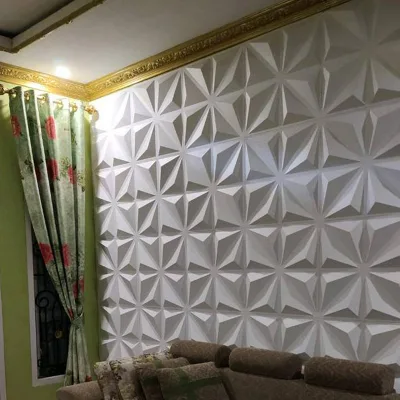
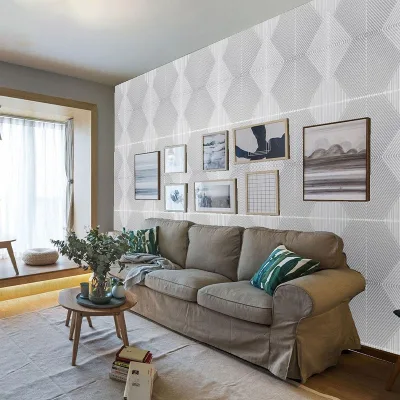
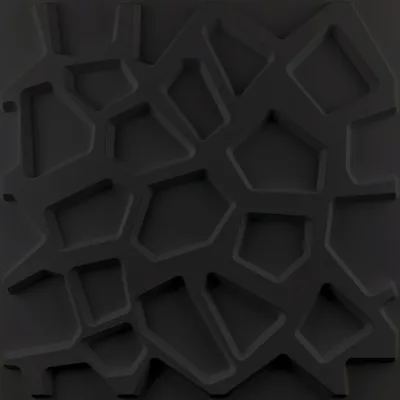
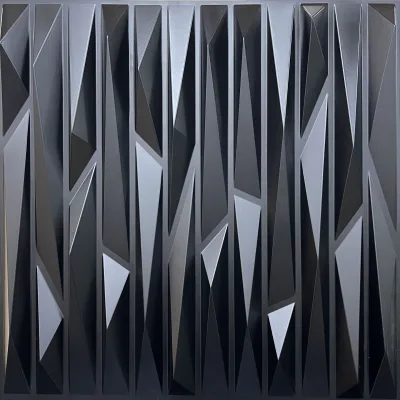
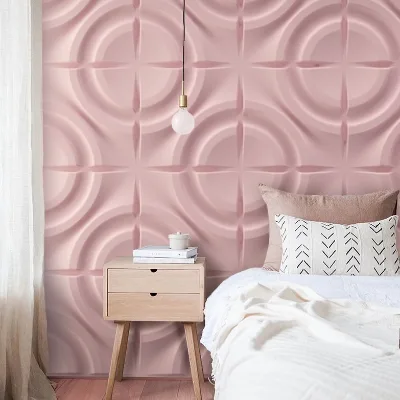


Premium Wear-Resistant Interior Wall Panels with Waterproof Advantage
$3.89 - $10.90
MOQ: 200 Square Meters
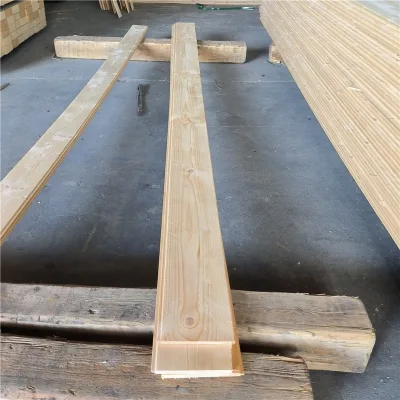
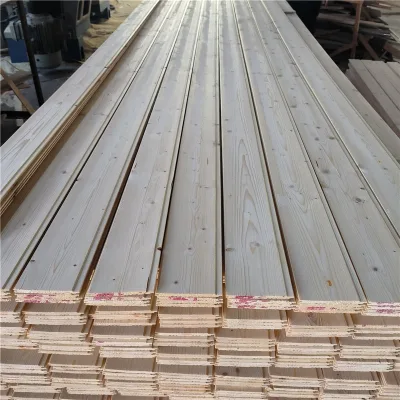
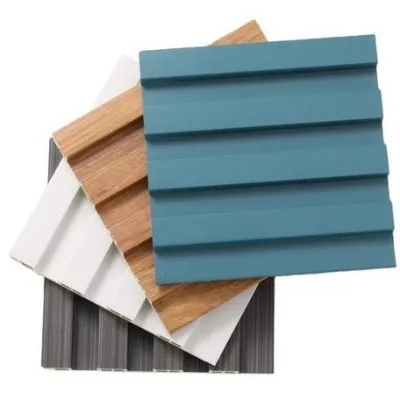
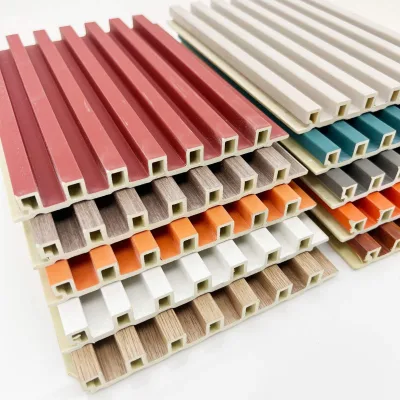
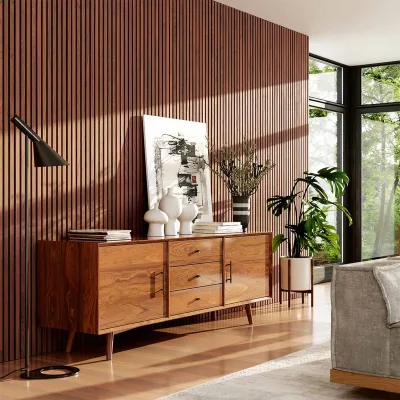
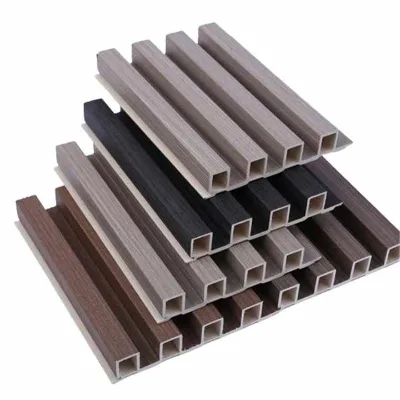
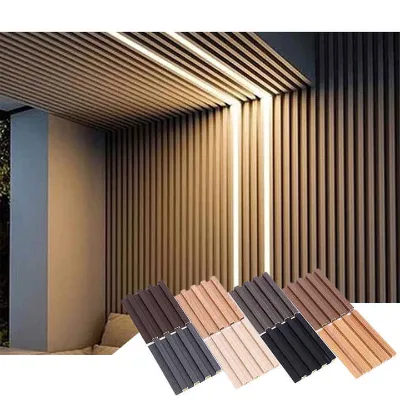
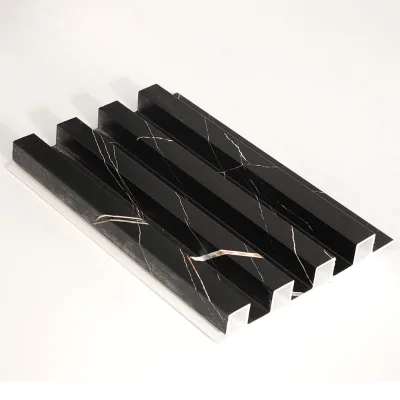
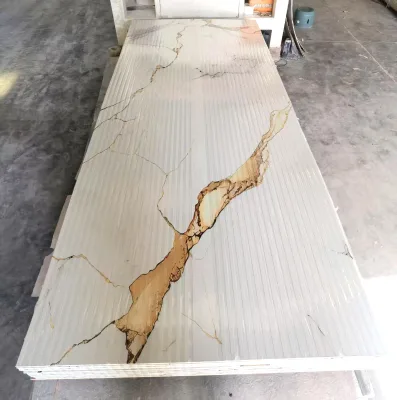
Comprehensive Sourcing Guide
Anti-UV Durable Wall Panel Sourcing Guide
Buyers must first distinguish between PVC-based and WPC-based panels, as the supplied data indicates distinct material compositions affecting performance. One segment features a specific blend of 50% PVC, 45% calcium powder, and 5% additives, while another utilizes a wood plastic composite standard. This fundamental difference dictates the appropriate application environment, with some listings explicitly targeting indoor spaces like kitchens and bathrooms, while others are rated for outdoor durability.
Procurement decisions should also account for the specific surface technologies employed, such as UV coating, heat transfer printing, or 3D printing. These processes directly influence the final aesthetic and functional properties, including high gloss finishes and anti-scratch capabilities. Buyers should verify whether the product utilizes a PET-G high gloss film or a PP anti-scratch film, as these layers determine the panel's resistance to fading and physical damage over time.
Product Scope and Observed Listing Signals
The market offers a wide range of sizes, with observed specifications varying from 122028003mm to 122024403mm, alongside custom dimensions like 2.9m or 2.95m lengths. Some listings provide big slab formats, while others offer widths ranging from 40mm to 600mm, requiring buyers to match panel dimensions to their specific wall coverage needs. The observed price range spans from 0.75 to 580 USD, reflecting significant variance in material quality, thickness, and customization levels.
Customization is a key signal in this sector, with many suppliers offering tailored solutions for color, grain, and design patterns like marble or wood grain. Buyers should note that accessories such as glue and decorative strips are often included, simplifying the installation process. However, the minimum order quantity varies widely from 5 to 5000 units, necessitating early planning to align inventory requirements with supplier production capabilities and shipping constraints.
Technical Specifications to Verify
Thickness and structural integrity are critical parameters, with observed standards ranging from 0.003mm to 0.50m in various listings. Buyers must verify the exact thickness of the core material, as this impacts the panel's rigidity and suitability for different mounting methods. The composition of the core, whether it is a solid surface or a composite blend, determines the panel's ability to withstand impact and maintain its shape under thermal stress.
Surface treatment and edge processing are equally vital for long-term performance and aesthetic consistency. The data highlights flat edge processing and UV coating as standard features, which contribute to the product's waterproof and fireproof attributes. Buyers should confirm the specific technology used, such as heat transfer printing or 3D printing, to ensure the decorative layer adheres properly and resists peeling or discoloration in high-traffic areas.
Compliance and Safety Documentation
Safety certifications are essential for verifying the fire resistance and environmental safety of wall panels, particularly for commercial and public spaces. The supplied context lists CE certification as a key document, indicating compliance with European safety standards for construction materials. Buyers should request valid certificates to confirm that the product meets specific fireproof and non-flammable requirements, which are critical for insurance and regulatory approval in many jurisdictions.
Environmental claims such as being eco-friendly, green, and moisture-proof require substantiation through third-party testing or recognized standards. While some listings mention a 30-year service life for indoor applications, this claim should be backed by durability test results rather than manufacturer assertions alone. Procurement teams must ensure that the product's composition, including the absence of harmful additives, aligns with local building codes and health regulations for indoor air quality.
Cost Drivers and Commercial Terms
Pricing is heavily influenced by the complexity of the surface technology and the level of customization required. Products featuring advanced 3D printing or specific high-gloss films often command higher prices compared to standard UV-coated options. Additionally, the choice of material, such as pure PVC versus wood plastic composite, creates a significant cost differential that buyers must evaluate against their budget and performance expectations.
Packaging and logistics represent another major cost driver, with options ranging from wood pallets to wood cartons and standard cartons. The observed standard packaging dimensions, such as 1.262.840.44m, affect shipping efficiency and freight costs, especially for large orders. Buyers should negotiate clear terms regarding who bears the cost of protective packaging and how damage during transit is handled, as improper packing can lead to costly replacements.
Supplier Qualification and Quality Control
Supplier location and origin play a significant role in supply chain reliability, with Linyi City in Shandong Province identified as a key manufacturing hub. Buyers should verify the supplier's production capacity and history to ensure they can consistently meet order volumes and delivery schedules. The presence of a specific brand name, such as Createking, may indicate a more established manufacturer with a track record of quality control and customer service.
Quality control processes must be rigorously defined before placing an order, including sample verification and pre-shipment inspections. The availability of free samples allows buyers to physically test attributes like waterproofing, scratch resistance, and color accuracy before committing to a large purchase. Establishing a clear protocol for rejecting non-conforming goods and defining the acceptance criteria for surface defects is essential for maintaining product standards.
Long-Term Procurement Checks
Maintenance requirements and installation methods are critical factors for the longevity of the wall panel system. The data suggests that panels can be installed via gluing or nailing, or using wooden brackets, each method offering different levels of durability and ease of repair. Buyers should ensure that the recommended installation accessories, such as specific glues or strips, are compatible with the panel material to prevent delamination or structural failure over time.
Service life expectations should be validated against real-world usage conditions, particularly for outdoor applications exposed to varying weather patterns. While some listings claim a 30-year indoor service life, outdoor durability depends heavily on the specific UV protection and anti-mildew properties of the surface film. Procurement teams should plan for periodic inspections and establish a maintenance schedule to address any potential issues with moisture ingress or surface wear before they compromise the installation.
FAQs
What materials are used for anti-uv durable wall panels?
Anti-uv durable wall panels are primarily composed of PVC or WPC materials. PVC variants contain 50% PVC, 45% calcium powder, and 5% additives. WPC options utilize wood plastic composite structures. These compositions ensure the panels remain stable and resistant to environmental degradation while maintaining structural integrity for various interior and exterior applications.
Can these panels be customized for specific projects?
Yes, customization is available for these wall panels. Buyers can select from various color options including marble, wood grain, and gild designs. The surface can be treated with UV coating or heat transfer printing. Custom sizes and edge processing like flat edges are also supported to meet specific architectural and design requirements for different installation scenarios.
What are the key advantages of using these panels?
These panels offer significant advantages including being eco-friendly, fireproof, and waterproof. They provide high gloss brightness and are moisture-proof and mildew-proof. The materials are designed to be anti-scratch and non-flammable. These features ensure long-term durability and safety, making them suitable for high-traffic areas like schools, bathrooms, and commercial spaces.
How are the panels installed on walls?
Installation is easy and can be achieved by gluing or nailing the panels directly to the wall. Alternatively, a wooden bracket installation method is available for certain applications. Accessories such as glue and decorative strips are provided to facilitate a secure and aesthetically pleasing finish. This flexibility allows for quick and efficient mounting in both indoor and outdoor environments.
What certifications do these wall panels hold?
These wall panels hold CE certification, ensuring compliance with relevant safety and quality standards. The materials are also described as green and environmentally friendly. This certification provides assurance regarding the product's performance and safety for use in various settings. Buyers can rely on these documented standards when selecting materials for residential, commercial, or institutional building projects.
What are the standard specifications for these panels?
Standard specifications include sizes such as 1220*2800*3mm or 1220*2440*3mm. Widths typically range from 40-600mm, with lengths around 2.9m or 2.95m. Some variants are available as big slabs with thicknesses of 5, 8, or 9mm. These dimensions cater to diverse design needs, allowing for seamless integration into various wall decoration schemes.