Traditional Waterproof ASA Resin Tiles Suppliers and Manufacturers
Explore 20 verified suppliers offering Traditional Waterproof ASA Resin Tiles with varying lead times, response speeds, and customization options. Compare locations in Jiangsu, Zhejiang, Guangdong, and Hunan to find the right fit for your project needs; review the available evidence before requesting comparable quotations from suitable candidates.
Updated
Suppliers List

Suzhou SuMei New Material Technology Co., Ltd.
- Verified by SGS
- Combined
- China Jiangsu
- Lead time15 days
- Avg. response≤ 4h
Main productsASA PVC Resin Roof Sheet, Apcv Roof Tile, UPVC Roof Tile, Stone Coated Metal Roof Tile, Shingle Roof Tile, PVC Hollow Roof Tile, FRP Transparent Roof Sheet, Resin Roof Tile Accessories, Apcv Roof Sheet, UPVC Roof Sheet
Main marketsSouth America,Southeast Asia/ Mideast,North America


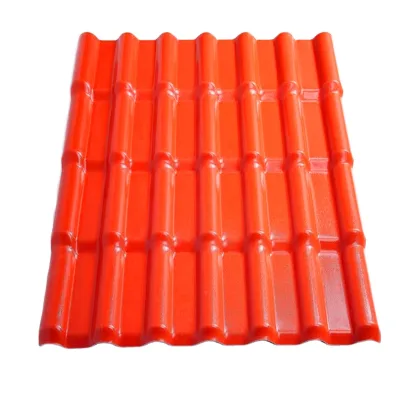
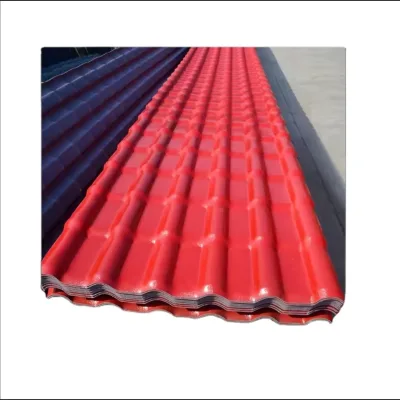
New Building Material ASA Synthetic Resin Tile Replace Traditional Steel Tile
$2.60 - $3.40
MOQ: 100 Square Meters


Chinese New Building Material ASA Synthetic Resin Tile Replace Traditional Steel Tile
$2.60 - $3.40
MOQ: 100 Square Meters


Shengzhou Kailu New Materials Co., Ltd.
- Verified by SGS
- Manufacturer
- China Zhejiang
- Lead time15 days
- Avg. response≤ 1h


Premium ASA Synthetic Resin Roof Tiles for Ultimate Waterproofing
$2.20 - $5.00
MOQ: 1000 Square Meters

Advanced Fireproof ASA Resin Tiles for Reliable Building Solutions
$2.20 - $5.00
MOQ: 1000 Square Meters

Durable ASA Resin Tiles for Safe and Reliable Building Solutions
$2.20 - $5.00
MOQ: 1000 Square Meters

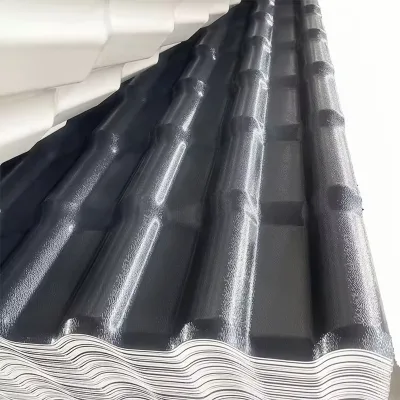
ASA1050 Synthetic Resin Roof Tile - Multi-Color ASA1050 Anti Aging Weatherproof 2.8mm Roof Tile
$2.20 - $5.00
MOQ: 1000 Square Meters

Foshan Taiwei Technology Co., Ltd.
- Verified by TUVRHEINLAND
- Combined
- China Guangdong
- Lead time15 days
- Avg. response≤ 1h
Main productsResin Roof Tile, ASA Resin Tile, PVC Resin Tile, PVC Plastic Tile
Main marketsDomestic

Fireproof Traditional Easy Installation Corrugated ASA Synthetic Resin Roof Tiles
$2.49 - $4.92
MOQ: 500 Pieces

Anti-Corrosion Fire Retardant High Strength Rainproof ASA Resin Modern Roof Tile
$2.49 - $4.92
MOQ: 500 Pieces

Anti-Corrosion Easy Installation Corrugated Synthetic Resin ASA Roof Tiles
$2.49 - $4.92
MOQ: 500 Pieces

Acid and Alkali Corrosion Resistant Recyclable ASA Synthetic Resin Roof Tiles
$2.49 - $4.92
MOQ: 500 Pieces

Crack-Resistant Sun Protection Moisture-Proof Synthetic Resin ASA Roof Tiles
$2.49 - $4.92
MOQ: 500 Pieces

Custom Weather Resistant Anti-Corrosion Fireproof Resin Synthetic ASA Roofing Tiles
$2.49 - $4.92
MOQ: 500 Pieces

Hunan Jianxin Building Materials Co., Ltd.
- Verified by SGS
- Combined
- China Hunan
- Lead time15 days
- Avg. response≤ 22h
Main productsRoof Tile, Roof Sheet, Roofing Tile, Roofing Sheet, Resin Tile, Spanish PVC Roof Tile, ASA Synthetic Resin Tile, ASA Synthetic Resin Roof, Sheet, Metal Sheet
Main marketsDomestic


Ultra Long Tiles Customized with Resin Tiles with Good Waterproof Performance
$2.79 - $6.99
MOQ: 500 Square Meters
Linyi Zhuo Zhu New Materials Co., Ltd.
- Verified by SGS Group
- Manufacturer, Trading Company
- Lead time30 days
- Avg. response≤ 2h
Main productsASA Roof Tile, Daylighting Tile, Metal Carving Board, Polycarbonate Panels, Polyester Sandwich Board
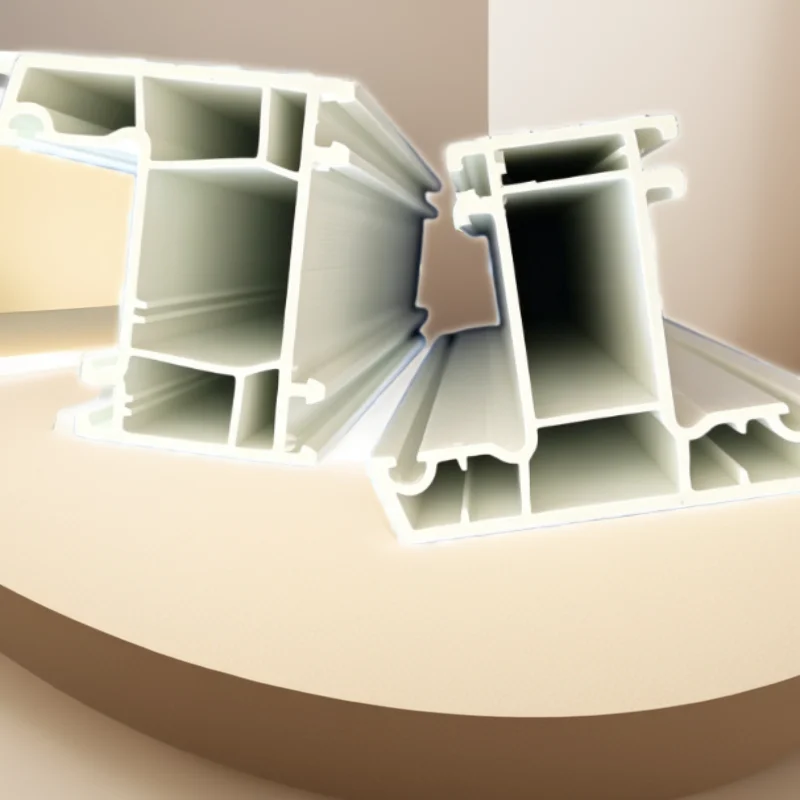
Henan Fullwin Industrial Co., Ltd.
- Trading Company
- Henan, China
- Lead time10 days
- Avg. response≤ 4h
Main productsResin tiles
Main marketsAfrica(20.00%), Southeast Asia(10.00%), North America(10.00%), South America(10.00%), Domestic Market(5.00%), South Asia(5.00%), Southern Europe(5.00%), Northern Europe(5.00%), Central America(5.00%), Western Europe(5.00%), Eastern Asia(5.00%), Mid East(5.00%), Oceania(5.00%), Eastern Europe(5.00%)
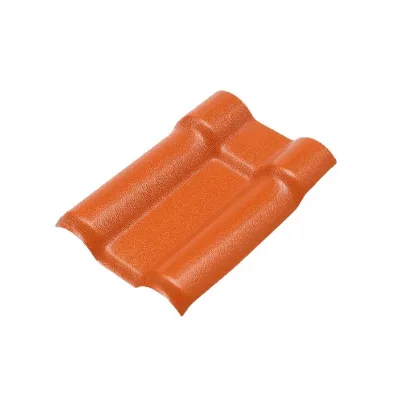
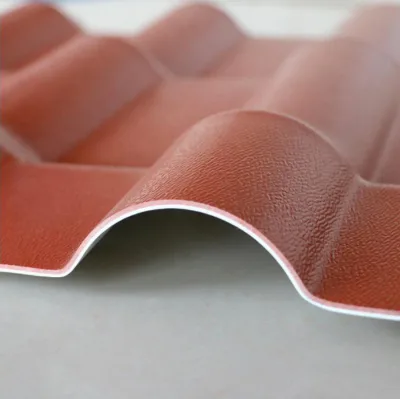
$2.624 - $5.7701
MOQ: 500 Minimum
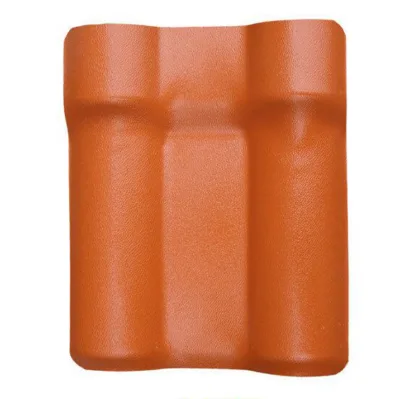
$2.624 - $5.7701
MOQ: 500 Minimum
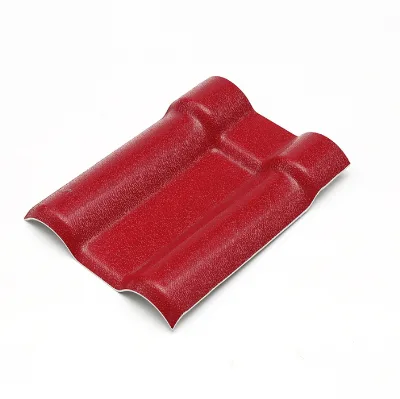
Fastory Wholesale Price Synthetic Roof Tiles Polymer Roofing Tiles Asa Synthetic Roof Shingle
$2.624 - $5.7701
MOQ: 500 Minimum
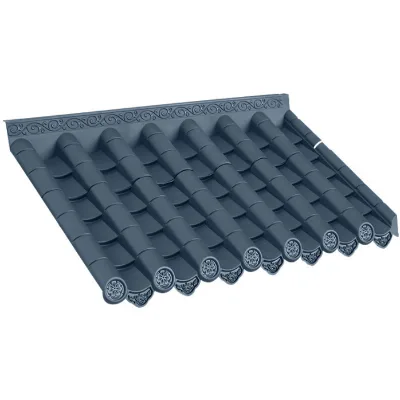
$2.5821 - $5.6788
MOQ: 500 Minimum
Foshan Uniko Building Materials Co., Ltd.
- Verified by Intertek
- Manufacturer, Trading Company
- Lead time7 days
- Avg. response≤ 2h
Main productsPVC Roof Tile, Plastic Roof Tile, WPC/SPC Wall Panel
Main marketsSouth America(40%), Southeast Asia(30%), Mid East(20%)
Guangdong Jajahouse New Materials Technology Co., Ltd.
- Verified by TüVRheinland
- Manufacturer, Trading Company
- Lead time8 days
- Avg. response≤ 3h
Main productsASA Resin Roof Tile, UPVC Roof Sheet, PVC Roof Sheet, PVC Corrugated Roofing Tile, PVC Twinwall Hollow Roof Sheet
Main marketsDomestic Market(40%), South America(24%), Southeast Asia(10%)
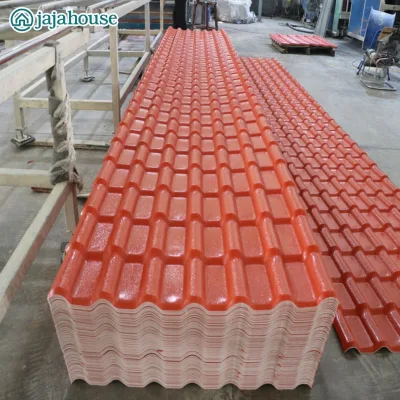
Fireproof ASA PVC Resin Customized Length Synthetic Resin Tiles for House and Outdoor Use
$1.97 - $5.81
MOQ: 250 Minimum
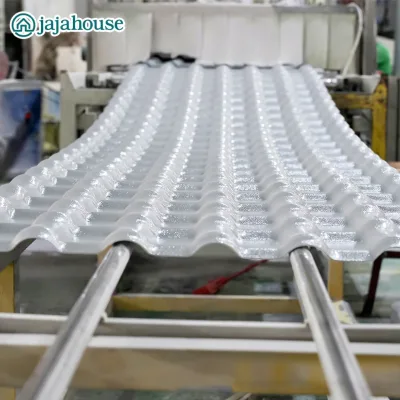
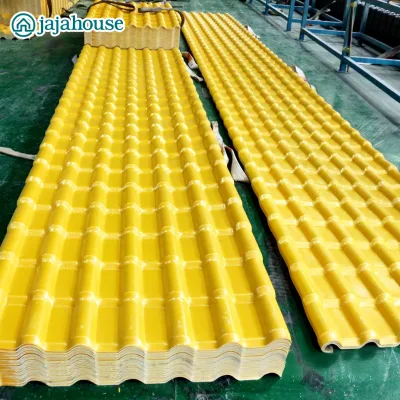
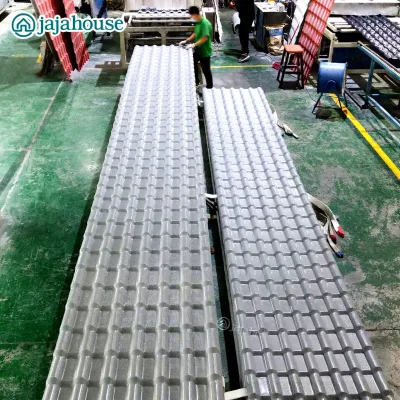
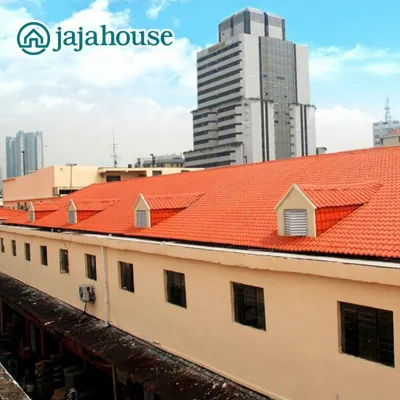
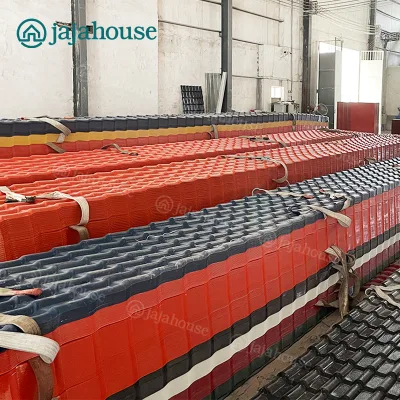
Weather Resistant PVC Roofing Tile Fireproof Plastic Synthetic Resin Roof Tiles Residential Villas
$2.0256 - $5.9705
MOQ: 250 Minimum

Laizhou Jieli Industrial Co., Ltd.
- Verified by TUVRHEINLAND
- Combined
- China Shandong
- Lead time15 days
- Avg. response≤ 4h
Main productsRoof Tile, Roofing Tile, Roofing Sheet, UPVC Roofing Sheet, PVC Corrugated Sheet, PMMA/PVC Roofing Sheet, Light Weight Roof Tile, ASA/PVC Roof Tile, UPVC Roof Itle, 3 Layers UPVC Roofing Sheet
Main marketsSouth America,Africa,Southeast Asia/ Mideast,East Asia(Japan/ South Korea),Domestic,Europe,Australia,North America
POLYGREEN New Material Co., Ltd.
- Manufacturer, Trading Company
- shandong, China
- Lead time10 days
- Avg. response≤ 1h
Main productsWPC Wall Panel,PVC Ceiling Panel,PVC Marble Sheet,PU Stone Wall Panel,Metal Carved Sandwich Wall Panels
Main marketsSouth America(60.00%), South Asia(10.00%), Western Europe(10.00%), Southeast Asia(10.00%), Eastern Europe(10.00%)
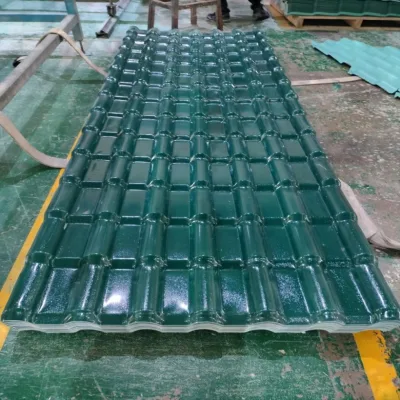
$2.85 - $3.78
MOQ: 500 square
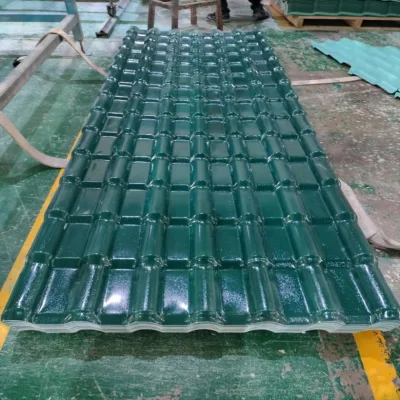
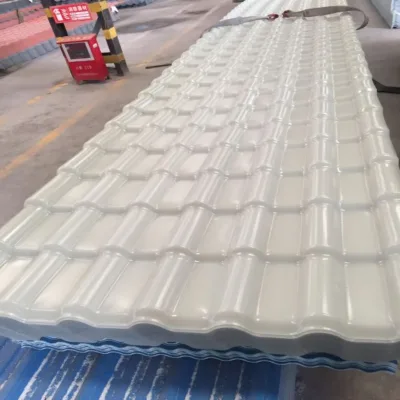
$2.85 - $3.78
MOQ: 500 square
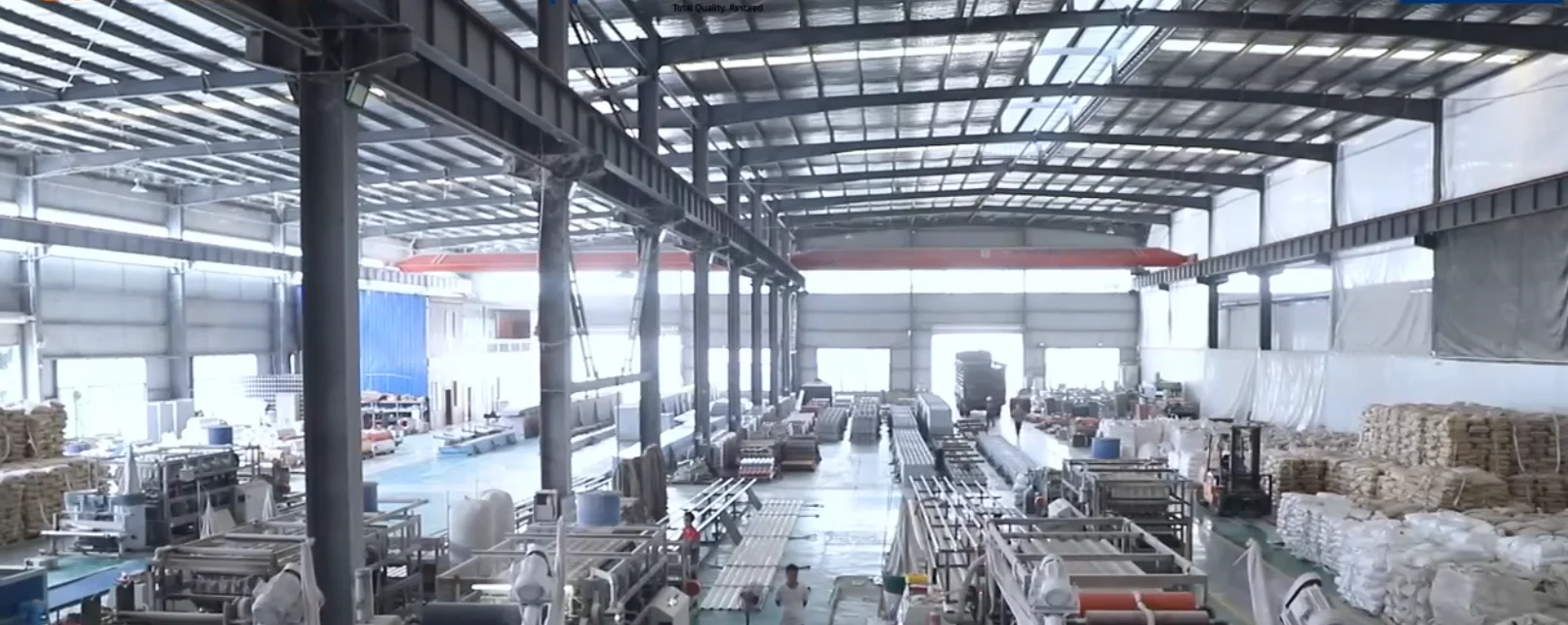
Guangxi Huizhongyue Technology Co., Ltd.
- Trading Company
- Guangxi, China
- Lead time0 days
- Avg. response≤ 2h
Main productsASA Synthetic Resin Tiles, PVC Roofing Sheets, Aluminum Sandwich Panels, Sun Sheets & PC Embossed Sheets
Main marketsSouth America(50.00%), Southeast Asia(30.00%), Western Europe(10.00%), Domestic Market(10.00%)
Foshan Happiness Star Plastics Co., Ltd.
- Verified by TüVRheinland
- Manufacturer, Trading Company
- Lead time11 days
- Avg. response≤ 3h
Main productsASA Synthetic Resin Tile, UPVC Roof Tile, ASA PVC Corrosion Composite Tile, Transparent Tile, Roof Tile Accessories
Main marketsDomestic Market(40%), South America(24%), Southeast Asia(10%)
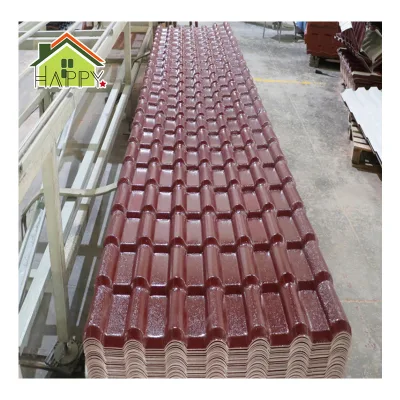
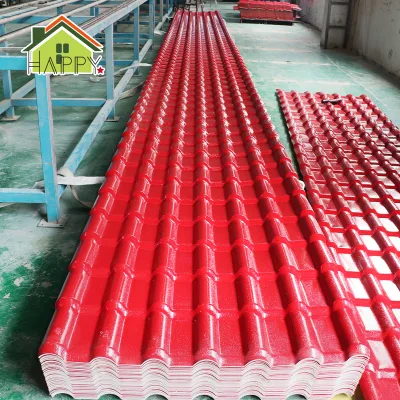
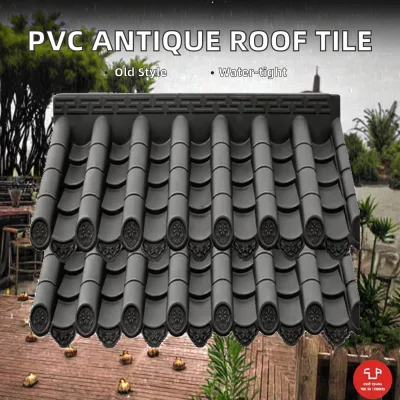
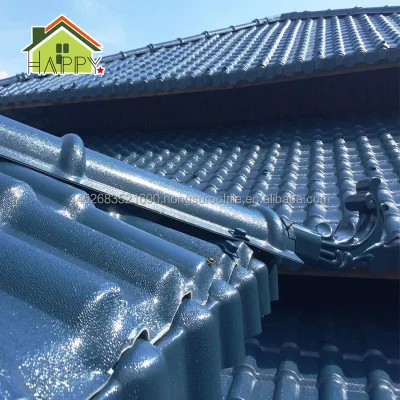

$2.45 - $4.50
MOQ: 100 square
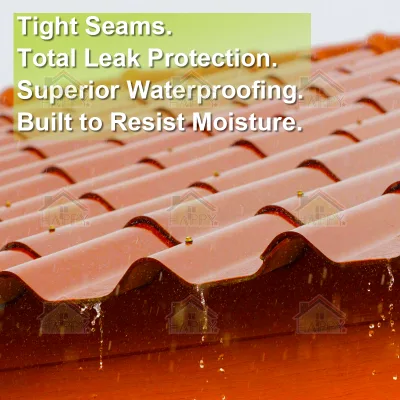

Hebei Nali Technology Co., Ltd.
- Verified by SGS
- Trading Company
- China Hebei
- Lead time23 days
- Avg. response≤ 3h
Main productsBuilding Materials, Roof Tile, Stone Coated Roof Tile, UPVC Roof Sheet, ASA Synthetic Resin Tile, Stone Coated Roof Sheet, Stone Coated Metal Roof Tiles, Roof Sheet, Roofing Material
Main marketsOthers(foreignTradeCapacity.exportBusinessCapacityMarketOther),Southeast Asia/ Mideast


High-Quality ASA Synthetic Resin Tiles for Weatherproof and Stylish Roof Designs
$2.50 - $3.10
MOQ: 500 Meters
Jiangsu Lagos Color Stone Metal Tile Co., Ltd.
- Manufacturer, Trading Company
- Jiangsu, China
- Lead time20 days
- Avg. response≤ 4h
Main productsclassical tile,rainbow tile,joint tile,shingle tile,milano tile
Main marketsAfrica(80.00%), Mid East(10.00%), North America(10.00%)

Senco Building Materials and Technology Co., Ltd.
- Verified by SGS
- Trading Company
- China Guangdong
- Lead time15 days
- Avg. response≤ 2h
Main productsASA Synthetic Resin Tile, PVC/UPVC Roofing Tile, Hollow PVC Panel, PC Sheet, FRP Translucent Roof Sheet, Aluminum Alloy Roofing Tile, Related Accessories
Main marketsDomestic

$3.10 - $4.10
MOQ: 500 Square Meters

High Quality ASA Resin Roof Tile Durable Synthetic Resin Tilefor Villa Roofing Sheet
$3.40 - $4.40
MOQ: 500 Square Meters

$2.11 - $3.60
MOQ: 500 Pieces


Linyi Geeluck Building Material Co., Ltd.
- Verified by BV
- Combined
- China Shandong
- Lead time30 days
- Avg. response≤ 1h
Main productsResin Roofing Tile, FRP Roofing Tile, PP Traditional Integrated Tile, Asphalt Roof Tile, Stone Coted Metal Roof Tile, Polycarbonate Sheet, Metal Carved Board, Polyurethane Insulation Board
Main marketsSoutheast Asia/ Mideast,Europe
- Verified by SGS Group
- Manufacturer, Trading Company
- Shandong, China
- Lead time7 days
- Avg. response≤ 1h
Main productsPVC Roof Sheet, UPVC Roof Sheet, ASA Synthetic Resin Roof Tile, PVC Hollow Sheet, Transparent Roof Sheet
Main marketsSouth America(30%), Southeast Asia(20%), Central America(10%)
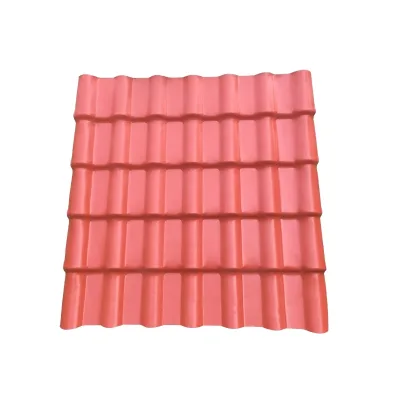
$3.1266 - $4.1768
MOQ: 200 meters
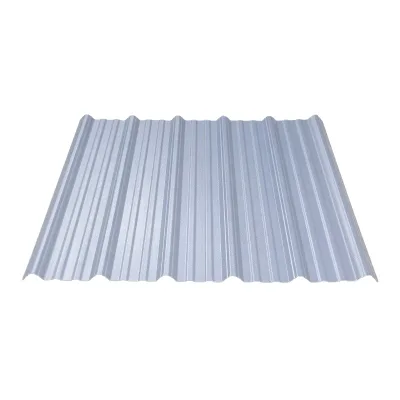
Elegant Synthetic Resin Tile in Spanish Style with Premium ASA Material for Residential Use
$2.3876 - $3.3166
MOQ: 200 square
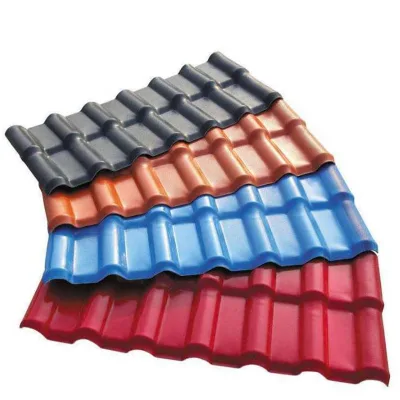
Factory Direct Supply ASA Synthetic Resin Tile One-Piece Tile Thickened
$3.2553 - $4.1753
MOQ: 100 square
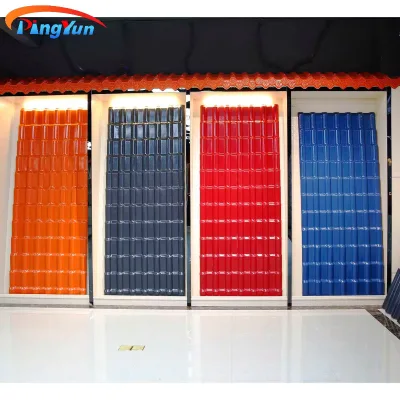
Heavy Duty Spanish Resin Tiles - Fireproof, Windproof , Eco-Friendly
$2.9202 - $3.6502
MOQ: 2000 square
JINAN CREATE IMPORT EXPORT CO., LTD.
- Verified by TüVRheinland
- Trading Company
- Lead time15 days
- Avg. response≤ 1h
Main productsGalvanized Steel Coil, PPGI, Galvalume Steel Coil, Corrugated Sheet, Hot Rolled Steel Coil
Main marketsSoutheast Asia(30%), Africa(30%), Mid East(30%)
Shenzhen Yujing Building Materials Co., Ltd.
- Verified by Intertek
- Manufacturer, Trading Company
- Lead time4 days
- Avg. response≤ 4h
Main productsSynthetic Thatch, Synthetic Palm Leaves , Synthetic Bamboo Weaving , Synthetic Lawn , PVC Resin Roof Tiles
Main marketsSoutheast Asia(42%), Domestic Market(30%), North America(14%)
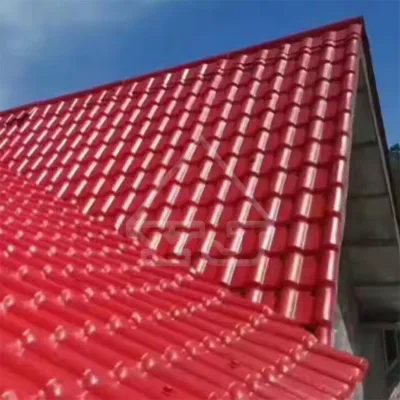
ASA Roof Tiles Transparent Traditional PVC Roof Tiles Are Used for Garden Double Roman Tiles
$3.6188 - $4.0332
MOQ: 100 square
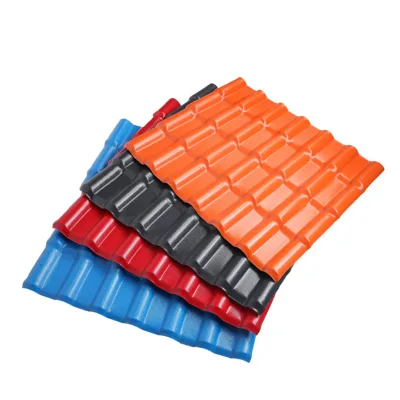

langfang bonai ep tech co .,ltd
- Manufacturer, Trading Company
- Hebei, China
- Lead time10 days
- Avg. response≤ 3h
Main productsPVC Corrugated Plastic Roof Sheet,PVC Corrugated Transparent Plastic Roof Sheet,FRP Corrugated Roof Sheet,Polycarbonate Corrugated Board,PC Hollow Sheet
Main marketsSouth America(50.00%), Mid East(20.00%), Domestic Market(20.00%), Southeast Asia(10.00%)
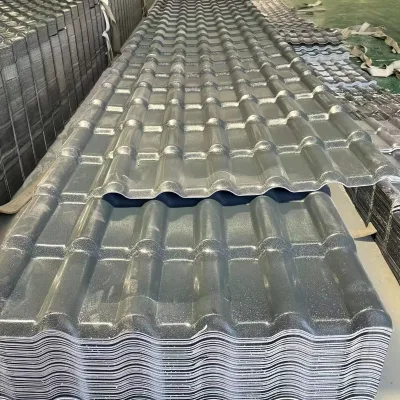
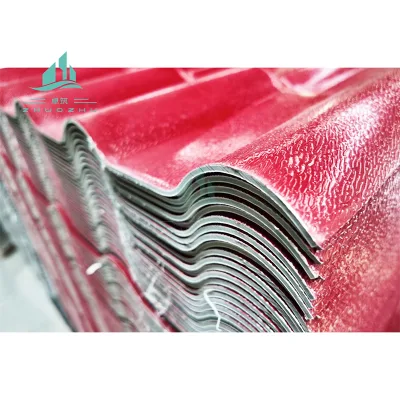
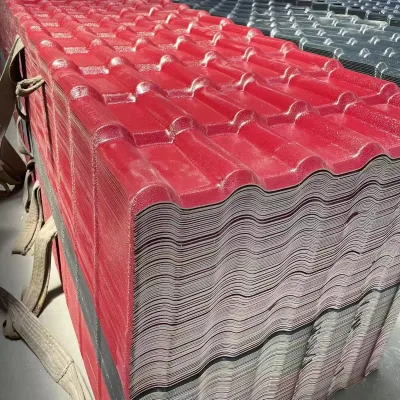
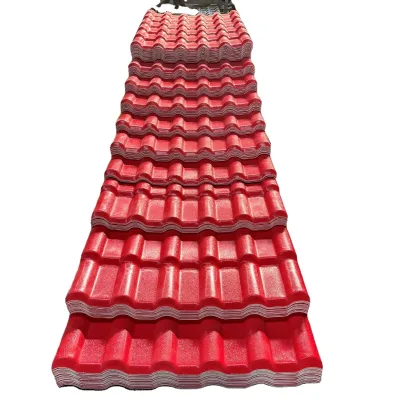




Comprehensive Sourcing Guide
Traditional Waterproof ASA Resin Tiles Supplier Concentration and Factory Types
The sourcing landscape for Traditional Waterproof ASA Resin Tiles reveals a distinct geographic concentration within China, specifically highlighting Jiangsu, Zhejiang, Guangdong, and Hunan provinces as key manufacturing hubs. Suppliers in Jiangsu often operate as combined entities, blending trading and manufacturing capabilities, which can offer flexibility in product variety such as ASA PVC resin roof sheets and UPVC options. In contrast, manufacturers located in Zhejiang and Guangdong frequently emphasize their production capacity, with Guangdong-based factories noting verification by TÜV Rheinland, a significant indicator of operational rigor. Hunan suppliers stand out by holding specific ISO9001:2015 and ISO14001:2015 certifications, suggesting a structured approach to quality management and environmental standards that may appeal to buyers requiring strict compliance documentation. Understanding these regional distinctions helps buyers align their procurement strategy with the specific operational model of the supplier, whether they prioritize the combined service model of Jiangsu or the certified manufacturing precision of Hunan and Guangdong.
Factory types vary significantly across these regions, influencing the buyer’s ability to customize products and manage inventory. Many suppliers offer ODM (Original Design Manufacturing) capabilities, allowing for tailored solutions such as arched shapes, brick red colors, or specific thicknesses like 2.5mm and 3.0mm. Some manufacturers in Guangdong explicitly support both OEM and ODM requests, enabling buyers to brand products or modify designs for specific architectural needs. The presence of "Combined" company types in Jiangsu suggests a hybrid model that might streamline communication for international buyers who prefer a single point of contact for both sourcing and logistics. Meanwhile, pure manufacturers in Zhejiang and Hunan may offer more direct control over production schedules and quality assurance processes. Buyers should evaluate whether their project requires the flexibility of a trading company or the direct oversight of a factory, as this decision impacts lead times, communication efficiency, and the ability to resolve production issues quickly.
How to Verify Traditional Waterproof ASA Resin Tiles Suppliers
Verification is a critical step in mitigating risk when sourcing Traditional Waterproof ASA Resin Tiles, as the market contains a mix of verified manufacturers and trading companies. Buyers should prioritize suppliers who display third-party verification badges, such as SGS or TÜV Rheinland, which indicate that an independent agency has audited the supplier’s business legitimacy and operational capabilities. For instance, suppliers in Guangdong have been noted with TÜV Rheinland verification, providing a layer of trust regarding their manufacturing standards. Additionally, checking for system certifications like ISO9001:2015 and ISO14001:2015, as seen with Hunan-based suppliers, offers concrete evidence of a supplier’s commitment to quality management systems and environmental responsibility. These certifications are not merely decorative; they often correlate with consistent product quality and reliable production processes, which are essential for large-scale roofing projects where material failure is not an option.
Beyond certifications, buyers must assess the supplier’s responsiveness and transparency in their product listings. A rapid response time, such as the 0.58 hours observed in some Guangdong suppliers or 0.87 hours in Zhejiang, indicates a professional sales team that can address inquiries and provide samples efficiently. Buyers should also scrutinize the detailed product attributes provided, such as material composition (synthetic resin), shape (arched), and specific standards (e.g., 1050*219mm). Suppliers that provide comprehensive data on heat resistance ranges, fire protection ratings (like B1), and color longevity (15-30 years) demonstrate a higher level of product knowledge and transparency. It is advisable to request samples to verify the physical quality, including the thickness and durability of the ASA layer, before committing to a large order. This hands-on verification complements the digital due diligence, ensuring that the supplier’s claims align with the actual product performance.
What to Compare Across Traditional Waterproof ASA Resin Tiles Suppliers
When evaluating multiple suppliers, buyers must compare key operational metrics such as lead time, minimum order quantity (MOQ), and pricing structures to determine the best fit for their project. Lead times can vary significantly, with some suppliers offering a standard 15-day production window, which is crucial for projects with tight deadlines. MOQs also differ, ranging from 100 pieces for smaller trials to 1000 or 500 pieces for larger orders, allowing buyers to scale their initial purchases based on budget and storage capacity. Pricing is another critical factor, with costs ranging from approximately $1.50 to $5.00 per unit depending on the product specifications, such as thickness, color, and customization options. Buyers should request detailed quotes that break down these costs to understand the value proposition of each supplier, ensuring that lower prices do not come at the expense of material quality or service reliability.
In addition to operational metrics, buyers should compare the range of main products and customization capabilities offered by each supplier. Some suppliers specialize in a narrow range of ASA synthetic resin tiles, while others offer a broader portfolio including UPVC sheets, stone-coated metal tiles, and various accessories. The ability to customize products, such as adjusting the size to 1050m*880mm or accepting logo customization, can be a decisive factor for buyers seeking unique architectural solutions. Suppliers that support OEM and ODM services provide greater flexibility, allowing for brand integration and design modifications. Buyers should also consider the supplier’s ability to provide samples and their willingness to accommodate specific packaging requirements, such as bulk packing or customized crating for international shipping. A comprehensive comparison of these factors ensures that the selected supplier can meet both the technical and logistical demands of the project.
Common Traditional Waterproof ASA Resin Tiles Sourcing Risks
One of the primary risks in sourcing Traditional Waterproof ASA Resin Tiles is the potential discrepancy between advertised product specifications and the actual delivered goods. Buyers may encounter suppliers who claim high durability or specific fire ratings, such as B1, without providing verifiable test reports or certifications. This risk is heightened when dealing with suppliers who lack third-party verification or clear system certifications. Additionally, the variability in material quality, such as the thickness of the synthetic resin layer or the integrity of the ASA coating, can lead to premature aging, discoloration, or reduced waterproofing performance. Buyers must be vigilant in requesting detailed product attributes and independent test results to validate these claims, as relying solely on supplier descriptions can result in significant project delays and financial losses due to material failure.
Another significant risk is the inconsistency in lead times and communication responsiveness, which can disrupt project schedules. Suppliers with slower response times, such as those taking over 20 hours to reply, may struggle to manage urgent orders or address production issues promptly. This delay can cascade into longer lead times, affecting the overall timeline of construction projects. Furthermore, the lack of clear information on packaging and shipping methods can lead to damage during transit, especially for fragile roof tiles. Buyers should assess the supplier’s logistics capabilities and their experience in handling international shipments to mitigate these risks. Establishing clear communication channels and setting realistic expectations for delivery times is essential to avoid disruptions. By proactively identifying and addressing these potential pitfalls, buyers can ensure a smoother sourcing process and receive products that meet their quality and timeline requirements.
Traditional Waterproof ASA Resin Tiles Regional Sourcing and Logistics
Sourcing Traditional Waterproof ASA Resin Tiles from different regions in China offers distinct logistical advantages and challenges that buyers must consider. Suppliers in Jiangsu, Zhejiang, Guangdong, and Hunan are located in areas with well-developed manufacturing infrastructure and access to major ports, facilitating efficient export operations. Guangdong, in particular, is known for its strong manufacturing base and proximity to Shenzhen and Guangzhou ports, which can reduce shipping times and costs for international buyers. Zhejiang suppliers also benefit from similar logistical advantages, with efficient supply chains supporting rapid production and dispatch. Buyers should evaluate the supplier’s location in relation to their destination port to optimize freight costs and transit times. Additionally, understanding the regional specialization of each province can help buyers select suppliers who are best equipped to handle their specific product requirements, such as high-volume orders or customized designs.
Logistics planning also involves considering the packaging and handling of the roof tiles to prevent damage during transit. Suppliers often provide bulk packing options, but buyers should verify the packaging standards to ensure that the tiles are protected against moisture, impact, and weather exposure. Some suppliers may offer customized packaging solutions to meet specific customer requirements, which can be beneficial for large-scale projects. Buyers should also assess the supplier’s experience in international shipping, including their ability to handle customs documentation and coordinate with freight forwarders. Clear communication regarding shipping terms, such as FOB or CIF, is essential to avoid unexpected costs and delays. By carefully planning the logistics and selecting suppliers with robust shipping capabilities, buyers can ensure that their Traditional Waterproof ASA Resin Tiles arrive at the destination in optimal condition and on schedule.
Traditional Waterproof ASA Resin Tiles Commercial Terms and Order Planning
Commercial terms and order planning are critical components of a successful sourcing strategy for Traditional Waterproof ASA Resin Tiles. Buyers should negotiate clear payment terms, such as using escrow services or letters of credit, to protect their financial interests and ensure that the supplier fulfills their obligations. Understanding the supplier’s MOQ and pricing structure is essential for accurate budgeting and order planning. Suppliers with lower MOQs, such as 100 pieces, allow for smaller initial orders, which can be useful for testing the market or fulfilling small projects. However, larger orders may qualify for volume discounts, reducing the per-unit cost. Buyers should also consider the lead time when planning their orders, ensuring that production and shipping schedules align with their project deadlines. Clear communication regarding delivery dates and potential delays is crucial to avoid disruptions.
In addition to payment and logistics, buyers should plan for post-order support and quality assurance. Suppliers that offer sample approval processes and detailed product specifications provide a foundation for quality control. Buyers should establish clear criteria for product acceptance, including checks for material thickness, color consistency, and structural integrity. It is also advisable to discuss warranty terms and after-sales support with the supplier to address any potential issues that may arise after delivery. By carefully planning the commercial terms and order logistics, buyers can minimize risks and ensure a smooth transaction. This proactive approach helps in building a reliable supply chain and fosters long-term partnerships with suppliers who can consistently deliver high-quality Traditional Waterproof ASA Resin Tiles.
FAQs
What is the price range for Traditional Waterproof ASA Resin Tiles?
Prices typically range from $1.50 to $5.00 per square meter depending on specifications. Some suppliers offer rates as low as $1.50 for standard orders, while premium fireproof or custom options may reach $5.00. Buyers should verify exact pricing based on quantity and customization needs.
What is the minimum order quantity for these tiles?
Minimum order quantities vary significantly by supplier. Some manufacturers require as few as 100 pieces, while others set the threshold at 500 or 1000 pieces. Buyers must check specific supplier listings to confirm the exact MOQ applicable to their desired product model and customization level.
How long does production and delivery take?
Standard lead times are approximately 15 days for production. However, response times for inquiries differ, ranging from under one hour to over twenty hours. Buyers should confirm specific delivery schedules with suppliers, as expedited options or custom orders may extend the timeline beyond the standard period.
Are these tiles customizable for specific projects?
Yes, most suppliers offer customization options including shape, color, and size. Products are available in arched or plain styles with colors like brick red. OEM and ODM services are supported, allowing buyers to request specific dimensions, logos, or packaging to meet unique architectural or branding requirements.
What certifications do these suppliers hold?
Certification status varies by manufacturer. Some suppliers hold ISO9001:2015 and ISO14001:2015 certificates, while others may have SGS or TÜV Rheinland verification. System certifications are not universal, so buyers should verify specific compliance documents directly with the supplier to ensure they meet local building standards.
Where are these suppliers located?
Manufacturers are primarily located in China, specifically in provinces like Jiangsu, Zhejiang, Guangdong, and Hunan. The product origin is often listed as Jiangsu or Guangxi. Buyers can filter results by these regions to find suppliers closer to their logistics hubs or with specific regional manufacturing capabilities.