Source Anti-UV Injection Molding Indoor Playground for parks, schools, and restaurants
Find 30 options for Anti-UV Injection Molding Indoor Playground equipment suitable for kindergarten, park, and restaurant settings. Compare specifications including age range, materials, and certifications to select the right soft play solution.
Key considerations
Products List


Premium Custom Indoor Playgrounds Designed for Theme Park Experiences
$80.00 - $180.00
MOQ: 1 Square Meters


Bright Color Custom Layout Children Activity Indoor Playground
$400.00 - $600.00
MOQ: 100 Square Meters


Interactive Indoor Entertainment Indoor Playground for Parents and Children
$95.00 - $150.00
MOQ: 1 Square Meters


Customized Children's Indoor Amusement Equipment Kid's Indoor Soft-Packed Playground
$95.00 - $150.00
MOQ: 1 Square Meters


Large Custom-Made Playground Indoor Children's Playground Large Family Activity Area
$95.00 - $150.00
MOQ: 1 Square Meters


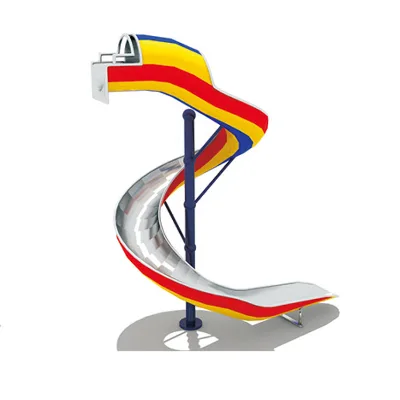
UV Resistant Playground Equipment Amusement Park Playground Equipment
$1290.00 - $1500.00
MOQ: 1 Pieces



Comprehensive Sourcing Guide
Strategic Sourcing Guide for Anti-UV Injection Molding Indoor Playgrounds
Understanding the Core Technology and Material Composition
When sourcing an indoor playground with a specific focus on anti-UV injection molding, buyers must first distinguish between the manufacturing processes and the material science involved. The core keyword suggests a hybrid approach where the structural integrity of injection molding is paired with UV-resistant properties, often found in plastic components. However, a critical observation from the available market data indicates that while injection molding is a documented productive technology for these units, the primary material composition frequently cited is PVC (Polyvinyl Chloride) or generic plastic, rather than the rigid thermoplastics typically associated with high-volume injection molding for structural frames.
The supplied facts reveal that the "Productive Technology" for certain units is explicitly listed as "Injection Molding," while other comparable units utilize "Rotational Moulding." This distinction is vital for procurement. Injection molding generally produces high-precision, rigid components with tight tolerances, suitable for detailed structural elements. In contrast, rotational molding is often used for hollow, seamless plastic structures. If the requirement is strictly for "injection molding," the buyer must verify that the supplier's specific model, such as those with models like SKP-0075663 or AO-909361, actually utilizes this process for the specific components being purchased, rather than assuming it applies to the entire soft-play structure.
Furthermore, the material attribute "PVC" is prominent in the data, often combined with "Anti-UV" advantages. The "Advantage" field explicitly lists "Anti-UV" as a key feature, alongside Anti-Static, Security, and Environmental friendliness. This suggests that the UV resistance is a functional property of the PVC foam or PE net materials used in the soft play areas, rather than a property of the injection-molded structural pipes. The "prod_standard" notes the use of "Galvanized pipe, PVC foam, PE net, EV," indicating a composite structure. Therefore, the "anti-UV" claim likely pertains to the surface materials that prevent fading and degradation under light exposure, even if the unit is designated for indoor use, as indoor lighting and occasional window exposure can still cause degradation over time.
Technical Specifications and Structural Configuration
The technical architecture of these indoor playground sets is defined by specific structural and dimensional parameters. The "Structure" is frequently described as having "3 Floors," which implies a multi-level play environment requiring robust vertical support and safety railings. The "Size" and "prod_standard" fields consistently indicate "Customized" or "Custom" dimensions, meaning there is no single off-the-shelf specification. Buyers must engage in a detailed design phase to define the footprint, ensuring it fits the intended venue, whether it is a kindergarten, park, or restaurant.
The "Age" range is a critical technical constraint. The data specifies an age range of "3-12 Years" for some units and "3-15 Years Old" for others. This variance affects the design of the equipment, including the height of slides, the size of climbing nets, and the complexity of the trampoline sections. The "Entertainment Projects" listed include "Slide" and "Trampoline," which are central to the functional design. The "Type" is consistently "Indoor," and the "Condition" is "New."
A significant technical consideration is the "Productive Technology." While the keyword emphasizes injection molding, the data shows a mix of technologies. If a buyer requires injection-molded parts for durability and precision, they must verify that the specific model (e.g., TY-20241030) utilizes this method for the relevant components. The "Material" is listed as "Plastic" or "PVC," and the "prod_packing" varies from "Cotton Cloth and Bubble Film" to "Cotton, PVC, Wood." This variation in packing suggests that the fragility of the components and the need for protection during shipping are high priorities. The "Service Life" is estimated at "8-10 years" or "10 Years," which serves as a benchmark for the expected durability of the materials, assuming proper maintenance.
Compliance, Certification, and Safety Standards
Safety and regulatory compliance are non-negotiable in the procurement of children's equipment. The supplied facts provide a robust list of certifications that buyers should verify as present on the product documentation. The "Certification" field explicitly lists "CE," "GS," "ISO," "TUV," and "SGS." Additionally, the "prod_standard" references "EN1176," which is a European standard for playground equipment, and "ISO" standards. The presence of "CE" and "GS" indicates compliance with European safety directives, while "TUV" and "SGS" represent third-party testing and verification.
Buyers must understand that the presence of these certifications in the general product data does not guarantee that every single unit or specific model variation holds them. The "Allowable Passenger" section lists "Certification: CE, ISO" and "Certification: CE, GS, ISO, TUV," suggesting that different models may carry different certification suites. It is imperative for the buyer to request the specific test reports for the model they intend to purchase. The "Standard" field also mentions "ASTM 1918-12" in the low-confidence background, but this should not be asserted as a fact without direct supplier confirmation. Instead, buyers should verify if the equipment meets local jurisdiction standards, which often align with EN1176 or ASTM F1487 for playground safety.
The "Quality" attribute is described as "High Quality," and the "Advantage" section highlights "Security." This implies that the design prioritizes the safety of the end-user. The "Warranty Period" is consistently "1 Year" or "12 Months," which is a standard industry term for covering manufacturing defects. However, the "Service Life" of 8-10 years suggests that the equipment is built to last much longer than the warranty period, provided that the anti-UV and anti-static properties are maintained.
Cost Drivers and Pricing Dynamics
The pricing landscape for these indoor playgrounds is highly variable, driven by the custom nature of the products. The observed price range in the market data spans from $70 to $230,000 USD. This massive disparity reflects the difference between small, single-component units and large, fully customized multi-floor complexes. The "MOQ" (Minimum Order Quantity) ranges from 1 to 1000, indicating that suppliers cater to both individual buyers and large-scale distributors.
Several factors drive the cost of an anti-UV injection molding indoor playground. First, the "Customized Size" and "Custom" standards mean that every quote is unique. The complexity of the design, including the number of floors, the inclusion of slides and trampolines, and the specific anti-UV material requirements, directly impacts the final price. Second, the "Productive Technology" plays a role; injection molding often requires expensive molds, which can increase the initial cost but lower the per-unit cost for large batches. Third, the "Material" costs, particularly for high-grade PVC and galvanized pipes, fluctuate with global market prices.
The "Delivery Time" is listed as "20-25 Days," which is a significant cost driver in terms of logistics and project planning. This lead time includes the manufacturing, quality control, and packing phases. The "prod_packing" methods, such as "Sea Freight" or "Cotton Plastic Film, Carton, Woven Bag," also influence shipping costs. Buyers should anticipate that the lower end of the price range ($70) likely corresponds to small, non-customized accessories or single items, while the upper end ($230,000) corresponds to full-scale, custom-engineered facilities.
Supplier Evaluation and Origin Verification
Identifying a reliable supplier requires careful scrutiny of the origin and operational capabilities. The "prod_origin" is consistently listed as "Guangzhou, Guangdong, China" or simply "Guangzhou." This region is a known hub for playground equipment manufacturing, offering a concentration of specialized suppliers. However, the presence of a location in the data does not verify the specific supplier's reputation or financial stability.
Buyers should evaluate suppliers based on their ability to provide the specific "Customization" services mentioned in the data. The "Customization" attribute is marked as "Available," and "Customized" is listed as a product state. This means the supplier must have the engineering capacity to design a unique layout that meets the buyer's space and safety requirements. The "Style" is described as "Fashionable," suggesting that suppliers should be able to offer modern designs that appeal to children and parents.
When evaluating a supplier, buyers should request evidence of their "Productive Technology." If the keyword specifies "injection molding," the supplier must demonstrate that they have the injection molding machinery and expertise to produce the required components. They should also provide proof of their "Certification" status, ensuring that the specific model they are selling has the necessary CE, GS, ISO, or TUV approvals. The "Warranty" of 1 year is a standard offer, but buyers should inquire about the terms of the warranty, including what constitutes a defect and the process for claims.
Quality Control and Long-Term Procurement Considerations
Ensuring long-term value requires a focus on quality control (QC) and maintenance. The "Service Life" of 8-10 years or 10 years is a key metric for ROI. To achieve this lifespan, the "Anti-UV" and "Anti-Static" properties must be verified. The "Advantage" list confirms these features, but buyers should request material data sheets that specify the UV stabilizers used in the PVC or plastic components. This ensures that the equipment will not fade or become brittle over time, even in environments with significant lighting.
The "prod_packing" details, such as "Cotton Cloth and Bubble Film Packaging" or "PVC Film Outside, Cotton Inside," indicate that the manufacturer is aware of the need to protect the equipment during transit. Buyers should verify that the packing standards are sufficient to prevent damage during shipping, especially for sea freight. The "Condition" is listed as "New," but buyers should inspect the goods upon arrival for any signs of damage or manufacturing defects.
For long-term procurement, the "Warranty Period" of 1 year is the baseline. However, buyers should consider the availability of spare parts. Since the "prod_standard" includes specific materials like "Galvanized pipe" and "PVC foam," the supplier should have a supply chain for these components to facilitate repairs. The "Custom" nature of the equipment means that standard spare parts may not be available, so a long-term service agreement with the supplier is advisable.
Comparative Analysis of Product Attributes
To facilitate decision-making, the following table summarizes the key attributes observed in the market data for indoor playground equipment. This comparison helps buyers understand the variability in specifications and the importance of verifying details against their specific needs.
| Attribute Category | Observed Value / Range | Verification Requirement |
|---|---|---|
| Productive Technology | Injection Molding, Rotational Moulding | Confirm which process is used for specific components. |
| Material | PVC, Plastic, Galvanized Pipe, PE Net | Verify material grade and UV stabilizer content. |
| Certifications | CE, GS, ISO, TUV, SGS, EN1176 | Request specific test reports for the model. |
| Age Range | 3-12 Years, 3-15 Years | Ensure design matches the target demographic. |
| Structure | 3 Floors, Indoor | Confirm floor count and safety railings. |
| Warranty | 1 Year, 12 Months | Clarify coverage scope and claim process. |
| Service Life | 8-10 Years, 10 Years | Assess maintenance requirements to meet lifespan. |
| Origin | Guangzhou, Guangdong, China | Verify supplier location and logistics capabilities. |
| Customization | Custom Size, Custom Color, Custom Standard | Provide detailed site dimensions and design preferences. |
| Delivery Time | 20-25 Days | Plan project timeline accordingly. |
This table highlights that while general trends exist, the specific details of each unit can vary significantly. The "Custom" nature of the products means that the buyer's engagement with the supplier is critical to defining the final specifications. By focusing on the technical details, verifying certifications, and understanding the cost drivers, buyers can make informed decisions that ensure the safety, durability, and value of their indoor playground investment. The "Anti-UV" feature, while a key selling point, must be backed by material evidence to ensure it delivers on the promise of longevity and aesthetic preservation.
FAQs
What is the typical service life of these indoor playgrounds?
The typical service life is 8 to 10 years. This duration assumes proper maintenance and relies on the durability of the PVC foam and galvanized pipe materials used in the construction.
Can I customize the size and structure of the playground?
Yes, customization is available for size and structure. Buyers can specify custom dimensions and request a 3-floor layout to fit specific venue requirements like kindergartens or amusement parks.
Which certifications are standard for these indoor play units?
Standard certifications include CE, ISO, GS, TUV, and SGS. These marks verify compliance with safety standards like EN1176 and ensure the equipment meets international quality and security requirements.
How long is the delivery time for a custom order?
The delivery time is typically 20 to 25 days. This lead time covers the manufacturing process, quality checks, and packing using cotton cloth and bubble film for protection.
What materials are used for the anti-UV properties?
The anti-UV properties come from PVC foam and PE net materials. These components are designed to resist fading and degradation, ensuring the equipment remains safe and visually appealing over time.
What is the warranty period for the indoor playground set?
The warranty period is 1 year or 12 months. This covers manufacturing defects, while the product life extends to 10 years with proper care and maintenance of the plastic and metal parts.
Which age groups are suitable for this equipment?
The equipment is suitable for children aged 3 to 15 years old. Specific models may target the 3 to 12 years range, featuring slides and trampolines designed for their developmental needs.