Source Antistatic Moisture Proof Mailing Bag for Electronics, Medical, and Clothing
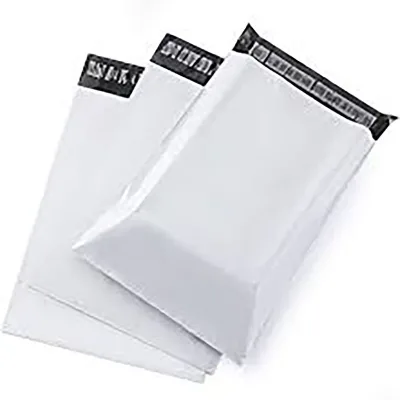
Find 30 Antistatic Moisture Proof Mailing Bag options from Chinese manufacturers. Compare specifications like thickness, size, and sealing methods for stationery, medical, and cosmetic packaging needs. These high-pressure polyethylene bags offer moisture proof and shock resistance features suitable for various industrial applications.
Key considerations
Products List


Poly Mailer Bag PE Puncture Resistant Mailers Strong Self Seal Adhesive
$0.02 - $0.12
MOQ: 10000 Pieces


Wholesale Custom High Quality Waterproof and Wear-Resistant Courier Bag
$0.01 - $0.03
MOQ: 10000 Pieces




Comprehensive Sourcing Guide
Antistatic Moisture Proof Mailing Bag Sourcing Guide
Procurement teams must first identify the specific material composition required for their logistics needs, as the observed market data highlights High Pressure Polyethylene as a primary raw material for these specialized containers. Buyers should verify that the selected supplier utilizes this specific polymer to ensure the bag delivers the necessary shock resistance and moisture-proof performance observed in current listings. The product scope includes various shapes and sealing methods, with self-sealing mechanisms being a common feature for efficient packing operations in stationery, medical, and cosmetic sectors.
When evaluating product listings, buyers must distinguish between standardized models like PPB-8002 and fully customized options that allow for specific size and material adjustments. The observed data indicates a wide range of minimum order quantities, from 5,000 units to 10,000 bags, which significantly impacts the initial capital outlay for new procurement cycles. Sourcing strategies should account for these volume thresholds while ensuring the chosen supplier can accommodate the required customization for logos and dimensions without compromising the structural integrity of the plastic packaging.
Product Scope and Observed Listing Signals
The market for antistatic moisture proof mailing bags presents a diverse array of product varieties, including back seal bags and express bags designed for specific shipping requirements. Buyers should note that transparency levels vary, with some listings explicitly stating non-transparent finishes, which may be critical for protecting sensitive contents from light exposure during transit. The observed product attributes confirm that these bags are engineered to be recyclable, aligning with modern sustainability goals while maintaining the robust waterproof performance necessary for international logistics.
Listing signals also reveal significant variation in packaging formats, ranging from rolls to flat-packed cartons, which influences downstream storage and handling efficiency. Procurement officers must carefully review the stated packing specifications, such as 100 pieces per bundle or standard export cartons, to ensure compatibility with their existing warehouse automation systems. The presence of customized color printing options allows for brand reinforcement, but buyers must verify that the printing process does not interfere with the antistatic properties or the self-sealing functionality of the bag.
Technical Specifications to Verify
Technical due diligence requires a rigorous verification of the bag's dimensional standards, as observed listings provide specific measurements like 50*+434 or 4225CM alongside fully customizable size options. Buyers must confirm that the thickness specifications meet the load-bearing requirements of their specific products, noting that thickness is often listed as a customizable parameter rather than a fixed value. The structural integrity of the bag relies heavily on the raw material quality, so verifying the use of High Pressure Polyethylene is essential to guarantee the shock resistance and moisture-proof capabilities claimed in the product descriptions.
Sealing methods and physical attributes such as the self-sealing mechanism must be tested to ensure they function reliably under various environmental conditions. Procurement teams should request samples to validate the antistatic performance, as this feature is critical for protecting electronic components or sensitive medical supplies from electrostatic discharge. Additionally, the verification of the bag's shape and variety, such as back seal configurations, ensures that the packaging solution fits the specific geometry of the items being shipped, preventing damage during the handling and transit phases.
Compliance and Safety Documentation
Compliance verification is paramount when sourcing packaging that may come into contact with medical or cosmetic products, requiring suppliers to provide valid certifications such as SGS and TUV. These third-party validations confirm that the manufacturing processes adhere to international safety standards, ensuring the plastic materials do not leach harmful substances into the packaged goods. Buyers should explicitly request these certification documents before finalizing any order, as the absence of such proof could lead to regulatory non-compliance in the destination market.
Beyond material safety, the classification of the product under the H.S. Code 39232100 is a critical administrative detail that affects import duties and customs clearance procedures. Procurement teams must ensure that the supplier accurately declares the product category to avoid delays at the border, as misclassification can result in significant financial penalties and logistical hold-ups. The documentation should also reflect the product's origin, typically listed as Shandong, China, to verify the supply chain transparency and ensure that the goods meet the specific trade requirements of the importing country.
Cost Drivers and Commercial Terms
Cost structures for antistatic moisture proof mailing bags are heavily influenced by the minimum order quantity, which ranges widely from 5,000 units to 10,000 bags depending on the supplier and customization level. Buyers must calculate the total landed cost by factoring in these volume thresholds, as smaller orders may incur higher per-unit prices or require a premium for custom tooling and setup. The observed MOQ of 2 tons for certain bulk listings further complicates cost planning, necessitating a clear understanding of the weight-to-volume ratio to optimize shipping expenses.
Commercial terms also include lead times that typically span 15 to 40 days, a variable that must be integrated into the overall supply chain schedule to prevent stockouts. Procurement managers should negotiate clear delivery windows and penalty clauses for delays, as the production time can fluctuate based on the complexity of the customization, such as specific logo printing or unique size requirements. Additionally, the availability of free samples for stock items offers a low-risk opportunity to validate quality before committing to a large-scale purchase, though buyers should be aware that custom samples may incur separate charges.
Supplier Qualification and Quality Control
Supplier qualification should focus on verifying the manufacturing location, with the majority of observed listings originating from the China Mainland, specifically Shandong province. Buyers must assess the supplier's capacity to handle large-scale production runs, given the high-end MOQs observed in the market, and ensure they have the infrastructure to maintain consistent quality across batches. The presence of specific product models like GRY-050 or 0003-0020 suggests a standardized production line, but buyers must confirm that the supplier can switch between models without compromising the antistatic or moisture-proof attributes.
Quality control protocols must be established to verify that the final product matches the specified standards, such as the 50*+4*34 dimensions or the customized thickness requirements. Procurement teams should implement a rigorous inspection process that includes checking the sealing method, the integrity of the self-sealing mechanism, and the accuracy of the color printing. It is essential to request a pre-shipment inspection report that details the results of these checks, ensuring that the delivered goods meet the agreed-upon specifications for waterproof performance and shock resistance.
Long-Term Procurement Checks
Long-term procurement strategies require regular audits of the supplier's ability to maintain the specified product standards over time, particularly regarding the consistency of the High Pressure Polyethylene material. Buyers should establish a schedule for periodic quality reviews to ensure that the antistatic and moisture-proof properties do not degrade due to changes in raw material sourcing or manufacturing processes. This proactive approach helps mitigate the risk of supply chain disruptions and ensures that the packaging continues to protect sensitive goods effectively throughout the product lifecycle.
Sustainability and recyclability are becoming increasingly important factors in long-term supplier relationships, as the observed product attributes highlight the recyclable nature of these plastic bags. Procurement teams should engage suppliers in discussions about their environmental initiatives and verify that the packaging remains compliant with evolving global recycling standards. By maintaining a collaborative relationship with suppliers who prioritize these values, buyers can future-proof their supply chain against regulatory changes and align their operations with broader corporate sustainability goals.
FAQs
What materials are used for these antistatic moisture proof mailing bags?
These bags are manufactured from High Pressure Polyethylene Plastic, ensuring durability and moisture resistance. The material provides shock resistance and antistatic properties suitable for sensitive items. This composition supports the waterproof performance required for secure logistics and storage applications across various industries.
Can I customize the logo and size of the plastic bags?
Yes, customization is available for both logos and dimensions. Buyers can request customized sizes and materials to fit specific packaging needs. The logo can also be tailored to requirements, allowing for branded packaging solutions that meet distinct commercial and logistical standards for various product types.
What is the minimum order quantity for these plastic packaging bags?
The minimum order quantity varies by product model, typically ranging from 5,000 units to 10,000 pieces. Some bulk options may require orders starting at 2 tons. These thresholds ensure efficient production runs while accommodating different buyer volumes for stationery, medical, or cosmetic packaging applications.
How long is the lead time for production of these bags?
Production lead times generally range from 15 to 40 days depending on order volume and customization requirements. This timeframe allows for proper manufacturing and quality checks. Buyers should plan their procurement schedules accordingly to ensure timely delivery for their specific packaging needs and logistical requirements.
Are these bags suitable for medical and cosmetic packaging applications?
Yes, these bags are designed for multiple applications including medical, cosmetic, clothing, and gift packaging. Their antistatic and moisture-proof features protect sensitive items effectively. The non-transparent option and sturdy construction make them ideal for secure transport and storage of valuable or delicate goods in various sectors.
What certifications do these plastic bags hold for quality assurance?
These bags hold SGS and TUV certifications, ensuring they meet international quality and safety standards. These credentials verify the material integrity and manufacturing processes. Buyers can rely on these certifications for compliance in regulated industries such as medical and cosmetic packaging where quality assurance is critical for product safety.