Source Antistatic ESD Cleanroom Garment for Factory and Lab
Source Antistatic ESD Cleanroom Garment from 30 verified listings. Compare features like conductive fiber strips, resistance values, and certifications to find suitable protective wear for electronic manufacturing and maintenance environments; compare the available evidence and request quotations based on your requirements.
Key considerations
Products List




Comprehensive Sourcing Guide
Antistatic ESD Cleanroom Garment Sourcing Guide
Buyers must first distinguish between general antistatic clothing and specialized ESD garments designed for sensitive electronic assembly. The observed product range includes items explicitly labeled for SMT production lines, computer rooms, and combustible areas, indicating a need for specific material compositions like polyester blended with conductive fibers. Understanding these distinctions is critical before initiating a procurement cycle, as the wrong garment type can compromise product integrity in high-risk environments.
Procurement teams should also verify the intended workplace context, as listings vary between factory-only use and combined factory-lab applications. Some products feature open-fronted structures suitable for quick donning in dynamic settings, while others offer overall styles for comprehensive coverage. This variation dictates the selection criteria, ensuring the chosen garment aligns with the specific operational flow and safety protocols of the intended facility.
Product Scope and Observed Listing Signals
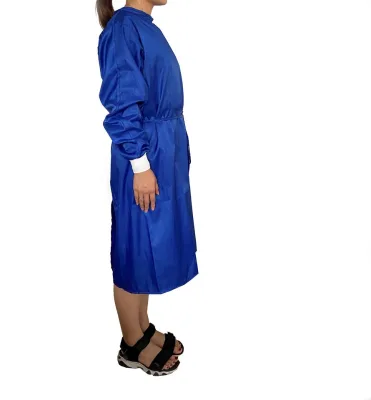
The market presents a diverse array of garment types, ranging from standard clothes to specialized antistatic agents and protective wear. Listings frequently highlight customization options for logos and colors, including blue, white, yellow, and pink variations, which allows companies to maintain brand identity while adhering to safety standards. Buyers should note that some products are available in specific sizes like S or M, while others offer a broader range from S to 5XL to accommodate diverse workforce needs.
Packaging and unit configurations also vary significantly across suppliers, with options including 20 pieces per carton, 50 bags per carton, or single-piece packs. These logistical details impact inventory management and storage requirements, necessitating a clear understanding of the supplier's standard packing methods. Additionally, the presence of conductive fiber strips or grids, such as 5mm stripes or grids, serves as a key visual indicator of the garment's ESD protection capabilities.
Technical Specifications to Verify
Electrical resistance is a primary technical parameter that buyers must validate to ensure effective static dissipation. Observed data indicates resistance ranges between 10^6 and 10^9 Ohms, which is essential for safely grounding static charges without creating a short-circuit risk. Procurement teams should request specific test reports confirming these resistance values for the exact batch being ordered, as variations in conductive fiber integration can alter performance.
Cleanroom classification requirements further dictate the necessary fabric density and particle shedding characteristics. Listings mention clean classes ranging from Class 10 to Class 10,000, suggesting that different environments demand different levels of filtration and cleanliness. Buyers must match the garment's clean class rating to their facility's ISO standards, ensuring that the material does not introduce contaminants that could damage sensitive electronic components during assembly.
Compliance and Safety Documentation
Certification status is a non-negotiable element of the procurement process, with many suppliers listing RoHS, ISO, and CE marks on their product pages. These certifications indicate adherence to international safety and environmental standards, providing a baseline assurance of product quality and regulatory compliance. However, buyers should verify that these certifications are current and applicable to the specific garment model, as standards can vary by region and product type.
Safety documentation must also address the specific hazards of the intended workplace, such as combustible and explosive areas. Products designed for these high-risk zones often require additional features like waterproofing or specific flame-retardant properties, though some listings explicitly state non-waterproof characteristics. It is vital to cross-reference the supplier's safety data sheets with the facility's hazard analysis to confirm that the garment meets all necessary operational safety requirements.
Cost Drivers and Commercial Terms
Pricing in this sector is influenced by material composition, with polyester blended with conductive fibers generally commanding higher costs than standard fabrics. The observed price range of 1 to 15 USD suggests a wide spectrum of quality and feature sets, where higher prices often correlate with advanced features like quick-dry capabilities or specialized cleanroom classifications. Buyers should analyze the cost-per-unit relative to the specific technical requirements rather than seeking the lowest absolute price.
Minimum Order Quantities (MOQ) and lead times are significant commercial factors that affect budget planning and inventory turnover. Listings show MOQs ranging from 1 to 200 pieces, offering flexibility for small-scale trials or large-scale deployments. Procurement teams must negotiate these terms carefully, balancing the need for immediate stock against the potential for bulk discounts, while also considering the supplier's capacity to meet custom logo printing requests within the required timeframe.
Supplier Qualification and Quality Control
Supplier qualification should focus on their ability to provide consistent quality across custom orders, particularly regarding logo printing and color customization. Many suppliers offer OEM services and customized logo printing, which requires robust quality control processes to ensure brand consistency and product durability. Buyers should assess the supplier's track record in handling custom specifications to avoid discrepancies between the ordered sample and the final bulk delivery.
Quality control protocols must also address the consistency of conductive fiber integration and overall garment construction. Features like open-fronted structures or specific grid patterns require precise manufacturing to maintain electrical performance over time. Establishing a clear quality assurance framework, including pre-shipment inspections and sample testing, is essential to mitigate the risk of receiving substandard garments that fail to meet ESD protection standards.
Long-Term Procurement Checks
Sustaining a reliable supply chain requires regular re-evaluation of supplier performance against evolving industry standards and facility needs. Buyers should monitor changes in certification requirements, such as updates to IEC 61340 or EN 1149 standards, to ensure continued compliance. Proactive communication with suppliers regarding these regulatory shifts helps prevent disruptions and ensures that the procurement strategy remains aligned with current safety mandates.
Long-term partnerships should also include periodic audits of the garment's durability and performance in actual working conditions. Factors like washability, resistance degradation, and fabric wear must be tracked to determine the optimal replacement cycle. By maintaining a detailed history of product performance and supplier reliability, organizations can optimize their inventory management and ensure continuous protection for their sensitive electronic manufacturing processes.
FAQs
What materials are used in antistatic esd cleanroom garments?
These garments typically use polyester blended with conductive fibers to ensure effective static dissipation. The fabric composition often includes ninety-eight percent polyester and two percent conductive fibers. This specific blend provides the necessary durability for industrial environments while maintaining the required electrical properties for sensitive electronic handling.
Which certifications are required for these cleanroom garments?
Manufacturers usually provide garments certified under RoHS, ISO, GS, and CE standards. These certifications verify that the materials and production processes meet international safety and quality requirements. Buyers should verify specific certification documents to ensure compliance with their facility's strict regulatory and operational standards.
Can these garments be customized for specific branding needs?
Yes, customization is available for most antistatic esd cleanroom garments. Buyers can request customized logo printing and specific color options such as blue, white, yellow, or pink. This flexibility allows companies to maintain brand visibility while ensuring all personnel wear compliant protective clothing in controlled environments.
What is the typical resistance range for these garments?
The electrical resistance typically ranges from ten to the power of six to eight or nine Ohms. This specific range ensures effective static dissipation without posing safety risks. The conductive fibers, arranged in five-millimeter strips or grids, are engineered to maintain this consistent resistance across the entire garment surface.
Where are these garments typically manufactured and shipped from?
Many of these garments originate from Shanghai, China. Suppliers in this region offer OEM services and can ship products globally. Buyers should confirm the exact place of origin and lead times with the supplier to ensure timely delivery for their production schedules and inventory requirements.
What packaging options are available for bulk orders?
Standard packaging often includes twenty pieces per carton or fifty bags per carton. Some suppliers offer bag plus carton combinations for better protection. Buyers should specify their preferred packing method to ensure the garments arrive in optimal condition and fit efficiently into their storage and distribution logistics.