Source Transparent Casting Stretch Wrap for Packaging Film, Glass Protection, Agriculture
Compare 30 Transparent Casting Stretch Wrap options from verified Chinese manufacturers. Buyers can evaluate LLDPE and PE materials, thickness ranging from 10 to 80 microns, and customization features for packaging film, glass protection, and agriculture applications.
Key considerations
Products List


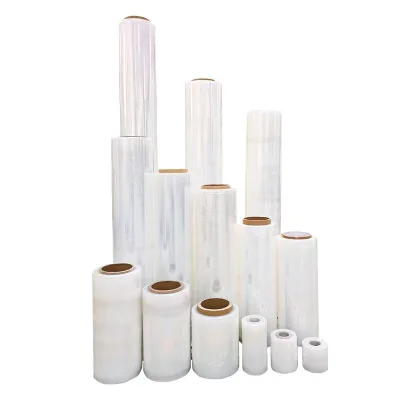
Clear Plastic Transparent Stretch Film Casting Soft ShrinkPacking Film
$0.26 - $0.29
MOQ: 10 kilograms


Comprehensive Sourcing Guide
Strategic Sourcing Guide for Transparent Casting Stretch Wrap
Understanding the Core Technology and Material Composition
The foundation of effective procurement for Transparent Casting Stretch Wrap begins with a precise understanding of the manufacturing process and the raw materials involved. In the context of the current market, the term "casting" refers to a specific processing type where molten polymer is extruded through a flat die onto a cooled roller, creating a film with distinct mechanical properties compared to blow-molded alternatives. The supplied data confirms that casting is a primary processing type for these products, distinguishing them from films produced via blow molding. This distinction is critical because the casting process typically yields films with higher clarity, better optical properties, and more uniform thickness, which are essential for applications requiring high transparency and aesthetic appeal.
The material composition is equally vital. The predominant material identified in the supply chain for these products is Linear Low-Density Polyethylene (LLDPE). This material is selected for its superior tensile strength and elasticity. Specific observations indicate that LLDPE-based films can achieve tensile strength values up to 700%, a metric that directly correlates to the film's ability to stretch without breaking under load. While some entries in the market data reference generic "PE" (Polyethylene), the high-performance variants suitable for industrial stretch wrapping are specifically LLDPE. Buyers must verify that the supplier explicitly states LLDPE as the base material to ensure the film possesses the necessary elasticity and puncture resistance required for heavy-duty pallet wrapping. The material is further characterized by its soft hardness, which facilitates easy handling and application on uneven surfaces.
Technical Specifications and Dimensional Variability
When evaluating Transparent Casting Stretch Wrap, technical specifications must be scrutinized against the specific requirements of the packaging operation. The thickness of the film is a primary determinant of performance and cost. The market data reveals a significant range in thickness specifications, with specific product models citing a thickness of 18 microns, while broader capability statements indicate a range from 10 microns to 80 microns. This variance suggests that suppliers offer a spectrum of products tailored to different load weights and stability needs. Thinner films (e.g., 10-18 microns) are often used for lightweight goods where cost efficiency is paramount, whereas thicker films (up to 80 microns) provide enhanced puncture resistance and load stability for heavy industrial items.
Width and length are equally critical dimensions. The observed width specifications span from 35mm to 1500mm, with specific standard widths noted as 20cm, 25cm, 30cm, 35cm, 40cm, and 45cm. This wide range allows for customization based on the size of the pallet or the product being wrapped. The length of the film rolls can vary significantly, with observed ranges extending from 200 meters to 4500 meters. This variability impacts the number of rolls required per pallet and the frequency of machine reloading. Furthermore, the core dimension, which holds the film roll, is specified to range from 1 inch to 3 inches, or 25mm to 76mm in metric terms. Buyers must ensure that the core diameter matches the specifications of their existing wrapping machinery to avoid compatibility issues that could halt production lines.
| Specification Category | Observed Range | Typical Application Context |
|---|---|---|
| Thickness | 10 micron - 80 micron | 10-18µm for light loads; 20-80µm for heavy/industrial |
| Width | 35mm - 1500mm | 20-45cm standard; custom widths for specialized machinery |
| Length | 200m - 4500m | High-volume rolls for automated lines; shorter rolls for manual |
| Core Diameter | 25mm - 76mm | Must match machine spindle requirements |
| Tensile Strength | Up to 700% | Critical for load containment and stability |
Compliance, Certification, and Quality Assurance
In the global B2B market, compliance and certification serve as proxies for manufacturing reliability and product safety. The supplied data indicates that reputable suppliers in this sector often hold certifications such as SGS, ISO, and RoHS. These certifications are not merely marketing labels but represent adherence to international standards for quality management, environmental safety, and material composition. SGS certification typically validates that the product has undergone rigorous third-party testing for physical properties and chemical composition. ISO certification implies a standardized approach to quality control processes within the manufacturing facility. RoHS compliance is particularly important for electronics and consumer goods packaging, ensuring that the film does not contain restricted hazardous substances.
Buyers should verify the validity of these certifications by requesting current certificates rather than relying on general claims. The presence of these certifications suggests that the supplier, often located in regions like Dongguan or Guangdong in China, operates under a framework that prioritizes consistent quality. Additionally, the material standard is sometimes explicitly stated as "100% LLDPE," which is a crucial verification point. While some listings mention "MOQ" or "Customization" as attributes, the underlying standard for the film itself must be clear. For applications involving food or sensitive goods, the "Moisture Proof" feature is a standard attribute, but buyers must confirm if the film meets specific food-grade standards if that is a requirement for their end-use. The absence of specific food-grade certifications in the general data suggests that buyers must explicitly request this verification if their application involves food packaging.
Cost Drivers and Economic Factors in Procurement
The economics of sourcing Transparent Casting Stretch Wrap are influenced by several variables, including material costs, order volume, and customization requirements. The observed price range in the market spans from $0.26 to $10, a wide disparity that reflects differences in thickness, width, length, and the level of customization. Thinner films with standard dimensions will naturally fall at the lower end of this spectrum, while custom-width, high-thickness, or branded films will command higher prices. The Minimum Order Quantity (MOQ) is another significant cost driver. Data indicates MOQs can range from as low as 1 unit to as high as 5000 units, with a specific attribute noting an MOQ of 1000kg. This suggests that while small trials are possible, significant cost advantages are realized through bulk purchasing.
Customization is a major factor in pricing. The availability of custom logos, custom packaging (such as boxes, cardboard, or pallet packs), and tailored dimensions (width, thickness) adds value but also increases the unit cost. Suppliers offering "OEM/ODM" services allow buyers to brand the product, which is essential for companies looking to maintain brand consistency in their supply chain. However, this service often requires higher MOQs and longer lead times. The delivery time is noted as approximately 10 days, which is a critical factor in inventory management and cash flow planning. Buyers must balance the desire for customization and low unit costs against the need for rapid delivery and lower minimum order thresholds. The choice between a standard product and a fully customized solution will directly impact the total cost of ownership.
Typical Applications and Functional Performance
Transparent Casting Stretch Wrap is versatile, serving a broad spectrum of industries due to its functional properties. The primary usage identified is for packaging film and industry applications, specifically for wrapping pallets and packing goods. The film's ability to function as a "Glass Protection Film" and for "Agriculture" indicates its utility in protecting delicate surfaces and covering crops or equipment. The "Moisture Proof" feature is a standard attribute, making it suitable for protecting goods from humidity and water damage during transit. Furthermore, the "Water Soluble" feature mentioned in the data points to specialized applications where the film can be dissolved in water, likely for waste reduction or specific cleaning processes, though this is a niche application compared to standard moisture-proof wrapping.
The mechanical performance of the film, characterized by its 700% tensile strength and soft hardness, makes it ideal for securing loads on pallets. The film stretches to conform to the shape of the product, providing a tight wrap that prevents shifting and damage. In the textile and apparel sector, as well as gift packaging, the transparency of the film allows for product visibility while maintaining protection. The "Function" of packing goods and wrapping pallets is central to its design. Whether used in e-commerce for shipping protection or in heavy industry for securing raw materials, the film's clarity and strength are its defining features. Buyers should match the film's thickness and tensile strength to the weight and fragility of the items being packaged to ensure optimal performance.
Supplier Evaluation and Long-Term Procurement Strategy
Selecting a supplier for Transparent Casting Stretch Wrap requires a rigorous evaluation of their capabilities, equipment, and operational stability. The data highlights that advanced equipment brands, such as Reifenhauser and W&H, are utilized in the production process. These are industry-leading extrusion and processing machines, and their presence suggests a high level of manufacturing precision and consistency. Buyers should inquire about the specific machinery used by potential suppliers, as the quality of the equipment often correlates with the uniformity of the film thickness and the consistency of the cast process.
Long-term procurement considerations extend beyond the initial purchase price. The availability of design services and the ability to provide customized packaging (box, cardboard, or pallet packs) are valuable assets for buyers looking to streamline their logistics. The origin of the product, often cited as China (Mainland) or specifically Dongguan/Guangdong, provides access to a robust supply chain, but buyers must also consider logistics and lead times. A standard delivery time of 10 days is a benchmark, but this can vary based on order volume and customization. Buyers should establish a relationship with suppliers who offer ODM/OEM services and have a track record of meeting quality standards, as evidenced by their certifications. The ability to customize the logo and packaging allows for brand integration, which is a strategic advantage in competitive markets. Ultimately, the goal is to secure a supply chain that offers consistent quality, reliable delivery, and the flexibility to adapt to changing packaging needs.
FAQs
What material is used for Transparent Casting Stretch Wrap?
The primary material is Linear Low-Density Polyethylene (LLDPE), ensuring high tensile strength up to 700%. Some generic listings mention PE, but high-performance variants specifically require LLDPE for superior elasticity and puncture resistance in industrial applications.
How thick is the Transparent Casting Stretch Wrap film?
Film thickness typically ranges from 10 microns to 80 microns, with specific models available at 18 microns. Thinner films suit lightweight loads, while thicker options up to 80 microns provide enhanced stability for heavy industrial pallets.
Which certifications do suppliers typically hold for this product?
Reputable suppliers often hold SGS, ISO, and RoHS certifications to validate quality and safety standards. These certifications confirm adherence to international requirements for material composition and environmental safety, ensuring the film is suitable for various industrial uses.
Can I customize the packaging and logo on the film?
Yes, customization is available for logos, packaging types like boxes or pallets, and specific dimensions. Suppliers offer OEM and ODM services, allowing buyers to tailor the product to their brand requirements, though this may affect minimum order quantities.
What is the minimum order quantity for Transparent Casting Stretch Wrap?
Minimum order quantities vary from 1 unit to 5000 units, with a specific standard MOQ of 1000kg. Bulk purchasing often yields better unit costs, while smaller trials are possible depending on the supplier's specific policy and customization needs.
How long is the delivery time for these products?
The standard delivery time is approximately 10 days from order confirmation. This timeline applies to standard orders, but lead times may extend for highly customized products or large volume shipments requiring specific production scheduling.
Where are the manufacturers of this stretch wrap located?
Manufacturers are primarily located in China, specifically in regions like Dongguan and Guangdong. These locations provide access to a robust supply chain and advanced equipment brands like Reifenhauser and W&H for consistent film production.