Source Appliqued Satin Maxi Wedding Dress for Brides
Compare 30 options for an Appliqued Satin Maxi Wedding Dress featuring ivory, champagne, and pink colors. Buyers can evaluate long train styles, beading details, and custom sizing from suppliers in Suzhou; compare the available evidence and request quotations based on your requirements.
Key considerations
Products List

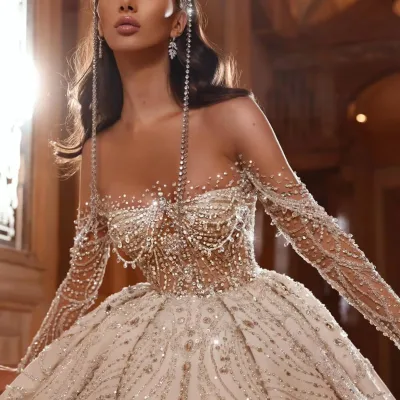
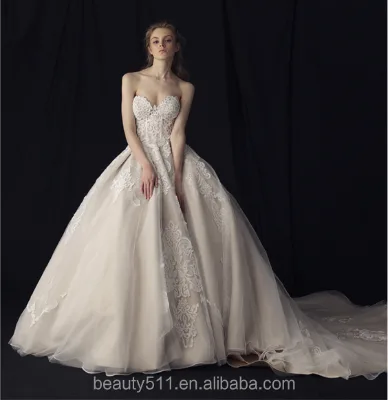
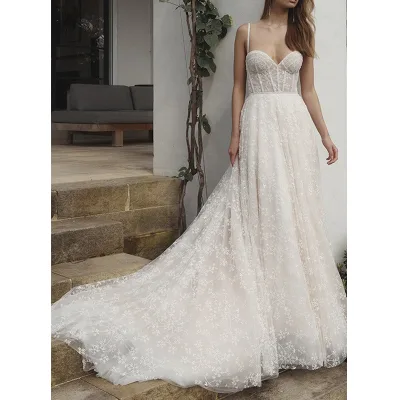
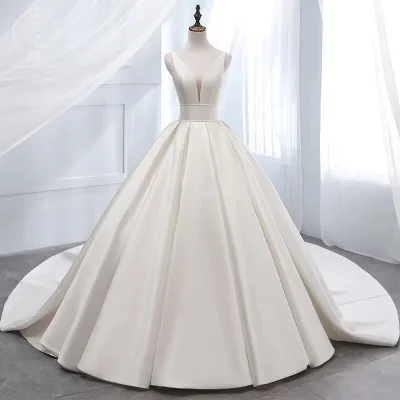
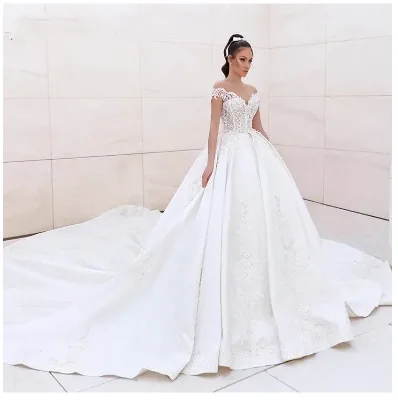


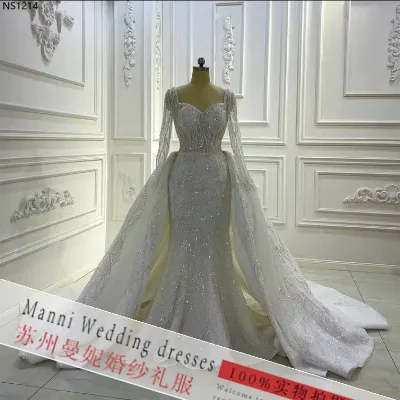
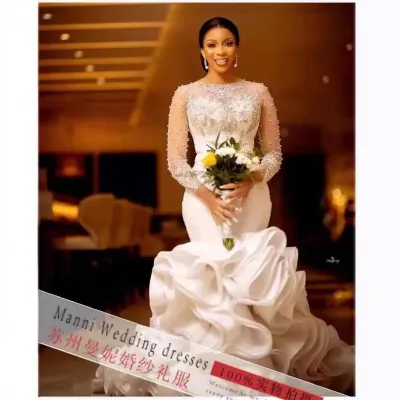
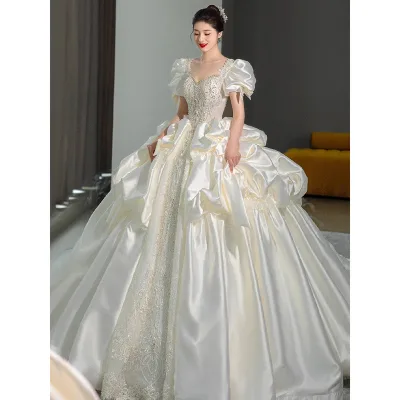
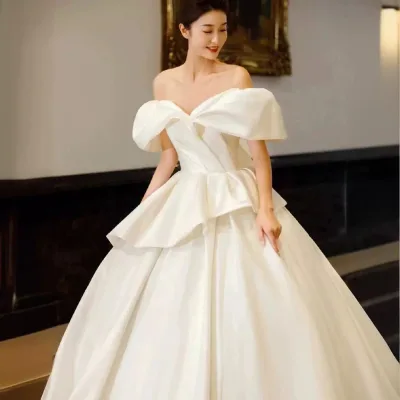
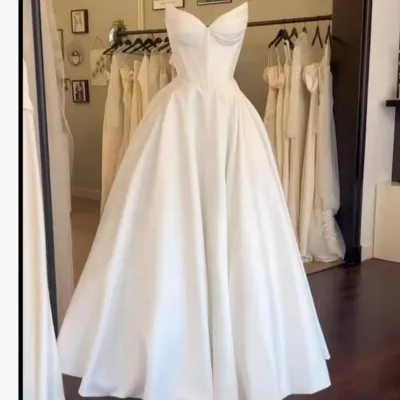
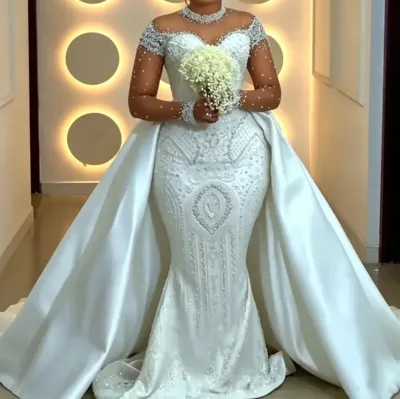


Long Sleeves Bridal Ball Gown Two Pieces Lace Satin Wedding Dress A1709
$110.00 - $229.00
MOQ: 1 Pieces
Comprehensive Sourcing Guide
Appliqued Satin Maxi Wedding Dress Sourcing Guide
Procuring an Appliqued Satin Maxi Wedding Dress requires careful attention to the specific fabric composition and structural layering observed in current listings. Buyers should verify that the satin base is paired with compatible materials like organza or tulle to achieve the desired voluminous silhouette, as the observed inventory frequently combines these textures for a multi-layered effect. The presence of built-in bras and natural waistlines indicates a design focus on structural support and traditional bridal proportions, which must be confirmed against the specific model number provided by the supplier.
When evaluating the aesthetic details, it is essential to distinguish between standard embellishments and custom-applied elements like beading, embroidery, or crystal decorations. The observed product range includes options with illusion necklines and vintage fashion elements, suggesting that the final appearance relies heavily on the precision of the appliqué work. Buyers must ensure that the chosen design aligns with the specific seasonality requirements, as some listings specify spring and autumn suitability while others claim all-season versatility, impacting fabric weight and lining choices.
Product Scope and Observed Listing Signals
The market for appliqued satin maxi wedding dresses currently displays a wide variance in customization capabilities, with many suppliers offering OEM design services and custom size options. Listings indicate that the core product scope includes A-line and ball gown silhouettes, often featuring long trains that can be customized to specific lengths such as 50 cm or 150 cm. This flexibility allows buyers to tailor the dress to specific venue requirements, though the standard floor-length cut remains the most common configuration for this style.
Color availability is another critical signal, with observed listings offering ivory, white, champagne, and pink options alongside custom requests. The supply type is predominantly OEM, meaning the branding and specific design elements are often adaptable to the buyer's needs rather than being fixed to a single brand identity. Buyers should note that while some models feature specific model numbers like GLKJ09 or TS307, the underlying construction often relies on high-quality bridal satin, chiffon, or lace, requiring verification of the exact fabric blend before finalizing an order.
Technical Specifications to Verify
Verifying the technical construction of the dress is paramount, particularly regarding the back design and sleeve style which vary significantly across listings. Some observed models feature a zipper and button closure, while others utilize a lace-up back, a detail that affects both the fitting process and the ease of wear for the bride. Additionally, sleeve styles range from long sleeves to sleeveless designs, and buyers must confirm that the chosen style matches the intended aesthetic and functional requirements of the wedding ceremony.
The fabric composition and embellishment techniques also require strict verification to ensure quality consistency. While satin is a primary material, many dresses incorporate lace, tulle, or 100% polyester blends, and the presence of embroidery or sequins adds complexity to the manufacturing process. Buyers should request detailed specifications on the single package size and gross weight, as these metrics influence shipping costs and handling requirements, ensuring that the final product meets the logistical constraints of the delivery timeline.
Compliance and Safety Documentation
Although specific certification standards are not universally listed in the provided product data, buyers must request documentation regarding the safety of materials used in the dress construction. This includes verifying that any adhesives, dyes, or embellishments like crystals and beads comply with international textile safety regulations to prevent skin irritation or allergic reactions. The absence of explicit certification claims in the listing means that the burden of proof lies with the supplier to demonstrate that their materials meet the necessary health and safety standards for direct skin contact.
Packaging and labeling compliance are also essential components of the procurement process, especially for international shipments. The observed packaging details often include OPP bags or cartons, but buyers should ensure that the final packaging protects the delicate satin and appliqué work from damage during transit. Furthermore, verifying that the product origin, such as Suzhou or Jiangsu, is accurately declared on all shipping documents is crucial for customs clearance and to avoid potential delays or penalties associated with mislabeled goods.
Cost Drivers and Commercial Terms
The cost of an Appliqued Satin Maxi Wedding Dress is heavily influenced by the level of customization and the complexity of the embellishments applied. Listings show a broad price range, suggesting that factors like the number of beading layers, the intricacy of the embroidery, and the length of the train significantly impact the final unit price. Buyers should anticipate that custom sizes and specific fabric requests will incur higher costs compared to standard off-the-rack options, as these require additional labor and material sourcing.
Commercial terms such as MOQ and lead times are critical variables that affect the overall procurement strategy. While some suppliers offer a low MOQ of just one piece, others may require orders of up to 500 units, and lead times can vary from seven days for sample orders to longer periods for bulk production. Buyers must clarify the payment structure and the specific terms for sample orders, ensuring that the timeline aligns with the wedding date and that any rush fees or expedited shipping costs are clearly understood before committing to the purchase.
Supplier Qualification and Quality Control
Establishing a robust quality control protocol is essential when sourcing from suppliers who offer OEM services and custom designs. Buyers should prioritize suppliers who provide detailed photos of the actual production process, particularly focusing on the application of appliqués and the finishing of the satin fabric. The observed product attributes, such as the use of high-quality bridal satin and specific decorative elements, indicate that the final product quality is directly tied to the supplier's craftsmanship and attention to detail during the manufacturing phase.
Supplier qualification should also include a review of their production capacity and their ability to handle custom orders without compromising on quality. Given that the observed listings include various model numbers and fabric types, it is important to verify that the supplier has the technical expertise to manage complex designs involving multiple layers and intricate embellishments. Requesting references or samples from previous clients can provide valuable insights into the supplier's reliability and their ability to deliver consistent results across different orders.
Long-Term Procurement Checks
For buyers planning to establish a long-term relationship with a supplier, it is vital to conduct periodic audits of the production process and quality standards. This includes verifying that the supplier maintains consistent fabric quality and that the embellishment techniques remain uniform across different batches. The observed variation in product attributes suggests that without regular oversight, there is a risk of inconsistency in the final product, which could lead to customer dissatisfaction and potential returns.
Additionally, buyers should monitor the supplier's ability to adapt to changing market trends and customer preferences over time. As fashion elements like vintage styles or illusion necklines evolve, the supplier must demonstrate flexibility in updating their designs and materials. Establishing clear communication channels and regular review meetings will help ensure that the supplier remains aligned with the buyer's strategic goals and continues to deliver high-quality appliqued satin maxi wedding dresses that meet the evolving demands of the bridal market.
FAQs
How can I customize the Appliqued Satin Maxi Wedding Dress?
You can customize the dress through OEM design services available for this product. The supplier offers custom sizes, train lengths, and fabric options like satin or organza. This allows you to tailor the gown to your specific bridal needs while maintaining the elegant A-line silhouette.
What materials are used for the Appliqued Satin Maxi Wedding Dress?
The dress is crafted from high-quality bridal satin, organza, tulle, and lace. Some variations include 100% polyester or chiffon blends. These materials ensure a luxurious feel and support the multilayer construction required for a stunning ball gown or A-line silhouette.
Which sleeve styles are available for the Appliqued Satin Maxi Wedding Dress?
Available sleeve styles include long sleeves, regular sleeves, and sleeveless options. The specific style depends on the model selected, such as the GLKJ09 or TS307. Buyers can choose the design that best complements their neckline and overall wedding theme preferences.
Can I order a sample of the Appliqued Satin Maxi Wedding Dress?
Yes, sample orders are supported with a lead time of seven days. This allows you to verify the quality of the satin fabric and embellishments before committing to a larger bulk order. The minimum order quantity for samples is just one piece.
What is the minimum order quantity for the Appliqued Satin Maxi Wedding Dress?
The minimum order quantity is one piece, making it accessible for individual buyers or small boutiques. However, bulk orders may have different terms depending on the specific customization and supplier capacity. This low MOQ facilitates testing designs before scaling production.
How is the Appliqued Satin Maxi Wedding Dress packaged for shipping?
The dresses are packed in OPP bags and cartons to ensure safe transport. Each single package measures approximately 10 by 20 by 5 centimeters. This packaging protects the delicate beading, embroidery, and satin fabric during international shipping from the origin in Suzhou.
What customization options exist for the train length of the dress?
You can select from standard train lengths of 50 cm, 150 cm, or 30 cm. Customized train lengths are also available to meet specific design requirements. This flexibility ensures the dress fits perfectly with the chosen silhouette, whether it is a sweep train or a long train.
Where are the appliqued satin maxi wedding dresses manufactured?
These dresses are manufactured in Suzhou, Jiangsu, China. The location is known for its expertise in bridal gown production and high-quality fabric sourcing. This origin ensures access to skilled artisans capable of executing complex embroidery and beading details on satin and organza materials.