Source Appliqued Midi Pageant Dress for Proms, Galas, and Contests
Find and compare 30 Appliqued Midi Pageant Dress options featuring V-neck, long sleeve, and strapless styles. Evaluate materials like polyester cotton and tulle, along with customization and embroidery details for youth and girl sizes.
Key considerations
Products List
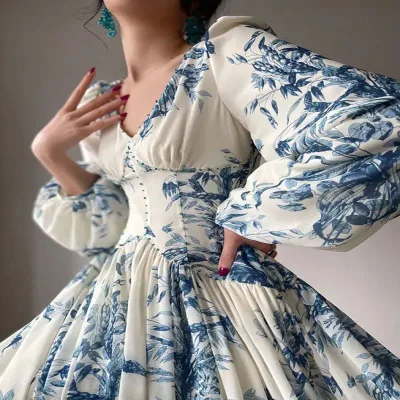


Lace Lace MID Sleeve Dress with Strapless and Shoulder Exposed Short Dress
$6.50 - $9.80
MOQ: 50 Pieces


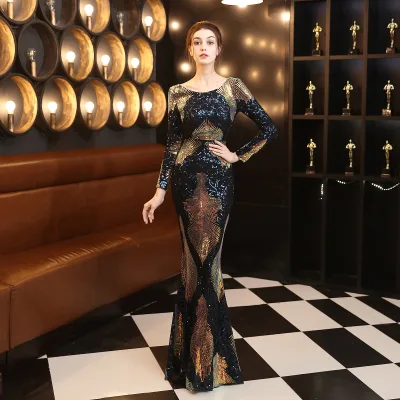
Comprehensive Sourcing Guide
Appliqued Midi Pageant Dress Sourcing Guide
Sourcing an Appliqued Midi Pageant Dress requires a nuanced understanding of the intersection between formal evening wear construction and the specific aesthetic demands of pageant competitions. Unlike standard cocktail attire, pageant dresses must balance visual impact with mobility, ensuring that intricate embellishments do not compromise the wearer’s ability to walk, pose, or perform on stage. The midi length offers a versatile silhouette that is often preferred for preliminary rounds or specific thematic categories, providing a modern alternative to full-length gowns while maintaining a formal presence. Buyers must recognize that "appliqué" is not merely a decorative term but a structural element that adds weight, complexity, and potential points of failure to the garment, necessitating rigorous quality control during the procurement process.
The procurement landscape for these garments is characterized by a high degree of customization and a wide variance in material quality. Suppliers often operate from manufacturing hubs known for textile production, such as Suzhou in China, where specialized skills in embroidery, beading, and fabric manipulation are concentrated. This geographic concentration can offer advantages in terms of supply chain efficiency and access to specialized labor, but it also requires buyers to conduct thorough due diligence to ensure that the supplier’s capabilities align with the specific design requirements of the pageant dress. Understanding the local manufacturing ecosystem is crucial for negotiating effective terms and ensuring that the final product meets the high standards expected in competitive pageant environments.
Product Scope and Observed Listing Signals
The observed market signals indicate a diverse range of product attributes that buyers must carefully filter to find the correct style. Listings frequently highlight specific design elements such as V-necks, off-shoulder cuts, and A-line silhouettes, which are common in pageant attire due to their flattering proportions. However, there is a notable contradiction in the provided data regarding sleeve styles, with some entries listing "Long Sleeve" while others specify "Sleeveless" or "Strapless." This inconsistency suggests that buyers must explicitly define their sleeve requirements during the inquiry phase, as the term "midi pageant dress" alone does not guarantee a specific sleeve configuration. The presence of "Discharge Printing" and "Embroidered" techniques in the data points to a variety of decorative methods, but for an appliqued dress, the buyer must verify that the appliqué is constructed from separate fabric pieces rather than being printed or embroidered directly onto the base material.
Material composition is another critical area where observed signals require careful interpretation. While some listings mention "Polyester / Cotton" blends, others specify "Tulle" as the primary fabric, which is a staple in formal and pageant wear due to its lightweight and airy properties. The mention of "Beading" as an embellishment aligns well with the aesthetic of pageant dresses, but buyers must distinguish between beadwork that is integrated into the appliqué and loose beads that may detach during wear. Additionally, the availability of "Custom Wedding Evening Dresses" and "Custom Made Dress" options indicates that many suppliers are flexible regarding design modifications. Buyers should leverage this flexibility to request specific fabric swatches and detailed construction diagrams to ensure that the final product matches the intended visual and functional requirements of the pageant category.
Technical Specifications to Verify
When verifying technical specifications, the construction of the appliqué itself is the primary concern. Buyers must confirm whether the appliqué pieces are hand-sewn or machine-stitched, as hand-sewing often results in a more seamless and durable finish, which is critical for garments that will undergo significant movement. The base fabric must be evaluated for its ability to support the weight of the appliqué and any additional embellishments like beads or sequins. If the listing mentions "Tulle," it is essential to determine the density and quality of the tulle, as low-quality tulle may tear or lose its shape under the stress of heavy decoration. The "Needle Detection" feature mentioned in some listings is a positive indicator of quality control, suggesting that the supplier has processes in place to remove broken needles from the finished garment, a critical safety measure for formal wear.
Fit and sizing are equally important technical considerations. The data indicates a range of sizes from "S" to "Full-Length" specifications, but "Full-Length" is contradictory to the "Midi" keyword, highlighting the need for precise size chart verification. Buyers should request detailed measurement charts that include bust, waist, hip, and hem length, rather than relying on generic size labels. The "Regular" fit mentioned in some attributes may not be suitable for all body types, especially if the dress is intended for a pageant where a tailored fit is often required. Additionally, the "V-neck" and "Off-Shoulder" styles require specific attention to the neckline construction to ensure that it stays in place during movement. Buyers should inquire about the use of internal boning, elastic, or silicone strips to maintain the integrity of the neckline and bodice structure.
Compliance and Safety Documentation
Safety documentation is paramount when sourcing garments that involve extensive embellishments and potentially flammable materials. Buyers must ensure that the supplier provides evidence of compliance with relevant safety standards, particularly regarding flammability, as pageant dresses are often made from synthetic fabrics like polyester or tulle, which can be highly flammable. While specific standard numbers are not provided in the observed data, buyers should request test reports from accredited laboratories to verify that the dress meets the flammability requirements of the target market. The presence of "Beading" and other small embellishments also raises concerns about choking hazards, although this is less relevant for adult pageant wear, it is still a consideration for the overall safety and durability of the garment.
Furthermore, buyers should verify the supplier’s adherence to labor standards and ethical manufacturing practices. Given that the production origin is often listed as "China," buyers may need to conduct audits or request certifications such as SMETA or BSCI to ensure that the supplier operates in compliance with international labor laws. This is particularly important for brands that prioritize ethical sourcing and want to avoid reputational risks associated with poor labor practices. The "High Quality" standard mentioned in the data is a subjective claim and should be backed by objective evidence, such as third-party quality inspection reports or customer testimonials. Buyers should also inquire about the supplier’s waste management and environmental practices, as the production of embellished garments can generate significant textile waste.
Cost Drivers and Commercial Terms
The cost of an Appliqued Midi Pageant Dress is driven by several key factors, including the complexity of the design, the quality of materials, and the level of customization required. Hand-sewn appliqué and intricate beadwork significantly increase labor costs, which can be a substantial portion of the total price. Buyers should request a detailed cost breakdown to understand how much of the price is attributed to materials, labor, and overhead. The "MOQ" (Minimum Order Quantity) observed in the data ranges from "1 Piece" to "200," indicating that some suppliers offer low MOQs for custom orders, which can be advantageous for small brands or individual buyers. However, lower MOQs often come with higher unit prices, so buyers must balance their order volume with their budget constraints.
Commercial terms such as payment methods, lead times, and shipping options also impact the overall cost and risk of the procurement process. Buyers should negotiate clear payment terms, such as a deposit followed by the balance upon completion of production or after a pre-shipment inspection. The "Drop Shipping" option mentioned in some listings can be useful for buyers who want to avoid inventory holding costs, but it requires careful coordination with the supplier to ensure that packaging and branding meet the buyer’s standards. Lead times can vary significantly depending on the complexity of the design and the current workload of the supplier. Buyers should establish a realistic timeline and include buffer periods for potential delays, especially if the dress is needed for a specific pageant date.
Supplier Qualification and Quality Control
Supplier qualification is a critical step in ensuring the successful procurement of an Appliqued Midi Pageant Dress. Buyers should conduct a thorough background check on potential suppliers, verifying their business licenses, manufacturing capabilities, and past performance. The "Suzhou China" origin suggests a concentration of skilled artisans, but buyers must distinguish between trading companies and actual manufacturers. Requesting factory photos, videos of the production process, and references from previous clients can provide valuable insights into the supplier’s reliability and quality standards. The "Customized" and "Custom Made Dress" options indicate that the supplier is flexible, but buyers must ensure that the supplier has the technical expertise to execute complex designs accurately.
Quality control measures should be integrated into the procurement process from the initial sampling stage to the final shipment. Buyers should request pre-production samples to evaluate the quality of the appliqué, fabric, and embellishments. These samples should be subjected to rigorous testing, including wash tests, pull tests for beads and sequins, and fit tests on a mannequin or model. The "Needle Detection" feature is a positive sign, but buyers should also inquire about other quality control steps, such as inline inspections and final random inspections. Establishing a clear quality agreement with the supplier, including acceptable defect rates and remediation procedures, can help mitigate the risk of receiving substandard products.
Long-Term Procurement Checks
Long-term procurement success depends on building a sustainable relationship with suppliers who can consistently deliver high-quality products. Buyers should establish a regular review process to evaluate supplier performance, including metrics such as on-time delivery, product quality, and responsiveness to issues. Continuous feedback and communication are essential for maintaining a productive partnership and addressing any emerging challenges. The fashion industry is dynamic, and buyers must stay informed about trends in pageant dress design, material innovations, and regulatory changes that may impact their sourcing strategy.
Additionally, buyers should diversify their supplier base to mitigate risks associated with single-source dependency. Maintaining relationships with multiple suppliers can provide flexibility in case of production delays, quality issues, or changes in design requirements. Buyers should also invest in building internal expertise in garment construction and quality assessment, which can enhance their ability to evaluate suppliers and negotiate effectively. By focusing on long-term relationships and continuous improvement, buyers can ensure a steady supply of high-quality appliqued midi pageant dresses that meet the demands of their customers and the standards of pageant competitions.
FAQs
What customization options are available for this dress?
Customization is available for this dress, allowing buyers to request specific colors or measurements. The product page confirms that standard sizes and custom measurements are accepted, along with custom colors beyond the picture options.
Which materials are used to construct this garment?
The dress is constructed from a blend of Polyester and Cotton, with some variations using Tulle fabric. These materials are selected to ensure the garment meets the required style and durability standards for casual or party occasions.
Can I order a single piece of this dress?
Yes, you can order a single piece as the minimum order quantity is one piece. This low MOQ allows for drop shipping and small batch testing without requiring large initial inventory commitments from the buyer.
How is the dress designed regarding the neckline and sleeves?
The design features a V-neckline with long sleeves in some styles, while others offer strapless or off-shoulder options. The sleeve styles vary, including sleeveless and long sleeve configurations depending on the specific model selected.
What is the production location for these dresses?
The dresses originate from Suzhou, China, where high-quality manufacturing standards are maintained. This location is noted for producing items that meet specific quality requirements and offer reliable shipping options for international buyers.
Which printing methods are applied to the fabric?
Discharge printing is the primary method used for applying designs to the fabric. This technique ensures the print is integrated into the material, providing a durable finish suitable for the casual and party styles described.
What packaging is used for shipping the dresses?
Dresses are packed in either a plastic bag or a cotton box, depending on the specific order requirements. Some items may also be shipped in cartons to ensure protection during transit and maintain the high-quality standard of the product.