Source Aquarium Plastic Plants for Fish Tank Decoration
Find 30 Aquarium Plastic Plants from Guangdong, China. Compare models like M932 and AP-004A, ranging from 135g plastic ornaments to live seeds. Evaluate sizes, weights, and OEM options for your fish tank needs.
Key considerations
Products List
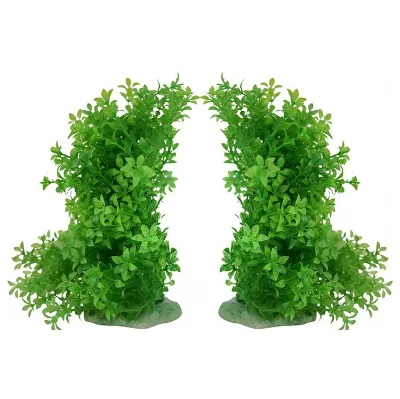
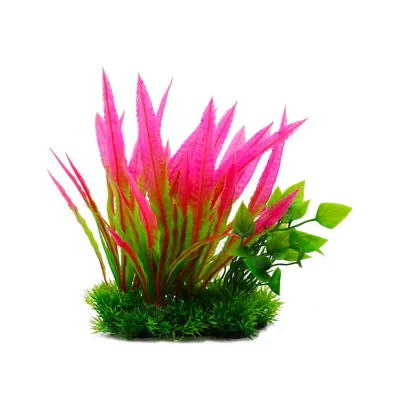
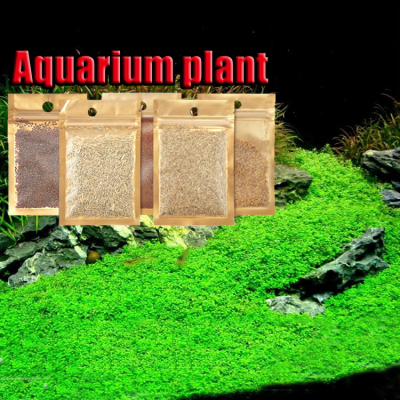

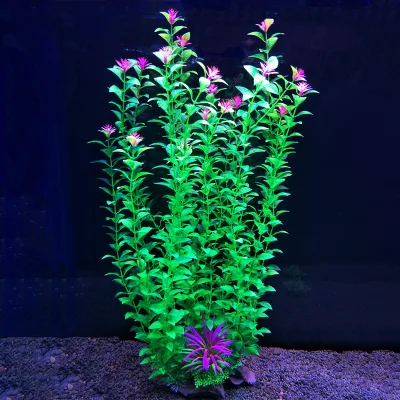
Small Fake Flower for Fish Tank Artificial Plastic Aquarium Plants for Sale
$1.00 - $5.00
MOQ: 2000 Pieces


Hot Sale Artificial Plastic Aquarium Plants Cheap Fake Flower for Fish Tank
$1.00 - $10.00
MOQ: 2000 Pieces

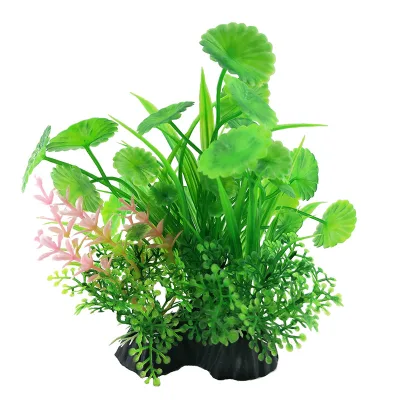
Hot Sale Artificial Plastic Aquarium Plants Pretty Fake Flower for Fish Tank
$1.00 - $10.00
MOQ: 2000 Pieces

Hot Sale Artificial Plastic Aquarium Plants Small Fake Flower for Fish Tank
$1.00 - $10.00
MOQ: 2000 Pieces

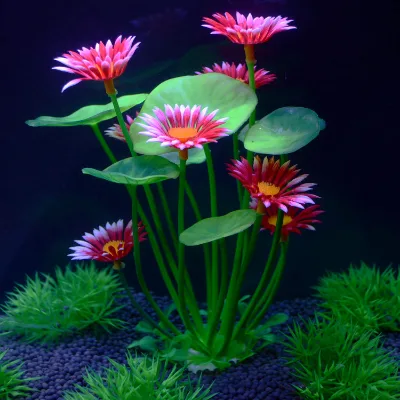
Artificial Plastic Aquarium Plants Cheap Fish Tank Fake Flower for Sale
$1.00 - $10.00
MOQ: 2000 Pieces


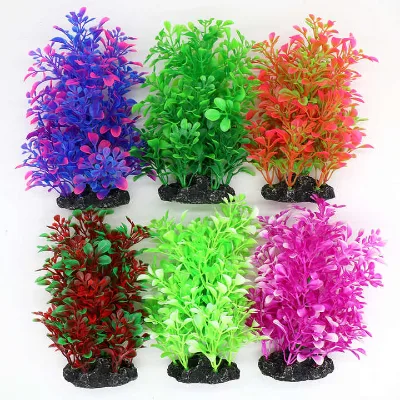
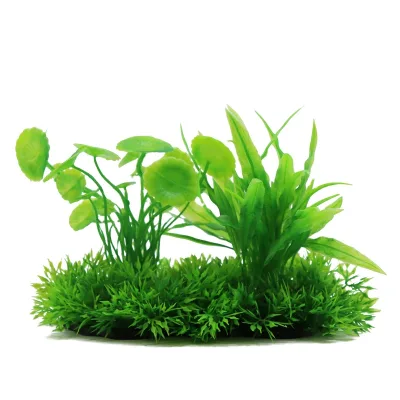
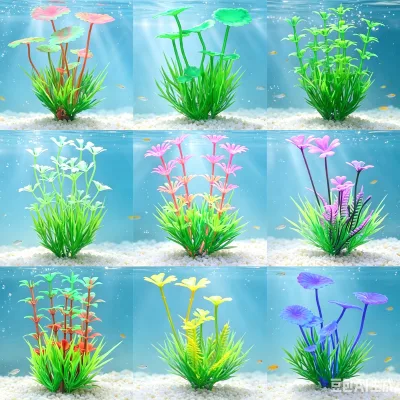
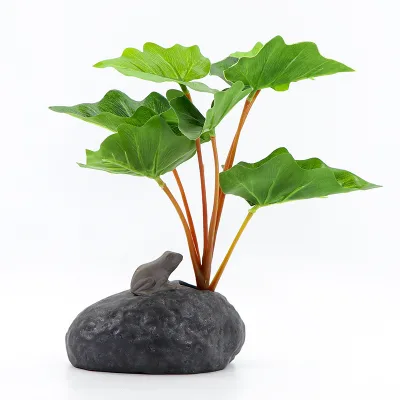
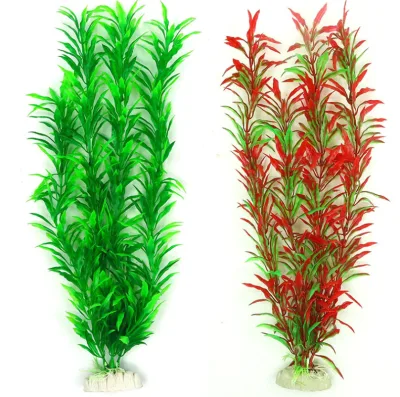
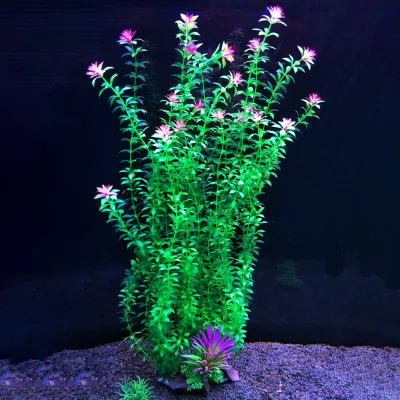
Wholesale Aquarium Artificial Grass Plastic Plants for Fish tank Decoration
$0.64 - $3.00
MOQ: 100 Minimum


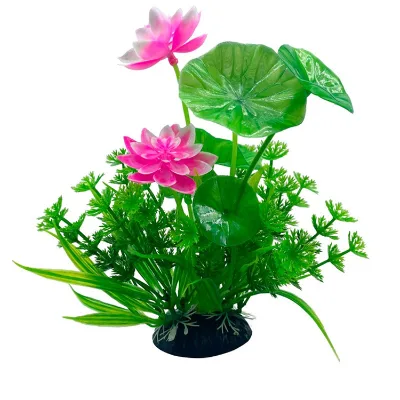
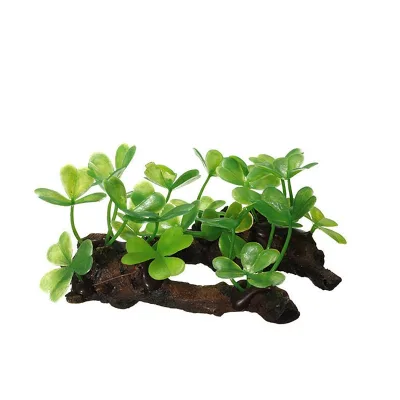
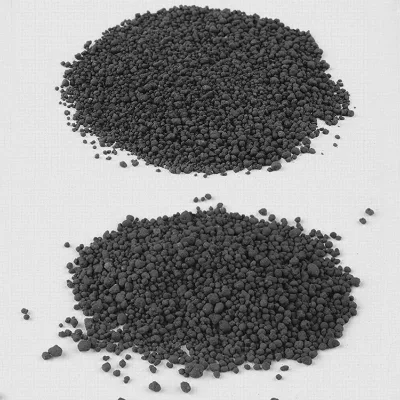
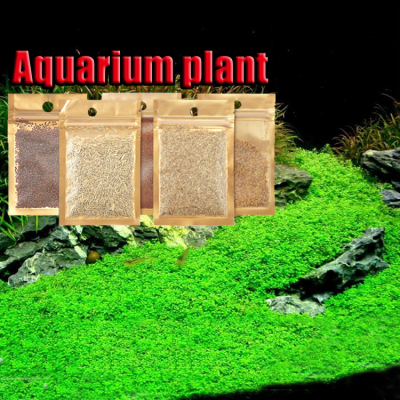
Comprehensive Sourcing Guide
Aquarium Plastic Plants Sourcing Guide
Sourcing Aquarium Plastic Plants requires a careful balance between aesthetic appeal, material safety, and commercial viability. These products serve as essential decorative elements for fish tanks, providing visual interest and structural complexity for aquatic environments. Buyers must distinguish between static artificial decorations and live plant alternatives, as the procurement strategies, regulatory requirements, and end-user expectations differ significantly. The market offers a wide variety of options, ranging from simple single-item ornaments to bulk-packaged seeds for live growth, each with distinct supply chain dynamics.
This guide focuses on the procurement of artificial aquarium decorations, specifically those made from plastic materials, while acknowledging the presence of live plant seeds in the broader category. Procurement teams need to evaluate product attributes such as volume, shape, and packaging carefully to ensure they align with their target market’s preferences. Understanding the specific model numbers, dimensions, and material compositions listed by suppliers is crucial for accurate cost estimation and quality control. By adhering to evidence-based verification steps, buyers can mitigate risks associated with material safety and product consistency.
Product Scope and Observed Listing Signals
The current market landscape for Aquarium Plastic Plants includes a diverse range of products identified by specific model numbers and physical characteristics. Listings frequently reference models such as M932, M9, and AP-004A, indicating a segmented product portfolio where different SKUs cater to varying design needs. For instance, some items are described with a size of 9 inches and a single package size of 20X8X8 cm, weighing approximately 135g, while others may have larger dimensions like 20X12X31 cm with a weight of 1.000 kg. These variations suggest that suppliers offer multiple tiers of products, from small, lightweight ornaments to larger, more substantial decorative pieces.
In addition to plastic decorations, the observed data includes listings for aquarium plant seeds, such as those under the brand FengLaiDeng, which present a different procurement challenge. These live plant products come in various packaging sizes, including 8g, 10g, and 1kg bags, and require specific growing conditions like a temperature range of 20-25 ℃. While the core keyword focuses on plastic plants, the presence of live seeds in supplier catalogs highlights the importance of clearly defining product scope during sourcing. Buyers must verify whether they are procuring static plastic ornaments or live biological products, as the latter involves considerations for germination rates, growth periods, and biological safety that do not apply to plastic items.
Technical Specifications to Verify
Verifying technical specifications is critical to ensuring that the purchased aquarium plants meet the intended design and functional requirements. Buyers should confirm the exact dimensions, weight, and volume of each product unit, as these factors directly impact shipping costs and retail packaging. For plastic plants, attributes such as shape (e.g., multi-shape or cylinder) and color options (e.g., M932, M933, M934) are key differentiators. It is essential to request detailed product datasheets that specify the single gross weight and package dimensions, as discrepancies between listed and actual values can lead to unexpected logistics expenses.
For live plant seeds, technical verification extends to biological parameters and packaging integrity. Buyers must confirm the planting temperature, growth period, and packaging size to ensure the product can be stored and used effectively. The presence of features like "Easy Operation" or "Eco-Friendly" claims should be substantiated with clear product descriptions or material certifications. Additionally, checking the OEM capabilities and customization options is vital for brands looking to create unique product lines. Suppliers may offer bundling options or custom packaging, which can enhance brand visibility but require precise specification alignment to avoid production errors.
Compliance and Safety Documentation
Safety and compliance are paramount when sourcing products for aquatic environments, as materials must be non-toxic and safe for fish and other aquatic life. Buyers should request documentation that verifies the plastic materials used are free from harmful chemicals such as BPA, phthalates, or heavy metals. While specific certification standards are not explicitly listed in the provided data, buyers must proactively ask for material safety data sheets (MSDS) or compliance certificates from recognized testing laboratories. This is particularly important for products marketed as "Eco-Friendly," as such claims often require third-party verification to be credible.
For live plant seeds, additional safety considerations include the absence of invasive species traits and the use of safe, sterile growing media. Buyers should verify that the seeds are sourced from reputable suppliers who adhere to agricultural best practices. Documentation regarding the origin of the seeds and any treatments applied to prevent mold or pest infestation should be reviewed. Ensuring that all products, whether plastic or live, meet the regulatory requirements of the destination market is essential to avoid customs delays or product recalls. Buyers should maintain a clear record of all compliance documents and regularly update them as regulations evolve.
Cost Drivers and Commercial Terms
Understanding the cost drivers and commercial terms is essential for effective budgeting and negotiation. The price range for Aquarium Plastic Plants can vary significantly based on factors such as material quality, design complexity, and order volume. Observed data indicates a wide price spectrum, reflecting the diversity of products available. Buyers should analyze the cost per unit, considering both the product price and associated logistics costs, such as shipping and handling. The minimum order quantity (MOQ) is another critical factor, with some suppliers requiring orders as low as 1 piece and others setting MOQs at 2000 pieces or 250 PCS for specific items like plant seeds.
Commercial terms also include payment conditions, lead times, and warranty policies. Buyers should negotiate favorable payment terms, such as partial upfront payments and balance upon shipment, to manage cash flow and risk. Warranty information, such as the 1-year warranty mentioned for some products, provides assurance of product durability and supplier confidence. Additionally, buyers should clarify any customization costs, such as those for OEM branding or special packaging, and ensure these are included in the total cost analysis. Clear communication of these terms helps prevent misunderstandings and ensures a smooth procurement process.
Supplier Qualification and Quality Control
Supplier qualification is a foundational step in securing a reliable supply chain for aquarium plants. Buyers should conduct thorough due diligence on potential suppliers, verifying their business licenses, manufacturing capabilities, and quality management systems. Suppliers located in regions like Guangdong, China, often have established manufacturing ecosystems, but buyers must still assess their specific production standards and capacity. Requesting samples before placing bulk orders is a best practice to evaluate product quality, material feel, and color accuracy.
Quality control measures should be integrated into the procurement process to ensure consistent product standards. Buyers should define clear quality acceptance criteria, including checks for defects, color consistency, and packaging integrity. For plastic plants, inspecting for sharp edges or loose parts is crucial to prevent injury to fish or damage to aquarium equipment. For live seeds, verifying germination rates and seed viability is essential. Implementing regular audits or third-party inspections can help maintain quality standards and identify potential issues early in the supply chain.
Long-Term Procurement Checks
Long-term procurement success depends on continuous monitoring and relationship management with suppliers. Buyers should establish key performance indicators (KPIs) to track supplier performance, including on-time delivery rates, product quality metrics, and responsiveness to issues. Regular reviews of these KPIs help identify trends and areas for improvement, allowing buyers to address problems proactively. Maintaining open communication channels with suppliers fosters collaboration and can lead to better pricing, improved product designs, and more flexible terms over time.
Additionally, buyers should stay informed about market trends and regulatory changes that may impact the aquarium plant industry. This includes monitoring shifts in consumer preferences for eco-friendly materials or new safety regulations for aquatic products. By staying agile and informed, buyers can adapt their sourcing strategies to meet evolving market demands and maintain a competitive edge. Building a diversified supplier base can also mitigate risks associated with single-source dependencies, ensuring business continuity and resilience in the face of supply chain disruptions.
FAQs
What material are these Aquarium Plastic Plants made from
These Aquarium Plastic Plants are made from plastic material. This composition ensures durability and resistance to water damage, making them suitable for long-term use in fish tank decorations without degrading or releasing harmful substances into the water.
What is the typical size of the Aquarium Plastic Plants
The typical size for these Aquarium Plastic Plants is 9 inches, with specific height variations around 12cm. The product line includes different sizes ranging from 12 to 26cm, allowing buyers to select dimensions that fit various aquarium tank setups and aesthetic preferences.
Can suppliers offer OEM packaging for Aquarium Plastic Plants
Yes, suppliers can offer OEM packaging for these Aquarium Plastic Plants. The product specifications indicate that OEM services are available, including the option to pack items in bundles. This allows buyers to customize packaging to meet specific retail or distribution requirements.
What is the minimum order quantity for Aquarium Plastic Plants
The observed minimum order quantity for these Aquarium Plastic Plants ranges from 1 to 2000 units. Specific product listings may have a MOQ of 250 pieces, but the general range allows for flexible ordering depending on the specific model and supplier agreement.
Where are these Aquarium Plastic Plants manufactured
These Aquarium Plastic Plants are manufactured in Guangdong, China. This location is a major hub for plastic product manufacturing, offering established supply chains and production capabilities for aquarium decorations and related accessories for global distribution.
What colors are available for the Aquarium Plastic Plants
The available colors for these Aquarium Plastic Plants include various model-specific shades such as M932, M933, M934, M936, M937, and M938. Some listings also include additional color codes like M972 through M982, providing a diverse range of visual options for tank ornamentation.
What is the single package size for these plants
The single package size for these Aquarium Plastic Plants is typically 20x8x8 cm or 20x12x31 cm depending on the specific model. The gross weight per single package is approximately 0.020 kg to 1.000 kg, which helps in calculating shipping costs and storage requirements.