Source Hand Embroidered Woolen Crop Top for Gym, Yoga, and Fitness
Compare 30 listings for Hand Embroidered Woolen Crop Top from suppliers in Guangdong. Buyers can review attributes like fabric type, sleeve style, and customization options for casual and sportswear applications.
Key considerations
Products List
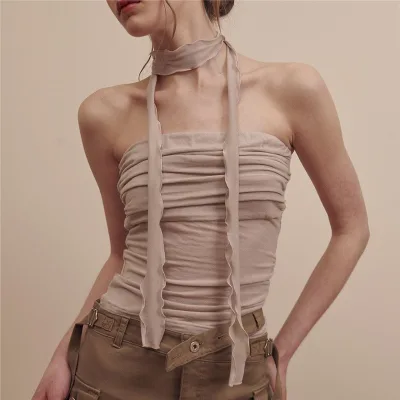
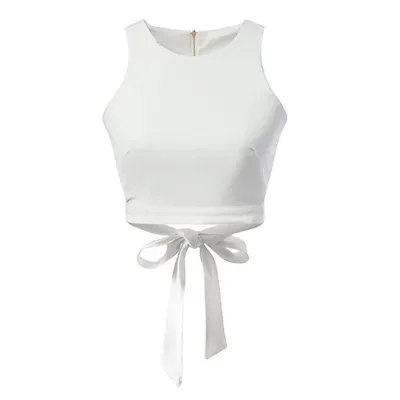


Comprehensive Sourcing Guide
Strategic Sourcing Framework for Hand Embroidered Woolen Crop Tops
The procurement of hand-embroidered woolen crop tops represents a complex intersection of artisanal craftsmanship and modern apparel manufacturing. While the core keyword suggests a specific niche product, the actual market data reveals a broader spectrum of textile attributes, including woven and knitted structures, various fabric compositions, and diverse printing technologies. Buyers must navigate a landscape where "hand embroidery" often coexists with digital printing, heat-transfer methods, and plain dyed techniques. This guide provides a disciplined approach to sourcing, focusing on verifying technical specifications, understanding cost drivers, and ensuring quality compliance without relying on unverified claims.
Technical Specification Verification and Fabric Analysis
The primary challenge in sourcing this category lies in the discrepancy between the traditional expectation of "woolen" materials and the prevalent market offerings which often utilize polyester-cotton blends or 100% cotton. In the current supply chain, particularly from major manufacturing hubs like Guangdong, China, the term "crop top" is frequently associated with specific material properties that differ from pure wool. Buyers must rigorously verify the fabric type, as observed data indicates a mix of Worsted, Knitted, and Cotton fabrics.
When evaluating a potential supplier, the weaving method is a critical differentiator. While the target keyword implies a hand-embroidered texture, the supply data shows a prevalence of "Plain Dyed" and "Dye Sublimation Digital Print" techniques. Furthermore, the "Weaving method" observed includes both "woven" and "crocheted" options. A buyer seeking a true woolen product must explicitly request confirmation of the fiber content, as many listings feature "65/35 Polyester Cotton" or "100% Cotton" rather than wool. The collar style also varies significantly, with "Strapless" and "O-Neck" options available, which impacts the structural integrity required for embroidery.
The following table outlines the divergence between the target keyword attributes and the observed market specifications to aid in specification alignment:
| Attribute Category | Target Keyword Expectation | Observed Market Specifications | Sourcing Verification Requirement |
|---|---|---|---|
| Material | Woolen | 65/35 Polyester Cotton, 100% Cotton, Worsted, Knitted | Request fiber composition certificate; verify if "Wool" is present or if it is a blend. |
| Technics | Hand Embroidered | Plain Dyed, Digital Printing, Heat-Transfer Printing, Crocheted | Confirm if embroidery is manual or machine; verify if "Hand Embroidered" is a specific SKU or a generic descriptor. |
| Fabric Type | Woolen | Worsted, Cotton, Knitted | Ask for fabric swatch to verify weight and texture consistency. |
| Style | Crop Top | Crop Top, T-shirt, Short Length | Verify "Clothing Length" specification to ensure it meets the "Crop" definition (Short). |
| Collar | Variable | Strapless, O-Neck | Confirm neckline style to ensure compatibility with the intended design. |
Buyers must treat these attributes as observations rather than universal claims. A single supplier may offer a "Crop Top" that is knitted cotton with digital printing, while another offers a woven worsted item. The "Hand Embroidered" aspect requires specific validation, as the supply data heavily emphasizes "Digital Printing" and "Heat-Transfer Printing" as the primary logo and graphic design methods.
Compliance, Certification, and Material Standards
In the B2B apparel sector, compliance is not merely a regulatory formality but a critical component of product safety and market access. When sourcing items from regions like Guangdong, China, buyers must verify that the products meet international safety standards for textiles. The observed data mentions "Eco-Friendly" as a feature, but this term is often used loosely. Buyers should demand specific certification documentation, such as OEKO-TEX Standard 100, which verifies that the fabric is free from harmful substances, rather than accepting generic marketing claims.
The material composition is a significant compliance factor. If a buyer specifies "woolen," they must ensure the supplier does not substitute it with synthetic blends without disclosure, as this affects both the product's performance and its labeling accuracy. The "Anti-Pilling," "Anti-Shrink," and "Anti-Wrinkle" features listed in the data suggest that the products are treated or blended for durability. However, these treatments must be verified against the actual material. For instance, a "100% Cotton" item with "Anti-Shrink" properties likely undergoes a specific chemical or mechanical treatment that must be disclosed to ensure it meets the buyer's sustainability or safety requirements.
Furthermore, the "Supply Type" is noted as "Oem Service," indicating that customization is a core part of the supply chain. This necessitates strict adherence to intellectual property rights and branding guidelines. The "Logo position" and "Customized Logo Printing" capabilities must be aligned with the buyer's brand standards. Buyers should verify that the supplier's printing methods, such as "Digital Printing" or "Heat-Transfer Printing," do not compromise the integrity of the fabric or the safety of the end-user.
Cost Drivers and Pricing Structure Analysis
The pricing structure for crop tops in this category is influenced by several key variables, including material composition, production complexity, and order volume. The observed price range of 2 to 35.99 USD indicates a wide disparity in product value. Lower-priced items typically correspond to synthetic blends, digital printing, and high-volume production runs, while higher-priced items may involve natural fibers, hand-embroidered details, or smaller batch sizes.
The Minimum Order Quantity (MOQ) is a significant cost driver. The data shows an MOQ range from 1 to 1000 units, with a specific observation of "50 Sets" for certain models. Buyers must understand that lower MOQs often come with a higher per-unit cost due to the setup costs for customization and the inefficiency of small-batch production. Conversely, bulk orders can leverage economies of scale but require a larger upfront capital commitment.
Additional cost factors include the "Single package size" and "Single gross weight," which impact logistics. A product with a size of 30x28x2 cm and a weight of 0.250 kg per unit will have different shipping costs compared to bulkier or heavier items. The "7 days sample order lead time" being marked as "Not Support" for some suppliers suggests that sample availability is a constraint, which can delay the procurement process and increase the cost of prototyping. Buyers should factor in the time and cost required to source samples from alternative suppliers if the primary choice does not support rapid sampling.
Typical Applications and Usage Scenarios
The versatility of crop tops allows them to be utilized across a wide range of applications, from casual wear to specialized sports. The observed "Usage" data lists an extensive array of activities, including "Ball Sports," "Racing," "Cycling," "Fitness," "Yoga," "Basketball," and "Dancing." This broad applicability suggests that the product is designed for high mobility and comfort.
However, the specific material and construction must match the intended usage. For instance, a "Worsted" fabric with "Breathable" and "Quick Dry" features is suitable for high-intensity activities like "Rugby/Football" or "Track and Field." In contrast, a "Knitted" cotton item might be better suited for "Yoga" or "Dancing" where flexibility and softness are prioritized over moisture-wicking capabilities. The "Season" is noted as "Spring," indicating that the thermal properties of the fabric are optimized for moderate temperatures.
Buyers should also consider the "Style" attribute, which is listed as "Casual." This implies that the design is intended for everyday wear rather than formal occasions. The "Fashion Element" of "Simple" further supports this, suggesting that the product is designed for a broad market appeal rather than niche, high-fashion segments. When sourcing for specific applications, buyers must ensure that the "Sleeve Style" (Regular or Sleeveless) and "Collar" (O-Neck or Strapless) align with the functional requirements of the intended activity.
Supplier Evaluation and Capability Assessment
Evaluating suppliers requires a deep dive into their technical capabilities and operational reliability. The "Supply Type" of "Oem Service" indicates that the supplier is capable of customization, but the extent of this capability varies. Buyers should assess the supplier's ability to handle "Customized Logo Printing" and "Digital Printing" while maintaining quality standards. The "Design" attribute being "Welcomed" suggests a collaborative approach, but buyers must verify the supplier's design team's expertise in translating concepts into production-ready files.
The "Place of Origin" is consistently listed as "Guangdong, China," a region known for its textile manufacturing prowess. However, the diversity of product attributes within this region means that not all suppliers are equal. Buyers should verify the "Model Number" (e.g., ANL016, ANL019) to ensure they are dealing with established product lines rather than ad-hoc productions. The "Single package size" and "prod_packing" (1 Suit/Polybag) provide insight into the supplier's packaging standards, which can affect the product's presentation and protection during transit.
Lead time is another critical factor. The observation that "7 days sample order lead time" is "Not Support" for some suppliers highlights a potential bottleneck in the sampling phase. Buyers should inquire about the actual lead times for bulk production and sample creation to ensure they can meet their market launch deadlines. The "Selling Units" being "Single item" suggests flexibility in ordering, but buyers must confirm if this applies to all product variations or only specific SKUs.
Quality Control Protocols and Long-Term Procurement
Establishing robust quality control (QC) protocols is essential for maintaining product consistency, especially when dealing with complex attributes like embroidery and fabric blends. Buyers should implement a multi-stage QC process that includes pre-production sample approval, in-line inspection during manufacturing, and final random inspection before shipment. The "Feature" list, including "Anti-Pilling," "Anti-Shrink," and "Anti-Wrinkle," should be verified through independent testing to ensure these claims are valid.
Long-term procurement considerations involve building a sustainable relationship with suppliers who can scale with demand. The "MOQ" of "50 Sets" for certain models indicates a threshold for cost-effective production. Buyers should negotiate terms that allow for gradual volume increases without compromising quality or pricing. The "Standard" attribute, listed as "S-5XL," suggests a wide size range, which requires careful inventory management to avoid stockouts of popular sizes.
Finally, buyers must remain vigilant about the "Production Standard" and "Product Origin" to ensure compliance with international trade regulations. The "prod_origin" of "China" requires attention to import duties and trade agreements. By maintaining a disciplined approach to verification and quality assurance, buyers can successfully navigate the complexities of sourcing hand-embroidered woolen crop tops and other related apparel items, ensuring that the final product meets both functional and aesthetic expectations.
FAQs
What fabric types are available for hand embroidered woolen crop tops?
Available fabrics include 65/35 polyester cotton, 100% cotton, and knitted or worsted materials. While the keyword suggests wool, actual listings often feature cotton blends or synthetic mixes rather than pure wool fibers.
Can I find suppliers offering custom logo printing on these crop tops?
Yes, suppliers provide OEM services with customized logo printing via digital or heat-transfer methods. The design is welcomed, and logo positions can be adjusted to meet specific branding requirements for bulk orders.
What is the minimum order quantity for sourcing these crop tops?
The minimum order quantity ranges from 1 to 1000 units, with specific models requiring 50 sets. Lower MOQs may incur higher per-unit costs due to setup fees for customization and small-batch production inefficiencies.
How are the crop tops packaged for shipping from Guangdong?
Items are typically packed as one suit per polybag with a single gross weight of 0.250 kg. The package dimensions are approximately 30 by 28 by 2 cm, ensuring protection during transit from the origin.
Which collar styles are offered for wholesale bulk crop tops?
Both strapless and O-neck collar styles are available in the current market listings. Buyers must verify the specific neckline style to ensure it matches the intended design and structural requirements for the garment.
What are the lead times for sample orders of these tops?
Some suppliers do not support 7-day sample order lead times, which can delay prototyping. Buyers should verify actual sample availability and production lead times before committing to bulk orders to avoid schedule conflicts.