Source Arrow Pattern LED Lane Indicator for Tunnels, Roads, and Parking
Explore 30 verified listings for the Arrow Pattern LED Lane Indicator designed for tunnels, road construction, and parking applications. Buyers can compare specifications like IP65 ratings, aluminum or ABS housing, and customizable direction signals from suppliers in Guangdong and Zhejiang.
Key considerations
Products List


Red X Green Arrow High Visibility Outdoor LED Lane Indicator Traffic Sign
$180.00 - $200.00
MOQ: 20 Pieces

Custom Text Display Waterproof Outdoor Double Sided LED Lane Indicator Traffic Sign
$180.00 - $200.00
MOQ: 20 Pieces

High Brightness Red Green Custom Text Display Tunnel LED Lane Indicator Traffic Sign
$180.00 - $200.00
MOQ: 20 Pieces


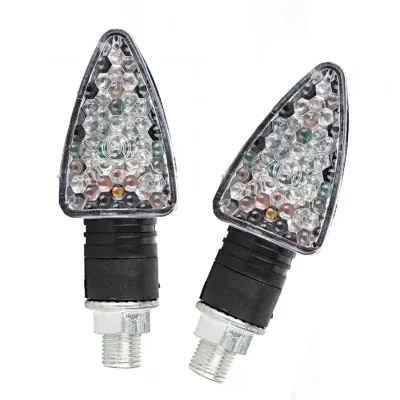


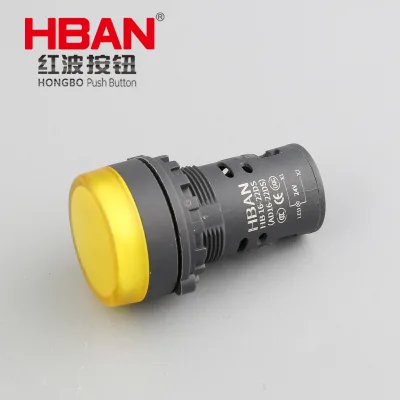


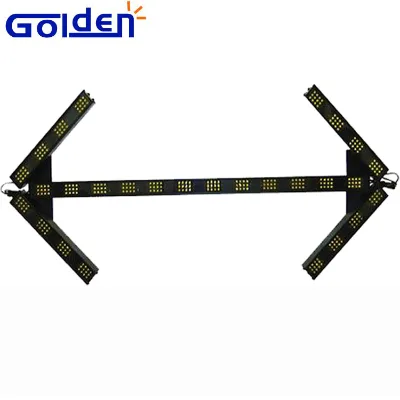


Factory Direct Sales Sheet Metal Arrow High-Speed Tunnel Lane Indicator Signal Traffic Light
$69.19 - $77.88
MOQ: 15 Pieces

Cheap Price Red Cross Green Arrow Signal Access Gate Traffic Lights Lane Indicator Lights
$56.65 - $63.58
MOQ: 20 Pieces
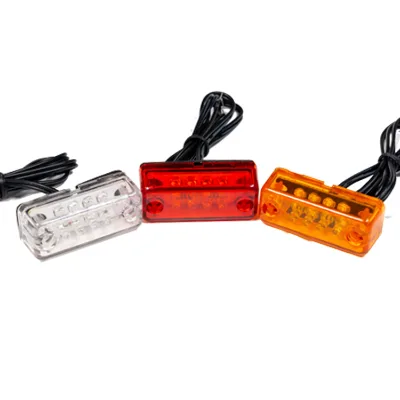

Comprehensive Sourcing Guide
Sourcing Guide for Arrow Pattern LED Lane Indicators
The procurement of arrow pattern LED lane indicators represents a critical decision point for infrastructure projects, traffic management systems, and road construction initiatives. These specialized lighting units serve as the primary visual communication tools for directing vehicle flow, managing lane closures, and ensuring safety in complex traffic environments. Buyers must navigate a market characterized by diverse technical specifications, varying certification requirements, and a wide range of customization options. This guide synthesizes available product attributes and industry standards to provide a structured approach for sourcing high-quality arrow pattern LED lane indicators. The focus remains on verifying technical capabilities, ensuring regulatory compliance, and evaluating supplier reliability without relying on unverified market claims.
Technical Specifications and Functional Capabilities
When evaluating arrow pattern LED lane indicators, the primary focus must be on the functional output and the underlying light source technology. The core product category is defined by the use of LED technology, which offers superior energy efficiency and longevity compared to traditional incandescent sources. The functional capabilities of these units are extensive, ranging from simple directional arrows to complex signal sequences. Buyers should verify that the specific model supports the required signal types, which often include Green Signal, Red Signal, Direction Signals, Lane Signals, and Flash Alarm Signals. The specific application context dictates the necessary function; for instance, tunnel applications may require different signal clarity and intensity compared to open-road construction zones.
The physical construction of the indicator is equally critical. The housing material plays a significant role in durability and environmental resistance. Available data indicates that manufacturers utilize materials such as Aluminum, ABS, and Metal Shells. Aluminum and metal shells are typically preferred for heavy-duty applications like road construction and tunnels due to their robustness against impact and vibration. Conversely, ABS housing may be suitable for lighter-duty parking or temporary road applications. The IP Rating is a non-negotiable specification for outdoor use. An IP65 rating is a common standard observed in this category, indicating complete protection against dust and resistance to water jets from any direction. Buyers must confirm that the specific unit selected meets the IP rating required for the local climate and installation environment.
Furthermore, the electrical characteristics must align with the power infrastructure of the project. The power supply is generally DC, with selectable voltage ranges observed from 6V up to 380V. This wide range suggests that some units are designed for direct grid connection or specialized power systems, while others may require specific transformers or drivers. The rated current is typically low, often observed at ≤20mA for individual LEDs, but the total system current depends on the number of LEDs and the configuration. The emitting colors are crucial for signal interpretation; standard options include Red, Green, Yellow, White, and Blue. For arrow patterns, the contrast between the arrow shape and the background is vital. Some units feature specific mask specifications, such as a Φ300mm diameter, which defines the visible area and the intensity of the light beam.
Compliance and Certification Verification
In the global market for traffic control equipment, compliance with international and local standards is paramount. The absence of proper certification can lead to project rejection, safety liabilities, and legal complications. Buyers must rigorously verify the certification status of any potential supplier. The observed market data includes a variety of certifications, with CE and RoHS being the most frequently cited. CE certification indicates conformity with health, safety, and environmental protection standards for products sold within the European Economic Area. RoHS compliance ensures that the product does not contain hazardous substances, which is increasingly a requirement for electronic components globally.
Beyond these, other certifications such as ISO, TUV, FCC, CCC, and MIC may be present depending on the target market and the specific manufacturer. For example, products originating from China often carry CCC (China Compulsory Certification) for domestic sales, while those intended for export to North America might require FCC compliance for electromagnetic interference. The presence of multiple certifications, such as a combination of CE, RoHS, ISO, and TUV, suggests a manufacturer with a robust quality management system. However, buyers should not assume that all listed products possess every certification. It is essential to request valid certificates for the specific model number being purchased.
The standard of the product also matters. While some products are described as having a "common size," others may be custom-made. If a project requires adherence to specific national traffic standards, the buyer must ensure the product meets those exact dimensional and photometric requirements. The origin of the product, often listed as Guangdong, Zhejiang, or generally China, provides context for the manufacturing base but does not guarantee compliance. Buyers must treat the origin as a logistical fact and verify the certifications independently through the supplier's documentation.
Cost Drivers and Pricing Structures
Understanding the cost structure of arrow pattern LED lane indicators is essential for budgeting and negotiation. The observed price range in the market is broad, spanning from $0.10 to $200 USD. This significant variance is driven by several factors, including the complexity of the design, the quality of materials, the intensity of the light source, and the level of customization. A basic LED indicator with a simple arrow pattern and standard housing will likely fall at the lower end of this spectrum. In contrast, a unit designed for tunnel applications, featuring high-intensity LEDs, advanced cooling systems, and custom signal programming, will command a higher price.
Material costs are a primary driver. Units constructed with aluminum or high-grade metal shells will generally be more expensive than those using ABS plastic due to the raw material costs and the manufacturing processes involved, such as die-casting or machining. The inclusion of advanced features, such as timing control or specific voltage adaptability (e.g., 6-380V selectable), also adds to the cost. Additionally, the level of customization plays a major role. While many suppliers offer "Available" or "Yes" for customization, custom molds, specific color combinations, or unique signal patterns will incur additional tooling and setup fees.
The Minimum Order Quantity (MOQ) is another critical cost factor. The observed MOQ range is from 0 to 1000 units. Suppliers with lower MOQs may charge a higher unit price to cover setup costs for smaller batches. Conversely, bulk orders often benefit from economies of scale, reducing the per-unit cost. Buyers should also consider the packaging costs. While standard packaging is often a "Carton Box" or "Carton," custom packaging solutions for branding or specific shipping requirements can add to the overall expense. Finally, shipping ports, such as Shanghai or Shenzhen, and the logistics chain from the place of origin (e.g., Zhejiang or Guangdong) to the destination will influence the landed cost.
Typical Applications and Deployment Scenarios
Arrow pattern LED lane indicators are versatile tools deployed across a variety of infrastructure and traffic management scenarios. The application data highlights several key use cases, including Road Construction, Parking, Tunnel, and general Road applications. In road construction zones, these indicators are essential for guiding traffic around work areas, often using flashing arrow patterns to signal lane shifts or closures. The durability of the unit, particularly the IP65 rating and robust housing, is critical in these environments where exposure to dust, water, and vehicle impact is high.
Tunnel applications present a unique set of challenges. The confined space and high traffic volume require indicators with high visibility and reliability. The specific function of "Lane Signals" and "Direction Signals" is vital in tunnels to manage lane usage dynamically, especially during incidents or maintenance. The lighting intensity and the ability to be seen in low-light conditions are paramount. Similarly, for parking facilities, these indicators help manage vehicle flow, designate specific parking zones, and direct drivers to available spots. The "Direction Indicator Light" type is particularly useful here for clear, unambiguous guidance.
Other applications include crosswalk signals, command signals, and traffic signal wands. The "Function" attribute lists a wide array of capabilities, including Crosswalk Signal and Command Signal, indicating that these units can be integrated into broader traffic management systems. The "Control Method" of Timing Control suggests that these lights can be programmed to operate on specific schedules, which is useful for managing peak traffic hours or coordinating with other traffic signals. Buyers must match the specific application requirements with the product's functional capabilities to ensure effective deployment.
Supplier Evaluation and Geographic Considerations
Evaluating suppliers requires a careful analysis of their location, production capabilities, and market reach. The observed product origins are primarily in China, with specific mentions of Guangdong and Zhejiang provinces. These regions are known for their robust manufacturing ecosystems, particularly in electronics and lighting. Guangdong is often associated with a high volume of export-oriented manufacturing, while Zhejiang is a hub for various industrial components. The "Place of Origin" and "Product Origin" fields provide insight into the supply chain logistics.
When selecting a supplier, buyers should verify their shipping ports. Common ports listed include Shanghai and Shenzhen, which are major maritime hubs facilitating global trade. The ability to ship from these ports often indicates an established logistics network. The "Market" attribute is listed as "Global," suggesting that the suppliers are accustomed to international standards and export procedures. However, buyers must verify that the supplier has experience shipping to their specific destination to avoid logistical delays.
Customization capabilities are a key differentiator among suppliers. The data indicates that "Customization" is "Available" and "Custom Made" is "Accept Customization." This suggests that many suppliers are flexible and can adapt products to specific project needs. Buyers should inquire about the customization process, including lead times for custom molds and the ability to produce specific models like the "LB-RXGJ-B600D" or "LB-WS510" variants. The "Standard" attribute, listed as "common size," implies that some products are off-the-shelf, while others are bespoke. A supplier's ability to balance standard inventory with custom production is a strong indicator of their operational flexibility.
Quality Control and Long-Term Procurement Strategy
Ensuring the long-term reliability of arrow pattern LED lane indicators requires a proactive approach to quality control. The "Certification" and "Material" attributes provide a baseline for quality, but buyers must go further. Requesting test reports for IP ratings, LED lifespan, and electrical safety is essential. The "Rated Current" and "Voltage" specifications must be verified against the actual operating conditions of the installation site to prevent premature failure.
For long-term procurement, buyers should consider the availability of spare parts and the supplier's support infrastructure. The "Product Name" and "Model" numbers, such as "SHIN20201127" or "XYD-7866," serve as unique identifiers that should be consistent across orders. This consistency ensures that replacement units are compatible with existing installations. The "Packing" method, typically "Carton Box" or "Carton," should be evaluated for its ability to protect the units during transit, especially for international shipments.
A strategic procurement approach involves building a relationship with suppliers who can provide consistent quality over time. The "MOQ" of 100pcs or lower allows for initial testing and smaller batch orders, which is beneficial for pilot projects. As the project scales, buyers can negotiate better terms and pricing. The "Customized" attribute being "Yes" indicates that suppliers are willing to engage in long-term partnerships to meet evolving project needs. By focusing on suppliers with verified certifications, robust material choices, and a track record of global market delivery, buyers can mitigate risks and ensure the successful deployment of arrow pattern LED lane indicators.
Comparative Analysis of Product Attributes
To facilitate decision-making, it is helpful to compare the key attributes of different product types available in the market. The following table summarizes the observed variations in specifications, certifications, and applications.
| Attribute | Category A (Heavy Duty) | Category B (Standard) | Category C (Custom/Specific) |
|---|---|---|---|
| Housing Material | Aluminum, Metal Shell | ABS | Customizable |
| IP Rating | IP65 | IP65 | Variable (Verify) |
| Application | Tunnel, Road Construction | Road, Parking | Crosswalk, Command Signal |
| Certifications | CE, RoHS, ISO, TUV | CE, RoHS | CE, FCC, CCC, MIC |
| Voltage | DC (6-380V Selectable) | DC12V | DC (Custom) |
| Function | Direction, Lane, Flash Alarm | Direction Indicator | Traffic Signal Wand, Lane |
| Origin | Guangdong, Zhejiang | Zhejiang | China (General) |
| Model Examples | LB-RXGJ-B600D, XYD-7866 | AD-16 22DS, SHIN20201127 | XYD-8309, 3931 |
This comparison highlights that while there is a baseline of common features like IP65 and LED technology, the specific requirements for housing, voltage, and certification vary significantly based on the intended application. Buyers must use this framework to filter suppliers and select the product category that best aligns with their project's technical and regulatory demands. By adhering to these structured evaluation criteria, procurement teams can make informed decisions that ensure safety, compliance, and operational efficiency.
FAQs
What certifications are available for arrow pattern led lane indicators?
Available certifications include CE, RoHS, ISO, TUV, FCC, CCC, and MIC depending on the specific model. Buyers must verify that the selected unit carries the valid certificates required for their target market, as not every product possesses all listed standards.
How is the housing material constructed for these traffic lights?
Housing materials typically include Aluminum, ABS plastic, or Metal Shells to ensure durability. Aluminum and metal shells are preferred for heavy-duty applications like tunnels, while ABS is often used for lighter parking or temporary road construction zones.
Which voltage options are supported by these LED lane indicators?
The units support selectable voltage ranges from 6V up to 380V to accommodate different power infrastructures. Some models operate on DC12V specifically, requiring buyers to match the electrical supply of their project site with the product specifications.
Can these indicators be customized for specific project needs?
Yes, customization is available and accepted for various product attributes including colors and signal patterns. Buyers should expect additional tooling or setup fees for custom molds, specific color combinations, or unique signal sequences beyond standard offerings.
What is the minimum order quantity for purchasing these lights?
The minimum order quantity ranges from zero to 1000 units depending on the supplier and product type. Some specific models list an MOQ of 100 pieces, while others may allow smaller trial orders or require bulk purchases for custom configurations.
Which IP rating ensures protection for outdoor road construction use?
An IP65 rating is commonly observed, providing complete dust protection and resistance to water jets from any direction. This rating is essential for outdoor applications like road construction and tunnels where exposure to harsh weather and debris is expected.
Where are these arrow pattern led lane indicators typically manufactured?
Products originate primarily from Guangdong and Zhejiang provinces in China, with some listings specifying general China origins. These regions serve as major manufacturing hubs for electronic lighting components, facilitating global shipping from ports like Shanghai and Shenzhen.