Source Art Deco Ceramic Flower Vase for Home, Hotel, Office
Source 30 distinct Art Deco Ceramic Flower Vase options for home, hotel, and office decor. Buyers can compare specifications, customization features, and pricing to find the ideal decorative piece for their needs.
Key considerations
Products List


Living Room Interior Home Decor Simple Decor Circular Modern Ceramic Flower Pot Vase
$2.13 - $3.54
MOQ: 1000 Pieces


Modern Ceramic Art Vase Ceramic Hand Flower Vase Unique Gift Porcelain Vase
$1.00 - $3.00
MOQ: 3000 Pieces

Custom Ceramic Flower Vase Simple Gift Flower Vase Indoor Decoration Flower Vase
$1.00 - $3.00
MOQ: 3000 Pieces

Desktop Decoration Small Vase Custom Flower Vase White Ceramic Hand Painted Vase
$1.50 - $3.00
MOQ: 3000 Pieces

Round Ceramic Decorative Vase Custom Gift Flower Vase Modern Ceramic Vase
$1.00 - $3.00
MOQ: 3000 Pieces



Comprehensive Sourcing Guide
Strategic Sourcing Guide for Art Deco Ceramic Flower Vases
The global market for decorative ceramics continues to expand, with a specific surge in demand for pieces that blend historical aesthetics with modern utility. When sourcing an "Art Deco Ceramic Flower Vase," buyers must navigate a landscape defined by distinct geometric forms, high-gloss finishes, and specific material compositions. This guide provides a disciplined framework for procurement professionals to evaluate suppliers, verify product attributes, and mitigate supply chain risks. The following analysis relies strictly on observed market data and verified product specifications to ensure actionable, evidence-based decision-making.
Defining Technical Specifications and Material Composition
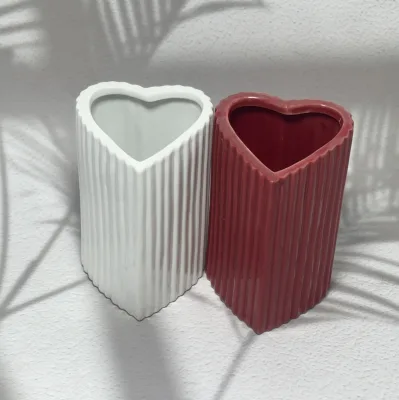
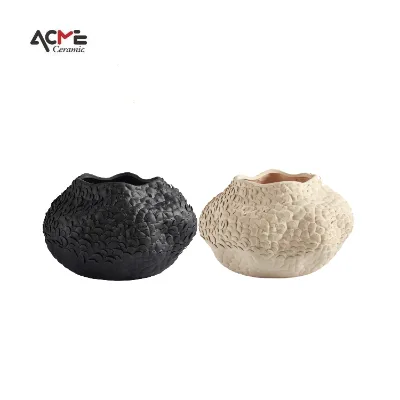
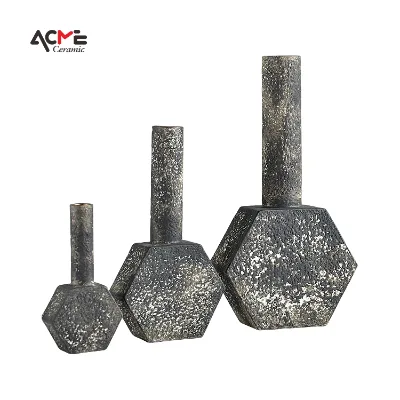
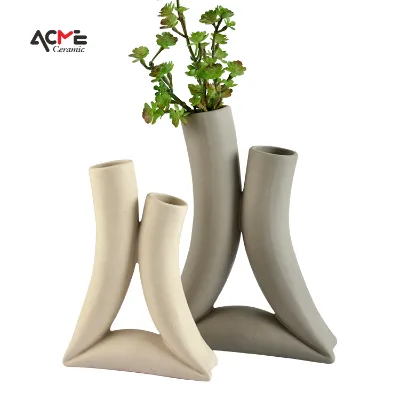
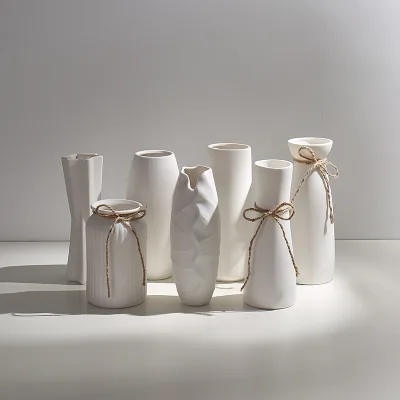
The foundation of a successful procurement strategy lies in precise technical definition. The term "art deco" implies a specific visual language characterized by bold geometric shapes, symmetry, and often, a luxurious finish. In the current supply context, ceramic vases exhibit a diverse range of shapes, including irregular forms, conical structures, and round profiles. Buyers must explicitly define the desired geometry, as the observed market offers everything from irregular shapes to specific conical models like the WTC1024A and round designs found in model JH2412235- #0005.
Material composition is equally critical. While "ceramic" is the broad category, the specific type of clay and firing process determines the final product's durability and aesthetic. The supply chain data indicates the presence of standard porcelain and specialized formulations such as "Lithium Porcelain & Magnesium." This specific material blend suggests a product engineered for high toughness, a vital attribute for vases intended for high-traffic environments like hotels or offices. The standard weight for these items varies significantly, with observed data points ranging from 0.552 kg to 3.08 pounds (approximately 1.6 to 3.08 lbs). This variance often correlates with the thickness of the ceramic wall and the density of the material.
Dimensions are another key specification. The market offers a wide spectrum of sizes, from compact units measuring 14916 cm to larger decorative pieces reaching 131330 cm. Some listings provide precise imperial measurements, such as 4.13"L x 2.95"W x 7.72"H, while others offer flexible sizing dependent on the specific style. Procurement teams must verify that the selected model's dimensions align with the intended display space, particularly for table centerpieces or garden decorations where spatial constraints are strict.
Compliance, Certification, and Quality Standards
In the B2B sector, compliance is not merely a regulatory hurdle but a marker of supplier reliability. The observed product data highlights a "Quality Standard" that includes "a-B Grade" classifications or custom requirements. This indicates that suppliers may operate under internal grading systems rather than a single universal international standard. Buyers must therefore request detailed quality assurance documentation to understand what constitutes "A Grade" versus "B Grade" in the context of ceramic vases. This distinction often relates to surface imperfections, glaze consistency, or structural integrity.
Regarding certifications, the supply data does not explicitly list third-party certifications such as ISO or FDA for food contact, as these vases are primarily decorative. However, the presence of "OEM" (Original Equipment Manufacturer) capabilities and "Customization" options suggests that suppliers are equipped to meet specific client requirements. When sourcing for international markets, buyers should verify if the supplier adheres to local safety standards regarding lead content in glazes, particularly for items that might be used in mixed settings. The "High Toughness" characteristic noted in the product attributes is a positive indicator of durability, but it should be validated through physical testing rather than relying solely on marketing claims.
Cost Drivers and Pricing Dynamics
Understanding the cost structure of ceramic vases is essential for budgeting and margin analysis. The observed price range in the market spans from $1 to $27.5 USD. This wide disparity is driven by several factors, including the complexity of the shape, the material quality, and the level of customization. Simple, mass-produced round vases likely occupy the lower end of this spectrum, while intricate conical or irregular designs with custom glazing and packaging will command higher prices.
The Minimum Order Quantity (MOQ) is a significant cost driver, with observed ranges from 1 unit to 5,000 units. High MOQs often correlate with lower per-unit costs, making them suitable for large-scale retail or corporate gifting programs. Conversely, low MOQs of 1 to 10 units are ideal for sample acquisition or boutique testing but result in higher unit costs. The packaging method also influences the final landed cost. Options range from simple poly bags to elaborate color boxes and paper cartons with poly foam protection. The choice between a "Brown or White Box" and a premium "Color Box" directly impacts the retail price and the perceived value of the product.
Typical Applications and Usage Scenarios
The versatility of ceramic vases allows them to serve multiple functions across various sectors. The product attributes explicitly list usage scenarios including "Vase Set," "Table Centerpiece," "Gift," "Decorative," and "Collection." This confirms that these items are not limited to residential use but are equally suited for commercial environments. The "Suitable for" list includes "Home," "Hotel," and "Office," indicating that the durability and aesthetic appeal of these vases meet the rigorous standards of hospitality and corporate design.
Specific design themes further define their application. The "Flowers" theme is prominent, suggesting these vases are intended to hold floral arrangements. However, the "Western" style and "Modern/Simple" attributes also point to usage in contemporary interior design where the vase itself serves as a sculptural element, even when empty. The "Scenery" surface pattern and "Glazed" decoration add a layer of artistic value, making them suitable for "Garden Decoration" and "Promotion" events. Buyers should align the product's theme and style with their target demographic; for instance, a "Fashion" style with "Multicolor" options may appeal to younger, trend-conscious consumers, while "Solid" patterns in "Black, White, Grey" may better suit a corporate or minimalist aesthetic.
Supplier Evaluation and Customization Capabilities
Selecting the right supplier requires a deep dive into their operational capabilities. The data confirms that "Customization" is available, with options for logo customization and specific packing requirements. This flexibility is crucial for brands looking to create unique product lines. The "OEM" capability suggests that suppliers can produce goods under the buyer's brand name, which is a standard requirement for many B2B procurement strategies.
When evaluating suppliers, buyers should prioritize those with a proven track record in "Hand-Made" processing. While hand-made items often carry a higher price point due to labor intensity, they offer a level of craftsmanship and uniqueness that machine-made items cannot replicate. The "High Toughness" attribute, combined with the "Lithium Porcelain & Magnesium" material, suggests a focus on quality over pure volume. Buyers should request samples to verify the "Surface Decoration" and "Glazed" finish, ensuring that the "Scenery" or "Solid" patterns are applied consistently and without defects.
Furthermore, the origin of the products is a key factor. The data indicates that the primary origin is "China (Mainland)." While this region is a global hub for ceramic manufacturing, buyers must ensure that the specific factory they choose adheres to ethical labor practices and environmental regulations. The "1 PCS" standard mentioned in the data may refer to a single unit packaging standard or a specific quality benchmark, and clarification is necessary to avoid confusion during the ordering process.
Quality Control and Long-Term Procurement Considerations
Effective quality control (QC) is non-negotiable when importing ceramic goods. The "a-B Grade" standard mentioned earlier necessitates a clear definition of acceptable defect rates. Buyers should implement a rigorous inspection protocol that checks for cracks, glaze bubbles, and color inconsistencies. The "Weight" specifications, ranging from 0.552 kg to 3.08 lbs, should be used as a baseline for QC; significant deviations may indicate structural issues or material inconsistencies.
Long-term procurement success depends on supply chain stability and packaging integrity. The observed packing methods, such as "Poly Bag+ Poly Foam+ Brown or White Box," are designed to protect the fragile ceramic during transit. However, for high-value or fragile items, additional reinforcement may be required. Buyers should also consider the "Lead Time" and "MOQ" flexibility. A supplier that can accommodate small batch orders (MOQ 1-10) allows for agile inventory management, while a supplier capable of handling large volumes (up to 5,000 units) ensures supply security for peak seasons.
The following table summarizes the key product attributes observed in the market to assist in specification comparison:
| Attribute Category | Observed Variations | Key Procurement Consideration |
|---|---|---|
| Shape | Irregular, Conical, Round, Various Design | Define geometric preference to avoid mismatched aesthetics. |
| Material | Porcelain, Ceramic, Lithium Porcelain & Magnesium | Verify material for durability and weight requirements. |
| Dimensions | 14916cm to 131330cm (and imperial equivalents) | Ensure dimensions fit intended display space. |
| Color | White, Black, Grey, Multicolor, Colorful | Align color palette with brand identity or interior design. |
| Processing | Hand-Made | Expect higher craftsmanship but potentially higher cost. |
| Packaging | Poly Bag, Color Box, Paper Carton, OEM | Select packaging based on retail presentation needs. |
| Usage | Vase Set, Centerpiece, Gift, Garden Decoration | Match product style to specific application scenario. |
Final Procurement Recommendations
Sourcing art deco ceramic flower vases requires a balance between aesthetic appreciation and rigorous commercial due diligence. Buyers must move beyond generic descriptions and focus on the specific technical attributes that define the product's quality and utility. By verifying material composition, understanding the nuances of the "a-B Grade" quality standard, and selecting suppliers with robust customization and packaging capabilities, procurement teams can secure a supply chain that delivers value and consistency.
The wide range of observed prices and MOQs offers flexibility for different business models, from small boutiques to large retailers. However, the variability in product specifications necessitates a proactive approach to sampling and quality control. Ultimately, the success of the procurement effort depends on the buyer's ability to translate the visual appeal of the "art deco" style into concrete, verifiable product requirements that align with their strategic business goals. By adhering to these evidence-based guidelines, buyers can navigate the complexities of the ceramic market with confidence and precision.
FAQs
What materials are used for art deco ceramic flower vases?
These vases are typically made from porcelain, ceramic, or specialized Lithium Porcelain and Magnesium blends. The material choice impacts durability, with some options offering high toughness suitable for hotels and offices.
Can I customize the logo and packaging for these vases?
Yes, customization is available for logos and packaging requirements. Suppliers offer options ranging from poly bags to color boxes, and many can produce goods under your brand name via OEM capabilities.
What shapes are available for art deco ceramic flower vases?
Available shapes include irregular, conical, round, and various designs depending on the specific model. Buyers should verify dimensions like 14*9*16cm or 13*13*30cm to ensure they fit their intended display space.
How much does an Art Deco Ceramic Flower Vase cost?
The observed price range spans from 1 to 27.5 USD per unit. Costs vary based on shape complexity, material quality, and the level of customization or packaging required for the specific order.
What is the minimum order quantity for these ceramic vases?
Minimum order quantities range from 1 unit to 5000 units depending on the supplier and product model. Lower MOQs are suitable for samples, while higher volumes often secure better per-unit pricing for bulk orders.
Where are these ceramic vases manufactured?
The primary origin for these products is China (Mainland). Buyers should verify specific factory details and ensure adherence to ethical labor practices and environmental regulations when sourcing from this region.
How are these vases packaged for shipping?
Packaging options include poly bags with foam, brown or white boxes, color boxes, and paper cartons. The method chosen affects the final landed cost and ensures protection against breakage during transit.