Source Art Deco Embroidery Hoop for Crafts, Gifts, and DIY
Find and compare 30 wooden embroidery hoop options, including round and oval designs, suitable for Art Deco Embroidery Hoop projects. Review specifications like size, material, and MOQ to select the right tools for your needlework needs.
Key considerations
Products List


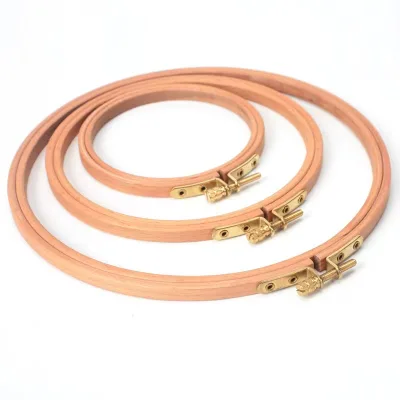


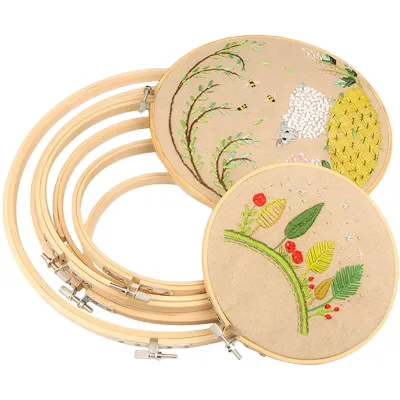
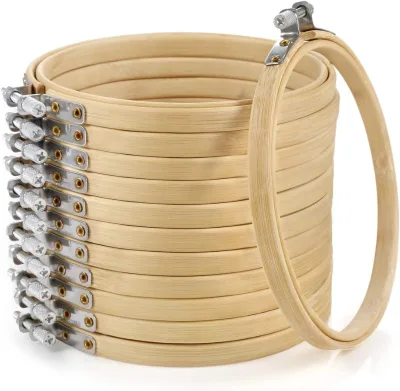
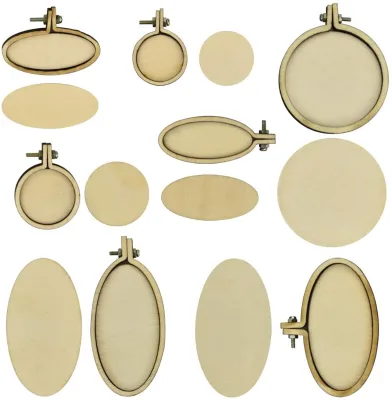
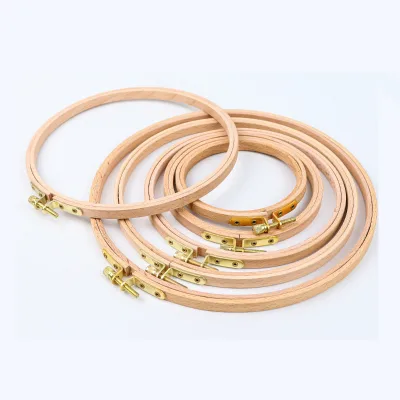
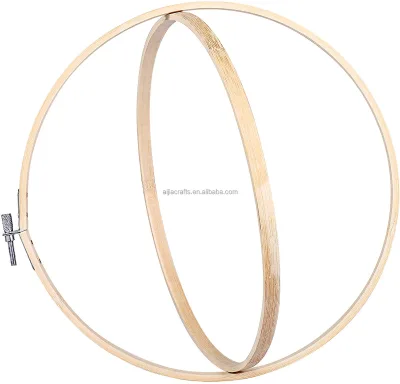
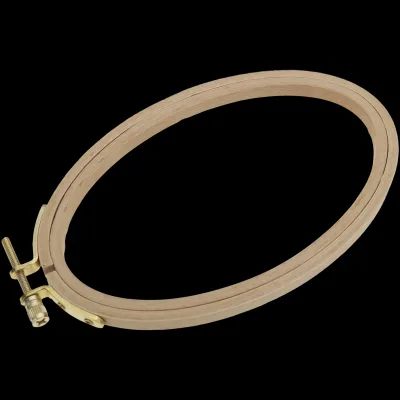
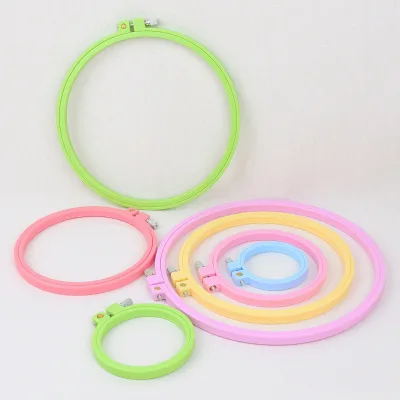
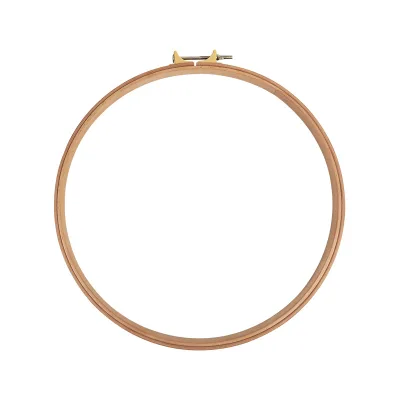
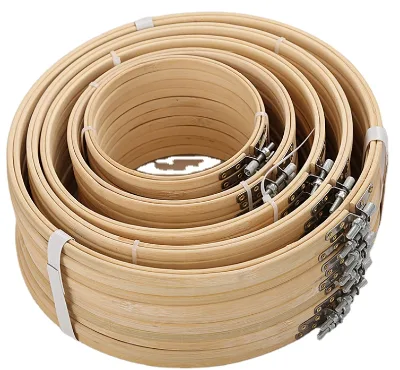
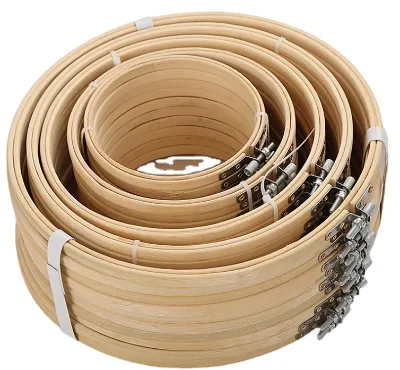
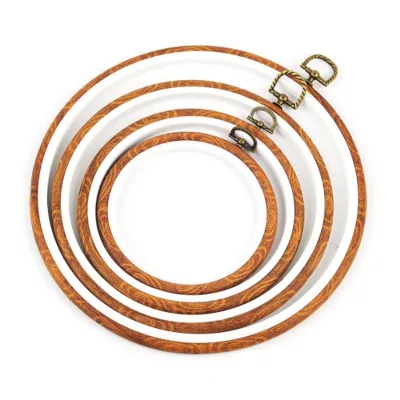
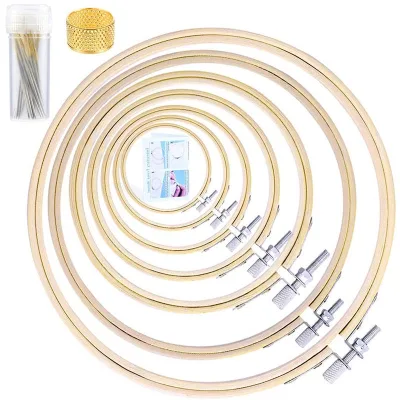
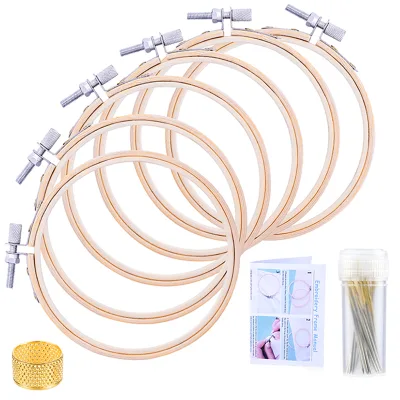
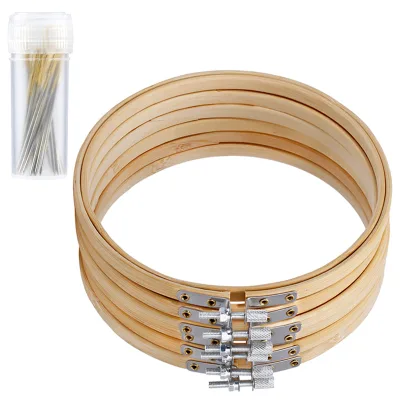


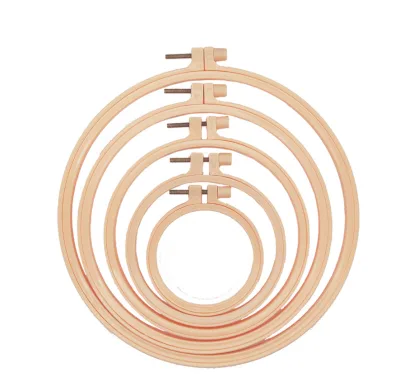
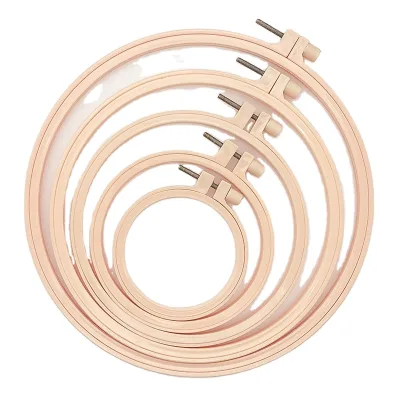
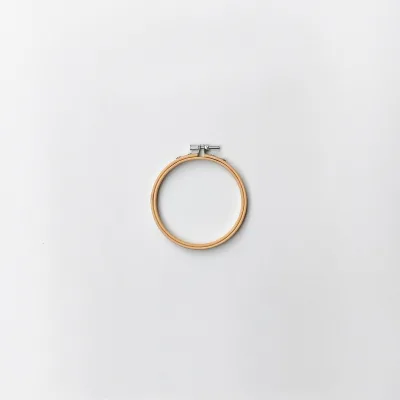
Cross Stitch Embroidery Hoop Circle Bamboo Frame 10-40cm for Poke Embroidery
$0.36 - $0.72
MOQ: 100 pieces

Big Embroidery Hoops Cross Stitch Hoop for DIY Craft Sewing and Ornaments
$0.25 - $0.50
MOQ: 1000 Pieces

Small Embroidery Hoops Bamboo Circle Cross Stitch Hoop Rings for Craft Sewing
$0.25 - $0.50
MOQ: 1000 Pieces
Comprehensive Sourcing Guide
Art Deco Embroidery Hoop Sourcing Guide
Sourcing embroidery hoops requires a clear distinction between decorative aesthetic trends and functional craft utility. While the core keyword suggests a specific visual style, the available market data indicates that standard wooden hoops are the primary functional component for needlework. Buyers must evaluate whether the "Art Deco" descriptor refers to the packaging, the hardware finish, or the hoop’s geometric shape, as the underlying product is typically a simple wooden ring. This guide focuses on verifying the structural integrity, material quality, and commercial terms of these essential crafting tools, ensuring that procurement decisions are based on tangible product attributes rather than marketing terminology alone.
The procurement landscape for embroidery hoops is characterized by a wide range of sizes, materials, and packaging options. Observations from current listings reveal a strong preference for natural wood finishes and durable construction, with sizes ranging from small 14cm rounds to larger oval formats. Buyers should prioritize suppliers who provide clear specifications regarding wood type, screw tension mechanisms, and packaging standards. Understanding these baseline attributes is critical for selecting the right tool for specific embroidery techniques, whether for delicate cross-stitch or heavy-duty punch needle work.
Product Scope and Observed Listing Signals
The current market signals indicate a diverse inventory of wooden embroidery hoops, primarily categorized by shape and size. Listings show a prevalence of round wooden hoops, with specific models available in 22cm and 14cm diameters, as well as oval variants measuring approximately 29.5cm by 20cm. These dimensions cater to different project scales, from small decorative pieces to larger tapestry works. The presence of "thicken" or reinforced oval designs suggests a market demand for hoops that can maintain tension on heavier fabrics without warping, a key consideration for professional embroiderers and bulk buyers.
Packaging and presentation vary significantly across suppliers, reflecting different target markets and price points. Some products are shipped in simple OPP bags or PP bags, which are cost-effective for high-volume, low-margin orders. Others feature color boxes or individual carton packaging, which may be required for retail-ready goods or premium gift sets. The observation of "DIY Kit" listings, such as those including punch needles and hoops, indicates a trend toward bundled offerings. Buyers must clarify whether they are sourcing standalone hoops or complete kits, as this distinction heavily influences unit costs and inventory management strategies.
Technical Specifications to Verify
Dimensional accuracy is the most critical technical specification for embroidery hoops, as incorrect sizing can lead to fabric slippage or inadequate tension. Buyers must verify the exact outer and inner diameters for round hoops and the precise outer and inner dimensions for oval models. For instance, a 22cm hoop should be measured to ensure the inner ring fits snugly within the outer ring without excessive play. Similarly, oval hoops require verification of both the major and minor axes to ensure compatibility with specific fabric frames or hoops designed for particular stitch counts.
Material composition and weight are also essential factors that influence the durability and usability of the product. Listings indicate a weight range from approximately 35g for smaller 14cm hoops to over 500g for larger needlework holders or bundled kits. The material is consistently described as natural wood, but buyers should request details on the wood species, such as bamboo or pine, as this affects hardness and resistance to cracking. Additionally, the finish of the wood, whether raw, varnished, or painted, should be confirmed to ensure it does not interfere with the embroidery process or stain fabrics.
Compliance and Safety Documentation
While embroidery hoops are generally low-risk products, compliance with safety standards is still relevant, particularly for products marketed to children or sold in regions with strict toy safety regulations. Buyers should inquire about the finish used on the wooden surfaces, ensuring that any paints, varnishes, or sealants are non-toxic and free from harmful chemicals like lead or formaldehyde. This is especially important for "DIY Kit" products that may include additional components such as needles or threads, which may have their own safety certifications.
Documentation requirements also extend to the packaging materials used. If the hoops are packed in cardboard boxes or plastic bags, buyers should verify that these materials meet local recycling and environmental regulations. In the European Union, for example, packaging must comply with specific waste management directives. Buyers should request material safety data sheets (MSDS) for any coated or treated wooden components to ensure that the products meet the import requirements of their target markets, avoiding potential customs delays or product recalls.
Cost Drivers and Commercial Terms
The cost of embroidery hoops is influenced by several factors, including material quality, size, and packaging complexity. Larger hoops and those made from premium hardwoods will naturally command higher prices. The observation of MOQs ranging from 10 pieces to 2000 pieces indicates that suppliers offer flexible terms for both small boutique orders and large wholesale purchases. Buyers should negotiate based on volume, as higher quantities often result in lower unit costs, but must balance this with storage capacity and cash flow constraints.
Shipping and logistics also play a significant role in the total landed cost. The weight of wooden hoops, which can range from 35g to over 500g per unit or set, affects freight charges, particularly for air freight. Buyers should compare FOB (Free on Board) prices with CIF (Cost, Insurance, and Freight) quotes to understand the full cost implication. Additionally, lead times for sample orders, which may be as short as seven days, should be factored into the procurement timeline, especially for time-sensitive retail seasons or promotional campaigns.
Supplier Qualification and Quality Control
Supplier qualification begins with verifying their manufacturing capabilities and quality control processes. Buyers should request samples to assess the fit and tension of the hoops, checking for smooth edges, secure screw mechanisms, and consistent wood grain. It is advisable to test multiple units from the same batch to ensure consistency in manufacturing. Suppliers who offer customization options, such as laser engraving or custom packaging, should be evaluated on their ability to maintain quality during these additional processes.
Quality control checks should include a visual inspection for defects such as cracks, splinters, or uneven finishes. Buyers should also verify the packaging integrity to ensure that hoops arrive without damage. For larger orders, implementing a pre-shipment inspection (PSI) can help identify any production issues before the goods are dispatched. Establishing a clear communication channel with the supplier for addressing defects and returns is essential for maintaining a reliable supply chain and ensuring customer satisfaction.
Long-Term Procurement Checks
Long-term procurement success depends on building a sustainable relationship with suppliers who can consistently meet quality and delivery expectations. Buyers should monitor supplier performance over time, tracking metrics such as on-time delivery rates, defect rates, and responsiveness to issues. Regular communication and periodic audits can help identify potential problems early and foster a collaborative partnership. Additionally, staying informed about market trends, such as new hoop designs or materials, can help buyers stay competitive and meet evolving customer demands.
As the market for crafting supplies evolves, buyers should remain flexible in their sourcing strategies. This may involve diversifying suppliers to mitigate risk or exploring new product categories, such as integrated needlework holders or specialized kits. By maintaining a focus on quality, compliance, and cost-effectiveness, buyers can build a robust sourcing program that supports their business growth and ensures the availability of high-quality embroidery hoops for their customers.
FAQs
What sizes are available for wooden embroidery hoops?
Available sizes include 14cm, 22cm, and oval dimensions of 29.5cm by 20cm. Some kits feature a 22cm diameter while holders reach 41cm by 29cm. Buyers can select from round or oval shapes depending on their specific needlework project requirements.
Can I customize the packaging for these hoops?
Customization is available for these wooden embroidery hoops. Packaging options include cartons, color boxes, or PP bags depending on the specific model. Buyers should confirm their preferred packing style with the supplier before placing a bulk order to ensure compliance.
What is the minimum order quantity for these products?
Minimum order quantities vary by product, ranging from 10 pieces to 2000 sets. Specific models require 10, 20, 40, or 50 units as a baseline. Buyers must check the exact MOQ for the selected item number before finalizing their procurement plan.
How long does it take to receive a sample order?
Sample orders can be supported with a lead time of 7 days. This applies to specific models like the circle cross stitch hoop ring. Buyers should verify current availability with the manufacturer to ensure the sample timeline remains accurate for their specific request.
Where are these wooden embroidery hoops manufactured?
These products originate from China, specifically from the Zhejiang region. The manufacturing location is consistent across the listed wooden hoop models. Buyers seeking products from this region can expect standard shipping routes and established supply chain logistics.
What materials are used to make these hoops?
The hoops are constructed from round wooden hoops with a natural wood color finish. Some items are described as durable and thickened for stability. The material ensures a sturdy base for various embroidery and needlework applications without requiring additional coating.