Source Artificial Elm Leaves for Home Garden and Restaurant Decor
Compare 30 listings of Artificial Elm Leaves from verified suppliers. Buyers can review prices, MOQs, and customization options for home, garden, and restaurant decoration needs.
Key considerations
Products List


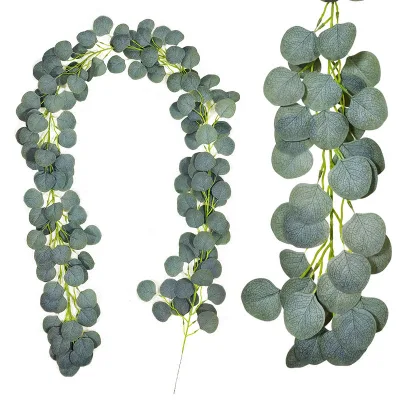
Highly Simulation Ins Style 28cm Green Artificial Leaves for Indoor Decoration
$0.85 - $0.92
MOQ: 500 Pieces


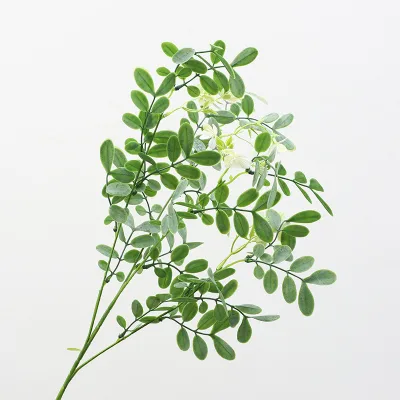
Artificial Green Leaves Cheap Plastic Folaige Artificial Tree Branch and Leaves
$0.57 - $0.69
MOQ: 800 Pieces


Tree Leaf Artificial Leaf Synthetic Leaf Plastic Leaf Tree Leaf Fake Leaf for Decoration
$4.90 - $5.10
MOQ: 1000 Square Meters

Tropical Leaves Decorations Green Artificial Plastic Green Palm Tree Leaf
$0.40 - $0.80
MOQ: 100 Pieces

Green Plant Wall Maple Artificial Leaves for Decoration for Wedding&Home Outside
$0.40 - $0.80
MOQ: 100 Pieces


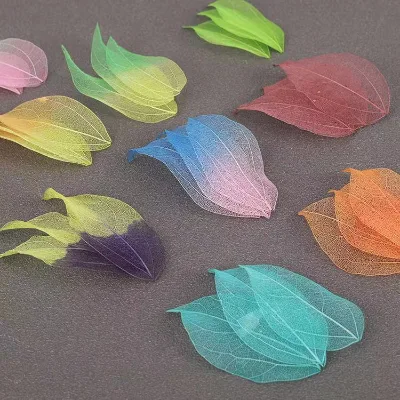
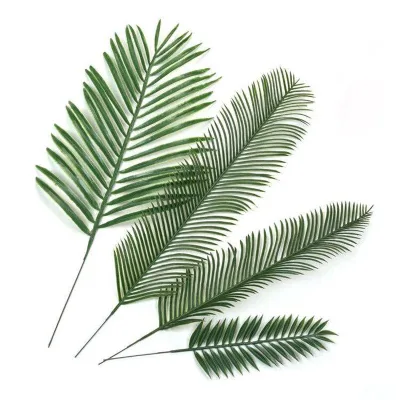
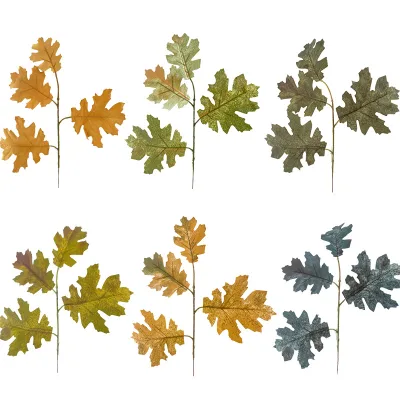
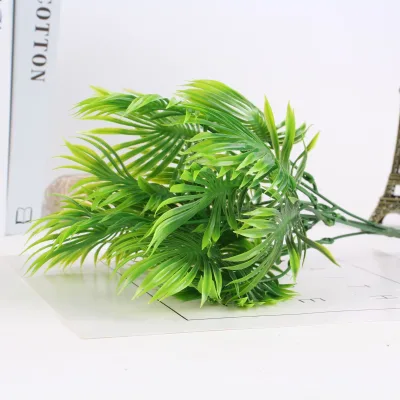
Comprehensive Sourcing Guide
Strategic Sourcing Guide for Artificial Elm Leaves in B2B Procurement
Understanding Product Variants and Material Composition
When sourcing Artificial Elm Leaves, buyers must first navigate the significant variance in material composition and construction methods found in the current market. The core keyword often encompasses a broad spectrum of products, ranging from simple silk-based branches to complex, high-density plastic hedges. Based on observed market data, distinct product categories emerge. One prevalent variant utilizes silk as the primary material, often described as "Natural" and "Environmentally Friendly." These items typically feature a "Handmade" processing method and are designed to mimic the organic texture of real foliage. In contrast, another significant segment of the market relies on PE (Polyethylene) plastic, specifically engineered for durability in outdoor environments. These plastic variants are often marketed as "Artificial Garden Hedges" and are noted for their resistance to corrosion, low temperatures, and high temperatures.
The distinction between these materials is critical for procurement strategy. Silk-based products, such as those labeled as "Artificial Olive Branch" or "Artificial Leaves Branch," are generally optimized for indoor decoration or sheltered outdoor areas where wind and harsh weather are not primary concerns. These items often come in specific sizes, such as 77cm or a range of 60-65cm, and are packaged in cartons or boxes. Conversely, the PE plastic variants are engineered for heavy-duty applications. These products frequently feature specific mesh dimensions, such as 50x25, and are constructed to meet standards like 130gsm. The processing for these items often involves weaving and surface printing to achieve realistic leaf patterns. Buyers must verify the specific material composition before ordering, as the performance characteristics of silk and PE plastic differ drastically in terms of UV resistance and structural integrity.
Technical Specifications and Dimensional Standards
Precision in technical specifications is paramount when ordering artificial foliage, as dimensions directly impact installation feasibility and aesthetic outcomes. The market data reveals a wide range of size specifications that buyers must carefully align with their project requirements. For instance, single-branch products may be specified at a fixed length of 77cm or within a narrow range of 60-65cm. However, larger installation units, such as hedges or fences, often come in modular dimensions. Observed specifications include standard panels of 25x25cm, 50x50cm, 100x100cm, and 100x150cm. Some large-scale fencing solutions may even exceed 5 meters in width, requiring careful logistical planning.
Furthermore, the physical structure of the product involves specific technical details that affect quality. The "Hole Size" for mesh-based products is often listed as less than 20 mesh, which influences the density of the foliage. For woven or printed plastic products, the mesh count can be as specific as 50x25. Buyers should also note that height specifications for certain branch models can range from 61cm to 90cm. It is essential to distinguish between the "Model Number" (e.g., SN-AL, A007) and the physical dimensions, as different models may share similar names but possess vastly different physical attributes. The "Product Standard" for plastic variants is sometimes defined by weight per square meter, such as 130gsm, which serves as a proxy for leaf density and durability. Procurement teams must request detailed dimension sheets for every SKU to ensure compatibility with existing fixtures or architectural plans.
Compliance, Certification, and Safety Verification
In the realm of artificial plant procurement, compliance and certification are often areas where buyers must exercise caution, as explicit certification data is frequently absent from general product listings. While some products are described as "Environmentally Friendly" or made from "Nature" treated wood types, these terms are descriptive observations rather than verified certifications. Buyers should not assume that a product labeled as "Outdoor" or "Corrosion Resistant" automatically meets specific international safety or fire safety standards without independent verification.
When evaluating suppliers, the primary focus should be on verifying the origin and material safety. The majority of observed products originate from China, a hub for manufacturing these goods. However, the specific standards applied during production, such as ISO certifications or fire retardancy ratings (e.g., ASTM E84), are not universally guaranteed by the product descriptions provided. For commercial applications in hotels, restaurants, or public spaces, fire safety compliance is often a legal requirement. Buyers must explicitly request test reports regarding flammability and material toxicity before finalizing orders. Additionally, while some products mention "Pressure Treated Wood Type: Nature," this does not confirm the absence of harmful chemical preservatives. Procurement protocols should include a mandatory request for Material Safety Data Sheets (MSDS) and third-party test results for any product intended for indoor public use or food-service environments.
Cost Drivers and Pricing Dynamics
The pricing structure for Artificial Elm Leaves and related foliage is influenced by a complex interplay of material costs, labor intensity, and order volume. The observed price range in the market spans from $0.08 to $24.00 USD, a variance that reflects the diversity of product types. The lower end of the spectrum typically corresponds to simple, mass-produced plastic branches or basic mesh panels with minimal processing. In contrast, the higher price points are associated with "Handmade" silk products, custom designs, or large-scale fencing systems with high material density.
Order Volume is a significant driver of unit cost. The Minimum Order Quantity (MOQ) varies widely, ranging from 12 units to 1,000 units, with a common standard MOQ of 100 pieces. Buyers purchasing below the standard MOQ may face higher per-unit costs or be required to pay a setup fee. Customization is a key cost factor; while "Customization" is listed as available, any request for custom logos, specific colors, or unique dimensions will likely increase the unit price and extend the lead time. Payment terms also play a role in the financial negotiation, with options including T/T, Western Union, Moneygram, and Paypal. Buyers should factor in the potential for currency fluctuation and shipping costs, which are not included in the base product price but are critical for total landed cost calculations.
Typical Applications and Installation Considerations
The versatility of Artificial Elm Leaves allows them to serve a multitude of applications across various sectors. The observed "Suitable for" categories include Home, Garden, Restaurant, Supermarket, Hotel, and Public spaces. This broad applicability means that procurement strategies must be tailored to the specific environment. For indoor settings like hotels and restaurants, the aesthetic focus is often on realism and texture, making silk-based or high-density plastic options ideal. These products are frequently used for "Decoration" purposes, where the "Artificial Branch" style provides a natural look without the maintenance requirements of live plants.
For outdoor applications, the selection criteria shift toward durability and weather resistance. Products labeled as "Outdoor" use are typically constructed from PE plastic and feature treatments for "Ventilation," "Corrosion Resistance," and resistance to extreme temperatures. These are commonly used for garden fences, privacy screens, and landscaping in public areas. The "Processing" method, whether "Handmade" or "Weave," impacts the installation process. Handmade items may require more careful handling to prevent damage during transport, while woven plastic hedges often come in roll or panel formats that are easier to install over large areas. Buyers must also consider the "Packaging Details," which may include polybags or cartons, to ensure the product arrives undamaged and is easy to unpack on-site.
Supplier Evaluation and Quality Control Protocols
Evaluating suppliers for artificial foliage requires a rigorous approach to quality control, given the variability in manufacturing standards. A critical aspect of supplier evaluation is the verification of the "Lead Time." While some products offer a lead time of 7-15 days, others, particularly those with custom requirements or larger production runs, may require 20-30 days. Buyers must confirm these timelines in writing to avoid project delays. Additionally, the "Lifetime" of the product is a key performance indicator, with some items advertised to last 3-5 years. This lifespan claim should be backed by warranty terms and material specifications.
Quality control should begin with a sample review. Buyers should request physical samples to verify the "Product Standard" (e.g., 130gsm), the accuracy of the "Size" (e.g., 77cm vs. 60-65cm), and the quality of the "Surface Treatment" (e.g., printing clarity). For plastic products, checking the "Plastic Type" (PE) and the flexibility of the mesh is essential to ensure the product can withstand wind and handling. The "Packaging" method, whether "Boxed," "Carton," or "Stretch Film Packing," must be robust enough to prevent crushing or tearing during transit. Furthermore, buyers should assess the supplier's responsiveness to customization requests and their ability to provide consistent quality across batches. A reliable supplier will have clear protocols for handling defects and will provide transparent communication regarding production status.
Long-Term Procurement and Lifecycle Management
Sourcing Artificial Elm Leaves is not merely a one-time transaction but a long-term strategy that involves lifecycle management and maintenance planning. The "Feature" of being "Environmentally Friendly" suggests a potential for sustainability, but buyers must verify the end-of-life disposal options for the materials used. Silk and plastic have different recycling profiles, and this should be considered for corporate sustainability goals. The "Display" function of these products also implies a need for periodic inspection. Over time, even high-quality artificial plants may fade or accumulate dust, requiring cleaning or replacement.
Buyers should establish a relationship with suppliers that offers support for future reorders and replacements. Given the "Customized" nature of many orders, maintaining a consistent supplier is crucial to ensure that replacement parts match the original aesthetic and technical specifications. The "Model Number" (e.g., SN-AL, A007) serves as a unique identifier for future procurement, ensuring that the exact same product can be sourced again. Additionally, buyers should monitor the "Delivery Detail" and "Lead Time" trends, as supply chain disruptions can impact availability. By planning for a 3-5 year lifecycle, as suggested by some product attributes, procurement teams can budget for eventual replacements and ensure a consistent visual environment for their clients or facilities.
FAQs
What materials are used for Artificial Elm Leaves?
Products are typically made from silk or plastic. Silk variants are often handmade and described as natural, while plastic options use PE material for outdoor durability and weather resistance.
How long is the lead time for these products?
Standard lead times range from 7 to 15 days for regular orders. Customized items or larger production runs may require 20 to 30 days for delivery completion.
What is the minimum order quantity for Artificial Elm Leaves?
The standard minimum order quantity is 100 pieces. However, observed ranges in the market can vary from 12 units up to 1000 units depending on the specific supplier and product type.
Which sizes are available for artificial elm branches?
Sizes vary by product type, with branches available at 77cm or within the 60-65cm range. Larger hedge panels often come in standard dimensions like 50x50cm or 100x150cm.
Can these products be used outdoors?
Yes, specific plastic variants are designed for outdoor use. These items feature corrosion resistance and withstand high and low temperatures suitable for garden and public spaces.
What payment methods are accepted for these orders?
Accepted payment methods include T/T, Western Union, Moneygram, and Paypal. Buyers should confirm specific terms with the supplier before finalizing the transaction.
How long do these artificial plants typically last?
The expected lifetime is generally between 3 to 5 years. This duration depends on the material quality and whether the product is used indoors or exposed to outdoor elements.