Source Artificial Flower Ball for Wedding, Bedding, and Landscaping
Compare 30 listings for Artificial Flower Ball options featuring green, spherical designs suitable for wedding layouts, bedding, and landscaping. Buyers can evaluate customization, materials like PP and PE, and packing details from suppliers in China; compare the available evidence and request quotations based on your requirements.
Key considerations
Products List


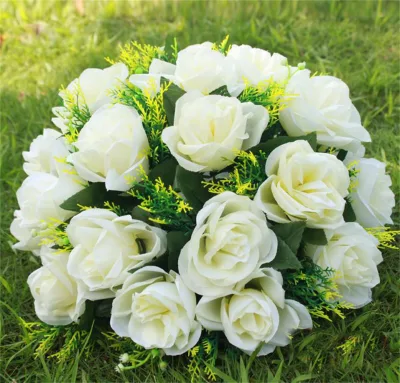
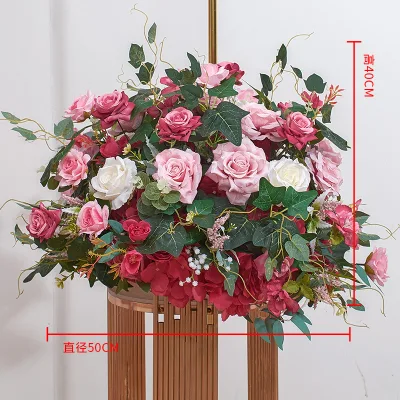
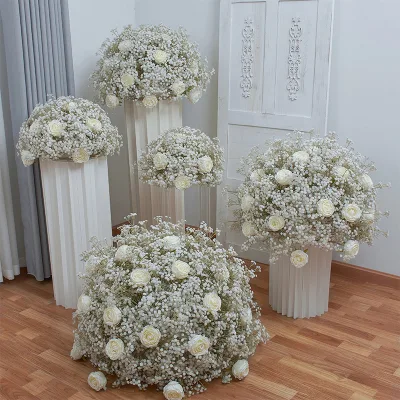
Artificial Flowers Rose Ball Wedding Centerpieces Artificial Silk Flower Ball
$38.59 - $42.78
MOQ: 4 pieces


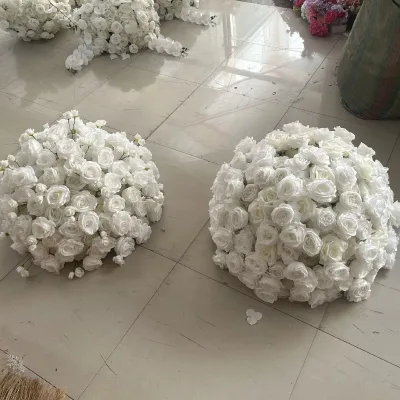


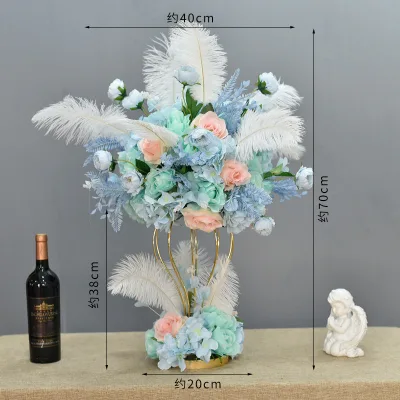


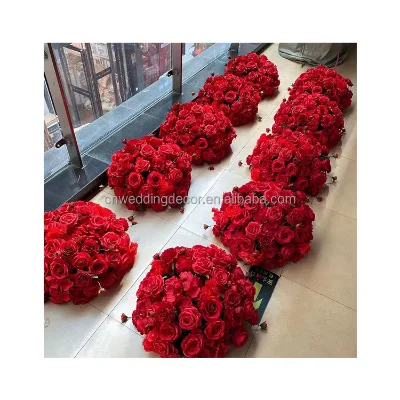



Comprehensive Sourcing Guide
Artificial Flower Ball Sourcing Guide
Buyers evaluating artificial flower balls must first distinguish between decorative spheres and functional landscaping materials, as the supply chain often conflates these distinct categories. The observed market data indicates a significant variance in product attributes, ranging from specific bonsai-style spheres intended for bridal showers to complex ground cloths designed for recreation. This divergence requires procurement teams to rigorously define whether the primary need is aesthetic centerpieces or durable outdoor landscaping solutions before initiating supplier outreach.
Verification of the product's intended application is critical because the manufacturing standards for a 38cm decorative sphere differ vastly from those for a 4x25m roll of artificial turf. While some listings highlight features like "Evergreen" properties and "Absorb Radiation" capabilities, these claims often apply to specific material compositions rather than the finished decorative form. Buyers should prioritize suppliers who can clearly demonstrate the specific usage context, such as bedding layouts or garden applications, to ensure the selected item meets the functional requirements of the project.
Product Scope and Observed Listing Signals
The current market landscape for artificial flower balls presents a wide spectrum of customization options, with many suppliers offering tailored designs to meet specific event or landscaping needs. Observed listings reveal that customization is a standard feature, allowing buyers to specify colors, styles, and dimensions to align with unique project requirements. This flexibility is particularly valuable for large-scale events where a cohesive visual theme is essential, yet it necessitates clear communication regarding the final aesthetic to avoid discrepancies between the sample and the bulk order.
Price and minimum order quantity (MOQ) signals in the market suggest a highly segmented pricing structure, with observed ranges spanning from $0.80 to $93 per unit depending on complexity and material. The MOQ data indicates that while some suppliers accept orders as low as one piece, others require commitments of up to 1000 pieces, with specific listings showing thresholds around 492 units. Buyers must align their order volume with supplier capabilities, as smaller orders may incur higher per-unit costs or require specific single-item selling units, whereas larger volumes might unlock more favorable commercial terms.
Technical Specifications to Verify
Technical due diligence for artificial flower balls requires a granular examination of material composition, specifically the blend of PP and PE fibers which dictates durability and texture. Buyers should verify the yarn form, noting that options like straight cut, curving, or curling significantly impact the visual realism of the finished product. Additionally, the height specification, such as the observed 25mm dimension, must be confirmed against the desired density and fullness of the flower ball to ensure it meets the visual expectations of the end-user.
Dimensional consistency and packing standards are equally critical, as the physical footprint of the product affects logistics and storage planning. Specifications such as carton sizes of 0.76x0.76x0.38m and packing configurations like four pieces per box provide essential data for calculating shipping volumes and handling requirements. Buyers must also confirm the standard dimensions, such as the 38cm reference, to ensure the product fits the intended display space, whether it is a small table centerpiece or a large-scale landscaping installation.
Compliance and Safety Documentation
Safety and regulatory compliance are paramount when sourcing artificial flowers, particularly for applications involving indoor events or public spaces where fire safety and material toxicity are concerns. Buyers should request documentation confirming adherence to international standards, as some listings explicitly mention certifications like RoHS and CE, which indicate compliance with environmental and safety directives. These certifications are essential for verifying that the materials used, including the PP and PE components, do not release harmful substances during normal use or in the event of a fire.
For products intended for outdoor use or those incorporating lighting elements, additional safety checks regarding electrical components and weather resistance are necessary. Listings indicating features like LED lamps, solar light sources, and specific IP ratings suggest that some artificial flower balls may include integrated lighting systems. Procurement teams must verify the voltage specifications, such as 1.2V or 2.4V, and ensure that the battery types, like Ni-MH, are safely integrated and that the product meets the necessary illumination time requirements for the intended duration of use.
Cost Drivers and Commercial Terms
The total cost of ownership for artificial flower balls is influenced by several factors beyond the base unit price, including the complexity of customization and the specific material grade selected. High-grade materials described as "International Class" or those with specialized yarn shapes like monofilament often command a premium, reflecting the enhanced durability and aesthetic quality. Buyers should analyze the cost implications of these material choices against the project budget, ensuring that the selected grade provides sufficient longevity for the expected lifespan of the installation.
Commercial terms, including packaging and shipping logistics, play a significant role in the final cost structure and must be negotiated carefully. The observed packing methods, ranging from individual boxes to rolls, directly impact the cubic meter (CBM) calculations and freight charges, with specific data points like 0.219 CBM per piece providing a baseline for estimation. Additionally, the origin of the product, whether from Guangzhou, Henan, or Jiangsu, can influence lead times and shipping costs, requiring buyers to factor these logistical variables into their overall procurement strategy.
Supplier Qualification and Quality Control
Supplier qualification for artificial flower balls requires a thorough assessment of their manufacturing capabilities and quality control processes, particularly regarding the "True" feeling and realistic appearance of the product. Buyers should request samples to verify the tactile quality and visual fidelity, ensuring that the hand-woven techniques or other manufacturing methods produce the desired effect. It is essential to confirm that the supplier can consistently replicate the observed attributes, such as the specific color options and style variations, across the entire order volume.
Quality control protocols must also address the consistency of the product's physical properties, including the ground cloth complexity and the uniformity of the yarn length. Suppliers should demonstrate their ability to maintain strict standards for product dimensions and material integrity, as inconsistencies can lead to significant issues during installation or display. Buyers should establish clear acceptance criteria based on the observed specifications, such as the 3/8 inch row spacing or the specific carton dimensions, to ensure that the delivered goods meet the project's rigorous quality expectations.
Long-Term Procurement Checks
Sustaining a successful procurement relationship for artificial flower balls involves regular performance reviews and ongoing verification of supplier capabilities over time. Buyers should monitor the supplier's ability to maintain consistent quality and delivery schedules, especially when reordering customized items that may require specific production runs. Establishing a feedback loop for any deviations in product attributes, such as changes in color or material texture, helps ensure that the supplier remains aligned with the evolving needs of the project.
Long-term checks should also include an evaluation of the supplier's adaptability to new market trends and technological advancements in artificial plant manufacturing. As the industry evolves, suppliers may introduce new materials or lighting technologies that could enhance the product's value proposition. Buyers should remain engaged with their suppliers to stay informed about these developments, ensuring that their procurement strategy remains competitive and that the artificial flower balls continue to meet the highest standards of quality and functionality.
FAQs
What materials are used for artificial flower balls?
The artificial flower balls are crafted from PP and PE materials to ensure durability and a realistic appearance. These synthetic components allow for versatile styling in various decorative settings. The products are classified as artificial flowers with an evergreen feature, making them suitable for long-term display without maintenance or wilting concerns for buyers.
Can these artificial flowers be customized for specific events?
Yes, customization is available for these artificial flower balls to meet specific event requirements. Buyers can request tailored designs for occasions such as weddings, bridal showers, or party centerpieces. The products support various styles including bonsai and spherical flower shapes, allowing for personalized decorative solutions that align with unique thematic needs and branding preferences.
What is the minimum order quantity for these products?
The minimum order quantity for these artificial flower balls is 492 pieces. This MOQ applies to the standard product listings available from suppliers in China. Buyers should consider this threshold when planning bulk purchases for large-scale events or retail inventory. The selling unit is listed as a single item, but packaging typically groups four pieces per box for efficient handling.
Where are these artificial flower balls manufactured?
These artificial flower balls are manufactured in China, with specific origins noted in Guangzhou, Henan, and Jiangsu provinces. Different product models may originate from these distinct regions, reflecting varied production capabilities. Buyers can source products from these locations, ensuring access to established manufacturing hubs known for producing high-quality artificial floral decorations and landscaping materials.
What certifications do the artificial flower products hold?
The artificial flower products hold RoHS and CE certifications, indicating compliance with international safety and environmental standards. These certifications assure buyers of the product's quality and regulatory adherence. The materials used, such as PP and PE, are processed to meet these standards, providing confidence for use in sensitive environments like weddings, bedding layouts, and public landscaping projects.
How are the artificial flower balls packaged for shipping?
The artificial flower balls are packaged in carton boxes, with specific models containing four pieces per box. This packaging method ensures safe transport and efficient storage for buyers. The carton size is specified as 0.76 by 0.76 by 0.38 meters, and the CBM per piece is 0.219. This standardized packing facilitates logistics planning and reduces the risk of damage during transit.