Find Asphalt Dynamic Shear Rheometer for Lab Testing, Quality Control, and Research
Source 30 Asphalt Dynamic Shear Rheometer units from verified suppliers in China. Compare specifications like torque range, temperature control, and accuracy to find the right equipment for asphalt lab testing and quality control applications.
Key considerations
Products List


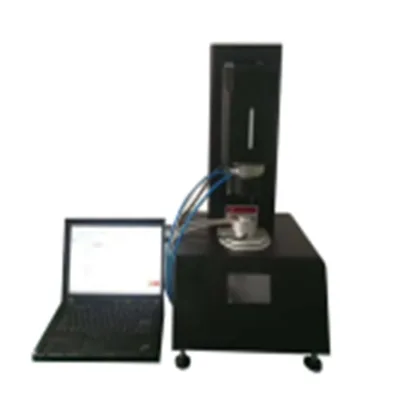


ASTMP246 Dynamic Shear Rheometer DSR for Measuring the Rheological Properties
$41000.00 - $45500.00
MOQ: 1 Pieces

Bending Beam Rheometer Asphalt Analyzer(BBR) Bituminous Mixtures Beam Rheometer
$22000.00 - $26000.00
MOQ: 1 Pieces

High Quality Digital Automatic Bitumen Asphalt Bending Beam Rheometer
$16000.00 - $26000.00
MOQ: 1 Pieces

Dynamic Shear Rheometer Asphalt Laboratory Rubber Valkameter Rotorless Rheometer
$4255.00 - $4555.00
MOQ: 1 Pieces


Aashto T315-2012 (R2016) Automatic Laboratory Asphalt Bitumen Dynamic Shear Rheometer
$40000.00 - $45000.00
MOQ: 1 Pieces

Hot Sell Asphalt Bituminous Mixtures Bending Creep Beam Rheometer Tester Beam Rheometer
$20000.00 - $25000.00
MOQ: 1 Pieces

ASTM Asphalt Bituminous Mixtures Bending Creep Strain Rate Beam Rheometer Tester
$20000.00 - $25000.00
MOQ: 1 Pieces

Asphalt Bitumen Petroleum Dynamic Viscometer Vacuum Viscosity Tester
$3500.00 - $5000.00
MOQ: 1 Pieces


ASTM P246 Dsr Rheological Properties Asphalt Dynamic Shear Rheometer
$39000.00 - $39990.00
MOQ: 1 Sets


Bitumen Smooth Viscosity Shear Tester Is Used for Rutting and Fatigue Resistance
$13500.00 - $14280.00
MOQ: 1 Sets


Comprehensive Sourcing Guide
Strategic Sourcing Guide for Asphalt Dynamic Shear Rheometers
Understanding Core Technical Specifications and Operational Parameters
When sourcing an Asphalt Dynamic Shear Rheometer (DSR), buyers must first establish a clear understanding of the device's fundamental technical architecture. The primary function of this equipment is to evaluate the viscoelastic properties of asphalt binders under controlled temperature and loading conditions. Based on the observed market data, the target equipment typically features a digital display interface, which allows operators to monitor real-time data during complex testing sequences. The power requirements for these units are generally standardized, with many models operating on an AC220V supply at 50Hz, ensuring compatibility with standard industrial power grids in regions like China and Europe.
The mechanical design of the rheometer is critical for accurate data acquisition. The loading method is predominantly electronic, providing precise control over the applied stress or strain. A key observation in the current market is the variation in the oil cylinder position, with many units designed with an under-positioned configuration to optimize stability and reduce vibration interference. The weight capacity of the workpiece is a significant differentiator; while some models support a mass scope up to 900kg, others are designed for lighter laboratory samples with a weight range of 0-100kg. Buyers must verify the specific load capacity required for their testing protocols, as the maximum capacity of the system often dictates the size of the workpiece it can handle, with some units supporting a maximum diameter of 500mm.
Accuracy is the most vital performance metric for any rheometer. The market offers units with varying accuracy classes, ranging from standard to high accuracy. Specific observed data indicates an accuracy range of 0.1% to 0.5% Full Scale (FS), which is essential for meeting rigorous laboratory standards. The torque range is another critical specification, with observed models covering a span from 0.001 to 200 mNm, allowing for the testing of both stiff and soft asphalt binders. Furthermore, the rotational speed capabilities are extensive, with some units offering a range from 0.01 to 2850 revolutions per minute, and an angular velocity range extending up to 300 rad/s. These parameters ensure the equipment can simulate a wide variety of traffic and environmental conditions.
Compliance, Certification, and Environmental Standards
Ensuring that the Asphalt Dynamic Shear Rheometer meets international and local compliance standards is a non-negotiable step in the procurement process. The equipment must adhere to specific safety and operational standards to guarantee user safety and data integrity. One of the primary environmental protection requirements is the Protection Class (IP rating). Market observations reveal units with IP57 and IP67 ratings, indicating varying degrees of protection against dust and water ingress. An IP67 rating suggests the device is dust-tight and can withstand temporary immersion in water, which is beneficial for laboratories where cleaning or humidity control is a concern. Buyers should explicitly verify the IP rating required for their specific facility environment.
In terms of operational standards, the equipment often references specific dimensional or structural standards, such as 300300450mm, which may relate to the footprint or internal chamber dimensions. The production origin is a significant factor in compliance, with major manufacturing hubs located in Hunan and Shandong, China. While the place of origin does not inherently dictate quality, it provides context for the supply chain and potential logistical considerations. Buyers must also check for any specific industry certifications that validate the equipment's performance claims. Although specific certification bodies are not universally listed for every model, the presence of "High Accuracy" classification and computer control systems suggests adherence to advanced engineering standards.
The warranty period is another critical compliance and risk management metric. Observed data indicates a standard warranty duration of 2 years for many units. This period covers potential manufacturing defects and provides a baseline for supplier accountability. Buyers should scrutinize the warranty terms to understand what components are covered, such as the torque sensor, heating system, or control software. Additionally, the equipment must support the necessary testing protocols, including application testing and asphalt-specific testing, which are often integral to the device's functionality. The ability to perform these tests reliably is a prerequisite for regulatory compliance in road construction and material science.
Cost Drivers and Pricing Structure Analysis
The pricing of asphalt dynamic shear rheometers is influenced by a complex interplay of technical specifications, customization options, and supply chain factors. The observed price range in the market is substantial, spanning from approximately $512.42 to $90,000. This wide variance reflects the difference between basic laboratory models and high-end, fully automated systems with advanced computer control and extensive data logging capabilities. The lower end of the price spectrum typically corresponds to units with standard features, while the higher end includes models with enhanced accuracy, broader torque ranges, and specialized accessories.
Customization is a primary driver of cost in this sector. Many suppliers offer ODM (Original Design Manufacturer) and OEM (Original Equipment Manufacturer) support, allowing buyers to tailor the equipment to specific laboratory requirements. Features such as customized test plates, specific voltage configurations, or unique software interfaces can significantly increase the base price. The "Customization: Available" attribute suggests that buyers can negotiate specific configurations, which may impact the final cost. Additionally, the inclusion of advanced features like electronic power sources, digital displays, and high-precision sensors contributes to the overall price point.
Packaging and logistics also play a role in the total cost of ownership. The standard export packing often involves plywood cases, which provide robust protection during international shipping. The single gross weight of the equipment, observed at 68.000 kg for some models, influences shipping costs and handling requirements. Buyers should factor in the cost of specialized freight services, as the equipment is heavy and requires careful handling to prevent damage. The "discounted product" attribute indicates that promotional pricing may be available, but buyers must verify if these discounts apply to the specific configuration they require or if they are limited to standard models.
Typical Applications and Laboratory Integration
The Asphalt Dynamic Shear Rheometer is a cornerstone instrument in civil engineering laboratories, specifically for the characterization of asphalt binders. Its primary application lies in the evaluation of high-temperature and intermediate-temperature performance, which is crucial for predicting pavement rutting and fatigue cracking. The device is designed to perform application testing and asphalt testing, providing data that informs the selection of binders for different climate zones and traffic loads. The temperature range of the equipment, observed between 3°C and 88°C, allows for comprehensive testing across a wide spectrum of environmental conditions.
Integration into a laboratory workflow requires careful consideration of the equipment's footprint and utility requirements. The single package size of 55x55x55 cm and the standard export packing dimensions suggest that the equipment is modular and can be installed in standard laboratory spaces. The power supply requirements of 220V, 50Hz are compatible with most industrial and commercial facilities, simplifying the installation process. The electronic load and dynamic load capabilities ensure that the rheometer can be seamlessly integrated into automated testing sequences, reducing manual intervention and increasing throughput.
The versatility of the equipment is further enhanced by its ability to handle various test plates, with options for 1 pair of 8mm and 1 pair of 25mm plates, which can be customized. This flexibility allows laboratories to conduct a wide range of tests, from simple viscosity measurements to complex dynamic shear modulus evaluations. The rotating speed range of 0.01 to 2850 r/min provides the necessary control to simulate different loading frequencies, making the rheometer suitable for both research and quality control applications. The "new arrival" and "feature" attributes suggest that the market is continuously evolving with new models that offer improved performance and user interfaces.
Supplier Evaluation and Brand Verification
Selecting the right supplier for an Asphalt Dynamic Shear Rheometer requires a thorough evaluation of their reputation, technical capabilities, and after-sales support. The market features several prominent brands, including LANGSHUO, Lonroy, and SSEDU, each offering distinct product lines. While the specific brand name does not guarantee quality, it provides a reference point for the buyer to research the manufacturer's history and product portfolio. The "Brand Name" and "Brand" attributes indicate that these manufacturers are established players in the industry, offering products that are recognized in the global market.
When evaluating suppliers, buyers should look for evidence of customization capabilities, such as ODM and OEM support. This indicates that the supplier is willing to collaborate on product development and can tailor the equipment to meet specific client needs. The "Customization: Available" attribute is a strong indicator of a supplier's flexibility and technical expertise. Additionally, the warranty period of 2 years is a standard benchmark for supplier confidence in their products. Buyers should verify the terms of the warranty, including the scope of coverage and the process for claiming repairs or replacements.
The place of origin, specifically Hunan and Shandong in China, provides insight into the manufacturing base of the equipment. These regions are known for their industrial capabilities and have a strong presence in the machinery manufacturing sector. Buyers should assess the supplier's logistics capabilities, including their ability to handle export packaging and shipping. The "Standard Exporting Packing" and "Plywood Case" attributes suggest that suppliers are experienced in international trade and understand the requirements for safe transportation.
Quality Control and Long-Term Procurement Considerations
Quality control is paramount when procuring high-precision laboratory equipment like the Asphalt Dynamic Shear Rheometer. Buyers must ensure that the equipment undergoes rigorous testing before shipment. The "Lab Testing, Laboratory: Application Testing" attribute indicates that the equipment is subjected to functional testing to verify its performance. However, buyers should request detailed test reports and calibration certificates to confirm that the unit meets the specified accuracy and performance standards. The accuracy range of 0.1% to 0.5% FS should be validated through independent testing or third-party verification.
Long-term procurement considerations include the availability of spare parts, software updates, and technical support. The "Electronic Power" and "Digital Display" features suggest that the equipment relies on advanced electronics and software, which may require periodic maintenance or upgrades. Buyers should inquire about the supplier's policy on software support and the availability of replacement parts for critical components like torque sensors and heating elements. The "Warranty: 2 years" provides a baseline for support, but buyers should consider the long-term costs of ownership, including maintenance contracts and potential downtime.
The "Dynamic Shear Rheometer: Asphalt Lab Equipment" classification highlights the specialized nature of the product. Buyers should ensure that the supplier has a deep understanding of asphalt testing protocols and can provide guidance on best practices for equipment operation. The "Test plate" customization options and "Rotating speed" ranges offer flexibility, but buyers must verify that the equipment can be adapted to future testing requirements. The "Single gross weight" and "Single package size" are important for planning the installation and maintenance logistics, ensuring that the equipment can be safely moved and serviced within the laboratory environment.
Final Procurement Strategy and Decision Framework
To conclude the sourcing process, buyers should adopt a structured decision framework that balances technical requirements, cost, and supplier reliability. The first step is to define the specific testing needs, including the required temperature range, torque range, and accuracy specifications. Once these parameters are established, buyers can narrow down the list of potential suppliers based on their ability to meet these technical criteria. The observed price range of $512.42 to $90,000 suggests that there are options for various budget levels, but buyers should prioritize value over the lowest price to ensure long-term reliability and performance.
Supplier evaluation should include a review of their customization capabilities, warranty terms, and after-sales support. The presence of ODM and OEM support indicates a supplier's willingness to collaborate, while a 2-year warranty provides a baseline for risk management. Buyers should also verify the supplier's experience in the asphalt testing industry and their ability to provide technical guidance. The "Place of Origin" and "Brand Name" attributes can serve as initial filters, but the final decision should be based on a comprehensive assessment of the supplier's overall capabilities.
Finally, buyers should plan for the long-term ownership of the equipment, considering factors such as maintenance, spare parts availability, and software updates. The "Standard Exporting Packing" and "Plywood Case" attributes suggest that the equipment is designed for safe transportation, but buyers should verify the specific packaging requirements for their location. By following a disciplined procurement strategy that emphasizes technical verification, supplier evaluation, and long-term planning, buyers can secure a high-quality Asphalt Dynamic Shear Rheometer that meets their laboratory's needs and supports their research and quality control objectives.
FAQs
What is the maximum diameter of the workpiece for this rheometer?
The maximum diameter of the workpiece is 500mm. This specification allows the device to accommodate standard asphalt sample sizes used in laboratory testing environments.
Can the equipment operate with an AC220V power source?
Yes, the power source is AC220V. This voltage requirement ensures compatibility with standard industrial power grids in regions like China and Europe for seamless operation.
Which accuracy class does the Asphalt Dynamic Shear Rheometer offer?
The device features a high accuracy class with a range of 0.1% to 0.5% FS. This precision is essential for meeting rigorous laboratory standards in material testing.
How is the oil cylinder positioned in the machine design?
The oil cylinder is positioned under the main unit. This under-positioned configuration optimizes stability and reduces vibration interference during complex testing sequences.
What is the temperature range for the asphalt testing application?
The temperature range spans from 3 to 88 degrees Celsius. This range allows for comprehensive testing across a wide spectrum of environmental conditions relevant to pavement performance.
Which protection class rating does the device have for dust and water?
The device has a protection class of IP67. This rating indicates the unit is dust-tight and can withstand temporary immersion in water for laboratory cleaning needs.
Can buyers request customization for the test plates?
Yes, customization is available for test plates. Buyers can specify options like 1 pair of 8mm and 1 pair of 25mm plates to suit specific testing protocols.