Source Asphalt Paint Digital Viscometer for Lab and Plant
Find 30 Asphalt Paint Digital Viscometer options from Chinese manufacturers. Compare rotary models with varying temperature control ranges, rotor speeds, and sample tube dimensions to select the right tool for quality assurance and viscosity testing; compare the available evidence and request quotations based on your requirements.
Key considerations
Products List
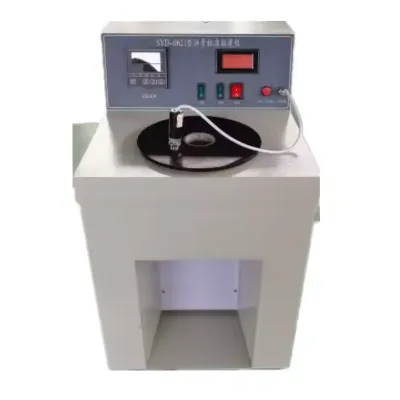


Bitumen Petroleum Asphalt Dynamic Viscosity Tester Viscometer Machine
$2500.00 - $4000.00
MOQ: 1 Pieces

Asphalt Bitumen Petroleum Dynamic Viscometer Vacuum Viscosity Tester
$3500.00 - $5000.00
MOQ: 1 Pieces


High Tempertaure Digital Rotating Asphalt Brookfield Rotational Viscometer
$450.00 - $550.00
MOQ: 1 Pieces


Comprehensive Sourcing Guide
Asphalt Paint Digital Viscometer Sourcing Guide
Procuring a digital asphalt paint viscometer requires distinguishing between general rotational units and specialized instruments designed for high-viscosity bitumen applications. The market offers devices with varying temperature control ranges, typically spanning from room temperature up to 100°C, which is critical for maintaining the fluidity of asphalt samples during testing. Buyers must verify that the specific unit selected matches the viscosity range of their intended materials, as some models are optimized for Newtonian liquids while others handle the complex rheology of asphalt oils.
Selection should also account for the physical dimensions and weight of the equipment, as these factors influence laboratory integration and shipping logistics. Observed listings indicate units with operating weights around 35kg and overall dimensions near 400x400x600mm, necessitating adequate bench space and structural support. Furthermore, the presence of specific components like annular water tanks with defined inner diameters and depths is essential for ensuring uniform thermal distribution during the measurement process.
Product Scope and Observed Listing Signals
The available product scope includes digital rotational viscometers featuring electronic power supplies and precise temperature control mechanisms. Listings frequently highlight models with specific sample tube dimensions, such as an inner diameter of 40mm and a depth of 105mm, which are standard for holding asphalt specimens. These instruments often come with customizable support options like OEM branding, allowing procurement teams to align the equipment with their internal laboratory standards and branding requirements.
Buyers should note the variation in model numbers and specifications across different suppliers, ranging from SDY-0621 to Zl-1301 and STDN-3. While some units display a single package size of 56x46x63 cm, others may utilize different packing standards like export wooden cases. It is vital to cross-reference the listed price range of 200 to 12,000 USD with the specific features provided, ensuring that the cost reflects the actual accuracy, rotor specifications, and temperature control capabilities required for your specific testing protocols.
Technical Specifications to Verify
When evaluating technical specifications, the temperature control accuracy is a primary differentiator, with observed values ranging from ±0.1°C to ±0.5°C depending on the model. High-precision applications demand units capable of maintaining a thermostatic bath within tight tolerances, often specified as 160mm×100mm for the bath dimensions. Buyers must confirm that the device supports the necessary rotor speeds, such as 6, 12, 30, or 60 RPM, to accurately measure the shear rates required for asphalt viscosity analysis.
The power supply and heating power are also critical technical parameters that must align with laboratory infrastructure. Most units operate on a 220V 50Hz power supply with a heating power of 500W, but verification is necessary to ensure compatibility with local electrical standards. Additionally, the testing range, which can extend up to 10MPa.S-1X10⁵MPa.S, must be sufficient for the specific asphalt grades being tested, and the basic error for Newtonian liquids should be confirmed to be within acceptable limits, typically around ±1%.
Compliance and Safety Documentation
Compliance documentation for these instruments often includes references to industry standards, though specific certification status must be verified directly with the supplier. While general category knowledge suggests adherence to standards like ASTM D7226 or ASTM D445, the supplied product facts do not explicitly confirm these certifications for every listed unit. Procurement teams should request explicit test reports or compliance certificates to ensure the device meets the regulatory requirements of their specific region or project specifications.
Safety features are inherent in the design of these digital viscometers, particularly regarding the electrical components and heating elements. The devices typically feature digital displays and manual or electronic control systems that minimize operator exposure to high temperatures. However, buyers should verify the presence of safety interlocks and ensure that the power supply specifications, such as the 220V requirement, are compatible with the facility's electrical safety protocols to prevent operational hazards.
Cost Drivers and Commercial Terms
The cost of a digital asphalt viscometer is driven by several factors, including the precision of the temperature control, the quality of the rotor specifications, and the overall build quality. Units with higher accuracy, such as those with temperature control precision of ±0.02°C, generally command a higher price point within the observed 200 to 12,000 USD range. Additionally, the inclusion of specialized accessories like multiple rotor sets or custom packaging can significantly influence the final commercial terms.
Commercial terms often involve a minimum order quantity of one unit, allowing for flexible procurement strategies. Buyers should carefully review the warranty provisions, which are typically offered for one year, and understand the scope of coverage for electronic components and mechanical parts. It is also essential to clarify the shipping terms, as the single gross weight of approximately 35.5kg and the specific packaging requirements, such as carton or wooden case packing, will impact logistics costs and delivery timelines.
Supplier Qualification and Quality Control
Supplier qualification should focus on the manufacturer's location and their ability to provide consistent product quality. The observed listings indicate origins in regions like Hebei and Guangdong Province, China, which are known for manufacturing industrial testing equipment. Buyers should verify the supplier's track record in producing digital viscometers and ensure they have the capacity to support customization requests, such as OEM branding or specific rotor configurations.
Quality control processes are critical to ensuring that the delivered units meet the specified technical parameters. Suppliers should demonstrate a robust quality assurance system that includes testing for temperature accuracy, rotor speed consistency, and overall dimensional stability. Buyers are advised to request sample units or detailed test data to validate the performance claims before committing to a larger order, ensuring that the equipment will perform reliably in long-term laboratory operations.
Long-Term Procurement Checks
Long-term procurement success depends on establishing a reliable supply chain for spare parts and maintenance support. The availability of replacement rotors, specifically the No. 1, 2, 3, and 4 rotors, is essential for maintaining the operational lifespan of the viscometer. Buyers should confirm the supplier's ability to provide these components promptly to minimize downtime and ensure continuous testing capabilities in the laboratory.
Regular calibration and performance verification are necessary to maintain the accuracy of the digital viscometer over time. The timing precision, which can be as high as ≤0.05%, and the pressure range capabilities must be periodically checked against known standards. Establishing a schedule for routine maintenance and recalibration will help preserve the integrity of the test data and ensure that the instrument remains compliant with industry standards throughout its operational life.
FAQs
What is the temperature control accuracy of the viscometer?
The temperature control accuracy is plus or minus 0.1 degrees Celsius for the Festar model. This precision ensures reliable viscosity measurements within the 10 to 100 degree Celsius operating range for asphalt testing applications.
Can the product be customized with OEM support?
Yes, the digital asphalt standard viscometer offers customized support including OEM options. Buyers can request specific modifications to meet their unique testing requirements while maintaining the core functionality of the rotary viscometer system.
What is the operating weight of the digital viscometer?
The operating weight of this unit is 35 kilograms. This weight includes the main body and the annular water tank, ensuring stability during rotational viscosity testing of asphalt and oil samples in laboratory settings.
Which rotor speeds are available for testing?
The device supports rotor speeds of 6, 12, 30, and 60 revolutions per minute. These multiple speed options allow for accurate measurement across different viscosity ranges using the specified No. 1 through 4 rotors.
How is the product packaged for shipping?
The product is packaged in carton packaging or an export wooden case depending on the specific model. This ensures safe transport of the 35.5 kilogram gross weight unit from the Hebei or Guangdong origin locations.
What is the warranty period for the viscometer?
The warranty period for this digital rotational viscometer is one year. This coverage applies to the electronic power supply and temperature control systems to protect buyers against manufacturing defects during the initial usage phase.
What is the power supply requirement for operation?
The device requires a 220V 50Hz power supply for standard operation. This electronic power source ensures compatibility with typical laboratory electrical systems while supporting the thermostatic bath and digital display functions effectively.