Source Auto Hood Latch for Cars, Trucks, and SUVs
Find 30 Auto Hood Latch options from Chinese suppliers. Compare mechanical locks, sheet metal parts, and OEM replacements for various vehicle models. Evaluate customization, packing, and delivery times to select the right component for your needs; compare the available evidence and request quotations based on your requirements.
Key considerations
Products List


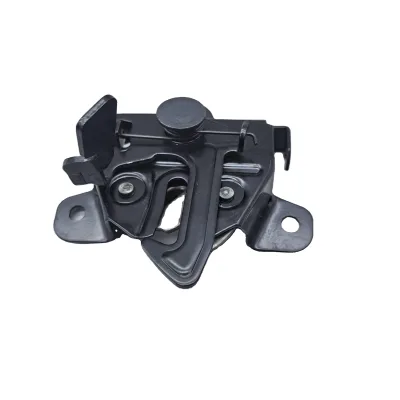


Car Trunk Latch Auto Rear Trunk Lock Release Handle Switch for 25380-1la0a
$22.00 - $25.00
MOQ: 10 Pieces

Trunk Latch for 15798062 Car Tailgate Trunk Boot Switch Handle Cover Replacement
$22.00 - $25.00
MOQ: 10 Pieces


Comprehensive Sourcing Guide
Auto Hood Latch Sourcing Guide
Procurement professionals must first distinguish between mechanical locking mechanisms and complex electronic systems when sourcing auto hood latches. The available market data indicates a strong presence of mechanical lock types designed for specific vehicle models, including Korean car models, which often require precise thread compatibility. Buyers should verify that the selected component matches the American Thread standard or other regional specifications to ensure proper fitment without modification.
The product scope also encompasses specialized sheet metal stamping parts that serve as the structural foundation for these locking assemblies. While some listings highlight customization options for color and packaging, the core function remains the secure closure of the vehicle hood. Sourcing strategies should prioritize suppliers who explicitly offer OEM services, ensuring that the replacement parts meet the original equipment manufacturer's dimensional and functional requirements for heavy-duty applications.
Product Scope and Observed Listing Signals
Market observations reveal a diverse range of product attributes, from specific model numbers like A17-15553-001 to generic descriptions of customized sheet metal parts. Buyers must carefully cross-reference the listed product name with the actual component type, as some entries describe fuel cap locks or heavy-duty clamps rather than the primary hood latch mechanism. This distinction is critical to avoid purchasing incompatible hardware that fails to address the specific repair or replacement needs of the target vehicle.
Listing signals also vary significantly regarding packaging and origin, with some products originating from Zhejiang or Hebei regions and others from general Chinese manufacturing hubs. The observed price range spans from 0.2 to 71.3 USD, reflecting differences in material quality, such as plastic versus metal construction, and the level of customization provided. Procurement teams should analyze these signals to identify suppliers capable of delivering high-quality, new condition parts that align with the intended application, whether for standard replacement or specialized fabrication.
Technical Specifications to Verify
Technical verification begins with confirming the lock core type and theft-proof performance, as these attributes directly impact vehicle security and user safety. The available data points to A Class theft-proof performance and American Thread lock cores, which are essential for ensuring the latch engages securely under various driving conditions. Buyers must validate that the specific model number, such as 81130-0Q500, corresponds to the exact vehicle make and model to prevent installation errors or premature failure.
Dimensional and material specifications are equally critical, with observed listings indicating metal construction for heavy-duty usage and specific dimensions like 16x15x5 cm for single packages. The weight of the assembly, noted as 73 grams per set in some contexts, serves as a baseline for quality assessment, though variations exist based on the inclusion of components like catches and strikers. Sourcing decisions should rely on detailed technical drawings and material certifications to ensure the part can withstand the mechanical stresses of repeated opening and closing cycles.
Compliance and Safety Documentation
While specific certification statuses like CE or REACH are mentioned in background data, buyers must treat these as potential attributes rather than guaranteed standards for every listed product. It is imperative to request explicit compliance documentation from the supplier to confirm that the Auto Hood Latch meets the safety regulations of the destination market. Without verified test results or standard certifications, the risk of non-compliance increases, potentially leading to legal liabilities or safety recalls for the end-user.
The standard for the product is often listed as "Customized" or "Standard," requiring direct communication with the supplier to clarify the specific engineering standards applied during manufacturing. Buyers should demand proof that the locking mechanism adheres to relevant automotive safety standards, particularly regarding the strength of the latch and the reliability of the release mechanism. Ensuring that the product meets these rigorous safety benchmarks is essential for maintaining the integrity of the vehicle's safety systems and protecting occupants.
Cost Drivers and Commercial Terms
Cost structures for auto hood latches are influenced by material selection, customization levels, and the complexity of the manufacturing process. Metal components generally command higher prices than plastic alternatives, and the inclusion of OEM services or specific color customization can further drive up the unit cost. Buyers should analyze the total cost of ownership, including shipping expenses via sea, air, or courier services, to determine the most economical sourcing strategy for their specific volume requirements.
Commercial terms such as minimum order quantity (MOQ) and delivery lead times vary widely, with some suppliers offering low MOQs of just two pieces while others require orders up to 1000 units. The observed delivery time of 7-15 days suggests a relatively quick turnaround for standard items, but customized orders may require extended lead times. Procurement teams must negotiate clear terms regarding payment, shipping, and potential penalties for delays to mitigate supply chain risks and ensure timely project completion.
Supplier Qualification and Quality Control
Supplier qualification should focus on verifying their capacity for OEM sheet metal fabrication and their track record in producing high-quality replacement parts. The presence of strong capacity indicators and professional service descriptions suggests a potential for reliable production, but buyers must conduct due diligence to confirm these claims through site audits or third-party assessments. Establishing a relationship with a supplier who understands the nuances of automotive latch mechanics is crucial for maintaining consistent product quality.
Quality control protocols must be rigorously enforced, with a focus on inspecting the condition of the parts to ensure they are new and free from defects. The observed attributes of high quality and neutral packing indicate a standard approach, but buyers should implement incoming inspection procedures to verify the integrity of the catch and striker components. Regular quality checks and clear communication channels with the supplier will help identify and resolve any production issues before they impact the final assembly or vehicle safety.
Long-Term Procurement Checks
Sustaining a successful procurement relationship requires ongoing monitoring of supplier performance and product consistency over time. Buyers should establish key performance indicators to track delivery reliability, defect rates, and responsiveness to quality issues, ensuring that the auto hood latches continue to meet the required specifications. Regular reviews of the supply chain will help identify potential disruptions and allow for proactive adjustments to the sourcing strategy.
Long-term checks also involve evaluating the supplier's ability to adapt to changing market demands and technological advancements in automotive locking systems. As vehicle designs evolve, the need for updated latch models or enhanced security features may arise, requiring a supplier with the flexibility to innovate and customize their offerings. Maintaining a strategic partnership with a qualified supplier ensures a steady supply of reliable components and supports the long-term operational efficiency of the automotive repair or manufacturing business.
FAQs
What materials are used for Auto Hood Latch parts?
Auto Hood Latch components are typically manufactured from durable plastic or metal to ensure longevity and resistance to environmental wear. The specific material choice depends on the application, with plastic options offering lightweight properties and metal variants providing enhanced strength for heavy-duty clamping requirements in various automotive models.
Can I get customized colors for these latch components?
Yes, customized colors are available for these sheet metal stamping parts and latch components. Suppliers offer OEM services that allow buyers to specify exact color requirements to match vehicle aesthetics. This customization ensures that the replacement parts blend seamlessly with the existing vehicle bodywork while maintaining functional integrity.
What is the typical lead time for delivery?
The typical delivery time for these automotive parts ranges from 7 to 15 days. This timeframe allows for efficient processing and shipping via various methods including sea, air, DHL, FedEx, UPS, and other logistics providers. Buyers should confirm specific timelines with suppliers based on order volume and shipping destination.
Which car models are compatible with these latches?
These latches are designed for compatibility with Korean car models and other specific automotive applications. The parts serve as replacements or repairs for existing systems, ensuring proper fitment. Buyers should verify the specific model number, such as 81130-0Q500, against their vehicle requirements to ensure correct installation and performance.
What is the minimum order quantity for these parts?
The minimum order quantity varies, with some suppliers accepting orders as low as 2 pieces. Other listings indicate MOQs ranging up to 1000 units depending on the specific product type and customization needs. This flexibility allows both small repair shops and large manufacturers to source the necessary components efficiently.
Are these parts suitable for heavy-duty applications?
Yes, certain variants are explicitly designed for heavy-duty clamp usage, ensuring robust performance under stress. These components feature high-quality construction with theft-proof lock cores and mechanical locking types. The durable design supports reliable operation in demanding automotive environments, providing secure closure for hoods and other vehicle access points.