Source Auto Hood Cargo Cover for Trucks, SUVs, and Vans
Find and compare 30 Auto Hood Cargo Cover options from verified suppliers. Evaluate materials like plastic and steel, check OEM codes such as X03-28030060, and review customization features for your specific vehicle needs.
Key considerations
Products List


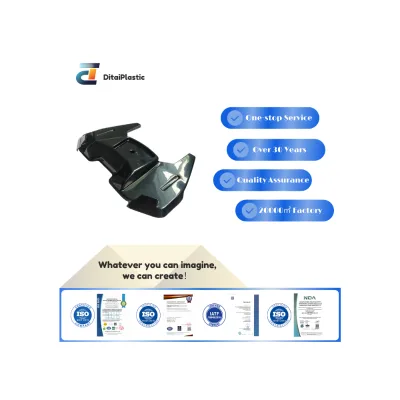


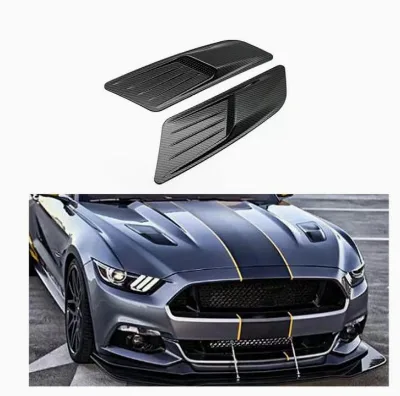


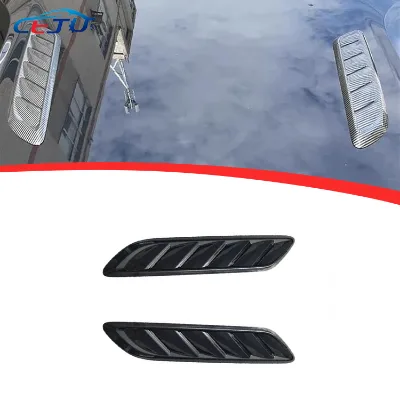

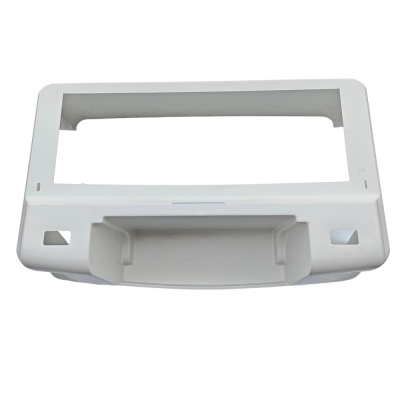
UV Protection Car Body Cover Protection Covers Universal Dustproof Waterproof
$7.60 - $10.60
MOQ: 500 Pieces


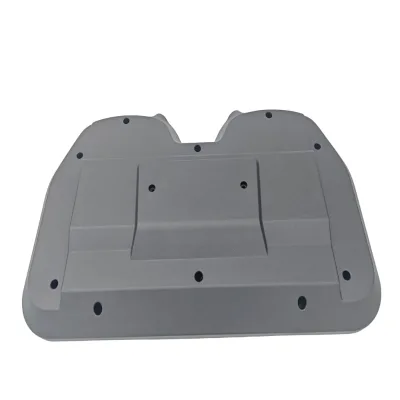


Comprehensive Sourcing Guide
Auto Hood Cargo Cover Sourcing Guide
Sourcing an Auto Hood Cargo Cover requires distinguishing between structural components like hoods and protective accessories designed to shield cargo areas. The available market data indicates a diverse range of products, including specific auto hood assemblies and various bumper guards, which suggests that buyers must carefully filter listings to isolate items specifically designed as cargo covers rather than structural body panels. While some listings explicitly mention "Auto Hood" and "Hood Sub-Assembly," others describe "Rear Bumper" or "Fender" applications, necessitating a precise definition of the required function to avoid purchasing incompatible parts.
Buyers should prioritize suppliers who offer customization options, as the observed product attributes highlight that materials, colors, and logos can often be tailored to specific fleet or branding needs. The presence of "Vacuum forming" as a manufacturing process and the availability of "All kinds of plastic material" suggest that flexible, lightweight solutions are common, which is ideal for cargo covers that need to conform to irregular vehicle shapes. However, the distinction between a rigid hood assembly and a flexible cargo cover is critical, and procurement teams must verify that the selected item is intended for cargo protection rather than engine bay access or structural reinforcement.
Product Scope and Observed Listing Signals
The observed product listings reveal a wide spectrum of automotive components, ranging from steel and plastic hoods to various bumper guards and fender covers. While the core keyword focuses on cargo covers, the data shows that many suppliers list "Auto Hood" and "Hood Sub-Assembly" as primary products, which are distinct from the soft or hard cargo covers typically used to secure items in the trunk or bed. Buyers must scrutinize the "Product name" and "Key Words" fields to ensure the item is not a structural hood replacement, as the presence of terms like "Rear Bumper" or "Fender" in the same catalog indicates a broad inventory that requires careful filtering.
Material composition is a primary signal for identifying the correct product type, with listings showing both "Plastic" and "Steel" options alongside specific mentions of "ABS" and "All kinds of plastic material." For a cargo cover, the material choice often dictates durability and weight, with plastic and ABS being preferred for their lightweight nature and resistance to corrosion compared to steel. The observed "Weight" attributes vary significantly, from 0.1kg to 0.2kg for smaller components, which implies that a full cargo cover might have a different mass profile, and buyers should request specific weight data to ensure the product meets their load-bearing and handling requirements.
Technical Specifications to Verify
When evaluating technical specifications, the "Fitting Position" and "Car Application" fields are essential for ensuring compatibility with the intended vehicle fleet. The data includes specific OEM numbers like "X03-28030060" and "53301-02270," which are critical for matching parts to specific models such as Toyota, but these numbers often correspond to structural hoods rather than cargo covers. Buyers must verify that the "Car Model" is listed as "Universal" or matches their specific vehicle year and make, as a mismatch in OEM codes can lead to installation failures or the need for extensive modification.
Dimensions and thickness are equally critical, with observed standards ranging from small packaging sizes like "30013070mm" to larger specifications up to "400020001000mm." For a cargo cover, the "Thickness" of 1-12mm and the "Shape" options, which can be a "Customer Requestment," are vital for determining the rigidity and coverage area of the final product. Buyers should confirm the exact dimensions of the cargo area they intend to cover and ensure the supplier can provide a product that fits within the "Max 400020001000mm" range without exceeding the vehicle's storage constraints.
Compliance and Safety Documentation
Compliance documentation is a non-negotiable aspect of sourcing automotive components, with observed certifications including "ISO" and "CE" marks, as well as "ISO9001:2008" for quality management systems. These certifications indicate that the supplier adheres to international standards for manufacturing processes, which is particularly important for parts that may be subject to safety regulations or impact testing. Buyers should request current certification documents to verify that the specific batch of cargo covers meets the required safety and quality benchmarks, rather than relying on general claims that may not apply to the specific product variant.
Safety and performance claims must be treated as observations rather than guaranteed attributes for every listed product, as the data does not provide specific test results or performance metrics for cargo covers. While some listings mention "High-Quality" and "Easy Installation," these are subjective descriptors that require independent verification through sample testing or third-party validation. Procurement teams should ensure that the supplier can provide evidence of material safety, such as fire resistance or UV stability, especially if the cargo cover will be exposed to harsh environmental conditions during transport.
Cost Drivers and Commercial Terms
Cost drivers for auto hood cargo covers are heavily influenced by material selection, customization requirements, and the complexity of the manufacturing process. The observed "Process" of "Vacuum forming" suggests that tooling costs may be a significant factor, particularly if the buyer requires a custom shape or logo printing. Additionally, the availability of "Any color can be choice" and "Any logo can be printed" indicates that personalized orders may incur higher unit costs or minimum order quantities compared to standard off-the-shelf items.
Commercial terms such as "Delivery Time" and "MOQ" vary widely in the observed data, with lead times ranging from 1 to 15 days and MOQs spanning from 1 to 10,000 units. Buyers must negotiate these terms based on their specific volume needs, as a low MOQ of 1 unit may be suitable for prototyping but inefficient for large-scale fleet procurement. The "Selling Units" being listed as "Single item" suggests flexibility in ordering, but buyers should clarify whether bulk discounts apply and how packaging, such as "Carton/Wooden," affects the final landed cost and shipping logistics.
Supplier Qualification and Quality Control
Supplier qualification should focus on verifying the "Place of Origin" and the specific manufacturing capabilities indicated in the product attributes. The data shows origins in "China," "Zhejiang," and "Guangdong," which are known manufacturing hubs, but buyers must ensure that the specific factory has the capacity to maintain consistent quality across large orders. The presence of "Customization: Available" and "Brand Name: Ditai" suggests that some suppliers offer OEM services, but buyers should conduct audits to confirm that the customization process does not compromise the structural integrity or finish of the cargo cover.
Quality control measures must be established to verify that the "Condition" of the product is consistently "New" and that the "Quality" claims are substantiated by internal testing protocols. Buyers should request samples to inspect the "Material" quality, checking for defects such as warping or uneven thickness, especially since the observed "Thickness" range is quite broad. Establishing a clear acceptance criteria based on the "Standard" dimensions and "Weight" specifications will help ensure that the delivered goods meet the expected performance standards before full-scale production begins.
Long-Term Procurement Checks
Long-term procurement success depends on maintaining a consistent supply chain and monitoring the supplier's ability to meet evolving requirements. Buyers should track the "Delivery Time" performance over multiple orders to ensure that the 1-15 day window is reliable, as delays can disrupt fleet operations or inventory planning. Regular reviews of the supplier's certification status, particularly "ISO" and "CE" compliance, are necessary to ensure that they continue to meet regulatory standards as automotive safety regulations evolve.
Continuous improvement in product specifications should be a priority, with buyers regularly assessing whether the "Material" and "Process" options align with new sustainability or durability goals. The ability to request "Customer Requestment" shapes and colors provides an opportunity to innovate, but buyers must ensure that these customizations do not introduce new failure points or increase the risk of damage during transport. Establishing a feedback loop with the supplier to address any quality issues or design improvements will help maintain a high standard of procurement over the long term.
FAQs
What materials are used for auto hood cargo covers?
Auto hood cargo covers are typically manufactured from plastic, ABS, or steel depending on the application. High-quality options often use durable plastic materials to ensure longevity and resistance to environmental factors. Some specialized components may utilize steel for added structural integrity, while others prioritize lightweight ABS for easier handling and installation on various vehicle models.
Can auto hood cargo covers be customized for specific vehicles?
Yes, customization is available for many Auto Hood Cargo Cover products. Buyers can request specific shapes, colors, and logos to match their vehicle requirements or branding needs. OEM numbers such as X03-28030060 and X01-90000256 indicate that parts can be tailored to fit specific car models, ensuring a precise fit and seamless integration with the vehicle's existing design and functionality.
What certifications do Auto Hood Cargo Cover suppliers hold?
Reputable suppliers often hold ISO and CE certifications, ensuring compliance with international quality and safety standards. Some manufacturers also adhere to ISO9001:2008 standards for quality management systems. These certifications indicate that the production processes meet rigorous criteria for consistency and reliability, providing buyers with confidence in the quality and safety of the Auto Hood Cargo Cover components they purchase.
How long is the delivery time for auto hood cargo covers?
The typical delivery time for auto hood cargo covers ranges from 1 to 15 days. This timeframe allows for efficient processing and shipping of orders to global destinations. Buyers should note that lead times may vary based on order volume and customization requirements, so it is advisable to confirm specific delivery schedules with suppliers to ensure timely receipt of the products for your business needs.
What is the minimum order quantity for auto hood cargo covers?
The minimum order quantity (MOQ) for auto hood cargo covers typically ranges from 1 to 10,000 units. This flexibility allows both small-scale buyers and large distributors to place orders that suit their inventory needs. Suppliers often accommodate various MOQ levels, making it easier for businesses to source the exact quantities required without excessive minimum purchase commitments or inventory risks.
Where are auto hood cargo covers manufactured?
Auto hood cargo covers are primarily manufactured in China, with specific production hubs located in regions like Zhejiang and Guangdong. These areas are known for their robust manufacturing capabilities and supply chain efficiency. Buyers sourcing from these locations can benefit from established industrial ecosystems that support high-quality production, competitive pricing, and reliable logistics for global distribution of automotive components.