Source Auto Transmission Brake Drum for Trucks, Trailers, and Buses
Find reliable Auto Transmission Brake Drum options for heavy-duty applications. Compare 30 listings featuring steel and iron materials, various axle configurations, and customizable designs from Chinese manufacturers to meet your specific fleet requirements; compare the available evidence and request quotations based on your requirements.
Key considerations
Products List
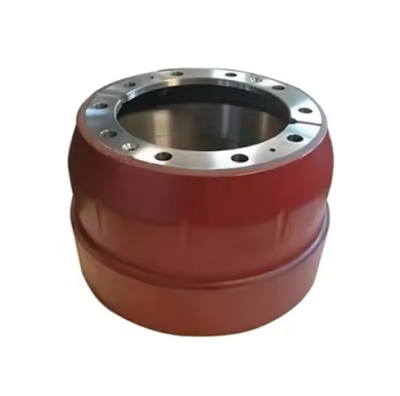


$55.00 - $60.00
MOQ: 60 Pieces


Comprehensive Sourcing Guide
Auto Transmission Brake Drum Sourcing Guide
Sourcing auto transmission brake drums requires a nuanced understanding of heavy-duty vehicle components, as these parts are critical for stopping power in commercial fleets. The market data indicates a wide variety of configurations, with products originating primarily from China, specifically the Zichuan and Zibo regions in Shandong province. Buyers must navigate a complex landscape where axle types, beam thicknesses, and loading capacities vary significantly across listings. This guide provides a structured approach to evaluating suppliers and products, ensuring that procurement teams select components that match their specific fleet requirements without compromising on safety or durability.
The observed product range includes brake drums for various axle configurations, including two, three, and four-axle setups, with loading weights ranging from 10 to 20 tons. This diversity suggests that buyers are not limited to a single vehicle type but must carefully match the drum specifications to their chassis models. The presence of customization options and OE number references, such as 3600A, highlights the importance of verifying compatibility before placing orders. Understanding these technical distinctions is the first step in building a reliable supply chain for replacement parts that meet rigorous operational standards.
Product Scope and Observed Listing Signals
The current market listings reveal a broad spectrum of brake drum products, characterized by distinct material compositions and structural designs. Most items are described as new condition, with materials ranging from steel to iron, indicating different performance profiles for various driving conditions. The observed price range spans from $1.5 to $150 USD, reflecting the disparity between standard replacement parts and specialized heavy-duty components. Minimum order quantities (MOQs) vary from 1 to 200 units, offering flexibility for both small repair shops and large fleet operators. Buyers should interpret these signals as indicators of market segmentation rather than uniform pricing structures.
Packaging methods observed include standard seaworthy packages, polywood pallets, and plastic bags with pallets, which are crucial for protecting the drums during international shipping. The main markets listed cover a global footprint, including North America, South America, Europe, and Asia, suggesting that suppliers are experienced in export logistics. However, the variation in packing standards implies that buyers must specify their packaging requirements clearly to prevent damage during transit. Additionally, the availability of custom colors and prints allows for branding opportunities, though this is secondary to the functional integrity of the brake drum itself.
Technical Specifications to Verify
Verifying technical specifications is paramount when sourcing brake drums, as minor deviations can lead to catastrophic failures in heavy-duty applications. Key attributes to confirm include the axle tube dimensions, which are listed as 150x150mm or 127mm, and the axle beam thickness, available in 12, 14, 16, or 18mm options. These dimensions must align precisely with the vehicle’s chassis to ensure proper fitment and load distribution. Furthermore, the axle type, whether square or round, and the number of axles supported by the drum assembly must be cross-referenced with the vehicle’s engineering drawings. Misalignment in these areas can result in premature wear or structural failure.
The position of the brake drum, whether front or rear, is another critical specification that dictates its design and performance characteristics. Listings indicate options for both positions, with some products explicitly marked as rear-mounted. Buyers should also verify the presence or absence of ABS systems, as many listed drums are without ABS, which may require additional integration steps if the vehicle is equipped with anti-lock braking. The loading weight capacity, ranging from 10t to 20t, must be matched to the vehicle’s gross vehicle weight rating to ensure safety. Confirming these details prevents costly returns and ensures operational reliability.
Compliance and Safety Documentation
Compliance with international standards is essential for brake drums, given their role in vehicle safety. The observed certifications include ISO/TS and ISO classifications, which indicate adherence to quality management systems. However, buyers must verify the specific scope of these certifications, as they may not cover all aspects of brake performance. The mention of HACCP in some certifications is unusual for automotive parts and may indicate a broader manufacturing capability rather than a specific brake drum standard. Buyers should request detailed certification documents to ensure that the supplier’s quality systems are robust and relevant to automotive components.
Safety documentation should also include test reports and material certificates, although these are not explicitly listed in the observed data. Buyers should inquire about the testing procedures used to validate the drum’s strength and thermal resistance. The customizable nature of some products suggests that suppliers may offer tailored solutions, but this requires rigorous validation to ensure that modifications do not compromise safety. Establishing a clear chain of custody for compliance documents helps mitigate liability risks and ensures that all imported parts meet local regulatory requirements.
Cost Drivers and Commercial Terms
Cost drivers for brake drums include material costs, manufacturing complexity, and logistics expenses. The wide price range observed suggests that factors such as axle beam thickness and loading capacity significantly impact pricing. Thicker beams and higher load capacities typically command higher prices due to increased material usage and processing time. Buyers should analyze the cost structure to understand the value proposition of each option, rather than simply selecting the lowest price. Customization options, such as specific colors or prints, may also add to the cost, so these should be factored into the total procurement budget.
Commercial terms, including MOQs and payment conditions, vary across suppliers. The observed MOQ range of 1 to 200 units allows for flexible ordering, but buyers should negotiate terms that align with their inventory management strategies. Shipping methods, such as ocean freight or polywood pallets, affect lead times and costs, so these should be discussed early in the procurement process. Establishing clear agreements on warranty periods, which are listed as 12 months for some products, provides protection against defects. Understanding these commercial dynamics helps buyers optimize their total cost of ownership.
Supplier Qualification and Quality Control
Supplier qualification is a critical step in ensuring the reliability of brake drum supplies. Buyers should assess the supplier’s manufacturing capabilities, including their experience with different axle types and materials. The concentration of suppliers in Zichuan and Zibo suggests a specialized industrial cluster, which may offer advantages in terms of expertise and supply chain efficiency. However, buyers must verify the supplier’s track record and capacity to handle large orders consistently. Requesting samples and conducting factory audits can provide valuable insights into the supplier’s quality control processes.
Quality control measures should include regular inspections of raw materials, production processes, and finished products. Buyers should inquire about the supplier’s defect rate and their procedures for handling non-conforming items. The availability of customization services indicates a flexible production line, but this flexibility must be balanced with strict quality standards. Establishing a long-term partnership with a qualified supplier can lead to better pricing and priority service. Regular communication and performance reviews help maintain high standards and address any issues promptly.
Long-Term Procurement Checks
Long-term procurement checks involve monitoring supplier performance and market trends to ensure continued value. Buyers should track key performance indicators such as delivery times, defect rates, and customer satisfaction. Regular reviews of these metrics help identify potential issues before they escalate. Additionally, staying informed about changes in industry standards and regulations ensures that the sourced parts remain compliant. The dynamic nature of the automotive market requires proactive management of the supply chain to adapt to new challenges and opportunities.
Building a diversified supplier base can mitigate risks associated with single-source dependencies. Buyers should explore opportunities to engage with multiple suppliers to ensure continuity of supply. Regularly updating technical specifications and requirements helps keep the procurement process aligned with evolving fleet needs. By maintaining a strategic approach to supplier management, buyers can secure a reliable supply of high-quality brake drums that support their operational goals. This long-term perspective fosters resilience and sustainability in the procurement function.
FAQs
What is the warranty period for these brake drums?
The warranty period for these brake drums is 12 months. This coverage applies to new items manufactured in China. Buyers can rely on this standard protection for their automotive parts procurement needs without additional costs.
Can I request custom colors for the brake drums?
Yes, customization is available for the brake drums including colors like black, gray, red, or specific customer demands. The product supports various axle types and loading weights while maintaining the standard steel or iron material composition for durability.
Which certifications do the brake drum manufacturers hold?
Manufacturers hold ISO, TS, and HACCP certifications for these brake drums. The products are classified as drum brakes and meet customizable standards. These credentials ensure quality control for international buyers sourcing from the Zichuan region in China.
How many axles can these brake drums support?
These brake drums support configurations ranging from one to four axles. Specific models accommodate two, three, or four axles depending on the vehicle requirements. The axle tube dimensions vary to match different loading weights up to 20 tons.
What is the minimum order quantity for these parts?
The minimum order quantity ranges from one to 200 units depending on the specific product model. Buyers can order single items or larger batches. This flexibility allows small and large enterprises to source brake drums efficiently without excessive inventory pressure.
Where are these brake drums manufactured and shipped from?
These brake drums are manufactured in Zichuan, Zibo, Shandong, China. They are shipped using standard seaworthy packages or polywood pallets. The origin location ensures access to established supply chains serving global markets across North America, Europe, and Asia.
What materials are used to make these brake drums?
The brake drums are primarily made from steel or iron materials. These materials ensure high durability and performance for rear or front positions. The product condition is always new, guaranteeing reliability for heavy-duty applications with various axle configurations.