Source Automatic Crab Meat Deboning Machine for Seafood Factories
Compare 30 listings of automatic crab meat deboning machines from verified suppliers. Review specifications like voltage, material, and capacity to find the right equipment for seafood processing lines.
Key considerations
Products List


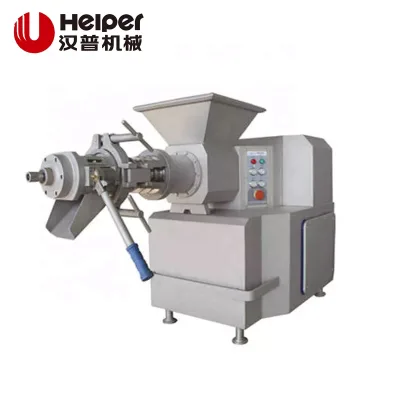

Shrimp Crab Fish Deboning Machine Meat Picking Equipment Fish Bone Removing Machine
$1788.00 - $2100.00
MOQ: 1 Pieces


Shrimp Crab Deboning Equipment Fish Meat Bone Separator Fish Bone Removing Machine
$1788.00 - $2100.00
MOQ: 1 Pieces

Fish Deboner Fish Deboning Equipment Fish Meat Bone Separating Machine
$1788.00 - $2100.00
MOQ: 1 Pieces

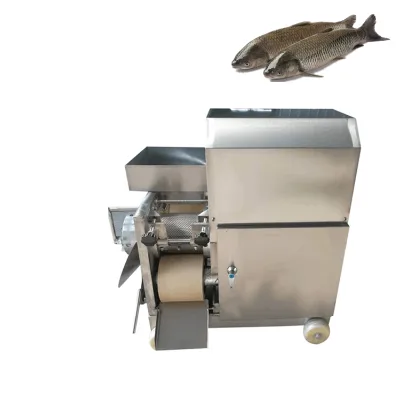


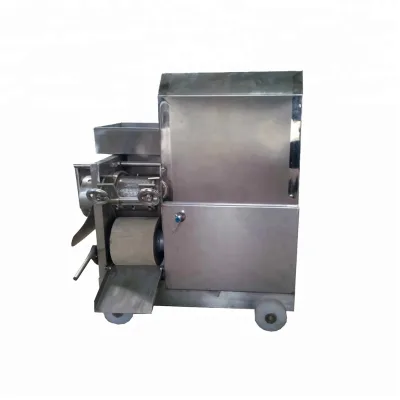

Crab Meat Deboning Machine Fish Bone Removing Machine with High Efficiency
$2000.00 - $7000.00
MOQ: 1 Sets

Crab Meat Deboning Machine Fish Meat Separating Machine Prawn Peeler Machine
$2000.00 - $7000.00
MOQ: 1 Sets

Fish Bone Removing Machine Poultry Deboning Machine with High Efficiency
$2000.00 - $7000.00
MOQ: 1 Sets


Crab Meat Extractor Machine Fish Meat Separating Machine for Extracting Shrimp Meat
$2000.00 - $7000.00
MOQ: 1 Sets

Crab Meat Extraction Machine Fish Meat Bone Separator Machine Made in China
$2000.00 - $7000.00
MOQ: 1 Sets

Multi-Functional Crab Meat Remover Machine Fish Deboning Machine Fish Processing Machine
$1000.00 - $1200.00
MOQ: 1 Pieces


Comprehensive Sourcing Guide
Strategic Sourcing Guide for Automatic Crab Meat Deboning Machinery
Procuring industrial-grade automation for seafood processing requires a rigorous approach that balances technical capability with supply chain reliability. The core keyword "Automatic Crab Meat Deboning Machine" represents a specialized segment of food processing equipment where precision, hygiene, and throughput are critical. Buyers entering this market must navigate a landscape defined by varying motor specifications, material standards, and customization options. This guide provides a structured framework for evaluating potential suppliers and machines, ensuring that procurement decisions are grounded in verifiable data rather than marketing assertions. The following sections detail the essential technical parameters, compliance requirements, cost structures, and supplier vetting processes necessary for a successful acquisition.
Technical Specifications and Operational Parameters
When evaluating an Automatic Crab Meat Deboning Machine, the primary focus must be on the mechanical design and power requirements that dictate performance. The market offers machines with diverse voltage configurations, including standard 220V and 380V industrial inputs, as well as customizable options to match local grid infrastructure. Buyers should verify the specific voltage rating against their facility's power supply to avoid the need for expensive transformers or electrical retrofits. Power consumption is another critical metric; observed units in this category often range from 6.5KW to higher capacities depending on the throughput requirements. The machine's automatic grade is a fundamental classification, indicating that the unit operates with minimal manual intervention, which is essential for high-volume production environments.
The physical construction of the machine directly impacts its longevity and suitability for food processing. High-quality units are constructed from SUS 304 stainless steel or equivalent food-grade stainless steel materials, ensuring resistance to corrosion from saltwater and cleaning agents. The dimensions of the equipment vary significantly based on the model, with observed standard sizes ranging from approximately 900x750x1250 mm to larger configurations like 1440x630x970 mm. Buyers must account for these footprint requirements when planning factory floor layouts. Additionally, the mixing and processing mechanisms, such as parallel dual paddle systems, are designed to handle delicate seafood products without causing excessive damage to the meat structure. The mesh diameter and roller thickness are also vital specifications; for instance, specific models may feature roller thicknesses of 6mm and mesh diameters between 2.4mm and 3.2mm, which determine the fineness of the separation process.
Compliance, Certification, and Safety Standards
In the food processing industry, regulatory compliance is non-negotiable. When sourcing an Automatic Crab Meat Deboning Machine, buyers must prioritize suppliers who can provide verifiable certifications. The most common standards observed in this sector include CE (Conformité Européenne) and ISO 9001, which indicate adherence to international quality management and safety protocols. Some suppliers may also list ISO certifications alongside CE, suggesting a broader commitment to standardized manufacturing processes. It is crucial for buyers to request current certification documents and verify their validity with the issuing bodies, rather than relying solely on product listing claims.
Safety standards extend beyond certification to include the machine's operational design. The equipment should be designed to meet the hygiene requirements of meat and seafood factories, often categorized under "mild processing" to prevent contamination. The warranty period is another indicator of manufacturer confidence; a standard one-year warranty is common, but buyers should scrutinize the terms regarding parts and labor. Furthermore, the "After-sales Service Provided" attribute is a key compliance and support metric. Reliable suppliers offer engineers available to service machinery overseas, ensuring that any technical issues can be resolved promptly without prolonged downtime. This global support network is essential for maintaining operational continuity in international supply chains.
Cost Drivers and Pricing Variables
The pricing of automatic crab meat deboning machines is influenced by a complex interplay of factors, including material quality, customization levels, and production capacity. The observed price range for these units spans from approximately $758 to $12,247.2, reflecting the diversity of available models from basic manual-assist units to fully automated industrial systems. Several variables drive these costs. First, the material composition plays a significant role; machines utilizing high-grade SUS 304 stainless steel typically command a premium over those using standard stainless steel or mixed materials. Second, the level of customization is a major cost determinant. While some units are "Non-Customized" and sold as standard single items, others offer "Customized" configurations tailored to specific production lines, which naturally increases the unit price.
Production capacity and weight are also correlated with cost. Heavier machines, such as those weighing 350 kg or 180 kg, often feature more robust motors and larger processing chambers, leading to higher prices. The "Selling Units" metric indicates that these are typically sold as single items, but the "Production Capacity" of the supplier, which can range from 300 to 400 units annually, may influence lead times and bulk pricing. Buyers should also consider the "Place of Origin" and "Production Capacity" of the supplier, as manufacturers in regions like Hebei or Henan, China, may offer different cost structures compared to other global hubs. Understanding these drivers allows buyers to budget effectively and negotiate based on specific value propositions rather than generic price points.
Typical Applications and Industry Suitability
Automatic crab meat deboning machines are designed for specific applications within the broader seafood and meat processing sectors. The primary application is the separation of meat from bones in crustaceans, specifically targeting shrimp and fish, though the technology is adaptable for crab processing. These machines are suitable for "meat factories," "fish deboning" operations, and general "meat food industry" applications. The versatility of the equipment allows it to be deployed in various "Applicable Industries," including manufacturing plants that handle high volumes of seafood.
The operational context of these machines often involves "mild processing" techniques to preserve the texture and quality of the seafood product. The "Mixing way," such as parallel dual paddle systems, is optimized to handle delicate proteins without crushing the meat. Buyers should verify that the machine's specifications align with their specific product type; for example, a machine designed for "Shrimp Fish" may require different mesh diameters or roller settings than one optimized for crab. The "Brand Name" of the machine, such as "Helper" or "Jiahuang," can also indicate a specialization in certain types of processing, though the technical specifications remain the primary indicator of suitability. Understanding the specific application ensures that the purchased equipment integrates seamlessly into the existing production workflow.
Supplier Evaluation and Verification
Selecting the right supplier is as critical as selecting the right machine. Buyers should evaluate suppliers based on their "After Sale Service" capabilities, specifically the availability of engineers for overseas service. This service level is a strong indicator of the supplier's commitment to long-term customer support. Additionally, the "Condition" of the machine, typically listed as "New," should be verified to ensure that the equipment is not refurbished or used. The "Brand Name" and "Model Number" (e.g., JB-400, GRF-100, 150) provide traceability, allowing buyers to research the manufacturer's reputation and history.
Suppliers should be transparent about their "Production Capacity" and "Place of Origin." For instance, manufacturers located in Hebei or Henan, China, may have specific logistical advantages or constraints. Buyers must also assess the "Customization" capabilities of the supplier. While some machines are "Non-Customized," others offer "Customized" options, which requires a deeper level of collaboration and communication. The "Market" reach of the supplier, covering regions like Asia, Africa, Europe, and America, can also be a proxy for their experience with international standards and shipping logistics. A supplier with a broad market presence is more likely to have established protocols for handling complex international orders.
Quality Control and Long-Term Procurement Considerations
Quality control in the procurement of automatic crab meat deboning machines involves rigorous inspection of both the product and the supplier's processes. Buyers should verify the "Certificate" status, ensuring that ISO and CE certifications are current and applicable to the specific model. The "Warranty" terms, typically one year, should be clearly defined, including coverage for motors, mechanical parts, and electrical components. Long-term procurement considerations include the availability of spare parts and the ease of maintenance. Machines with "Wooden Box" or "Wooden Case" packing are designed for safe international transport, but buyers should confirm that the packaging meets export standards to prevent damage during transit.
The "Voltage" and "Electricity" specifications must be compatible with the buyer's local infrastructure to ensure safe and efficient operation. The "Standard" of the machine, whether listed as "New" or defined by specific dimensions, should be cross-referenced with the buyer's facility requirements. Finally, the "Capacity" of the machine, such as 400L, should be matched against the production volume needs of the facility. By focusing on these quality control metrics and long-term factors, buyers can mitigate risks and ensure a sustainable investment in automated seafood processing technology.
FAQs
What voltage options are available for automatic crab meat deboning machines?
Available voltage options include 220V and 380V, with some models offering customized electrical requirements. Buyers must verify their facility's power supply to ensure compatibility without needing expensive transformers.
Which certifications should I look for in a food processing machine?
Look for CE and ISO 9001 certifications which indicate adherence to international safety and quality protocols. Always request current certification documents to verify validity rather than relying solely on listing claims.
How is the machine material constructed for food safety?
High-quality units are constructed from SUS 304 stainless steel to ensure resistance to corrosion from saltwater and cleaning agents. This material choice is critical for maintaining hygiene in meat and seafood factories.
Can I get after-sales service for machinery overseas?
Yes, reliable suppliers provide engineers available to service machinery overseas to resolve technical issues promptly. This global support network is essential for maintaining operational continuity in international supply chains.
What is the typical warranty period for this equipment?
A standard one-year warranty is common for these industrial units. Buyers should scrutinize the terms regarding parts and labor to understand the manufacturer's confidence in the product longevity.
How much does an Automatic Crab Meat Deboning Machine cost?
Prices typically range from 758 to 12247.2 USD depending on the model and specifications. Costs are driven by material quality, customization levels, and production capacity of the specific unit.
What is the minimum order quantity for these machines?
The observed minimum order quantity is one single item for most listed models. Buyers can typically purchase individual units without needing to meet bulk thresholds for initial acquisition.