Source automatic egg maker with auto shut-off for Home Hotel Restaurant
Compare 30 automatic egg maker with auto shut-off options featuring plastic or stainless steel bodies, single to double layers, and voltages from 100-240V. These units suit household, hotel, and restaurant kitchens with capacities ranging from 1 to 12 eggs; compare the available evidence and request quotations based on your requirements.
Updated
Key considerations
Products List
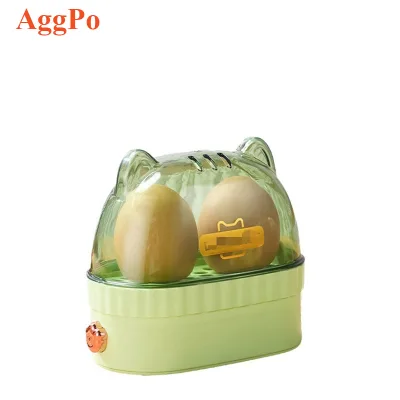
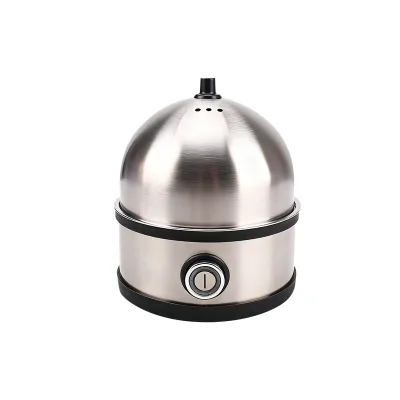
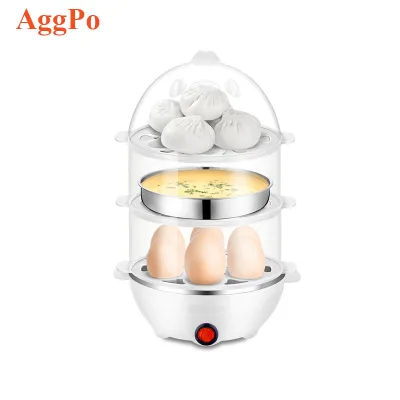
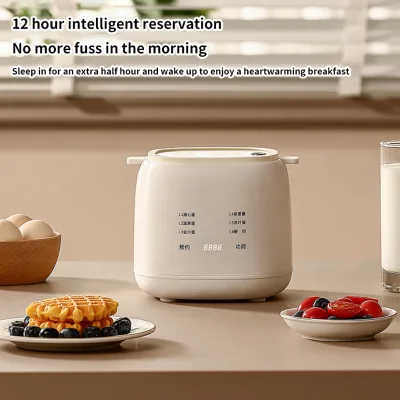
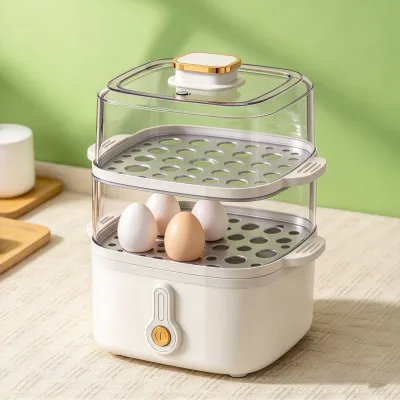
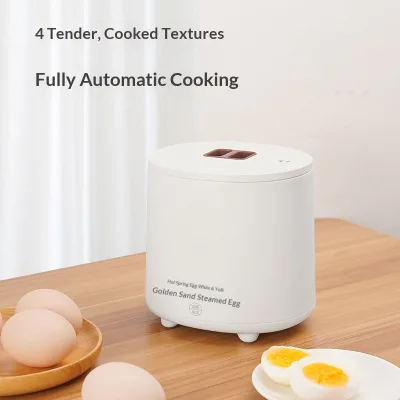


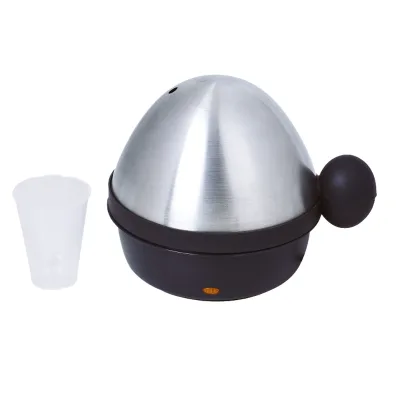
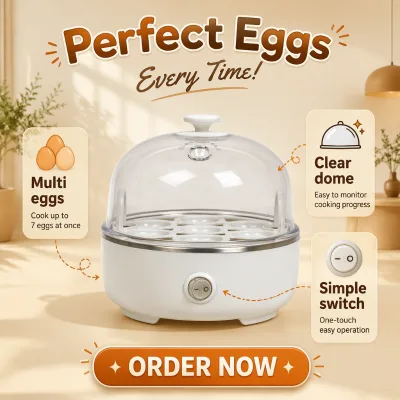
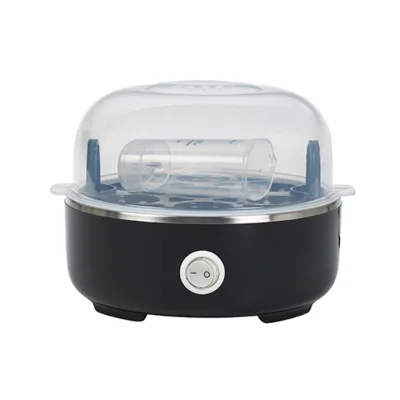


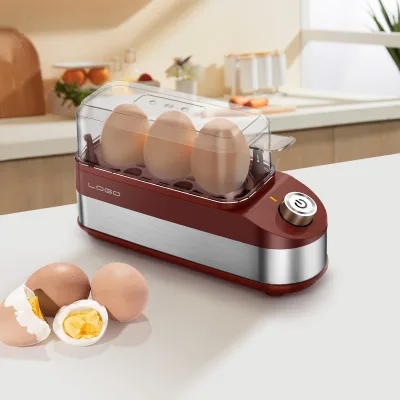
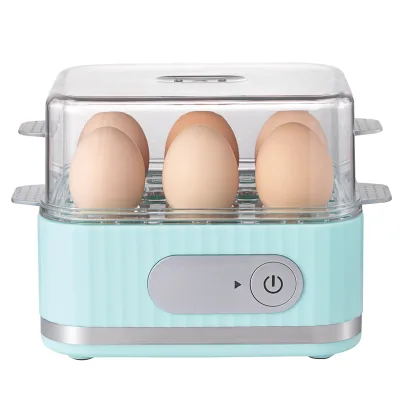
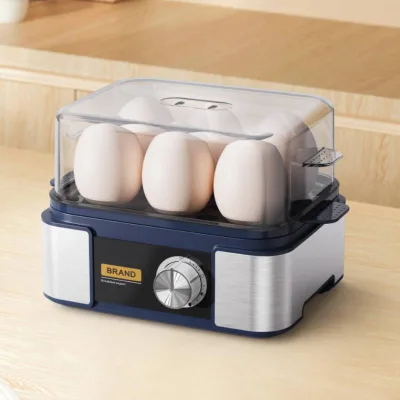
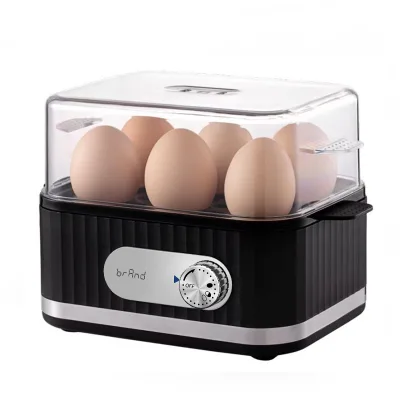
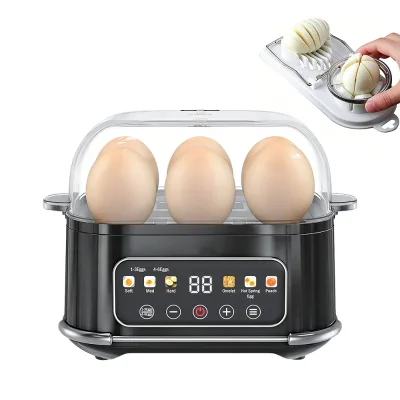
Quick Breakfast Electric Egg Cooker with Auto Power-off for Dairy Cooking
$7.90 - $8.50
MOQ: 1000 Pieces
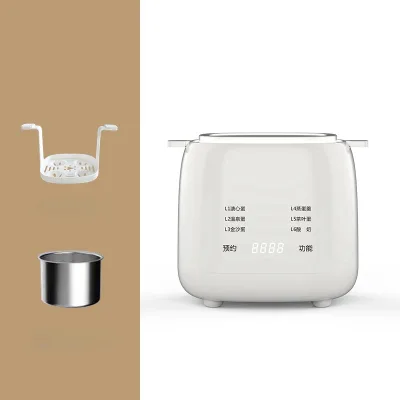
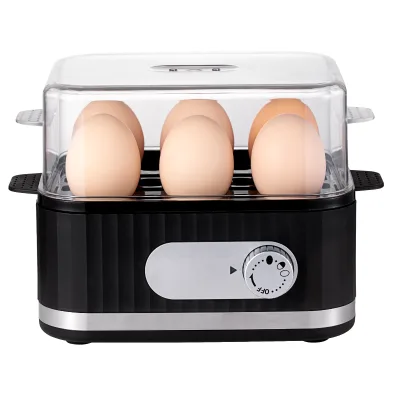
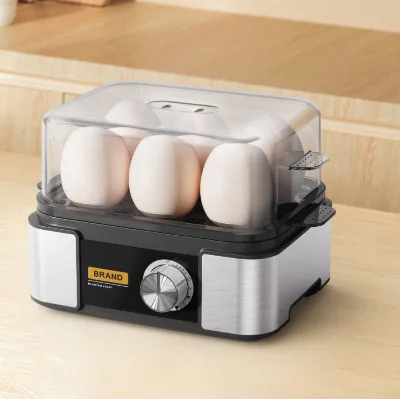
Comprehensive Sourcing Guide
Automatic Egg Maker with Auto Shut-off Sourcing Guide
Procuring automatic egg makers with auto shut-off features requires a clear understanding of the diverse product landscape available from manufacturers, primarily based in China. The observed market includes units ranging from simple plastic-bodied cookers to more robust stainless steel models, each offering distinct advantages for different buyer segments. Buyers must carefully evaluate the material composition, as plastic bodies offer portability and cost efficiency, while stainless steel variants provide durability and a premium aesthetic suitable for high-end hospitality or commercial kitchens. The presence of an automatic shut-off mechanism is a critical safety feature that prevents overcooking and reduces fire risk, making it a non-negotiable attribute for most professional and household applications.
The functional scope of these devices varies significantly, with some models designed for single-layer cooking of up to six eggs, while others support double-layer configurations capable of handling up to twelve eggs simultaneously. This variation directly impacts the unit’s power consumption, with observed wattages ranging from 200W to 400W, and even higher for specialized industrial units. Buyers should align their procurement strategy with their specific volume requirements, considering whether a compact, portable unit for individual use or a high-capacity model for hotels and restaurants is more appropriate. Understanding these operational differences ensures that the selected equipment meets both performance expectations and energy efficiency goals without unnecessary overspending on unused capacity.
Product Scope and Observed Listing Signals
The current market listings reveal a wide spectrum of automatic egg cookers, characterized by varying materials, colors, and layer configurations. Common observations include plastic bodies in white or silver finishes, alongside stainless steel constructions that appeal to commercial buyers seeking longevity. The product names often highlight key features such as "electric boiled egg cooker" or "rapid egg cooker," indicating the primary function of boiling eggs efficiently. Buyers should note that while many units are marketed for household use, several suppliers explicitly list applications for hotels, restaurants, and offices, suggesting a dual-purpose design that bridges consumer and commercial needs. This versatility allows buyers to source a single product type for multiple departments or retail channels, simplifying inventory management.
Listing signals also indicate significant variation in plug types and voltage compatibility, with options including US, EU, and UK plugs, and voltages spanning 100-120V and 220-240V. This diversity reflects the global nature of the supply chain and the need for buyers to specify their local electrical standards during procurement. Additionally, features like smart controls, electronic boards with multi-level effects, and app-controlled capabilities are emerging, though many standard models remain non-app-controlled for simplicity. Buyers must verify these technical details against their target market’s preferences, as the inclusion of advanced features may increase cost and complexity without adding value for users who prefer straightforward, reliable operation.
Technical Specifications to Verify
When evaluating technical specifications, buyers must prioritize the verification of power ratings and egg capacity to ensure the unit meets their operational demands. Observed power inputs range from 200W to 400W, with some specialized units reaching 1kW, which directly impacts energy consumption and heating speed. The egg quantity capacity is another critical factor, with models supporting anywhere from one to twelve eggs, often determined by the number of layers. Buyers should confirm whether the unit offers single or double-layer configurations, as this affects the physical footprint and cooking throughput. Additionally, the control type, whether electronic board or manual, should be assessed for ease of use and reliability, ensuring that the interface aligns with the end-user’s technical proficiency.
Voltage and plug compatibility are essential technical details that must be matched to the destination market to avoid operational failures or safety hazards. Listings show support for multiple voltage ranges, including 100-120V and 220-240V, with corresponding plug types for US, EU, and UK markets. Buyers must ensure that the supplier provides the correct plug configuration for their region, as mismatched electrical standards can lead to equipment damage or voided warranties. Furthermore, the material of construction, whether plastic or stainless steel, should be verified for durability and ease of cleaning, especially in high-traffic commercial environments. These technical verifications prevent costly returns and ensure that the product performs as expected in its intended application.
Compliance and Safety Documentation
Safety compliance is paramount when sourcing automatic egg makers, particularly due to the electrical nature of the appliances and the presence of auto shut-off mechanisms. Buyers must request documentation that verifies the unit meets relevant electrical safety standards for the target market, such as UL for the US or CE for Europe. The auto shut-off feature should be tested and certified to ensure it activates reliably under various conditions, preventing overheating and potential fire hazards. Without proper certification, buyers risk liability issues and product recalls, making it essential to work with suppliers who provide transparent and verifiable safety records. This due diligence protects the brand’s reputation and ensures consumer safety, which is a critical factor in the home appliance market.
In addition to electrical safety, buyers should inquire about material safety certifications, especially for plastic components that come into contact with food. Stainless steel models should be verified for food-grade quality to prevent corrosion and contamination. Documentation should also cover the durability of the auto shut-off mechanism, ensuring it does not fail after repeated use. Buyers must ensure that the supplier provides clear instructions and warnings related to the safe operation of the device, including proper ventilation and handling guidelines. These safety measures are not only regulatory requirements but also best practices that enhance user trust and reduce the likelihood of accidents, thereby supporting long-term customer satisfaction and brand loyalty.
Cost Drivers and Commercial Terms
The cost of automatic egg makers is influenced by several key factors, including material quality, feature complexity, and order volume. Stainless steel models typically command a higher price than plastic-bodied units due to the cost of raw materials and manufacturing processes. Features such as smart controls, multi-level cooking effects, and app connectivity also add to the unit’s cost, appealing to buyers seeking premium products. However, for buyers prioritizing cost-efficiency, basic models with essential functions like auto shut-off and single-layer cooking offer a more economical solution. Understanding these cost drivers allows buyers to negotiate effectively and select products that align with their budget and market positioning, ensuring a competitive edge in their respective segments.
Commercial terms, including minimum order quantities (MOQ) and lead times, play a significant role in the procurement process. Observed MOQs range from 5 to 4500 pieces, with many suppliers setting a standard MOQ of 100 pieces, which is manageable for small to medium-sized buyers. Lead times can vary based on order size and customization requirements, so buyers should clarify these timelines during negotiations to ensure timely delivery. Payment terms and shipping arrangements should also be discussed to avoid unexpected costs or delays. By understanding the commercial landscape, buyers can structure their orders to optimize cash flow and inventory levels, ensuring that they meet market demand without overstocking or facing stockouts.
Supplier Qualification and Quality Control
Supplier qualification is a critical step in ensuring the reliability and consistency of automatic egg makers. Buyers should verify the supplier’s manufacturing capabilities, including their production capacity, quality control processes, and experience in exporting to the target market. Suppliers based in China, as observed in the listings, often have established supply chains and expertise in producing household appliances, but buyers must conduct due diligence to confirm their credibility. This includes checking for business licenses, factory audits, and customer references. A qualified supplier will provide transparent information about their production processes and be willing to accommodate quality inspections, ensuring that the products meet the buyer’s specifications and standards.
Quality control measures should be implemented throughout the production process to minimize defects and ensure product consistency. Buyers should request samples for testing before placing bulk orders, focusing on key features like the auto shut-off mechanism, heating efficiency, and material durability. During production, third-party inspection services can be employed to verify that the units meet the agreed-upon quality standards. Buyers should also establish clear communication channels with the supplier to address any issues promptly and ensure that corrective actions are taken. By prioritizing supplier qualification and rigorous quality control, buyers can mitigate risks and ensure that they receive high-quality products that meet their customers’ expectations.
Long-Term Procurement Checks
Long-term procurement success depends on continuous monitoring of supplier performance and market trends. Buyers should establish key performance indicators (KPIs) to track supplier reliability, including on-time delivery rates, product defect rates, and responsiveness to issues. Regular reviews of these metrics help identify potential problems early and allow for proactive management of the supply chain. Additionally, buyers should stay informed about technological advancements and consumer preferences in the automatic egg maker market, as these factors can influence product demand and competitiveness. By maintaining a dynamic procurement strategy, buyers can adapt to changes and ensure that their product offerings remain relevant and appealing to their target audience.
Sustainability and ethical sourcing are increasingly important considerations for long-term procurement. Buyers should evaluate their suppliers’ environmental practices and labor standards, ensuring that they align with corporate social responsibility goals. This includes verifying that materials are sourced responsibly and that manufacturing processes minimize waste and energy consumption. By prioritizing sustainable practices, buyers can enhance their brand’s reputation and appeal to environmentally conscious consumers. Furthermore, building strong, collaborative relationships with suppliers can lead to better pricing, improved quality, and innovative product developments. These long-term checks ensure that the procurement strategy supports not only immediate business needs but also sustainable growth and positive impact.
FAQs
What features define the automatic egg maker with auto shut-off?
The automatic egg maker with auto shut-off typically includes multi-function capabilities and smart electronic controls. Models often feature stainless steel or plastic bodies with single or double layers. These units are designed for household, hotel, and office use, ensuring safe and convenient egg preparation without manual monitoring.
Can the automatic egg maker with auto shut-off handle different egg quantities?
Yes, capacity varies by model. Some units handle 1-6 eggs in a single layer, while others support 1-12 eggs across double layers. The device automatically adjusts cooking time based on the quantity, making it versatile for small households or larger catering needs in hotels and restaurants.
What power specifications are common for these devices?
Power ratings generally range from 200W to 400W for standard models. Some industrial or high-capacity versions may reach 1kW. Voltage options include 100-120V and 220-240V, with plug types available in US, EU, and UK standards to suit various international electrical systems and kitchen environments.
Which materials are used in the automatic egg maker with auto shut-off?
Manufacturers primarily use plastic bodies for lightweight portability or stainless steel for durability and hygiene. The choice depends on the specific model and intended application. Plastic versions are often more affordable, while stainless steel options provide a premium feel suitable for commercial settings like hotels and restaurants.
What is the typical MOQ for sourcing these egg cookers?
The minimum order quantity is typically 100 pieces for most standard models. However, MOQs can range from 5 to 4500 pieces depending on the supplier and customization requirements. Buyers should verify specific MOQs with manufacturers, especially when requesting custom packaging or specific plug types for their target market.
Are customization options available for the automatic egg maker with auto shut-off?
Customization is available for many models, including specific plug types and voltage configurations. Buyers can often select between US, EU, or UK plugs. Some suppliers also offer custom branding or packaging solutions. It is essential to confirm customization availability and any associated costs with the manufacturer before placing an order.