Source Commercial Energy Saving Induction Cooker for Restaurants, Hotels, Catering
Find 30 verified Commercial Energy Saving Induction Cooker options for restaurants, hotels, and catering services. Compare specifications, certifications, and pricing from multiple suppliers to find the best fit for your kitchen needs; compare the available evidence and request quotations based on your requirements.
Updated
Key considerations
Products List

$112.00 - $116.00
MOQ: 400 Pieces

$14.00 - $16.00
MOQ: 2000 Pieces

$100.00 - $105.00
MOQ: 500 Pieces


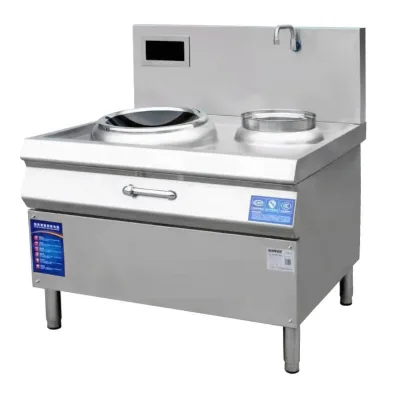

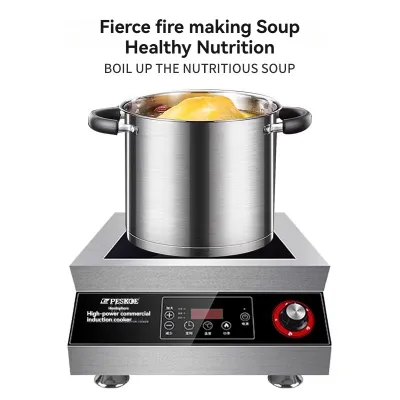
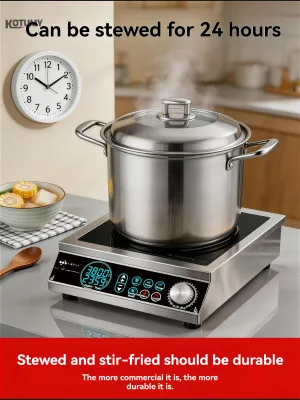

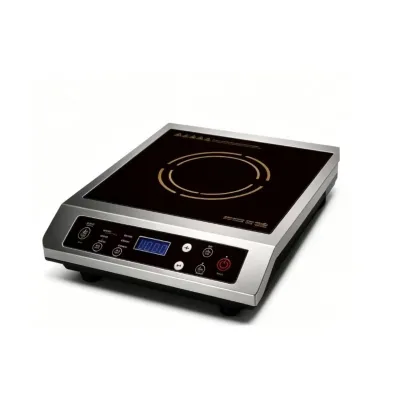

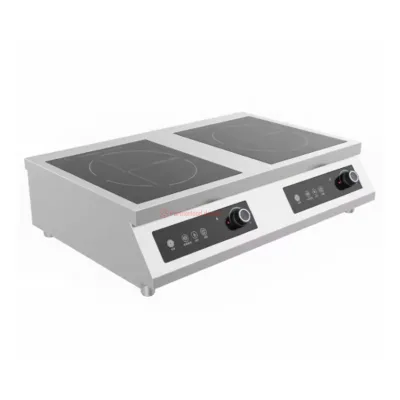
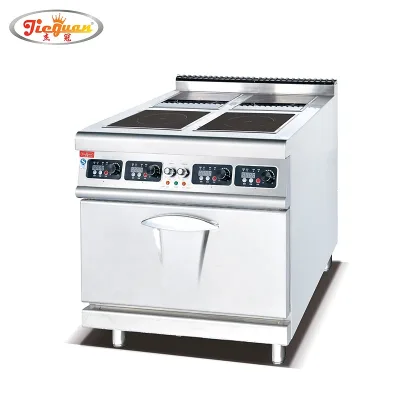
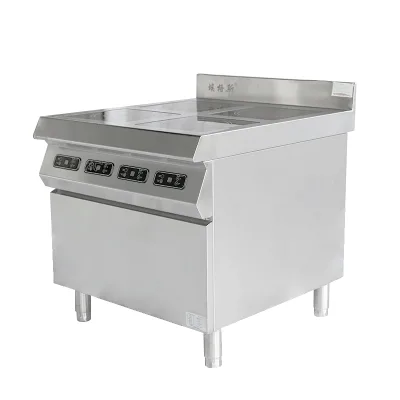
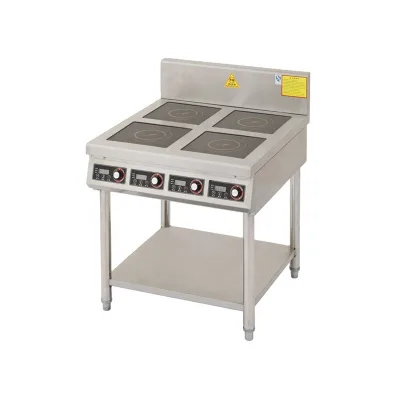
High Power Induction Cooker Commercial Induction Cooker Machine Induction Stove
$1037.4461 - $1089.3184
MOQ: 1 pieces
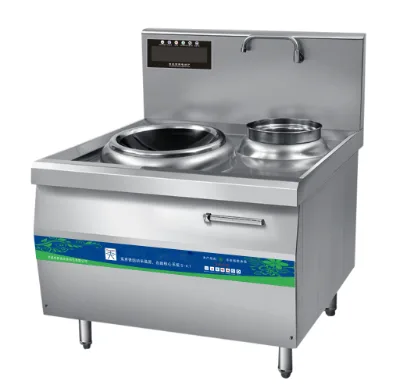
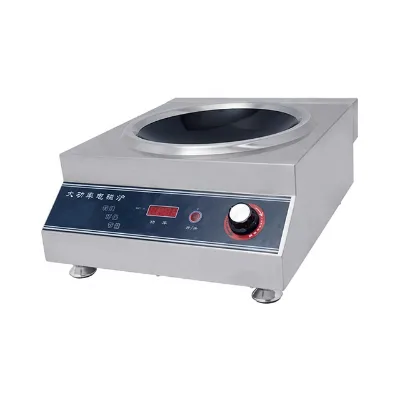
Commercial Restaurant Hotel Kitchen Equipment Stainless Steel Big Induction Cooker
$308.4558 - $514.0929
MOQ: 1 pieces


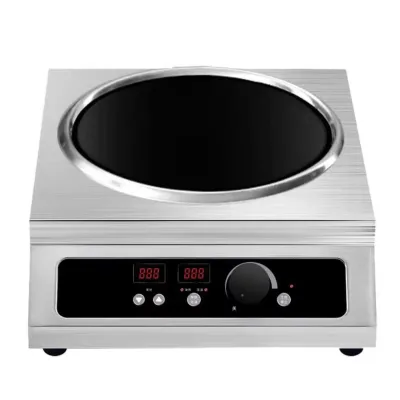
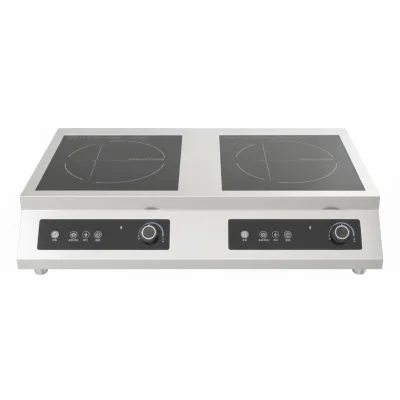
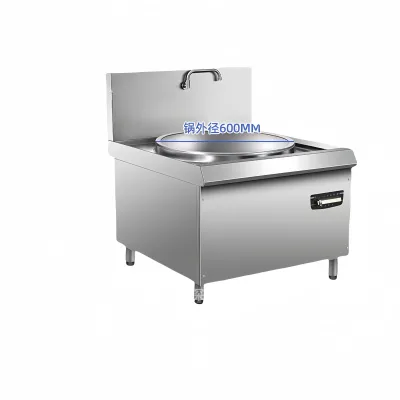
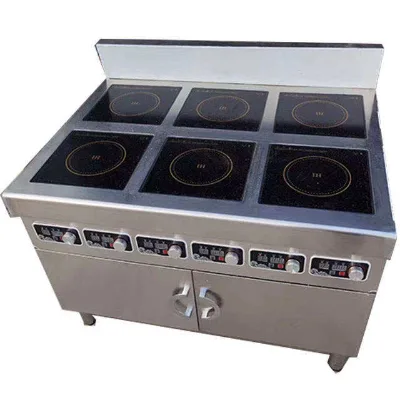
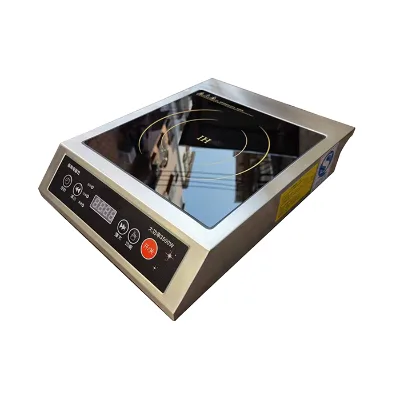
Commercial 3500 W Portable Black Induction Cook Top Stove Electric Induction Cookers
$154.0147 - $205.3529
MOQ: 1 sets
Comprehensive Sourcing Guide
Commercial Energy Saving Induction Cooker Sourcing Guide
Sourcing commercial energy saving induction cookers requires a strategic approach that balances high-efficiency heating technology with robust industrial durability. Buyers must prioritize units that demonstrate significant energy reduction without compromising cooking speed or temperature consistency in high-volume environments. The market offers a diverse array of configurations, from single-burner countertop models to large, built-in multi-burner systems designed for heavy-duty kitchen operations. Understanding the specific power requirements and installation constraints is essential for selecting the right equipment that integrates seamlessly into existing kitchen infrastructure.
Procurement teams should evaluate the total cost of ownership, considering not just the initial purchase price but also long-term energy consumption and maintenance needs. Modern induction technology offers precise control and rapid heat-up times, which directly contribute to operational efficiency and reduced utility costs. However, verifying the actual energy savings claims through independent testing or supplier-provided data is crucial. Buyers must also consider the physical footprint and ventilation requirements, ensuring that the selected cooker fits within the designated kitchen space while meeting all safety and performance standards for commercial use.
Product Scope and Observed Listing Signals
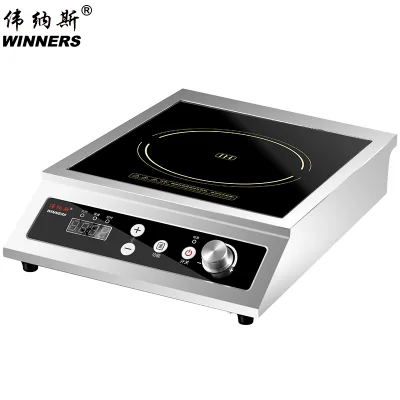
The current market landscape for commercial induction cookers reveals a wide spectrum of product types, ranging from compact single-burner units to complex multi-burner installations. Observed listings indicate models with varying burner counts, including single, three, and four-burner configurations, catering to different kitchen workflows and volume demands. Installation types vary significantly, with options available for both countertop placement and built-in integration, allowing buyers to choose based on their specific kitchen layout and renovation plans. This diversity ensures that procurement teams can find solutions tailored to both small cafes and large-scale commercial kitchens.
Material composition and housing design are critical factors influencing durability and aesthetic appeal in commercial settings. Many units feature stainless steel housings, particularly those made from Stainless Steel 304, which offer superior resistance to corrosion and high-temperature environments. Glass and ceramic materials are also prevalent, with some models utilizing A-Grade Polished Black Crystal Plates for a sleek, modern appearance. These material choices not only enhance the visual appeal of the kitchen but also contribute to the ease of cleaning and maintenance, which are vital for maintaining hygiene standards in busy commercial food preparation areas.
Technical Specifications to Verify
When evaluating technical specifications, buyers must closely examine the power output and voltage compatibility to ensure the cooker meets the electrical infrastructure of the target kitchen. Common voltage options include 220V and 380V, with power ratings varying significantly across models to accommodate different cooking intensities. It is essential to verify the exact power consumption in watts to accurately calculate energy costs and ensure the electrical circuit can handle the load without overloading. Additionally, the dimension and weight of the unit are critical for logistical planning, as some heavy-duty models can weigh up to 90 KG and require specific handling equipment for installation.
The control interface and operational modes also play a significant role in user experience and efficiency. Modern units often feature touch controls, including slide touch and standard touch interfaces, which provide precise temperature adjustment and easy cleaning surfaces. Buyers should verify the availability of reservation functions and other advanced features that can streamline kitchen operations. Furthermore, the glass size and burner configuration must align with the cookware used in the kitchen to ensure optimal heat transfer. Confirming these technical details helps prevent operational bottlenecks and ensures that the equipment performs as expected under continuous commercial use.
Compliance and Safety Documentation
Compliance with international safety and environmental standards is non-negotiable for commercial kitchen equipment. Buyers must verify that the induction cookers hold relevant certifications such as CE, RoHS, EMC, and CB, which indicate adherence to strict safety and electromagnetic compatibility regulations. These certifications ensure that the equipment is safe for both operators and consumers, minimizing the risk of electrical hazards and interference with other kitchen electronics. Additionally, ISO 9001 certification for the manufacturing process suggests a commitment to quality management, which can be a strong indicator of consistent product reliability and performance.
Documentation regarding energy efficiency and environmental impact should also be thoroughly reviewed. While specific energy-saving metrics may vary, buyers should request detailed data on power consumption and thermal efficiency to validate the "energy saving" claims. Understanding the environmental standards met by the product helps in making sustainable procurement decisions that align with corporate social responsibility goals. Ensuring that all safety documentation is up-to-date and verifiable protects the business from potential liabilities and ensures that the equipment can be legally installed and operated in various international markets.
Cost Drivers and Commercial Terms
The cost of commercial induction cookers is influenced by several factors, including the number of burners, material quality, and advanced features. Prices observed in the market range widely, reflecting the diversity in specifications and brand positioning. Buyers should consider the minimum order quantity (MOQ) requirements, which can range from single units to larger batches, affecting the overall procurement budget. Understanding the pricing structure helps in negotiating better terms and selecting suppliers who offer competitive pricing without compromising on quality or service.
Commercial terms such as warranty, after-sales support, and packaging details are critical components of the total cost of ownership. A standard one-year warranty is common, but buyers should inquire about extended warranty options and the availability of online support for troubleshooting. Packaging details, such as gift box or carton packaging, impact shipping costs and the risk of damage during transit. Clear communication regarding these terms ensures that buyers can plan for maintenance and support costs, avoiding unexpected expenses that can arise from poor after-sales service or inadequate packaging.
Supplier Qualification and Quality Control
Selecting a qualified supplier is paramount to ensuring the reliability and longevity of commercial induction cookers. Buyers should prioritize suppliers with a proven track record in manufacturing high-quality kitchen equipment, particularly those located in established industrial hubs like Zhongshan or Henan in China. Verifying the supplier's production capabilities, quality control processes, and customer reviews can provide insights into their reliability and commitment to excellence. A supplier's ability to provide customization options is also a valuable asset, allowing buyers to tailor equipment to specific kitchen needs.
Quality control measures should be rigorously assessed before finalizing any procurement agreement. Buyers should request samples or conduct factory audits to verify the build quality, material integrity, and performance of the induction cookers. Ensuring that the products are new and meet the specified standards for condition and performance is essential. Additionally, understanding the supplier's lead times and production capacity helps in planning inventory and avoiding delays in kitchen setup. A reliable supplier will provide transparent communication and support throughout the procurement process, ensuring a smooth transaction and successful implementation.
Long-Term Procurement Checks
Long-term procurement success depends on establishing strong relationships with suppliers who can provide consistent quality and support over time. Buyers should regularly review supplier performance, including delivery times, product quality, and responsiveness to issues. Maintaining open lines of communication allows for timely resolution of any problems and ensures that the supplier remains aligned with the buyer's evolving needs. Regular audits and feedback loops can help identify areas for improvement and strengthen the partnership, leading to better service and potentially more favorable terms in future orders.
Monitoring market trends and technological advancements in induction cooking technology is also crucial for staying competitive. Buyers should stay informed about new features, energy-saving innovations, and regulatory changes that may impact their procurement decisions. Periodically reassessing the performance of existing equipment and comparing it with new market offerings can help identify opportunities for upgrades or replacements. By staying proactive and engaged with the supplier network, buyers can ensure that their commercial kitchens remain efficient, safe, and cost-effective in the long run.
FAQs
What certifications do these induction cookers have?
These commercial induction cookers typically hold CE, RoHS, EMC, and CB certifications. Some models also feature ISO 9001 quality management certification. These standards ensure compliance with international safety and electromagnetic compatibility requirements for commercial kitchen environments.
Can I customize the housing material for my kitchen?
Yes, customization is available for housing materials. Options include stainless steel, metal, or ceramic and glass combinations. Buyers can select specific finishes like polished black crystal plates or silver surfaces to match their commercial kitchen aesthetic and durability needs.
What installation types are available for these units?
Installation options include countertop and built-in configurations. Countertop models offer flexible placement, while built-in units require specific cutout dimensions such as 750x460mm. Buyers should verify the exact glass size and installation requirements before ordering to ensure proper fit.
How many burners are available in single units?
Single-unit configurations typically feature one, three, or four burners. The number of burners depends on the specific model, such as the LS-7000S or LS-FIC403. Buyers should select the burner count that matches their commercial cooking volume and workflow requirements.
What is the typical warranty period for these cookers?
The standard warranty period is one year. This coverage applies to the commercial induction cooker unit itself. Buyers should also check if online support is provided for troubleshooting. Warranty terms may vary by supplier, so confirm details before purchase.
Are these cookers suitable for commercial kitchen use?
Yes, they are designed for commercial kitchen applications. Features include energy-saving technology, high performance, and easy operation. Materials like stainless steel 304 ensure durability. These units support high-volume cooking tasks with reliable power sources and robust construction for professional environments.