Source Turkish Style Drip Coffee Maker for Hotels, Homes, and Offices
Find 30 Turkish Style Drip Coffee Maker options from China. Compare models like BM-CF10 and YD-1233, featuring stainless steel or plastic housing, electric power, and CE/RoHS certifications for commercial and home use; compare the available evidence and request quotations based on your requirements.
Updated
Key considerations
Products List


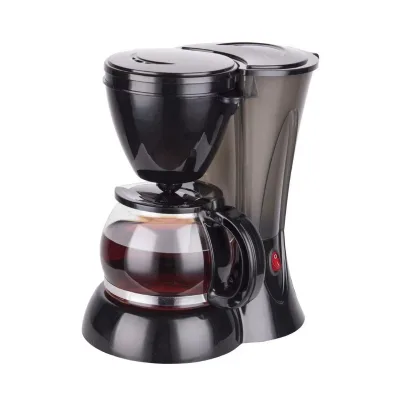
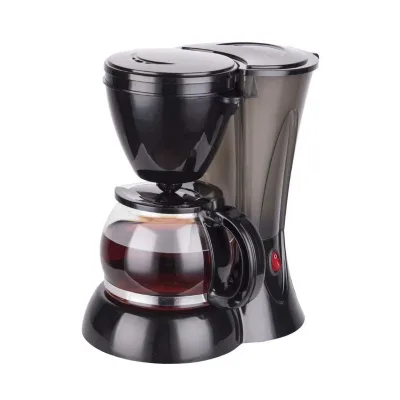
Coffee Maker Hot Sell Kitchen Appliance Automatic Turkish Coffee Machine Maker
$21.00 - $25.00
MOQ: 500 Pieces
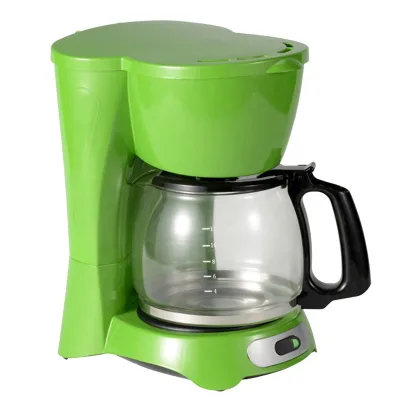


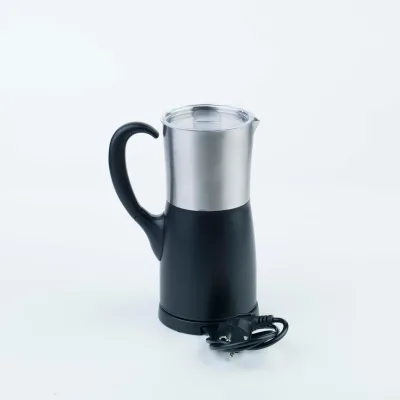
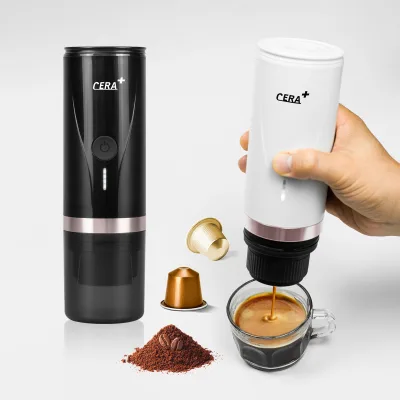


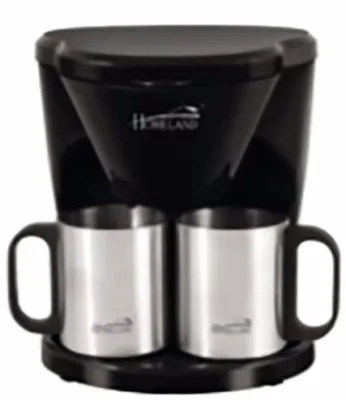
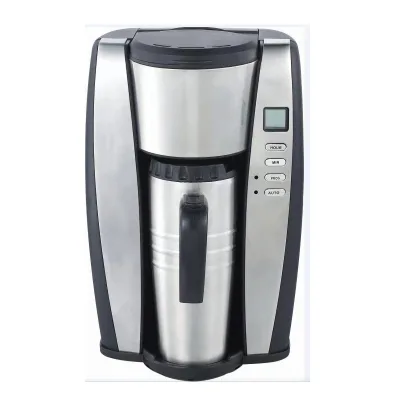
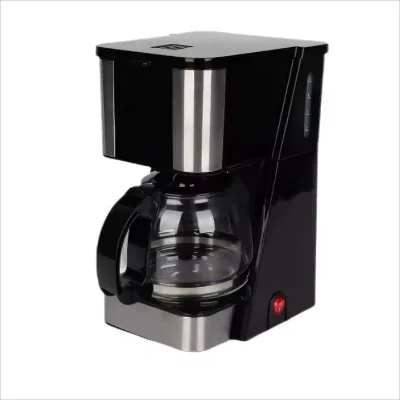


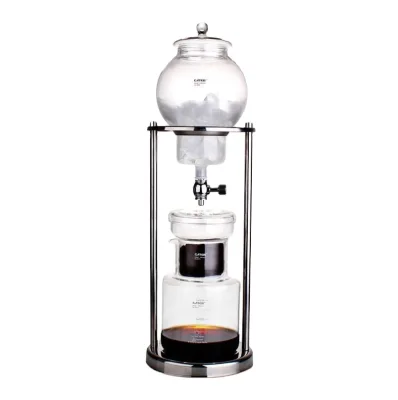
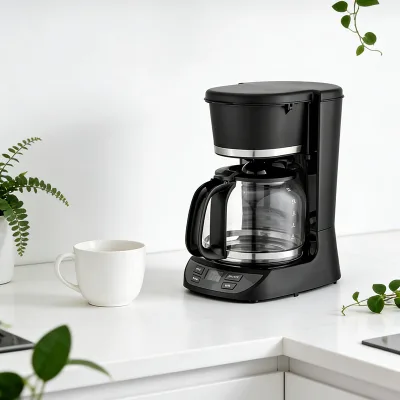
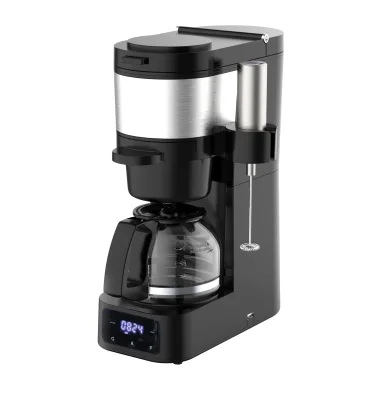
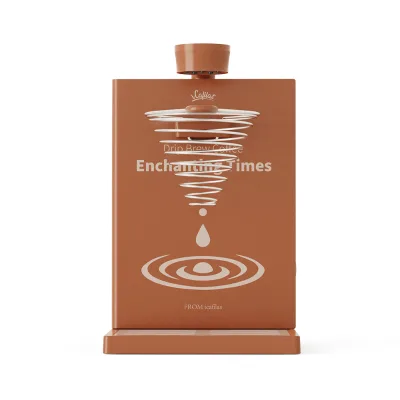
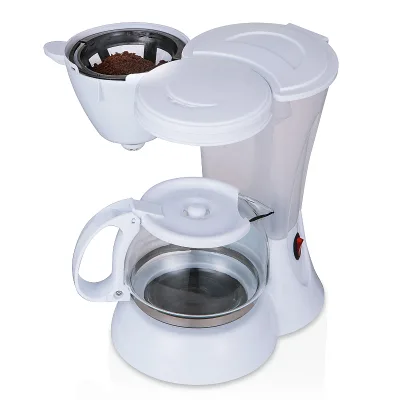
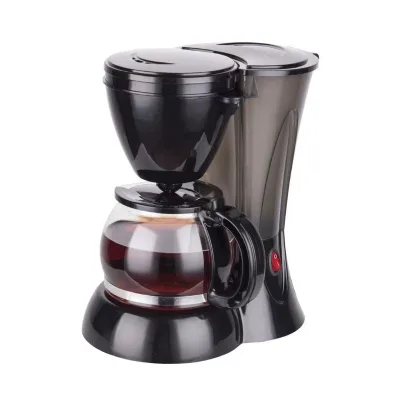
Comprehensive Sourcing Guide
Turkish Style Drip Coffee Maker Sourcing Guide
Sourcing equipment for specialized brewing methods requires careful alignment of mechanical design with operational intent. The observed market listings indicate a diverse range of units, from manual coin-feed styles to semi-automatic electric models. Buyers must distinguish between traditional drip mechanisms and pump-pressure systems, as the latter often implies higher pressure extraction suitable for espresso-style drinks rather than standard Turkish preparation. Understanding these fundamental working principles is the first step in defining accurate technical requirements for your procurement strategy.
Commercial viability depends heavily on matching the machine’s capacity and power source to your specific venue type. Listings show capacities ranging from under five cups to twelve cups, with power ratings observed at 600W and 800W. These variations directly impact throughput and energy consumption in high-volume environments like hotels or busy households. Procurement teams should evaluate whether the single-service function or broader brewing system best supports their service model, ensuring that the selected hardware integrates seamlessly into existing kitchen workflows without causing bottlenecks.
Product Scope and Observed Listing Signals
The current supply landscape features units constructed from various materials, including stainless steel, plastic, and combinations such as plastic with stainless steel 201. Housing material selection influences both durability and aesthetic appeal, with some models offering customized colors to match brand identities. Buyers should note that while some listings specify manual procedures, others indicate semi-automatic operations, suggesting a spectrum of user interaction levels. This diversity allows for tailored sourcing based on whether staff training resources are limited or if a premium, hands-on brewing experience is desired.
Packaging and physical dimensions vary significantly across different models, impacting logistics and storage efficiency. Observed standard dimensions include measurements like 16.7cm by 14.7cm by 17cm, as well as larger formats such as 300mm by 143mm by 279mm. Net weights range from 0.3kg to 1.4kg, which affects shipping costs and handling requirements. Procurement planners must account for these physical attributes when calculating landed costs, ensuring that the packaging type, whether gift boxes or bulk cartons, aligns with the final distribution channel and retail presentation needs.
Technical Specifications to Verify
Power consumption is a critical technical parameter that varies between observed listings, with specific wattages noted at 600W and 800W. Buyers must verify the actual power draw against their facility’s electrical infrastructure to prevent overloads, especially in commercial settings with multiple appliances. Additionally, the working principle, whether hydrocone type or pump pressure, dictates the brewing mechanics and maintenance requirements. It is essential to confirm that the chosen mechanism aligns with the desired coffee profile, as pump pressure systems may require different water quality standards and filter maintenance compared to gravity-fed drip systems.
Capacity and output consistency are vital for operational planning, with observed capacities ranging from less than five cups to twelve cups. The model numbers, such as BM-CF10, BM-CF11, and YD-1233, often correlate with specific feature sets and build qualities. Buyers should request detailed technical datasheets that confirm the single-service function or brew system capabilities. Verifying the operating language, typically English in observed listings, ensures that user interfaces are accessible to your staff, reducing the risk of operational errors and improving overall user experience during peak service hours.
Compliance and Safety Documentation
Certification requirements are non-negotiable for international trade, and observed listings frequently cite CE, GS, RoHS, EMC, CB, and LFGB standards. These certifications indicate compliance with European safety, electromagnetic compatibility, and food contact material regulations. Buyers must request valid certificates from suppliers and verify their authenticity through recognized testing bodies. The presence of ETL certification in some listings suggests adherence to North American safety standards, which is crucial if sourcing for markets outside Europe. Ensuring that all relevant certifications are up-to-date protects against customs delays and liability issues in the destination market.
Food safety standards are particularly important for coffee makers, given direct contact with consumables. LFGB certification, observed in multiple listings, specifically addresses German food safety laws, which are among the strictest globally. Buyers should verify that all materials, including the housing and internal components, are certified as food-grade. This is especially relevant for models using plastic components, where chemical migration risks must be mitigated. Confirming these standards ensures that the equipment meets the highest hygiene expectations, safeguarding consumer health and maintaining brand reputation in competitive markets.
Cost Drivers and Commercial Terms
Pricing in the observed market ranges from 2.1 USD to 55 USD, reflecting significant variations in build quality, certification levels, and feature sets. Minimum order quantities (MOQ) vary widely, from 1 unit to 3000 units, allowing flexibility for both small retailers and large distributors. Buyers should analyze the price-to-feature ratio carefully, considering that lower prices may correlate with basic materials or limited after-sales support. Understanding the cost structure helps in negotiating better terms, especially when leveraging volume discounts or requesting custom packaging solutions that may incur additional fees.
After-sales service and warranty terms are key components of the total cost of ownership. Observed listings commonly offer free spare parts and a one-year warranty, which reduces long-term maintenance expenses. Buyers should clarify the scope of these services, including response times and coverage for labor or shipping costs. OEM and ODM acceptability is also noted, providing opportunities for brand differentiation. However, customizations may impact lead times and initial costs, so procurement teams must balance customization benefits against potential delays and increased unit prices in their financial models.
Supplier Qualification and Quality Control
Supplier verification is critical to ensure reliability and consistency in product quality. Buyers should assess the supplier’s production capabilities, focusing on their experience with coffee maker manufacturing and their ability to meet specific technical requirements. The place of origin, primarily Guangdong, China, indicates a mature manufacturing hub with established supply chains. However, buyers must conduct thorough due diligence, including factory audits and sample testing, to verify that production processes adhere to international quality standards. This step is essential to mitigate risks associated with inconsistent build quality or material substitutions.
Quality control protocols should be clearly defined and enforced throughout the production process. Buyers should request detailed inspection reports and verify that random sampling tests are conducted before shipment. The availability of private molds, noted as "No" in some listings, suggests that many suppliers use standard designs, which may limit customization options but can reduce development costs. For buyers requiring unique features, confirming the availability of custom molds and the associated tooling costs is necessary. Establishing clear quality benchmarks and acceptance criteria helps ensure that delivered products meet the specified performance and durability expectations.
Long-Term Procurement Checks
Sustainability and lifecycle management are increasingly important factors in procurement decisions. Buyers should evaluate the energy efficiency of the units, considering the observed power ratings of 600W and 800W, to minimize operational costs over time. Additionally, the availability of spare parts and the ease of maintenance are crucial for extending the product’s lifespan. Suppliers offering comprehensive after-sales support, including free spare parts, provide greater long-term value. Procurement teams should also consider the environmental impact of materials used, such as the recyclability of stainless steel and plastic components, to align with corporate sustainability goals.
Market trends and technological advancements require continuous monitoring to stay competitive. The shift towards semi-automatic and pump-pressure systems may indicate changing consumer preferences for faster and more versatile brewing options. Buyers should stay informed about emerging certifications and standards, such as new EMC or RoHS updates, to ensure ongoing compliance. Regularly reviewing supplier performance and product feedback helps identify areas for improvement and informs future sourcing decisions. By maintaining a proactive approach to procurement, buyers can secure reliable supply chains and deliver high-quality products that meet evolving market demands.
FAQs
What certifications do these coffee makers have?
These units typically hold CE, GS, RoHS, EMC, CB, and LFGB certifications. Some models also feature ETL certification. These credentials ensure compliance with international safety and environmental standards for commercial and home use applications.
Can I customize the color and branding?
Yes, customization is available for color and branding. OEM and ODM services are acceptable for many manufacturers. Buyers can request specific color options to match their brand identity, though private molds may not be available for all models.
What is the power consumption of these makers?
Power ratings vary between 600W and 800W depending on the specific model. Electric power sources are standard. This range supports efficient brewing for single-service or drip coffee making in hotel, household, or commercial settings.
What materials are used in the housing?
Housing materials include stainless steel, plastic, and PP. Some models use a combination of plastic and stainless steel 201. These materials ensure durability and safety for both commercial and home use environments.
What is the warranty period for these products?
The standard warranty period is typically one year. After-sales service often includes free spare parts. This support helps maintain operational continuity for buyers using these machines in hotels or households.
What is the minimum order quantity for bulk purchases?
MOQs range from 1 to 3000 units depending on the supplier and customization level. Standard models may have lower MOQs, while customized orders might require higher volumes. Buyers should verify specific requirements with manufacturers.