Source Automatic Fruit and Vegetable Packing Machine for Apples, Bananas, and Tomatoes
Compare 30 models of automatic fruit and vegetable packing machines with varying speeds and film capacities. Buyers can evaluate specifications like voltage, dimensions, and packing speeds to find the right equipment for processing apples, bananas, and tomatoes.
Key considerations
Products List
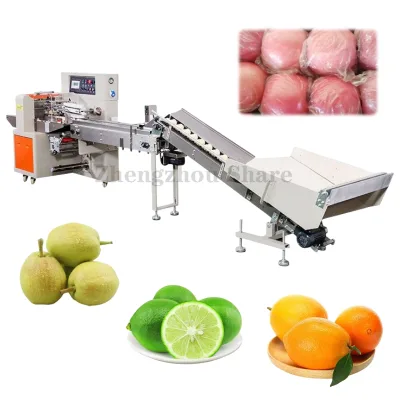
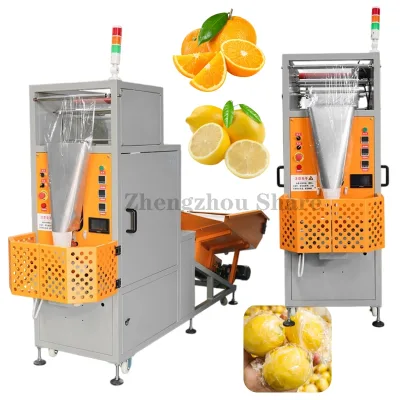


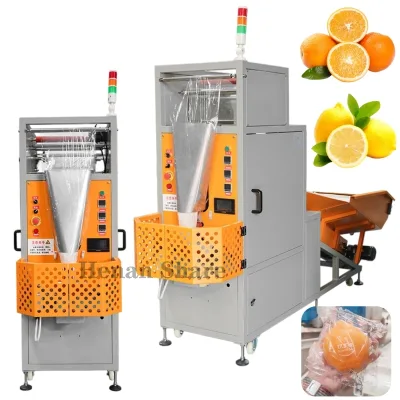


Continuous Vegetable and Fruit Packaging Line Equipment Food Packing Machinery
$11200.00 - $12380.00
MOQ: 1 pc

Comprehensive Sourcing Guide
Strategic Sourcing Guide for Automatic Fruit and Vegetable Packing Machines
Understanding Core Technical Specifications and Variability
When sourcing automatic fruit and vegetable packing machines, buyers must first navigate the significant variance in technical specifications that exist even within a single product category. The market offers machines designed for different scales of operation, ranging from compact units suitable for small businesses to high-capacity industrial systems. A critical observation in the current supply landscape is the divergence in physical dimensions and power requirements. For instance, specific models in the current inventory feature dimensions of 37706701450MM, while others are configured at 28308231688MM or 40906801420mm. These physical differences directly impact the floor space required for installation and the logistical complexity of shipping.
Power consumption is another primary differentiator. Buyers should expect to encounter units with power ratings such as 1.8kw or 2.4kw, driven by electric motors. The voltage requirements also vary, with some machines operating on 220V systems and others requiring 380V industrial power. This distinction is vital for facilities in regions with specific electrical infrastructure standards. The packing speed capabilities further define the machine's utility, with observed ranges spanning from 40 to 230 bags per minute for film-based systems, while other configurations offer speeds of 90 to 95 pieces per minute. This variance suggests that a single "one-size-fits-all" approach is insufficient; procurement must align the machine's throughput with the specific volume of the fruit or vegetable processing line.
Furthermore, the mechanical constraints regarding the packaging material are strict. The maximum film roll diameter is often capped at 320mm, and the maximum film width is similarly limited to 320mm or 250mm depending on the model. The bag dimensions are also highly specific, with bag lengths ranging from 65-190mm or 120-280mm, and widths between 30-110mm. For products like apples or similar fruits, the machine must accommodate a fruit size range, typically observed between 40-90mm, and the product height must not exceed 40mm in certain configurations. These hard constraints mean that the buyer's existing inventory of fruit sizes and preferred packaging films must be cross-referenced against the machine's specification sheet before any purchase decision is made.
Operational Capabilities and Functional Design
The functional design of these automatic packing machines centers on efficiency and ease of operation, which are often cited as key selling points. The core components driving these operations are typically electric motors, ensuring a consistent and reliable power source for the packing mechanism. The automatic grade of these machines is a critical feature, allowing for high-speed, unattended operation that reduces labor costs and minimizes human error in the packaging process. The primary function is strictly defined as packing, specifically tailored for fruits and vegetables, ensuring that the machinery is optimized for the unique handling requirements of produce, which can be delicate and irregular in shape.
The driven type for these units is consistently electric, which simplifies maintenance and integration into existing factory power grids. The ability to customize the machine is a notable feature available in the market, allowing buyers to tailor the equipment to specific production needs. This customization might involve adjusting the bag length and width settings to match unique product requirements or integrating specific film types. The packaging type is predominantly film, which offers flexibility in branding and product protection. The machines are designed to handle a wide variety of produce, with keywords and applications frequently referencing "fruit packing machine," "apple packing machine," and broader categories like "vegetable packing machine."
The operational speed is a critical metric for buyers evaluating return on investment. The observed production capacity ranges significantly, with some models capable of 40-230 bags per minute, while others operate at 90-95 pieces per minute. This variance allows buyers to select a machine that matches their specific throughput requirements without over-investing in unnecessary capacity or under-investing in a bottleneck. The machine's weight, ranging from 260kg to 500kg, also influences the installation process, requiring a stable foundation to prevent vibration and ensure precision during high-speed operation. The inclusion of a video outgoing-inspection service provided by suppliers adds a layer of transparency, allowing buyers to verify the machine's condition and functionality before it leaves the manufacturing facility.
Compliance, Certification, and Safety Verification
In the realm of B2B procurement for food processing equipment, compliance and safety verification are paramount, even when specific certification documents are not explicitly listed in the product description. Buyers must recognize that the absence of a listed certification in a product listing does not imply non-compliance, but rather necessitates a proactive verification process. The primary application of these machines is for food, specifically fruits and vegetables, which subjects them to strict hygiene and safety standards. While the provided data highlights the "application: Food" attribute, it does not list specific certifications such as CE, ISO, or FDA compliance. Therefore, the procurement strategy must include a direct inquiry to the supplier regarding the machine's adherence to international food safety standards and electrical safety regulations.
The electrical specifications, such as 220V and 380V, must be verified against the local grid standards of the buyer's facility. In many regions, food processing equipment must meet specific electrical safety codes to prevent hazards in wet or humid environments common in fruit and vegetable processing. The core components, primarily the motor, should be inspected for compliance with relevant motor efficiency and safety standards. Additionally, the machine's construction materials, including the film handling mechanisms, must be food-grade to prevent contamination. Buyers should request material safety data sheets (MSDS) or certificates of compliance for all parts that come into direct contact with the produce.
The warranty period of 2 Years is a significant indicator of the manufacturer's confidence in their product's durability and safety. However, this warranty should be scrutinized for what it covers, particularly regarding electrical components and mechanical wear. The provision of video technical support and online support as after-sales services is a positive indicator, suggesting that the supplier is equipped to assist with troubleshooting and maintenance. This support structure is crucial for ensuring that the machine remains compliant with safety standards throughout its operational life. Buyers should also verify if the supplier provides documentation for the machine's design and operation that aligns with local occupational health and safety regulations.
Cost Drivers and Financial Considerations
The financial landscape of sourcing automatic fruit and packing machines is influenced by several distinct cost drivers beyond the base unit price. The observed price range in the market spans from 0 to 240,000 USD, a vast disparity that reflects differences in machine complexity, capacity, and customization levels. This wide range indicates that the cost is not linearly correlated with the machine's size but is heavily dependent on the specific features and performance capabilities required. Buyers must carefully analyze the total cost of ownership, which includes not only the purchase price but also installation, maintenance, energy consumption, and potential downtime costs.
Energy consumption is a direct cost driver, with power ratings varying between 1.8kw and 2.4kw. While these figures may seem modest, the cumulative cost over the machine's lifespan can be significant, especially in facilities running multiple shifts. The voltage requirement (220V vs. 380V) can also impact installation costs, as higher voltage systems may require specialized electrical infrastructure upgrades. The weight of the machine, ranging from 260kg to 500kg, influences shipping and handling costs, particularly if the equipment needs to be transported internationally. The packaging type, often an exported wooden case or plywood, adds to the shipping volume and weight, further affecting logistics expenses.
Customization is another major factor influencing cost. While customization is available, it typically incurs additional charges for engineering time, modified tooling, and specialized components. The production capacity, ranging from 40 to 230 bags per minute, is a key determinant of value. A machine with higher throughput may have a higher upfront cost but can offer a better return on investment through increased efficiency and reduced labor costs. The warranty period of 2 Years is a standard offering, but extended warranties or service contracts may be available at an additional cost. Buyers should also consider the cost of spare parts, such as motors and film rollers, which are critical for maintaining continuous operation.
Supplier Evaluation and Reliability Assessment
Evaluating suppliers for automatic fruit and vegetable packing machines requires a rigorous assessment of their technical capabilities, support infrastructure, and track record. The place of origin for many of these machines is Henan, China, a region known for its manufacturing base in agricultural machinery. However, the location of the supplier does not guarantee quality; buyers must verify the supplier's specific manufacturing capabilities and quality control processes. The availability of video outgoing-inspection is a valuable tool for supplier evaluation, allowing buyers to visually confirm the machine's assembly and functionality before shipment. This transparency helps mitigate the risk of receiving substandard equipment.
After-sales service is a critical component of supplier evaluation. The provision of video technical support and online support indicates a commitment to customer satisfaction and long-term relationship building. Buyers should assess the responsiveness and expertise of the support team, as technical issues can arise that require immediate attention to prevent production stoppages. The warranty period of 2 Years is a standard benchmark, but the terms and conditions of the warranty should be carefully reviewed. Buyers should also inquire about the availability of spare parts and the lead times for their delivery, as delays in receiving critical components can halt production.
The brand name "SHARE" is observed in the product listings, but buyers should not rely solely on brand recognition. Instead, they should verify the brand's reputation through independent reviews, customer testimonials, and industry references. The ability to customize the machine is a strong indicator of a supplier's flexibility and technical competence. Buyers should engage with the supplier to discuss their specific requirements and evaluate the supplier's willingness to adapt the machine to meet those needs. The production capacity and packing speed are also indicators of the supplier's ability to deliver high-performance equipment. A supplier that can consistently meet the specified production targets is more likely to provide reliable and efficient machinery.
Quality Control and Long-Term Procurement Strategy
Implementing a robust quality control strategy is essential for ensuring the long-term success of the procurement process. The observed specifications, such as the film roll diameter, bag dimensions, and fruit size compatibility, must be rigorously tested during the acceptance phase. Buyers should establish clear acceptance criteria based on the machine's performance metrics, including packing speed, film usage efficiency, and product damage rates. The video outgoing-inspection provided by the supplier is a useful starting point, but on-site testing or third-party inspection may be necessary to verify the machine's performance under actual operating conditions.
Long-term procurement considerations extend beyond the initial purchase to include maintenance, upgrades, and potential scalability. The automatic grade of the machine suggests a high level of automation, which requires regular maintenance to ensure optimal performance. Buyers should develop a maintenance schedule that includes routine inspections of the motor, film rollers, and other core components. The warranty period of 2 Years provides a safety net for early-life failures, but buyers should plan for costs beyond this period. The availability of spare parts and the supplier's support infrastructure will be critical in minimizing downtime and extending the machine's lifespan.
Scalability is another important factor. As the business grows, the need for higher production capacity may arise. Buyers should evaluate whether the current machine can be upgraded or if additional units are required. The customization options available in the market offer flexibility for future expansion, but buyers should plan for the potential costs associated with these upgrades. The energy efficiency of the machine, indicated by its power rating, should also be considered in the context of long-term operational costs. By adopting a strategic approach to procurement that prioritizes quality, support, and scalability, buyers can ensure that their investment in automatic fruit and vegetable packing machines delivers sustained value and operational efficiency.
Comparative Analysis of Machine Configurations
To facilitate informed decision-making, it is helpful to compare the key specifications of different machine configurations available in the market. The following table summarizes the observed variations in dimensions, power, weight, and capacity, providing a clear overview of the options.
| Feature | Configuration A | Configuration B | Configuration C |
|---|---|---|---|
| Model Number | SR-SGBZJ | SR-CZBZJ | MZ-250B |
| Dimensions (LWH) | 37706701450MM | 28308231688MM | 40906801420mm |
| Weight | 450 KG | 260 KG | 500 KG |
| Power | 2.4kw | 1.8kw | 2.4kw |
| Voltage | 220 V, 380 V | 220 V | 220V, 50/60Hz |
| Packing Speed | 40-230 bag/min | 90-95 pcs/min | N/A |
| Max Film Width | 250mm | 320mm | N/A |
| Max Film Roll Dia | 320mm | N/A | N/A |
| Fruit Size | N/A | 40-90mm | N/A |
| Bag Length | N/A | 65-190 or 120-280mm | N/A |
| Bag Width | N/A | 30-110mm | N/A |
| Product Height | N/A | Max. 40mm | N/A |
| Warranty | 2 Years | 2 Years | 2 Years |
| Origin | Henan, China | Henan, China | Henan, China |
This comparison highlights the diversity in machine designs and capabilities. Configuration A offers a high-speed bagging capability with a larger footprint, suitable for high-volume operations. Configuration B is more compact with a lower power requirement, ideal for smaller facilities or specific fruit sizes. Configuration C represents a heavy-duty option with a larger machine size and weight, potentially offering greater stability and capacity for industrial applications. Buyers should select the configuration that best aligns with their specific operational needs, space constraints, and production goals.
FAQs
What is the packing speed of these automatic fruit and vegetable packing machines?
The packing speed ranges from 40 to 230 bags per minute depending on the specific model selected. Some configurations offer a speed of 90 to 95 pieces per minute for smaller fruit sizes. Buyers must match the machine's throughput to their specific production volume requirements.
Which voltage options are available for the Automatic Fruit and Vegetable Packing Machine?
These machines operate on 220 V or 380 V electrical systems to accommodate different facility standards. The power consumption varies between 1.8kw and 2.4kw depending on the model configuration. Buyers should verify their local grid infrastructure before selecting a specific unit.
How large are the dimensions of the Automatic Fruit and Vegetable Packing Machine?
Machine dimensions vary significantly, with observed sizes including 3770*670*1450MM or 2830*823*1688MM. Some larger models measure 4090*680*1420mm. These physical differences directly impact the floor space required for installation and the complexity of shipping logistics.
Can the Automatic Fruit and Vegetable Packing Machine be customized for specific needs?
Yes, customization is available to tailor the equipment to specific production requirements. Buyers can adjust bag length settings ranging from 65 to 190mm or 120 to 280mm and widths between 30 to 110mm. This flexibility allows the machine to handle unique product dimensions effectively.
What warranty and after-sales support are provided for the Automatic Fruit and Vegetable Packing Machine?
A standard warranty period of 2 Years is provided for these machines. Suppliers offer video technical support and online support to assist with troubleshooting and maintenance. This support structure ensures that the equipment remains operational and compliant with safety standards throughout its lifecycle.
What is the maximum film width and roll diameter for the Automatic Fruit and Vegetable Packing Machine?
The maximum film roll diameter is capped at 320mm for most models. The maximum film width is typically limited to 250mm or 320mm depending on the specific configuration. These constraints mean buyers must ensure their preferred packaging films align with the machine's mechanical limits.