Source Automatic Fruit Pitting Machine for Cherries, Dates, Olives
Find and compare 30 Automatic Fruit Pitting Machine options for processing cherries, dates, and olives. These units feature 304 stainless steel construction, customizable voltages, and high pitting rates to streamline your fruit processing operations efficiently; compare the available evidence and request quotations based on your requirements.
Key considerations
Products List


Automatic Cherry Pitter Fast Remove Corer Machinery Cherry Fruit Pitting Machine
$4660.00 - $8880.00
MOQ: 1 Pieces

Easy Operation 45mm Olive Pitter Fruit Pitting Machine with Cheap Price
$3300.00 - $7120.00
MOQ: 1 Sets


Advanced Multifunctional Fruit Pitting Machine for Efficient Seed Removal
$1600.00 - $1900.00
MOQ: 1 Pieces




Comprehensive Sourcing Guide
Automatic Fruit Pitting Machine Sourcing Guide
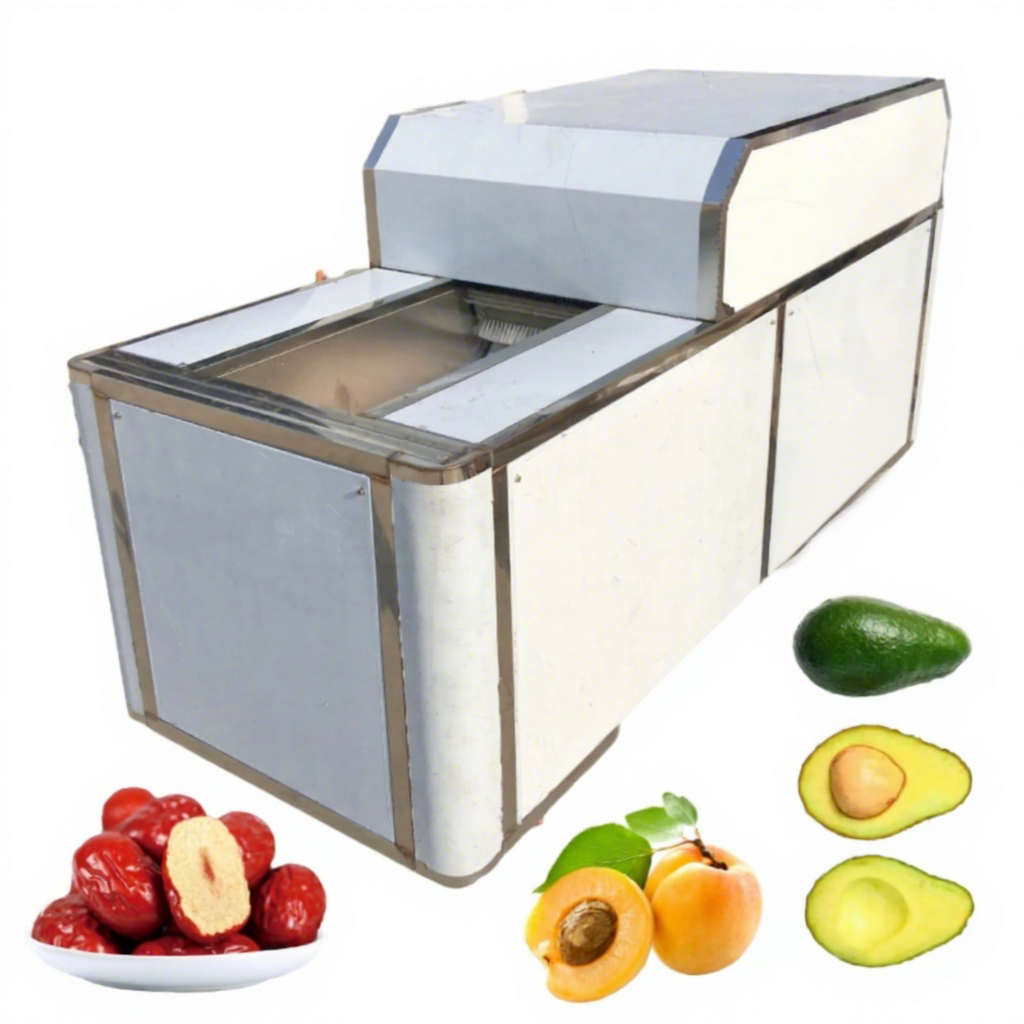
Sourcing an Automatic Fruit Pitting Machine requires careful evaluation of mechanical precision, material compatibility, and throughput capacity. Buyers must distinguish between specialized units for stone fruits like cherries and apricots versus multi-purpose systems for dates or olives. The observed market includes models such as the BX-QH and LFWP-2, which vary significantly in footprint and operational voltage. Understanding these distinctions is critical for aligning equipment with specific production lines and fruit varieties.
Procurement decisions should also account for customization availability and packaging standards. Many suppliers offer tailored solutions for specific fruit shapes, ensuring minimal damage during the pitting process. Verification of power requirements, such as 220V or 380V systems, is essential to match existing factory infrastructure. Additionally, confirming the manufacturing origin and lead times helps in planning production schedules and managing inventory risks effectively.
Product Scope and Observed Listing Signals
The current market landscape for automatic fruit pitting machines reveals a diverse range of capabilities tailored to different stone fruits. Listings frequently highlight specific applications, including pitting for cherries, apricots, plums, hawthorns, apples, dates, and olives. This specialization indicates that buyers should not assume a single machine can handle all fruit types efficiently. Instead, procurement teams must identify the primary fruit variety to ensure the selected equipment matches the required mechanical action and seed removal precision.
Observed listing signals also point to variations in machine models and physical dimensions. For instance, models like the LF-QH500 and Atzqh-190 come with distinct size specifications, ranging from compact units to larger industrial footprints. Buyers should note that some listings specify capacities up to 37,800 pieces per hour, while others focus on high pitting rates of 99%. These metrics serve as key indicators of throughput potential, allowing buyers to estimate production efficiency and calculate return on investment based on their specific volume requirements.
Technical Specifications to Verify
Voltage and power consumption are primary technical factors that must be verified before purchase. The market offers machines operating on both 220V and 380V systems, with power ratings typically ranging from 1.1KW to 1.5KW. Buyers must ensure their facility’s electrical infrastructure can support the selected voltage to avoid costly retrofits or operational failures. Additionally, confirming the power rating helps in estimating energy costs and ensuring the motor has sufficient torque for continuous high-speed operation without overheating.
Material construction and physical dimensions are equally critical for durability and facility planning. Most high-quality machines utilize 304 stainless steel or SUS304 for food-contact surfaces, ensuring hygiene and corrosion resistance. Dimensions vary significantly, with some units measuring around 400012001300mm, while others are more compact at 230012801220mm. Buyers should verify these dimensions against their available floor space and confirm that the machine’s weight and footprint align with their logistical and installation capabilities.
Compliance and Safety Documentation
Food safety compliance is paramount when sourcing equipment that processes consumable goods. Buyers must verify that all components contacting fruit are made from food-grade materials, such as 304 stainless steel, to prevent contamination. It is essential to request material certificates or mill test reports from suppliers to confirm the grade of steel used. This documentation ensures that the machine meets international food safety standards and protects the brand from liability issues related to product contamination or material degradation.
Electrical safety certifications are another crucial area of verification. Machines must comply with relevant regional electrical safety standards to ensure safe operation in industrial environments. Buyers should ask for proof of compliance with standards such as CE or local equivalents, depending on the destination market. Additionally, verifying that the machine includes necessary safety guards, emergency stop buttons, and proper grounding is vital to protect operators and maintain a safe working environment during high-speed pitting operations.
Cost Drivers and Commercial Terms
Pricing for automatic fruit pitting machines varies widely based on automation level, capacity, and customization. The observed price range spans from approximately $1,299 to $16,000, reflecting differences between basic manual-assist models and fully automatic industrial systems. Buyers should understand that higher prices often correlate with advanced features such as automatic seed removal, higher throughput, and superior build quality. It is important to evaluate the total cost of ownership, including maintenance and energy consumption, rather than focusing solely on the initial purchase price.
Minimum order quantities (MOQ) and lead times are significant commercial factors that impact procurement planning. Observed MOQs are typically low, ranging from 1 to 2 units, which facilitates testing and small-scale production runs. However, manufacturing lead times can extend up to 28 days, requiring buyers to plan orders well in advance. Additionally, packaging methods, such as wooden boxes or standard wooden cases, affect shipping costs and protection during transit, so buyers should clarify these terms to avoid unexpected logistics expenses.
Supplier Qualification and Quality Control
Supplier verification is essential to ensure reliability and consistent product quality. Buyers should prioritize suppliers with a proven track record in fruit processing machinery, particularly those originating from established manufacturing hubs like Henan or Zhengzhou in China. Checking the supplier’s business license, export history, and client references can provide insights into their operational stability and customer satisfaction levels. A qualified supplier should be transparent about their manufacturing processes and willing to provide detailed technical documentation.
Quality control measures should be clearly defined before placing an order. Buyers should inquire about factory inspections, pre-shipment testing, and warranty terms. It is advisable to request video demonstrations of the machine in operation to verify performance and pitting accuracy. Additionally, confirming the availability of spare parts and technical support after purchase is crucial for minimizing downtime. A reliable supplier will offer comprehensive after-sales service, including installation guidance and troubleshooting assistance, to ensure long-term operational success.
Long-Term Procurement Checks
Continuous monitoring of machine performance is vital for maintaining production efficiency. Buyers should establish key performance indicators, such as pitting rate, fruit damage percentage, and maintenance frequency, to evaluate the machine’s long-term reliability. Regular audits of the equipment’s condition, including wear on pitting tools and motor health, can help identify potential issues before they cause significant disruptions. Implementing a preventive maintenance schedule based on manufacturer recommendations will extend the machine’s lifespan and ensure consistent output quality.
Supply chain resilience should also be considered for ongoing procurement needs. Buyers should assess the availability and cost of replacement parts, such as pitting needles or belts, to avoid production halts due to component failure. Building a strong relationship with the supplier can facilitate faster access to spare parts and technical support. Additionally, staying informed about technological advancements in fruit pitting machinery can help buyers upgrade their equipment periodically to improve efficiency and adapt to changing market demands.
FAQs
What is the voltage requirement for the Automatic Fruit Pitting Machine?
The machine operates on 380V or 220V depending on the specific model configuration. Buyers should verify the voltage compatibility with their local power supply before ordering to ensure safe and efficient operation during the fruit processing workflow.
Which material is used to construct the Automatic Fruit Pitting Machine?
The equipment is primarily constructed from 304 Stainless Steel or SUS304 to ensure hygiene and durability. This material choice prevents corrosion and meets food safety standards required for processing various fruits like cherries, apricots, and plums in industrial settings.
Can the Automatic Fruit Pitting Machine be customized for specific needs?
Yes, customization is available for the machine to meet specific production requirements. Buyers can request tailored specifications while noting that the standard manufacturing time is approximately 28 days for these customized units before shipment from the factory.
How is the Automatic Fruit Pitting Machine packed for shipping?
The unit is packed in a standard wooden box or wooden case package to ensure safe transport. This robust packaging protects the machinery during transit from the origin in Henan or Zhengzhou, China, to the final destination of the buyer.
What is the production capacity of the Automatic Fruit Pitting Machine?
One specific model achieves a capacity of 37800 pieces per hour for efficient processing. This high output rate makes the machine suitable for large-scale fruit processing operations requiring rapid seed removal from various types of stone fruits.
What is the lead time for manufacturing the Automatic Fruit Pitting Machine?
The standard manufacture time is 28 days from the order confirmation date. This duration covers the production and quality checks before the machine is packed in a wooden case and prepared for shipment from the Chinese manufacturing facility.