Find Automatic Mobile Road Cold Planer for Asphalt, Concrete, and Pavement
Source an Automatic Mobile Road Cold Planer from 30 verified listings. Buyers can compare specifications like milling width, depth, and power to find suitable equipment for asphalt, concrete, and pavement applications.
Key considerations
Products List

Cold Planer Asphalt Pavement Road Cold Planer Road Milling Machine
$280000.00 - $300000.00
MOQ: 1 Pieces

Cold Planer Advanced Milling Machine Asphalt Concrete Road Maintenance
$280000.00 - $300000.00
MOQ: 1 Pieces

Pavement Cold Planer Road Durable Advanced Professional Cold Milling Machine
$280000.00 - $300000.00
MOQ: 1 Pieces

Concrete Road Planer Road Floor Cold Milling Machine Concrete Asphalt Scarifying Machine
$280000.00 - $300000.00
MOQ: 1 Pieces

Cold Planer Machine Used Asphalt Road Planer Milling Machinery CNC Machine
$280000.00 - $300000.00
MOQ: 1 Pieces

Professional Milling Machine Cold Planer Road Milling Machine From China
$280000.00 - $300000.00
MOQ: 1 Pieces


Road Construction 2m Xm200K Cold Milling Machine Cold Planer Asphalt Recycling
$56000.00 - $68000.00
MOQ: 1 Pieces


Cold Planer 500mm Road Milling Xm503K Cold Planer Machine for Sale
$66000.00 - $68600.00
MOQ: 1 Pieces

Cold Milling Machine Screed Road Paver Cold Milling Machine Xm405 Cold Planer
$56000.00 - $59500.00
MOQ: 1 Pieces

Cold Milling Machine Municipal Maintenance China Xm405s 400mm Cold Planer
$6000.00 - $55000.00
MOQ: 1 Pieces


1200mm Xm1205f Cold Planer Asphalt Pavement Road Cold Planer Road Milling Machine
$51000.00 - $53000.00
MOQ: 1 Pieces
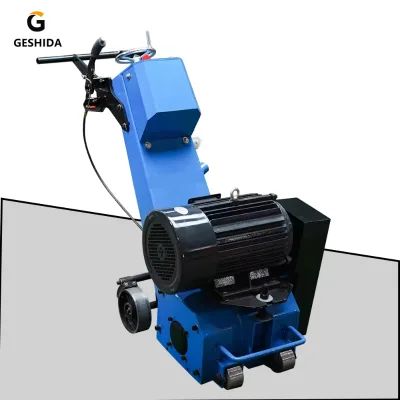
Concrete Loosening Machine, Floor Loosening Machine, Road Cold Milling Planer
$646.59 - $962.75
MOQ: 1 pieces

Road Construction Machinery 2m Xm2005K New Cold Planers for Asphalt Concrete Pavement
$109000.00 - $110000.00
MOQ: 1 Pieces


New 1.2m Crawler Asphalt Concrete Road Milling Machine Cold Planer Xm1205f Price for Sale
$174000.00 - $176000.00
MOQ: 1 Pieces


Asphalt Road Cold Milling Machine Planer with 300/500/1000/1300/2000mm
$20000.00 - $82000.00
MOQ: 1 Pieces


XCMG Used Xm200kii 200mm Cold Planer Milling Asphalt Road Machine Price
$107000.00 - $110000.00
MOQ: 1 Pieces


Asphalt Planer Machinery Xm503K Asphalt Cold Milling Machine Price
$25000.00 - $33500.00
MOQ: 1 Pieces
Comprehensive Sourcing Guide
Strategic Sourcing Guide for Automatic Mobile Road Cold Planers
The global infrastructure sector relies heavily on efficient road maintenance and rehabilitation technologies. Among these, the Automatic Mobile Road Cold Planer stands out as a critical asset for removing asphalt and concrete layers with precision. For procurement professionals, navigating the market requires a disciplined approach that distinguishes between verified product attributes and general market expectations. This guide synthesizes observed market data and technical specifications to provide a robust framework for sourcing these heavy-duty machines, ensuring that buyers make informed decisions based on tangible evidence rather than unverified claims.
Technical Specifications and Operational Capabilities
When evaluating an Automatic Mobile Road Cold Planer, the primary focus must be on the machine's physical dimensions, power output, and milling capabilities. The observed market data reveals a diverse range of specifications, indicating that a "one-size-fits-all" approach is insufficient. Buyers must scrutinize the working width and depth, as these directly dictate the machine's utility for specific projects. For instance, specific models in the current market offer a maximum milling width of 2000mm, suitable for wide lane removal, while other configurations may feature a working width of 200mm for precision cutting or trenching. Similarly, the maximum milling depth is a critical performance metric; observed data indicates depths ranging from 0-5mm for light surface treatments to 320mm for deep structural removal.
Power and automation levels are equally significant. The market presents a spectrum of automatic grades, from fully automatic systems to semi-automatic and non-automatic models. A fully automatic system often integrates advanced control logic to maintain consistent milling depth and speed, reducing operator fatigue and improving surface finish. Power ratings observed in the sector vary significantly, with some heavy-duty units rated at 477kw and others at 447kw. The engine model, such as the Qsx15, is a key indicator of the machine's torque and reliability under load. Furthermore, the cooling system type, specifically water cooling, is essential for maintaining engine integrity during continuous operation.
The physical configuration of the machine also influences its mobility and setup time. The moving type is consistently identified as "Mobile," which implies the machine is designed to be transported between job sites, often requiring specific transport dimensions. The working weight, observed at 34000kg for certain models, dictates the transport logistics and the need for specialized trailers. Additionally, the arrangement of cutting tools is vital; some units are equipped with 168 or 146 tools, while others utilize 90 pieces of cutters distributed across 6 shafts. The number and arrangement of these tools affect the milling rate and the quality of the resulting surface texture.
Compliance, Certification, and Safety Standards
In the international B2B machinery market, compliance with safety and quality standards is non-negotiable. The observed product data highlights that many units carry CE and ISO9001 certifications. The CE marking indicates conformity with health, safety, and environmental protection standards for products sold within the European Economic Area, while ISO9001 signifies that the manufacturer adheres to a recognized quality management system. However, buyers must verify that these certifications are current and applicable to the specific model being purchased, as certifications can sometimes be generic to a brand rather than specific to a model's design.
Beyond certifications, the adherence to specific product standards is crucial. Data indicates that models such as the W205P and SM200M-C6 adhere to specific standard specifications, which may include dimensional tolerances and performance benchmarks. The standard specification size for certain units is listed as 7650 * 2580 * 3000mm, providing a clear reference for transport and storage requirements. It is imperative for buyers to request the specific test reports and compliance documentation that validate these claims. The absence of a specific standard number in a listing should trigger a request for clarification from the supplier, as relying on vague "standard specification size" descriptions can lead to procurement of non-compliant equipment.
Cost Drivers and Pricing Dynamics
The pricing of automatic mobile road cold planers is influenced by a complex interplay of factors, including power output, automation level, and manufacturing origin. The observed price range in the market is extensive, spanning from $589 to $400,000. This vast disparity suggests that the market includes everything from small, entry-level units to heavy, industrial-grade machines with advanced automation. The lower end of the spectrum may represent smaller, less powerful units or potentially used equipment, while the higher end likely corresponds to high-capacity, fully automatic models with premium engine brands and extensive tooling.
Several specific attributes drive these costs. The power rating is a primary cost driver; units with 477kw or 447kw engines command a higher price than those with lower power outputs. The automation grade also significantly impacts the price, with fully automatic systems costing more due to the advanced control electronics and software integration. The fuel tank capacity, observed at 1120 liters in some models, adds to the overall weight and material cost but offers extended operational range, which can be a value-add for large-scale projects. Additionally, the origin of the product, predominantly noted as Shandong, China, influences the pricing structure due to regional manufacturing costs and logistics. Buyers should be aware that while lower prices may be attractive, they must be weighed against the long-term operational efficiency and reliability of the machine.
Typical Applications and Operational Scenarios
Understanding the intended application of the cold planer is essential for selecting the right model. The observed data indicates that these machines are designed for various objects, including asphalt concrete pavement and cement concrete pavement. This versatility allows them to be used in road reconstruction, airport runway maintenance, and highway resurfacing projects. The mixing method and capacity, while more relevant to concrete plants, provide context for the overall construction ecosystem in which these planers operate.
The moving type, identified as mobile, makes these machines ideal for projects that require frequent relocation. The continuous drum mixing method and continuous variable transmission, with a maximum laying speed of 24 m/m, suggest that these machines are optimized for high-efficiency, continuous operation. The wing angle of the conveyor, capable of ±45 degrees, allows for flexible material discharge, which is crucial for managing the milled material on-site or loading it onto transport vehicles. The hopper capacity of 15t and product capacity ranges from less than 40t/h to over 400t/h indicate that different models are suited for different project scales, from small urban repairs to massive highway overhauls.
Supplier Evaluation and Origin Verification
When evaluating suppliers, the origin of the product is a key factor. The majority of the observed data points to Shandong, China, as the primary manufacturing hub. This region is known for its heavy machinery industry, but it also necessitates rigorous supplier vetting. Buyers should verify the specific factory location and production capabilities, as "Shandong, China" is a broad geographic designation. The product origin should be clearly stated in the contract to ensure transparency regarding manufacturing practices and potential trade tariffs.
Supplier reliability can be assessed through their adherence to packing standards. The observed packing methods include "Nude Packing" and "Container Bulk Nude Frame." Nude packing implies that the machine is shipped without a full protective enclosure, which may expose it to environmental damage during transit. Container bulk packing offers better protection but requires specific loading procedures. Buyers should evaluate the supplier's ability to provide secure packaging solutions that align with the shipping method. Additionally, the condition of the product, consistently listed as "New," should be verified through inspection reports or third-party quality assurance before shipment to ensure that the machine has not been previously used or refurbished without disclosure.
Quality Control and Long-Term Procurement Considerations
Quality control is paramount in the procurement of heavy machinery. Buyers must establish a clear quality assurance protocol that includes pre-shipment inspections and post-delivery verification. The specifications for the machine, such as the width of the conveyor belt (800mm) and the material receiving height (508mm), should be physically measured upon delivery to ensure they match the contractual agreement. The grounding area, specified as 3,060 X 300 mm, is another critical dimension that affects the machine's stability and operational safety.
Long-term procurement considerations extend beyond the initial purchase price. The availability of spare parts, such as the 168 or 146 cutting tools, is essential for maintaining operational uptime. The cooling type, specifically water cooling, requires a reliable supply of coolant and maintenance protocols to prevent overheating. The automatic grade of the machine also influences long-term maintenance; fully automatic systems may require specialized technicians for software updates and calibration. Buyers should negotiate service agreements that include training for operators and maintenance staff, ensuring that the machine is utilized to its full potential. Finally, the condition of the machine upon arrival, confirmed as "New," should be documented with high-resolution photography and video to establish a baseline for future warranty claims.
Conclusion
Sourcing an Automatic Mobile Road Cold Planer requires a meticulous approach that balances technical specifications, compliance requirements, and cost considerations. The market offers a wide variety of models, from those with a maximum milling width of 2000mm to those with specialized working depths of 320mm. Buyers must carefully verify certifications like CE and ISO9001, confirm the origin of the product, and ensure that the packing and shipping methods protect the machine during transit. By focusing on these evidence-based criteria, procurement professionals can secure high-quality machinery that meets the demanding requirements of modern road construction and maintenance projects. The diversity in power ratings, automation levels, and tool configurations means that there is a suitable model for every application, provided that the buyer conducts thorough due diligence and maintains a clear understanding of the specific needs of their project.
FAQs
What certifications do automatic mobile road cold planers typically have?
Many units carry CE and ISO9001 certifications to ensure safety and quality compliance. Buyers must verify that these certifications are current and applicable to the specific model being purchased rather than assuming they apply to the entire brand.
Which milling width options are available for these machines?
Specific models offer a maximum milling width of 2000mm suitable for wide lane removal. Other configurations may feature a working width of 200mm designed for precision cutting or trenching tasks on smaller road sections.
How deep can these machines mill into the pavement?
Observed data indicates depths ranging from 0-5mm for light surface treatments up to 320mm for deep structural removal. The maximum milling depth is a critical performance metric that dictates the machine's utility for specific projects.
What is the typical power output for heavy-duty units?
Power ratings observed in the sector vary significantly, with some heavy-duty units rated at 477kw and others at 447kw. The engine model, such as the Qsx15, is a key indicator of the machine's torque and reliability under load.
Can these machines operate on both asphalt and concrete pavements?
Yes, the observed data indicates that these machines are designed for various objects including asphalt concrete pavement and cement concrete pavement. This versatility allows them to be used in road reconstruction, airport runway maintenance, and highway resurfacing projects.
What is the standard origin location for these products?
The majority of the observed data points to Shandong, China, as the primary manufacturing hub. Buyers should verify the specific factory location and production capabilities as this region is known for its heavy machinery industry.